
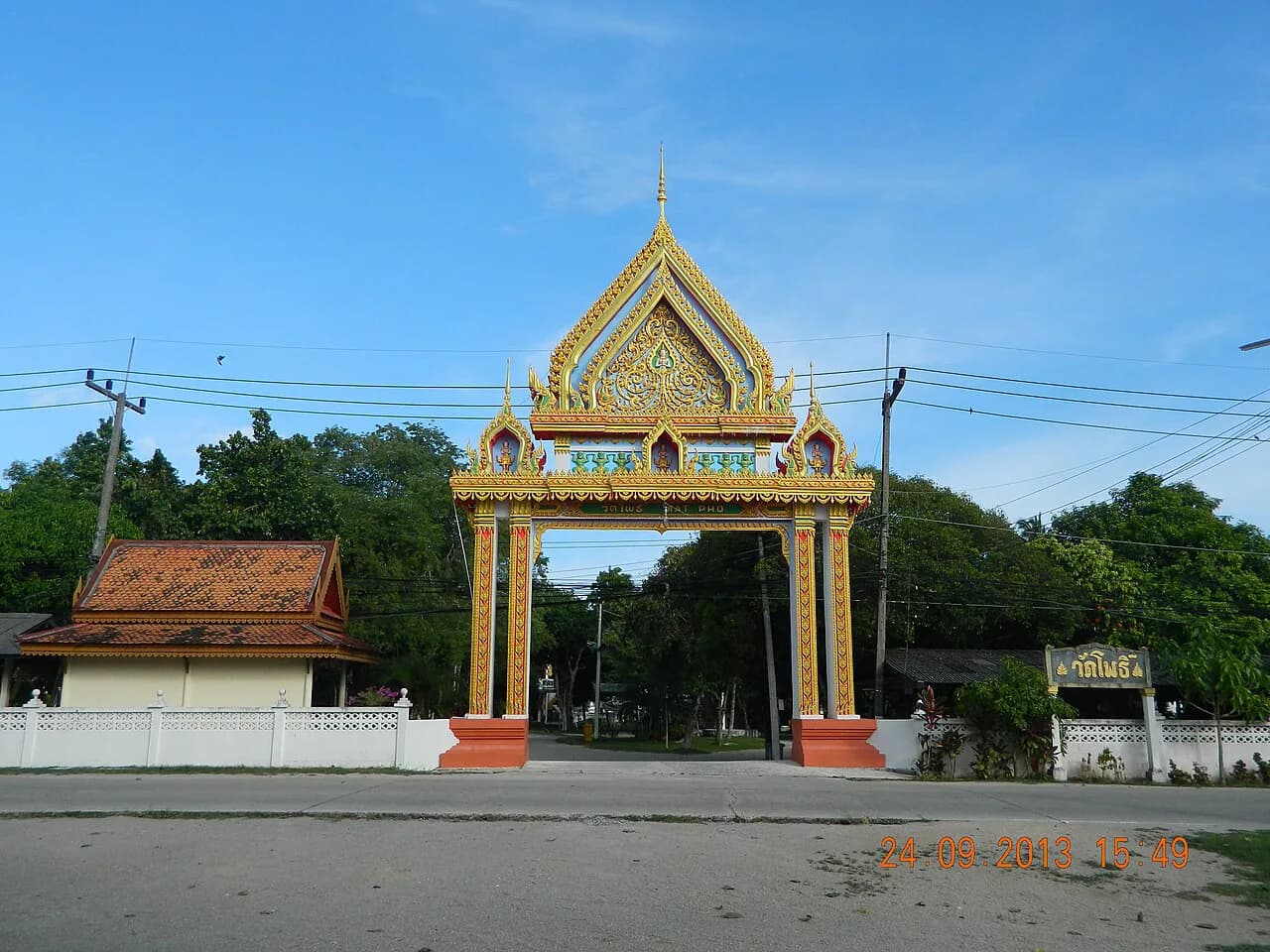
Wat Pho, Koh Phangan: Visiting the Ban Tai Temple and Its Herbal Sauna

Go to Wat Pho on Koh Phangan for the herbal sauna, not the temple building. The temple itself is an ordinary working community Wat in Ban Tai village on the island's south coast, and the low-key steam setup about a hundred meters across the road is what put the place on the map. This page covers where it sits, the awkward last stretch on foot, what the sauna includes, and which nearby stops fit the same afternoon.
Set your expectations before you ride out. You are not getting a spa: the setup is two small single-sex steam rooms, showers, benches and a changing area run by the temple, with none of the polish of a resort wellness center. What you get instead is a quiet, genuinely local hour or so in a leafy corner of Ban Tai, plus a look at a temple that serves the neighborhood rather than the tour buses.
Quick answer: temple versus sauna
The two halves of a visit are separate and sit on opposite sides of the road. The temple grounds are a calm, traditional Buddhist site with the usual halls and statues, while the herbal sauna operates just beyond them and draws most foreign visitors. If you only have time for one, choose the sauna and walk through the temple afterward while you cool down.
Do not confuse this Wat Pho with the Bangkok temple of the same name, which is a major royal complex near the Grand Palace. This one is small, residential and easy to miss from the road. That obscurity is the appeal: you will likely share the benches with a handful of locals and long-stay visitors rather than a tour group.
Where Wat Pho sits in Ban Tai
Wat Pho is in Ban Tai, a village on Koh Phangan's south coast in Surat Thani province, set back from the main ring road that circles the island. The nearest useful landmark is Baan Tai Pier and the Echo Travel office nearby, roughly a fourteen-minute walk from the temple according to one listing.
That puts it within easy reach of the south-coast guesthouse strip and only a short ride from Thong Sala, the island's main port town where most ferries dock. If you are based in Ban Tai or Thong Sala, this is a half-day errand rather than an expedition. From the north or west coast, budget for a longer songthaew ride each way.
How to get there: songthaew plus a walk
There is no direct songthaew drop at the door. The shared pickups run along the main road, so you ask to be let off at the nearest junction and walk the final stretch in. One guide puts that walk at about 700 meters to the herbal steam sauna, which is a hot ten minutes at midday and pleasant in the late afternoon.
The alternative is your own wheels: a rental scooter or bicycle gets you right up to the entrance and saves the walk back out. If you would rather not ride, you can charter a songthaew privately for the round trip, though you will need to agree the fare first. Either way, keep the journey simple and go in the afternoon when the sauna is running.
Inside the herbal sauna
The setup is deliberately basic. Herbs are heated in a cauldron and the steam is piped into two small chambers, one for men and one for women, where you sit and sweat; outside there are showers, benches, a changing area with toilets and lockers, and a herbal shop. The sauna is set among trees by a fish pond, where you can buy food to feed the fish, and cold drinks are sold on site. It sits across the road from the temple, not inside the temple grounds.
Go into the correct room for your sex, since the chambers are single-sex and there is no mixing. Bring your own towel, because one source notes a sarong and padlock are supplied but a towel is not. The atmosphere is quiet and shaded by trees, which makes it a genuinely restful stop rather than a social scene.
Massage is now offered alongside the steam, which makes a sensible pairing if you want to stretch the visit past an hour. You pay for that separately from the sauna entrance, and the desk will quote you on the day. Ask before you commit if the price matters to you.

What the sauna costs and includes
Published figures for the sauna entrance do not agree, which tells you it is a small, movable fee. Sources put it at 100 THB with a sarong and padlock included, and at 120 THB on a more recent island listing, so treat it as a modest cash charge in that range rather than a fixed number. Carry small notes and confirm the amount at the counter.
The fee covers your time in the steam room for as long as you like and as many rounds as you want, not a timed slot. A sarong and a padlock for the lockers come with it at the lower quoted rate, so you do not need to haul a bag into the chamber. Cold drinks and fish food are extras, and temple donations are separate.
Sauna hours and confirming them
The sauna runs in the afternoon and early evening only, not all day. One listing gives 1:00 PM to 7:00 PM seven days a week, while a newer catalog entry shows 1:00 PM to 6:30 PM, so the closing time drifts by half an hour depending on the season and who is staffing it. Arrive by mid-afternoon and you will not be caught out.
Treat both figures as a guide rather than a promise, and check on the day before making a long ride south. A quick message to your guesthouse or a look at the island listings the morning you plan to go is enough. Temple-side operations like this one flex with the monks' routines and staffing.

The temple side of the visit
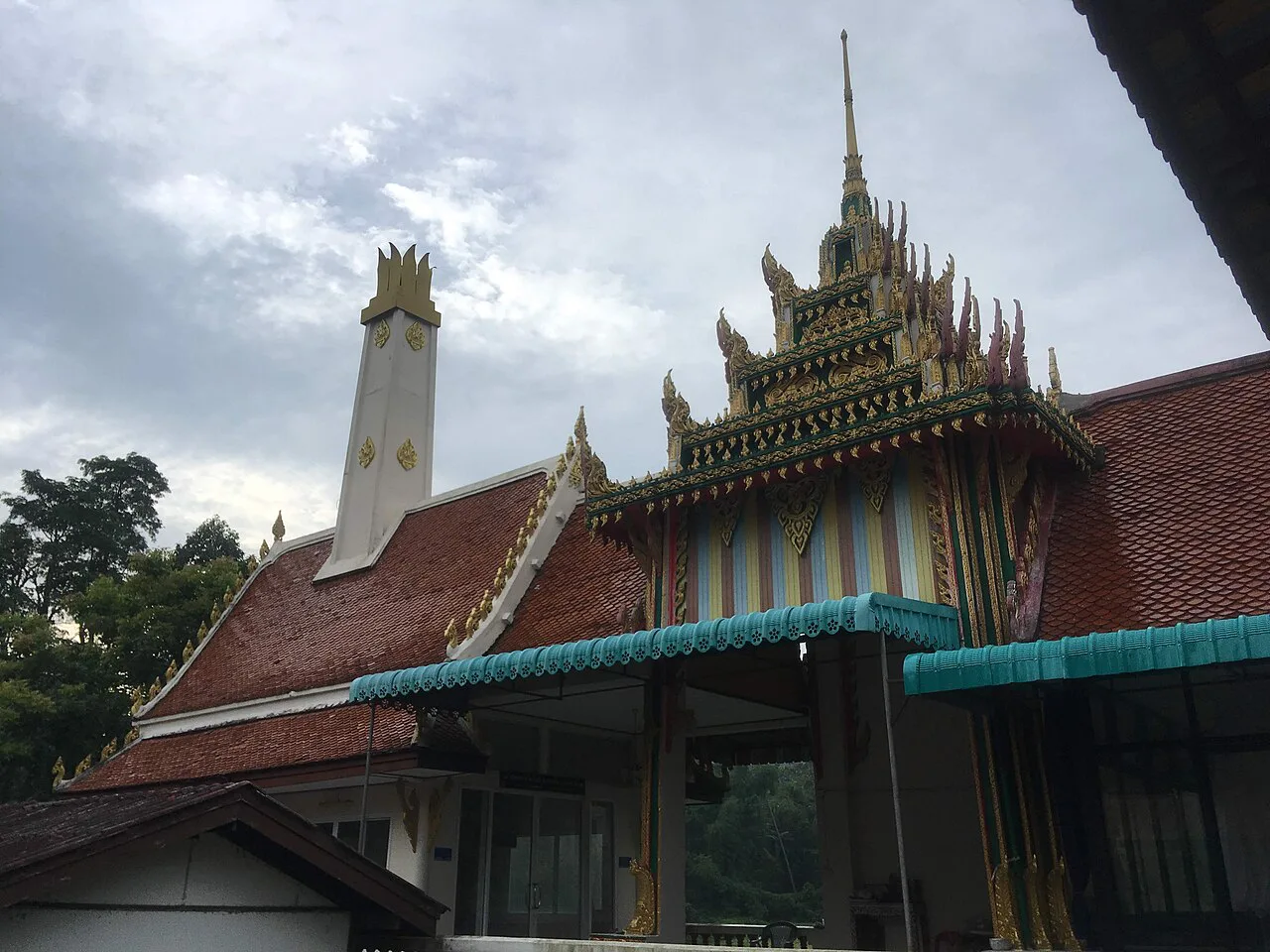
The temple itself is a working community Wat, and its opening hours are not published in advance, so plan to visit in daylight and check locally rather than building a trip around a set time. Inside, cover your shoulders and knees, take your shoes off before entering any building with a Buddha image, and keep your feet pointed away from images when you sit. Photography of the exteriors is normally fine, but watch for signs inside the halls.
What you see is modest: a main hall, statues and shaded grounds rather than a landmark monument. Walk the grounds after your steam, drop a donation if you wish, and treat it as a quiet ten or fifteen minutes rather than a sight in its own right.

How long to allow
Budget around an hour to ninety minutes in total: roughly twenty minutes in the steam, time to cool off and shower, and a short wander through the temple grounds. Add the walk in and out from the main road, which is the part people underestimate in the heat. If you add a massage, allow two hours.

Nearby stops within a short ride
Chedi Wat Nai is about a 360-meter walk away, a small traditional chedi that pairs naturally with the temple visit. Wat Khao Tham, a hilltop temple about 1.4 km off, is the bigger add-on if you have your own transport. Both keep you in the same corner of the island, so no extra long ride is needed.
If you are heading back toward the south-coast beaches afterward, Haad Rin Beach is a short ride east and makes an easy late-afternoon stop. Otherwise, Ban Tai itself has the food stalls and kitchen stops you want once the sauna closes and you have showered.
Riders with a free morning sometimes push on to Koh Ma, the sandbar-linked islet off Mae Haad Beach on the northwest coast, but treat that as a separate half-day rather than an add-on to a Ban Tai afternoon. It sits clear across the island from the temple, so the ride eats most of the time you would otherwise spend in the steam.
Is Wat Pho worth the ride south?
Yes, if you want an honest, cheap, local hour rather than a polished spa afternoon. Come for the herbal steam, walk the temple grounds while you dry off, and pair it with the chedi next door or dinner in Ban Tai. Skip it if you are expecting a landmark temple or a resort wellness experience.
Explore more Koh Phangan guides
Frequently Asked Questions
Is Wat Pho on Koh Phangan free to enter?
The temple grounds are a working place of worship rather than a ticketed attraction, and donations are optional. The herbal sauna across the road charges a small cash entrance fee, which published sources put in a low range that differs slightly between listings. Confirm the amount at the counter before you change and go in.
What is Wat Pho on Koh Phangan known for?
It is known for its herbal steam sauna rather than its architecture. The temple runs two small single-sex steam chambers heated with herbs, with showers, lockers and a changing area outside, and the sauna sits by a fish pond. The temple building itself is a modest community Wat in Ban Tai village.
How long do you spend at Wat Pho on Koh Phangan?
Plan on about an hour to ninety minutes including the steam, a shower and a short walk through the temple grounds. Add another thirty minutes for the walk in from the main road, or more if you book a massage. Riders with their own scooter save that walking time.