
Thong Nai Pan Yai Beach: Koh Phangan's Quieter Twin Bay
Thong Nai Pan Yai Beach is the larger, quieter half of a twin bay on Koh Phangan's northeast coast in Surat Thani Province — a wide crescent of white sand framed by forested hills. Budget a half day if you are passing through, or several nights if you want a spread-out beach base away from the island's busier west side. This page covers where the beach sits, how to reach it, what is actually on the sand, and how Yai compares with Thong Nai Pan Noi next door. See also our wider Koh Phangan Attractions: 12 Visitor Guides for the rest of the island.
Where Thong Nai Pan Yai sits in the bay
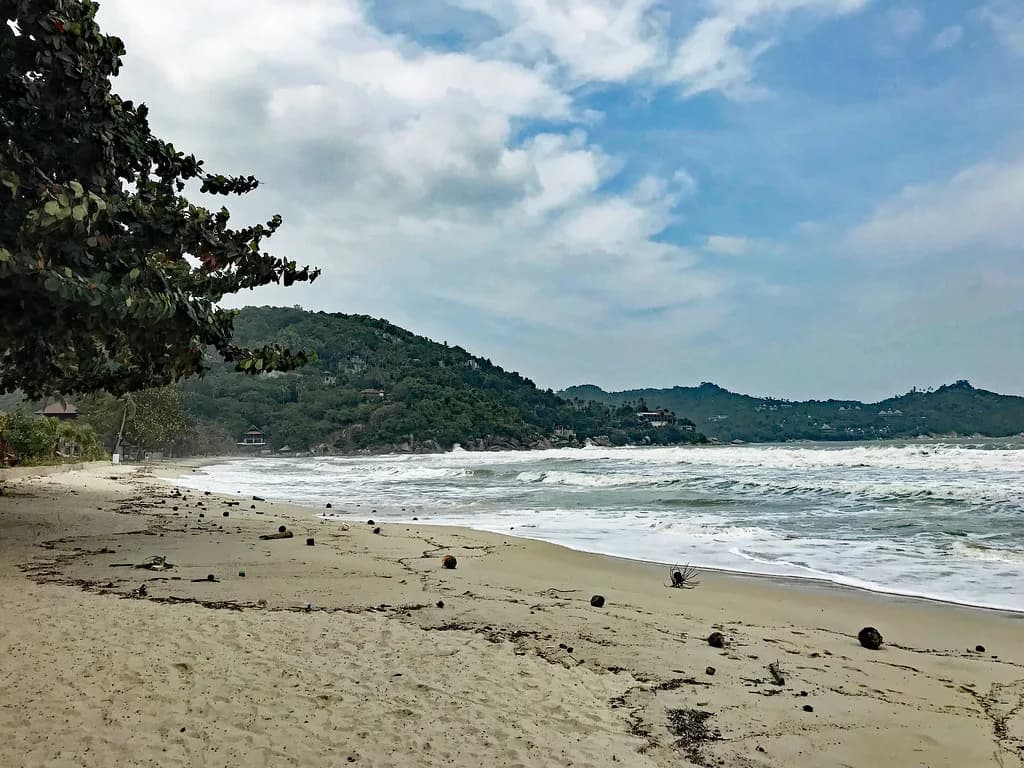
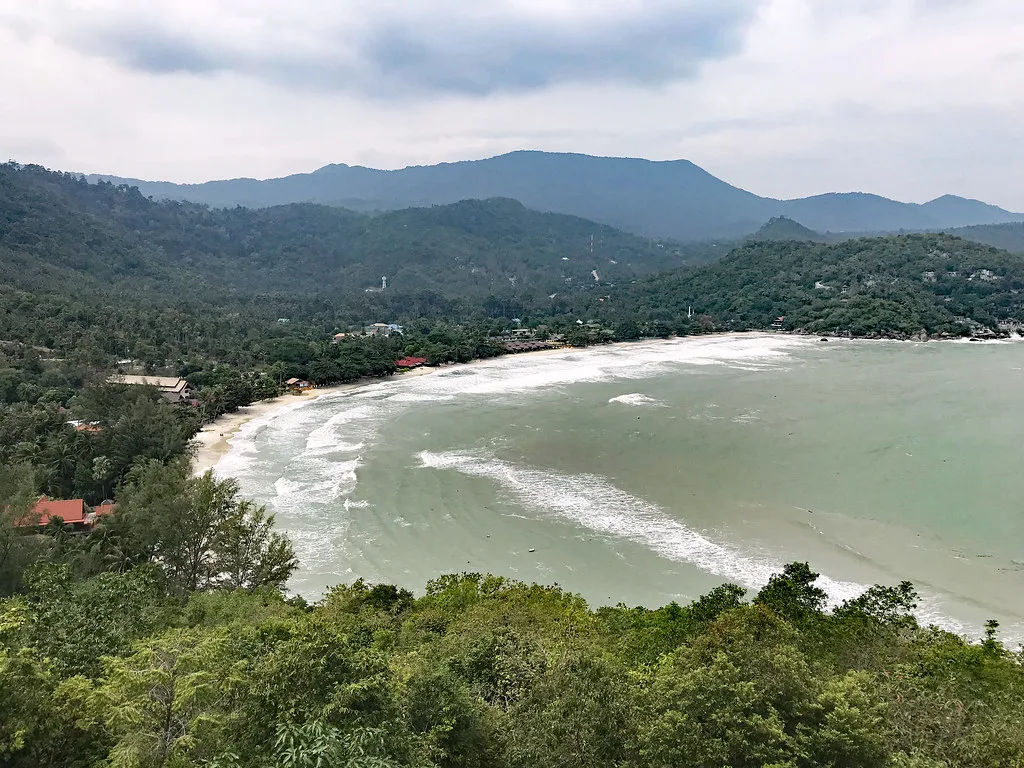
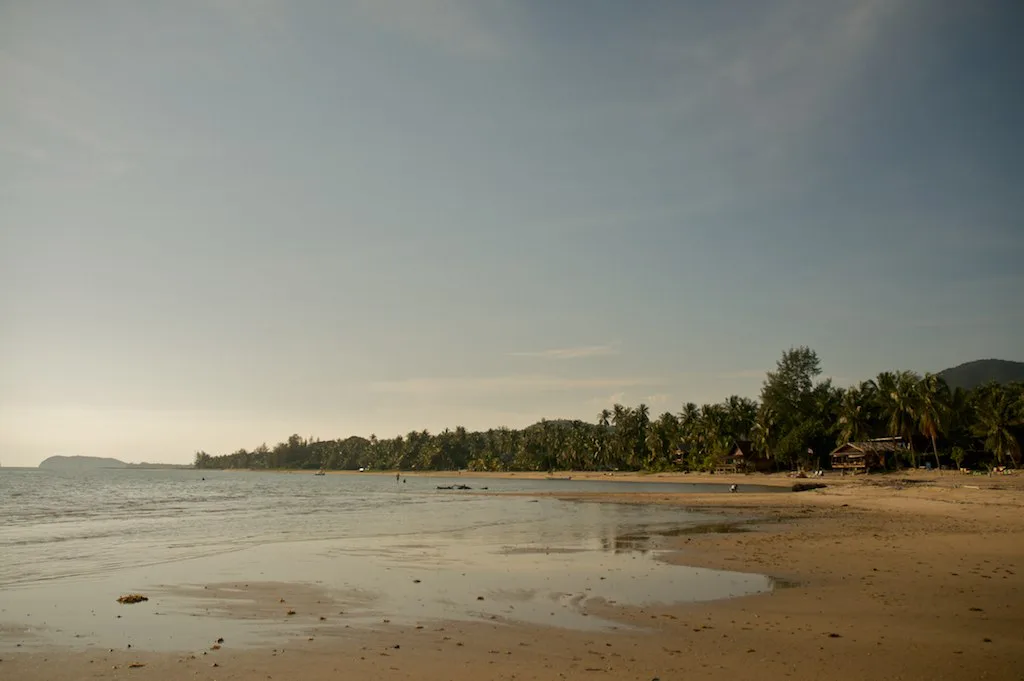
Thong Nai Pan is a double bay on Koh Phangan's northeast coast, made up of two coves: Thong Nai Pan Noi and Thong Nai Pan Yai. Travelers describe Yai as the longer of the two, with a wide crescent of white sand and resorts spaced out along the shoreline. Because the bay faces east, the beach catches sunrise rather than sunset.
The surrounding coastline is steep and jungle-covered, which is what gives the bay its enclosed feel. One long-running description of the area notes that both beaches sit against tropical rainforest and mountains, and that the east side of the island still feels wilder than the developed west. That geography also explains why the road in matters more here than at flatter beaches.
Yai vs Noi: choosing your side
The two coves suit different trips. Thong Nai Pan Noi is the shorter, deeper bay with a small village behind the sand, so bars, restaurants and shops sit within a short walk; Yai is longer, its resorts are more spread out, and there is no village cluster. In practice, choosing Yai means accepting a longer walk to dinner in exchange for more space and fewer people on the sand.
If you are deciding between the two, walk the connecting stretch of beach or road before you commit — it is short enough that guests at either bay can visit the other. Travelers who want a family-oriented feel have historically favored Yai, though that is a forum impression rather than anything official. Either way, check where your room actually sits relative to the sand, because a resort billed as Thong Nai Pan can sit closer to one cove than the other.

Getting there by road and by boat
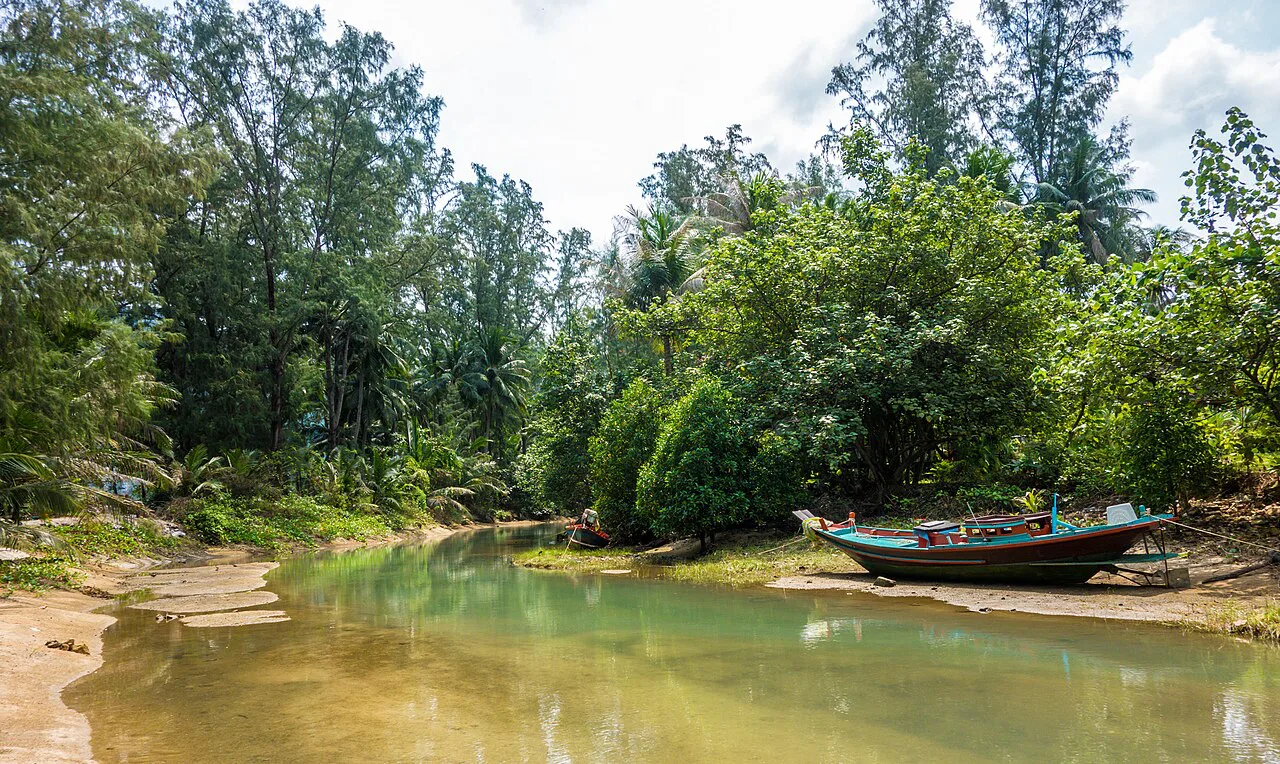
Road access has changed the trip. A villa-rental guide for the area reports that the approach to Thong Nai Pan was upgraded from a steep dirt track to a concrete road, which is the main reason the bay has become busier. It does not publish drive times, so ask your hotel for a realistic estimate from your arrival pier rather than trusting a map pin.
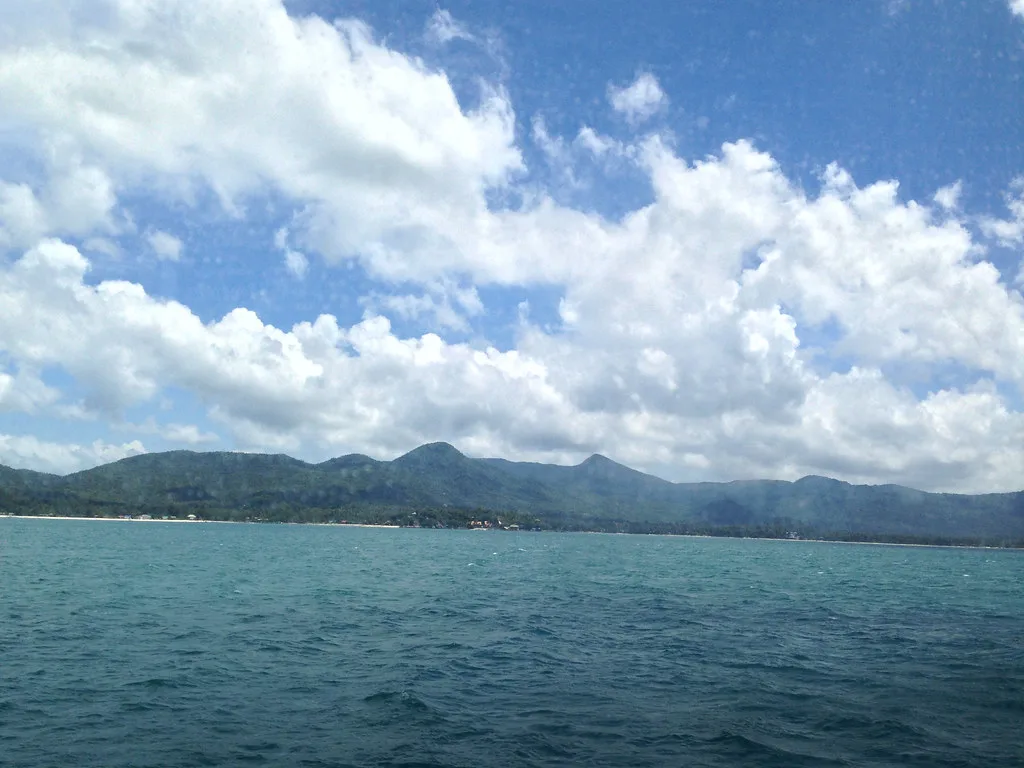
The alternative is by sea: boats to the bay run from Haad Rin Beach on the southeast corner and from Chaloklum on the northwest coast. Whether those services are running, and at what time, depends on the season and operator, so confirm with a local boat desk when you arrive instead of planning around a fixed schedule. Coming from the ferry piers at Thong Sala, most travelers take a shared pickup or taxi over the hills.
Once you are on the island, songthaews and hotel transfers are the usual last leg; Grab coverage on Koh Phangan is thinner than in Bangkok, so arrange a pickup through your accommodation. If you plan to base yourself at Yai, ask in advance whether the resort runs transfers from the pier and what they involve. The sandbar to Koh Ma, Koh Phangan is on the northwest coast, a separate outing rather than a walk from Yai.

What to expect on the sand
The beach is the attraction: soft white sand, calm mornings and a bay shallow enough for easy wading. One guide notes that the east coast of Koh Phangan has no coral reef, and links that to being able to swim at both beaches through the year. Treat that as the source's assessment rather than a guarantee, since surf and weather still vary week to week.
Swell sometimes arrives in the bay between September and January. The same source is explicit that there are no surf breaks here, so think body boards and kayaks pushed along by white water rather than a surf scene. On flat days the water is the main event, and shade comes from the hills rather than umbrellas alone.
Because Yai has no village, food and drink come from the resorts and the smaller spots strung along the sand, which is why a spread-out layout matters at dinner time. Expect to walk further than you would on Noi. Plan your day around the beach itself and treat the bay as a place to slow down rather than a hub for hopping between sights.
Activities based at the bay
Kayaks can be rented at several places around the bay for exploring the neighboring coves, and Thai cooking classes are advertised in both Thong Nai Pan Noi and Yai. One guide names Bamboo and Again and Again as cooking schools in Noi, quoting roughly 500 THB for two dishes over a couple of hours, though that figure is dated and should be treated as an indication only. Confirm the price and menu directly with the school.
Massage is easy to find on both beaches, and the same guide rates Tanaporn Massage House above the big hotels' spa menus on both quality and price. A forest-set yoga studio sits on the road toward Yai. These are named recommendations from one source, not endorsements, so check they are still operating before you build a day around them.
Trips that leave the bay tend to head for Ang Thong Marine Park and its cluster of islands, or to Khao Tao for clear water and fish. Both are boat days rather than beach afternoons, so book them through an operator who can tell you the pick-up point and the return time. For a shorter outing, the beach at Mae Haad and the sandbar to Koh Ma are a road hop away on the northwest coast.
How long to allow at Thong Nai Pan Yai
A half day covers the essentials: a swim, a walk the length of the crescent and lunch at one of the beachfront spots. If you want to see both coves, add the short transfer to Noi and come back for sunset light on the sand. Anything shorter than a few hours is barely worth the drive over the hills.
Several nights make more sense if you want the bay as a base. The trade-off is isolation: you are far from the island's nightlife and markets, so evenings revolve around your resort. Travelers who want company after dark usually split their stay, spending a few nights here and a few closer to the busy side.

Should you base yourself at Thong Nai Pan Yai?
Yes if you want a wide, quiet east-coast beach with hills behind it and are content to eat where you sleep. No if you need a village on your doorstep, easy nightlife or a base for hopping around the rest of the island — in that case Thong Nai Pan Noi or the busier west coast fits better. Before booking, confirm the current road and boat access with your hotel, since conditions here change more often than the beach itself.
Explore more Koh Phangan guides
Frequently Asked Questions
Is Thong Nai Pan Yai Beach worth visiting?
It is worth it if a long, quiet crescent with resorts spread along the sand appeals to you more than a village scene. Travelers who want bars and restaurants within a short walk usually prefer Thong Nai Pan Noi next door. Allow a half day minimum, or several nights to make the drive worthwhile.
Can you swim at Thong Nai Pan Yai Beach?
Swimming is the main activity on the sand, and one guide links year-round swimming on the east coast to the absence of a coral reef there. Swell can still arrive between September and January, so judge conditions on the day rather than assuming flat water.
How do you get to Thong Nai Pan Yai from Haad Rin?
You can go overland by road or by boat from Haad Rin. The approach road was upgraded from a dirt track to concrete, which made the trip easier, but no operator publishes a fixed timetable for the boat leg. Confirm times and pickup points locally when you arrive.