Ayutthaya Ruins: Which to Visit, Tickets & Routes
Which Ayutthaya ruins are worth your time? Compare the main temples, route options, tickets, heat and Bangkok day-trip logistics.
On this page
Last updated November 2026. Ayutthaya ruins are the remains of the former Siamese capital, a UNESCO World Heritage historic city spread across an island and the area around it. Start with Wat Mahathat and Wat Phra Si Sanphet if your time is short, then add Wat Chai Watthanaram and Wat Yai Chai Mongkhon for a longer day. Use this guide to choose, sequence and pace your visit, and see our wider Ayutthaya planning hub for everything else in town.
Featured image: Nord794ub, CC BY-SA 4.0, via Wikimedia Commons.
Ayutthaya Ruins at a Glance
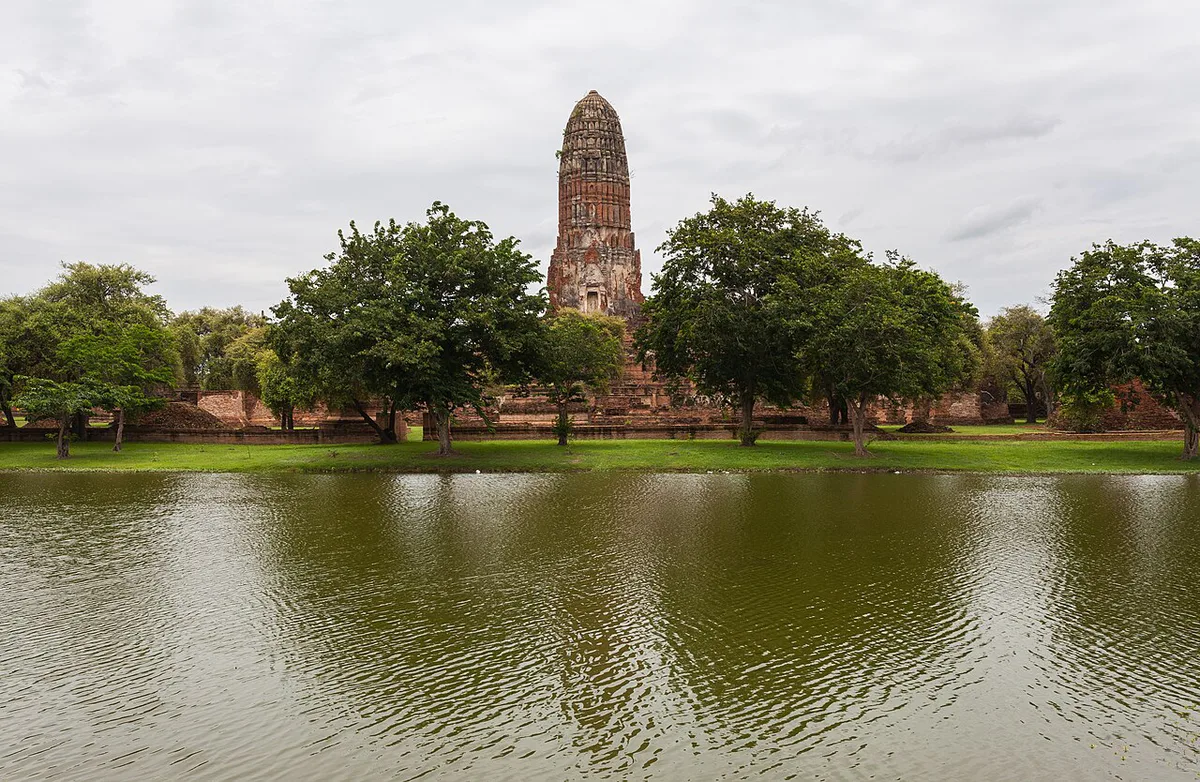
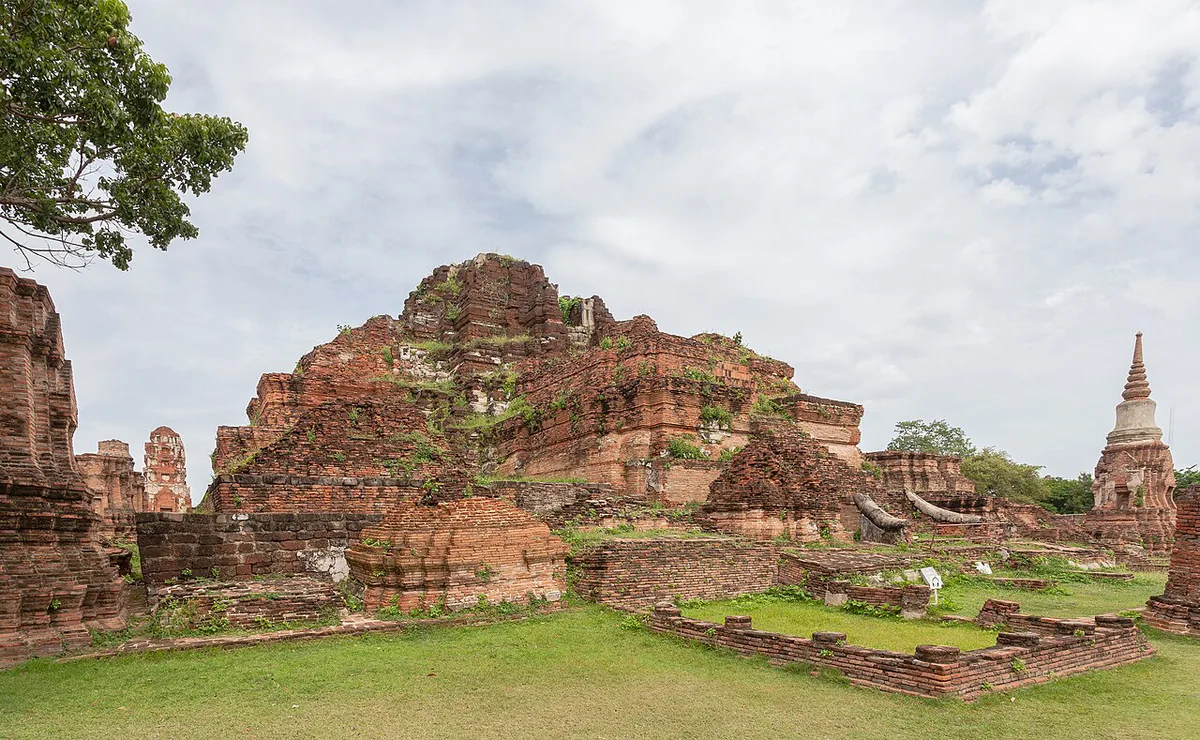
Ayutthaya sits where three rivers meet: the Chao Phraya, the Lopburi and the Pa Sak. Founded in the mid-14th century, the city was sacked by Burmese forces in 1767. What survives is brick prangs, chedis and rows of headless Buddhas.
For most visitors, four sites do the work. Wat Mahathat and Wat Phra Si Sanphet are the core of the historic park. Wat Chai Watthanaram adds the most photogenic Khmer-style silhouette. Wat Yai Chai Mongkhon is different: it is a working temple with monks, not a ruin.
Plan on a short half-day for the first two and a full day for all four. Our guide gives no sourced opening hours, so confirm them before you go.
- Short on time: Wat Mahathat plus Wat Phra Si Sanphet.
- Photographers: Wat Chai Watthanaram, with Wat Mahathat for the banyan-root Buddha head.
- Active temple culture: Wat Yai Chai Mongkhon.
- Royal sites beyond the ruins: Bang Pa-In Palace, a separate add-on.
The Ruins Worth Your Time
Each stop below earns its place for a different reason. Pick by interest rather than trying to collect them all. Visitors who want more options can browse more temple stops once the core four are done.
Bang Pa-In Palace is a royal summer palace outside the historic park. It dates to 1632 according to our source material. Treat it as a palace visit, not a ruin.
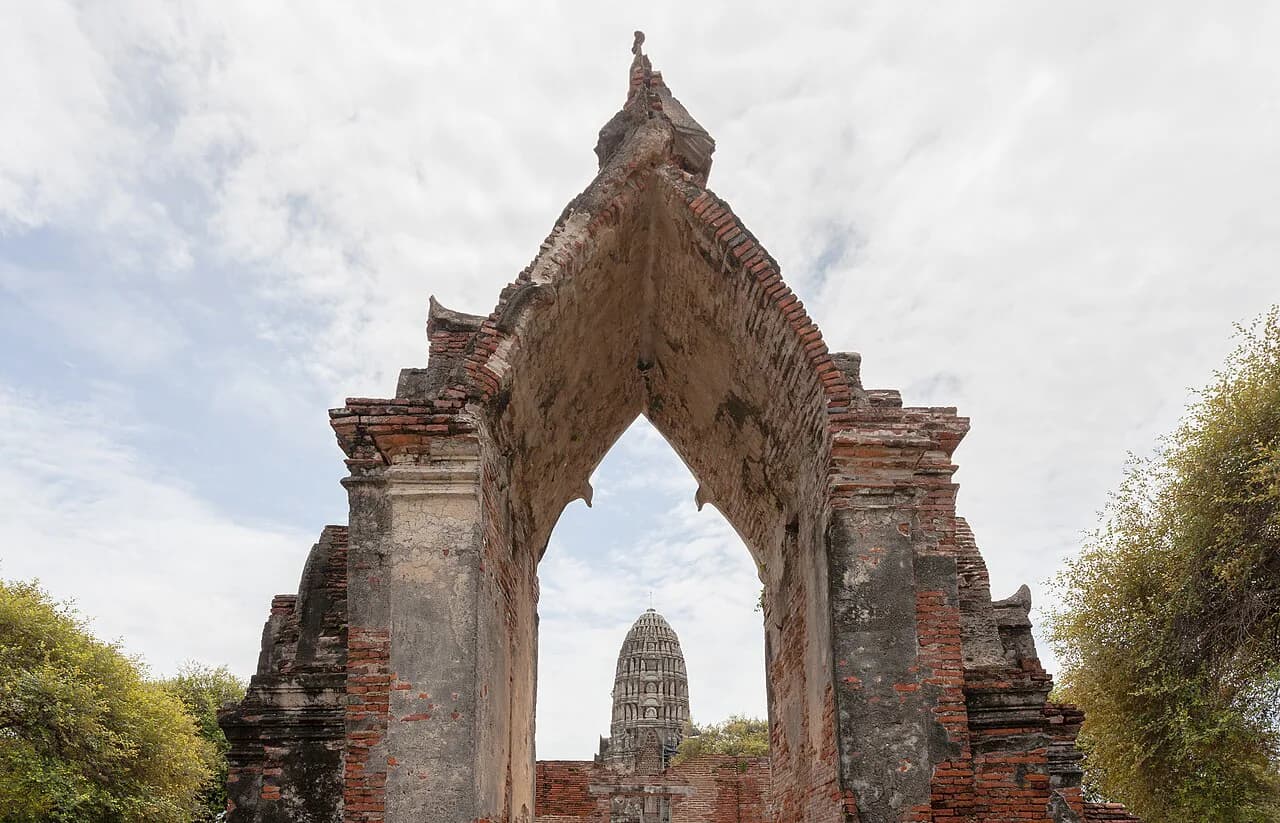
- Wat Mahathat (Wat Phra Mahathat): a ruin in the central area. The Buddha head wrapped in banyan roots is its best-known image. It was once the residence of the Supreme Patriarch of Thai monks.
- Wat Phra Si Sanphet: a royal temple used for ceremonies, never a monks' residence. Its three bell-shaped chedis are said to hold the ashes of three kings.
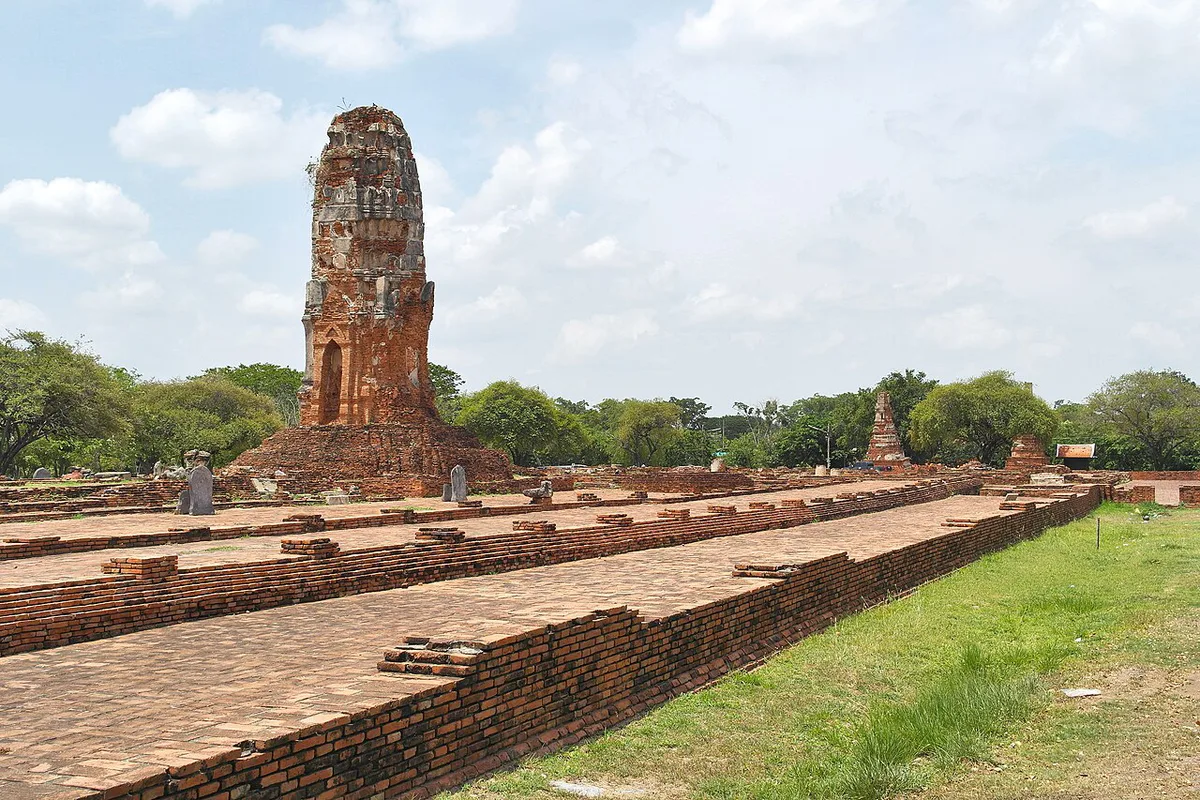
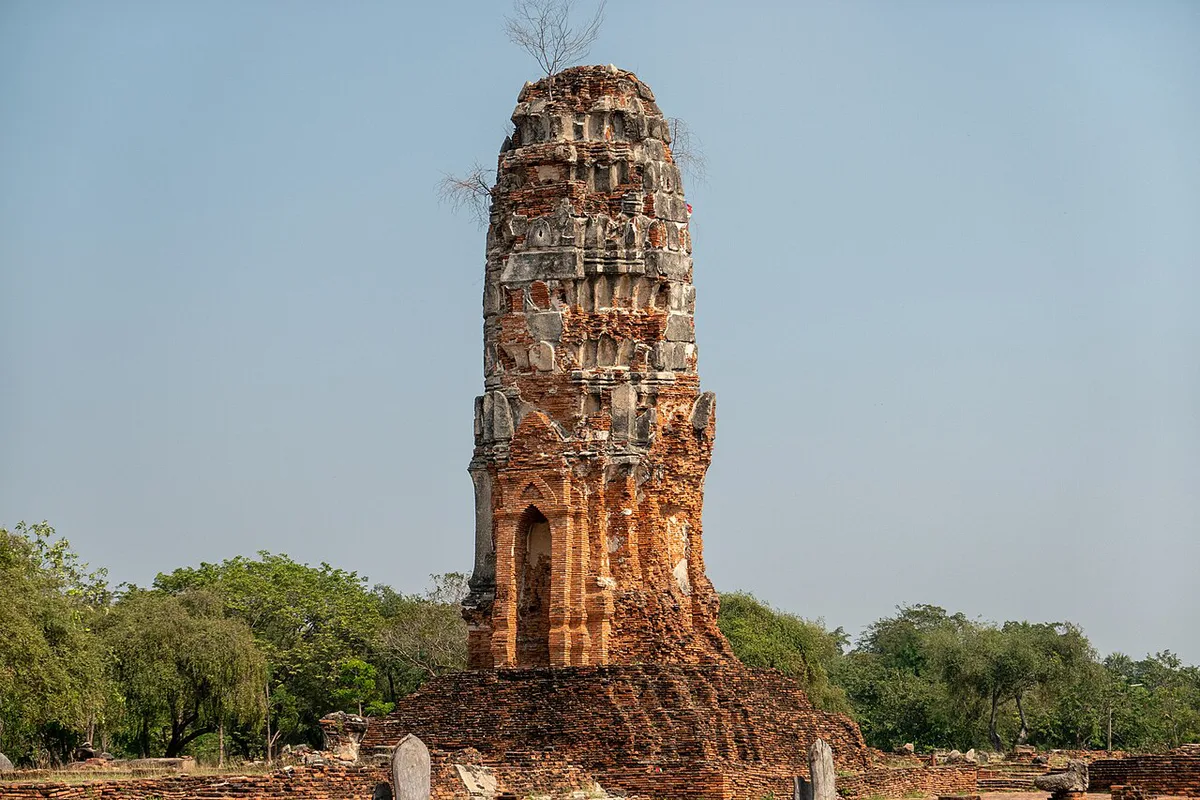
- Wat Chai Watthanaram: Khmer-style, with a large central prang. A source credits King Prasat Thong and the year 1630, so verify the date before quoting it.
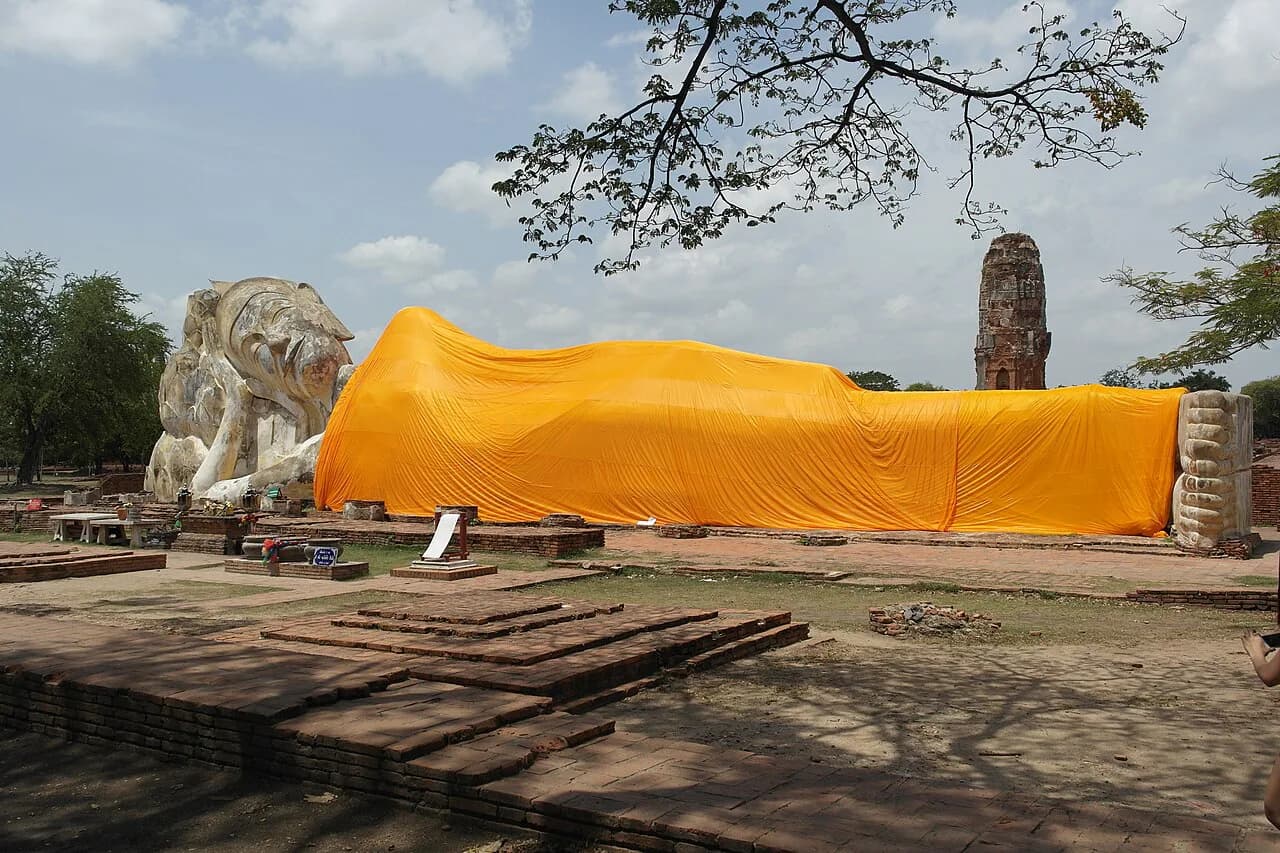
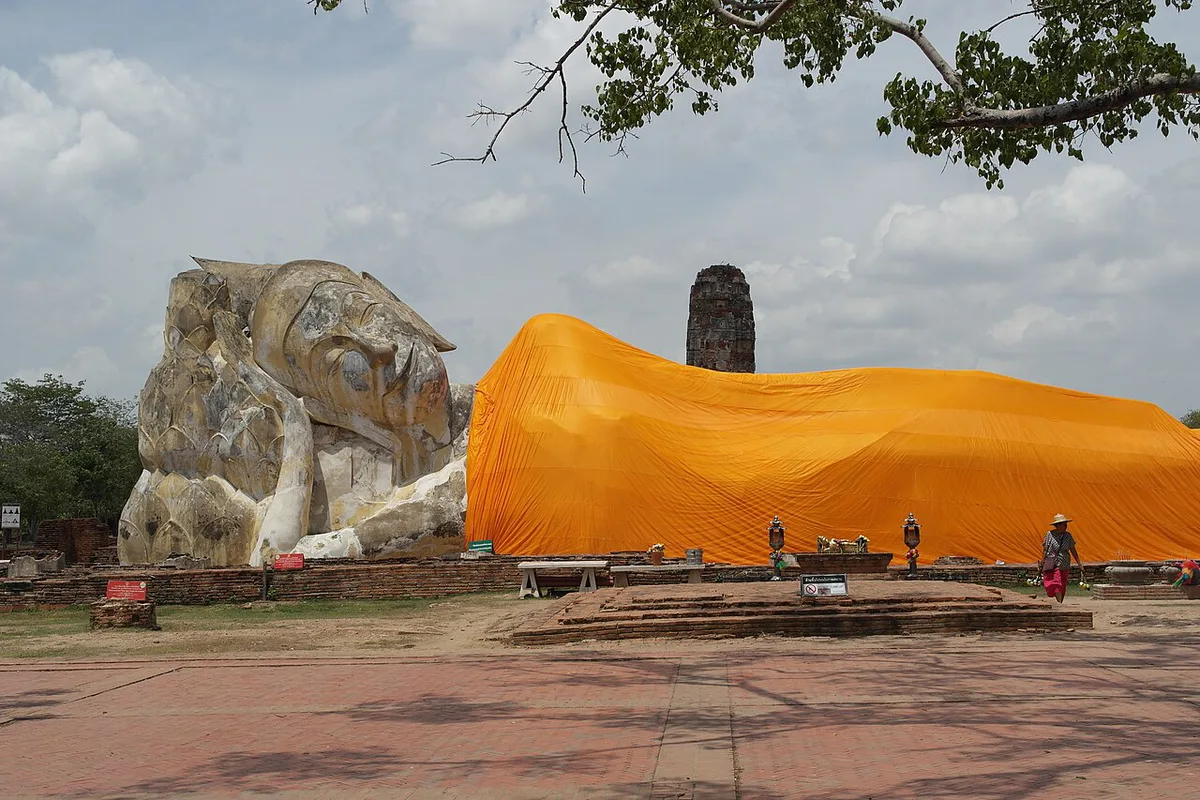
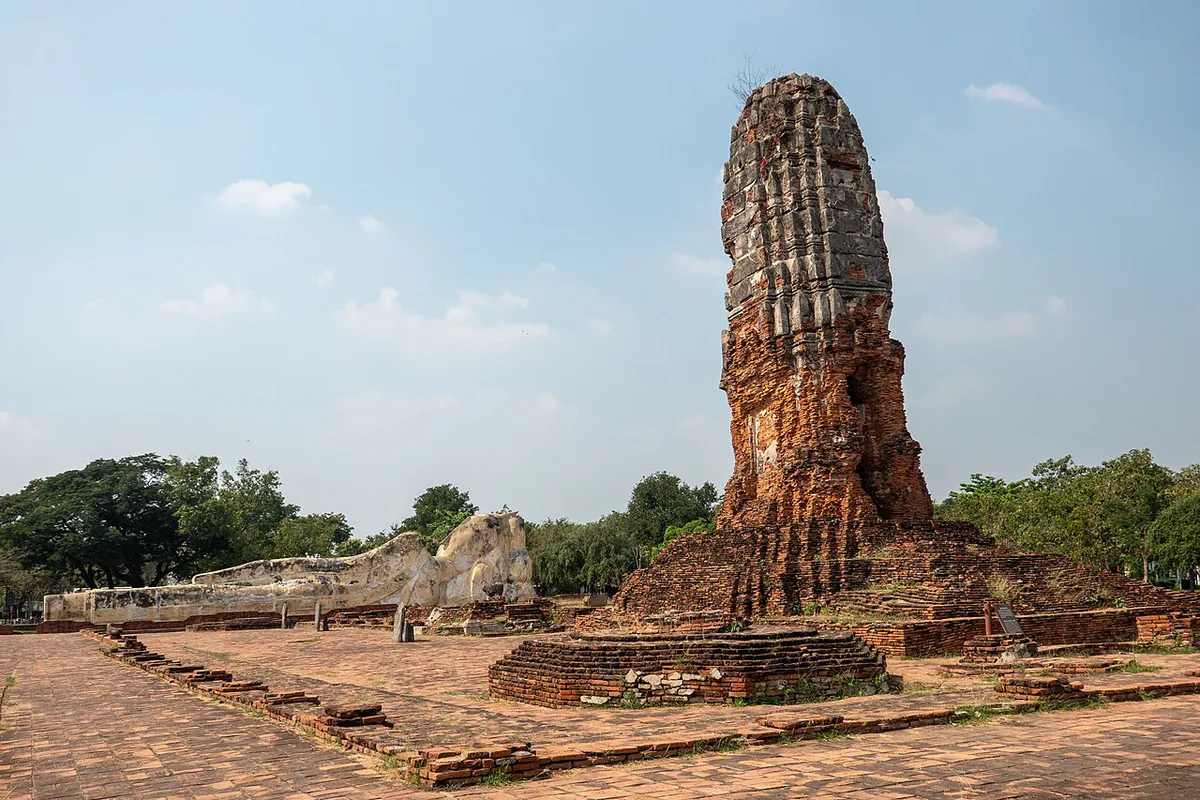
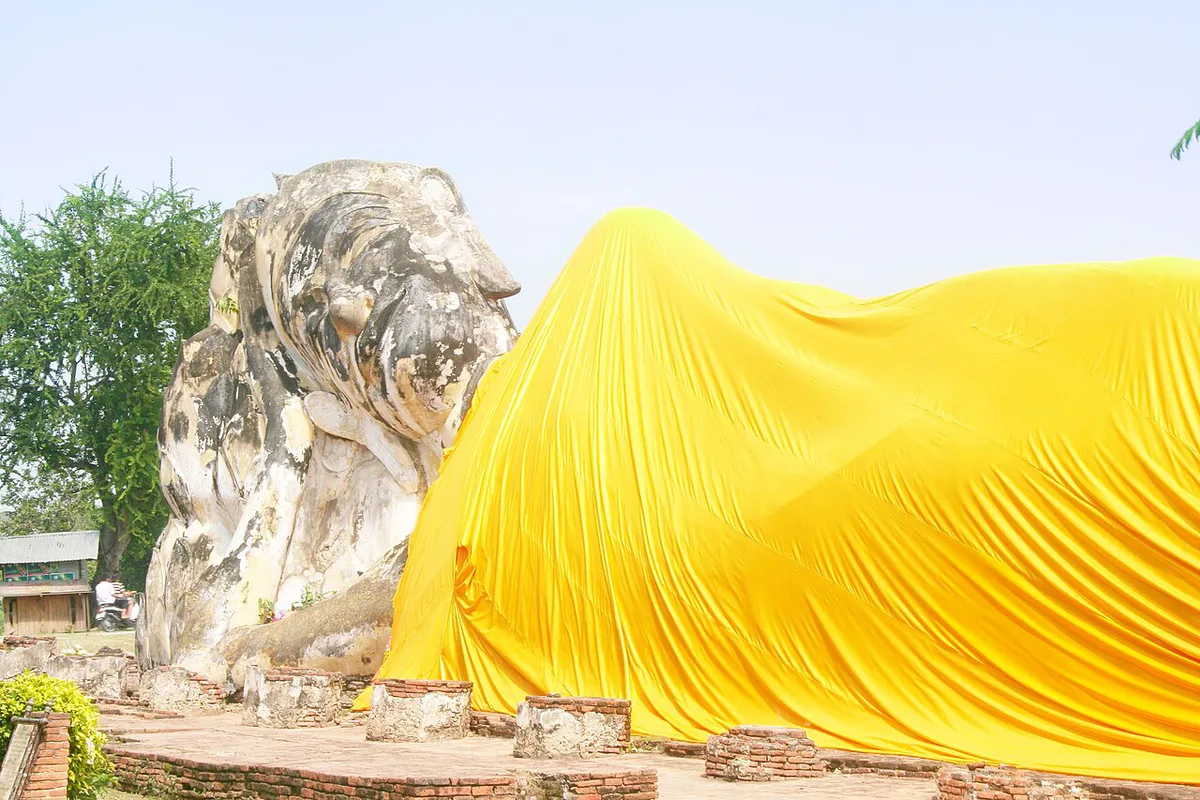
- Wat Yai Chai Mongkhon: an active temple with monks, a large chedi and a reclining Buddha. One source says the current reclining figure is a replica.
Quick Comparison Table
Use this table to match a site to your plan. Fees are left for you to confirm with the official source.
| Site | What you see | Ruin or active temple | Best time of day | Visit length | Fee |
|---|---|---|---|---|---|
| Wat Mahathat | Banyan-root Buddha head, crumbling brick towers | Ruin | Morning, for cooler air | Longer stop | Check Fine Arts Department |
| Wat Phra Si Sanphet | Three bell-shaped chedis | Ruin, royal temple | Morning or late afternoon | Medium stop | Check Fine Arts Department |
| Wat Chai Watthanaram | Khmer-style central prang | Ruin | Late afternoon light | Medium stop | Check Fine Arts Department |
| Wat Yai Chai Mongkhon | Large chedi, reclining Buddha | Active temple | Morning | Short stop | Check on site |
| Bang Pa-In Palace | Royal summer palace | Palace, not a ruin | Morning | Separate trip | Check official source |
How to Plan Your Time
Group sites by area and keep the hottest hours for shade or lunch. Wat Mahathat is in the central area, so anchor your route there. Check a map before you commit to the outlying temples, because distances decide whether you need a bike or tuk-tuk.
On a three-hour visit, do Wat Mahathat and Wat Phra Si Sanphet only. Skip everything else. On a half-day, add Wat Chai Watthanaram near sunset if its opening hours allow.
On a full day, add Wat Yai Chai Mongkhon and a long lunch. Cyclists can link the sites at their own pace. Travelers on a tight budget can pair the ruins with free sights around town. For lit ruins after dark, read about evening ruins plans and confirm which sites stay open late.
- 3 hours: Wat Mahathat, then Wat Phra Si Sanphet.
- Half-day: add Wat Chai Watthanaram late in the afternoon.
- Full day: add Wat Yai Chai Mongkhon, with a midday break out of the sun.
Tickets, Hours and Costs
Our sources give no confirmed fees, combined pass or opening hours for these sites. Check the Fine Arts Department of Thailand before you go.
Confirm hours first, since the 3 hours for Wat Mahathat and Wat Phra Si Sanphet only work if the sites are open.
Getting There and Getting Around
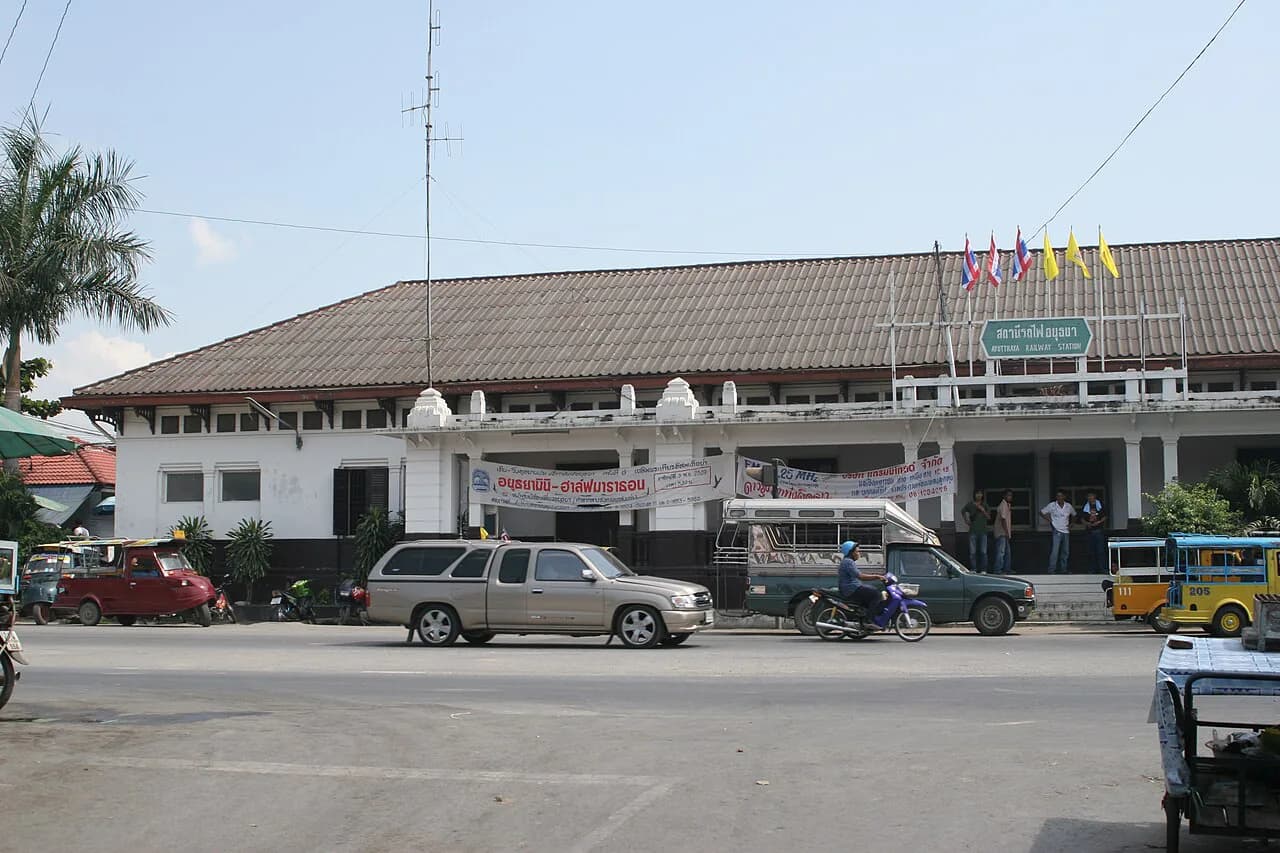
Ayutthaya is a day trip from Bangkok, and one source puts the journey at about an hour. Compare train, minivan and tour options for arrival and return details. For train times and fares, use the State Railway of Thailand.
Once you arrive, choose between walking, cycling and tuk-tuks. Walking suits the central cluster around Wat Mahathat. Bikes and tuk-tuks make sense for outlying temples. See getting around the island for local transport detail.
If you cannot decide between a quick trip and a longer stay, read about an overnight stay or day trip. Overnighting lets you see the ruins in early light. A day trip works if you are tight on time and happy with the core sites.
Etiquette, Heat and Practical Tips
Dress modestly at active temples, especially Wat Yai Chai Mongkhon, where monks live. Cover shoulders and knees as a safe default, and verify the current rules with the official source. Do not climb on structures. Do not pose disrespectfully with Buddha heads or statues.
Shade is limited among open brick ruins, so carry water and a hat. Wat Phra Si Sanphet was flooded in 2011 and has subsidence issues, which is a reminder that heavy rain can affect the site. Look at season-by-season timing before you pick your dates. The Thai Meteorological Department publishes forecasts if you want to check conditions.
Mistakes to Avoid
Skip the temptation to see every ruin on foot at midday. Heat drains energy fast, and the brick has little shade. Do not ignore closing times either, because a late arrival can cost you a site.
Avoid treating Wat Yai Chai Mongkhon like a ruin. It is an active temple, so behave accordingly. Do not count Bang Pa-In Palace as a ruin stop. It is a separate royal palace outside the historic park.
Tours can waste time if they bundle sites you do not care about. Pick your own four stops instead. If you still have energy after the ruins, consider onward day trips.
A Little Context: What Happened to Ayutthaya
Ayutthaya was founded in the mid-14th century and became the Siamese capital. Burmese forces sacked it in 1767, burning much of the city. Afterward the capital moved to Bangkok. The brick prangs and headless Buddhas you see today are what that sack left behind.
After the ruins, you can eat well in town. Try the evening night market for street snacks. Read about local dishes to try or pick from the best restaurants in town.
Frequently Asked Questions
Why is the Buddha head missing in Ayutthaya?
Burmese forces sacked and burned Ayutthaya in 1767, and many Buddha statues were left damaged or headless. Wat Mahathat's head in banyan roots is the best-known surviving example. Treat all such figures with respect.
Is Ayutthaya close to Bangkok?
Yes, it works as a day trip. One source puts the trip at about an hour. Check the State Railway of Thailand and our Bangkok guide for current times before you travel.
Notes for your Thailand trip
Optional updates when we add or change a town or island guide.
You might also like

Continue reading
More guides you'll find useful