Best Time to Visit Ayutthaya: Month-by-Month Guide
Cool season, hot season or monsoon? See which months suit Ayutthaya's temples, what the weather means on the ground, and how to plan around heat, rain and crowds.
On this page
Last updated November 2026: the best time to visit Ayutthaya is the cool, dry stretch from roughly November to February, when walking among exposed ruins is most comfortable. Hot season (about March–May) and rainy season (about June–October) both work with early starts and flexible plans. Month boundaries shift from year to year, so check the Thai Meteorological Department forecast before you book.
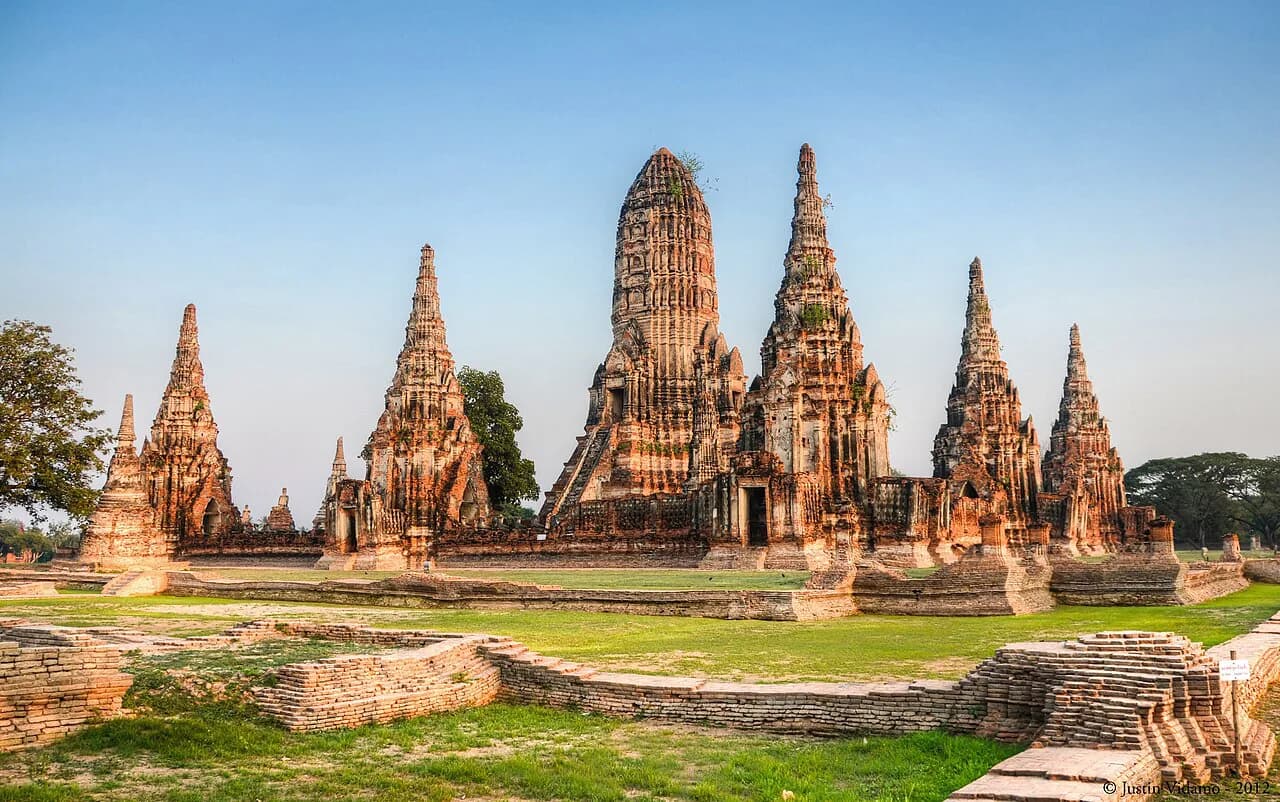
Featured image: Justin Vidamo, CC BY 2.0, via Wikimedia Commons.
Best Time to Visit Ayutthaya: The Short Answer

Go between November and February if your dates are flexible. Mornings are kinder, and the open grounds at Wat Phra Mahathat and Wat Chaiwatthanaram are easier to walk. Hot season is the hardest on cyclists. Rainy season brings muddy grounds and a flood risk along the Chao Phraya River. No season is perfect, because the comfortable months also tend to draw the most visitors. If you are still deciding whether to go at all, read our guide on whether Ayutthaya is worth visiting.
Ayutthaya Season by Season at a Glance
Use this table to match a season to your priorities. Figures are approximate and typical, so verify them with the TMD for your travel year.
| Season | Approx. months | Typical daytime heat | Temple-walking comfort | Main trade-off | Best for |
|---|---|---|---|---|---|
| Cool/dry | Nov–Feb | About 30°C (86°F) | Best | Busiest period, so expect higher prices (verify) | First-timers, cyclists, photographers |
| Hot | Mar–May | Often above 35°C (95°F) | Hard after mid-morning | Midday heat | Early risers, overnighters |
| Rainy | Jun–Oct | About 32°C (90°F) with humidity | Good between showers | Mud, showers, river flood risk | Flexible and budget travelers |
Cool Season (Nov–Feb)
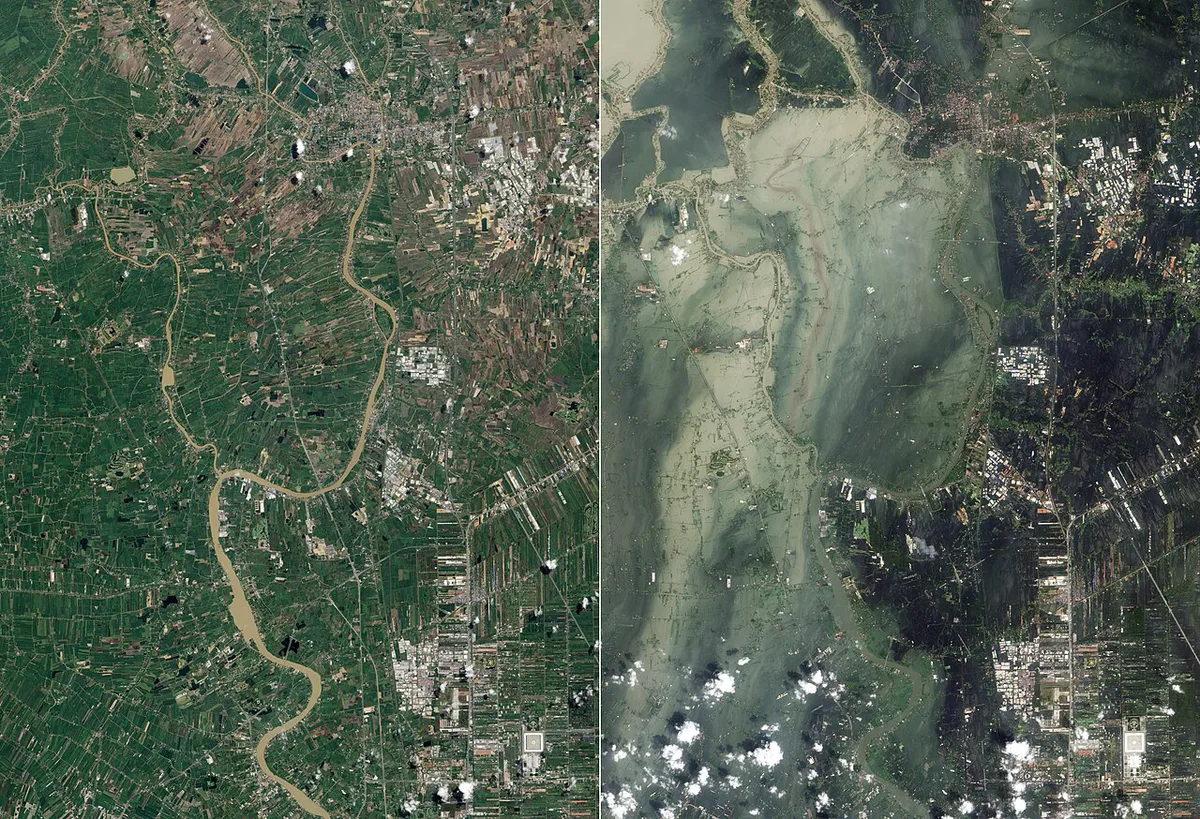
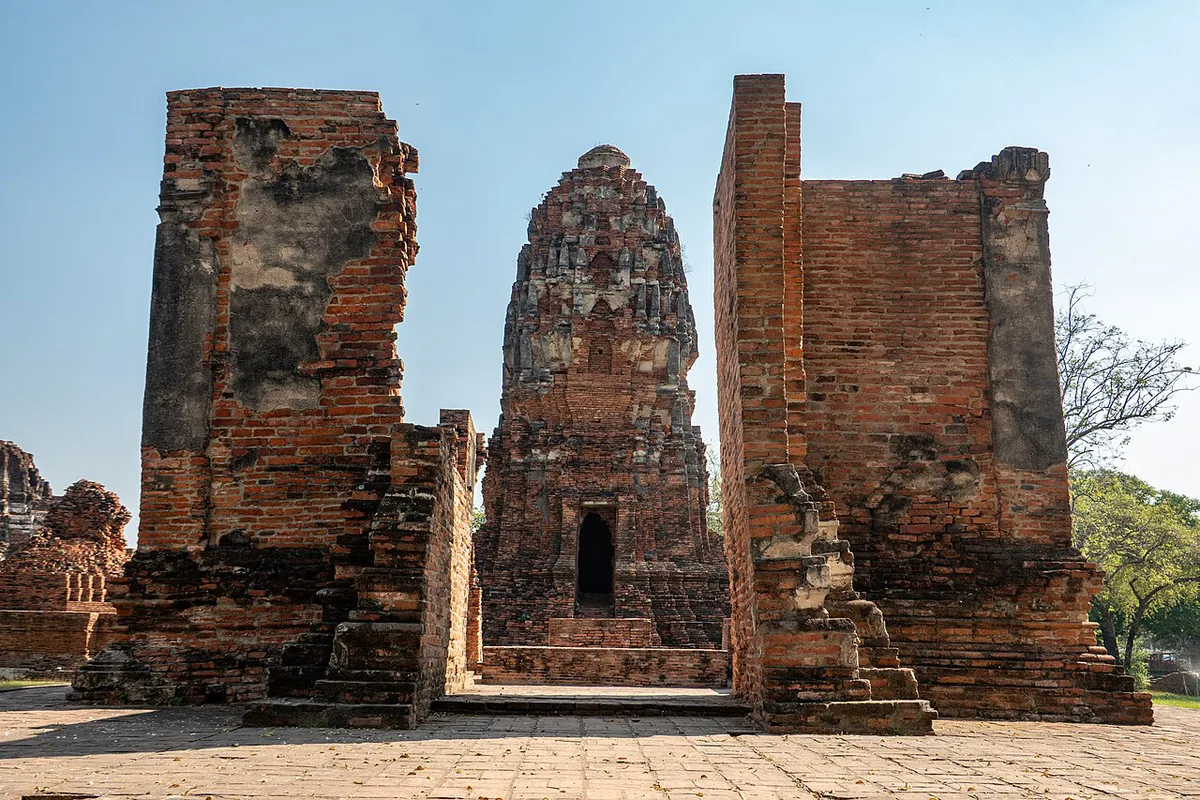
Cool season gives the most reliable window for a full day among the ruins. Mornings are comfortable, and the light is good at Wat Phra Si Sanphet and its three chedis. The downside is crowds, since most visitors target these same months. Weekends fill up with Bangkok day-trippers. Start by 8am, finish the island temples by lunch, then ride out to Wat Chaiwatthanaram for late light. Our guide to Temples in Ayutthaya: Which to Visit, Routes & Costs helps you sequence the stops.
Hot Season (Mar–May)
Hot season can push afternoons past 35°C (95°F), and the ruins offer little shade. Plan for an early start and be done with open sites by late morning. Rest through midday in an air-conditioned café or guesthouse. Carry water throughout the day. Cycling is the first thing to drop. Off-island sites, including Wat Chaiwatthanaram, are easier by tuk-tuk. Our guide to Getting Around Ayutthaya: Bikes, Tuk-Tuks & More covers the options. Evenings cool enough for the night market, which is a strong reason to stay overnight.
Afternoons can pass 35°C (95°F) in March–May, so a Before 8am start matters more than the calendar.

Rainy Season (Jun–Oct)
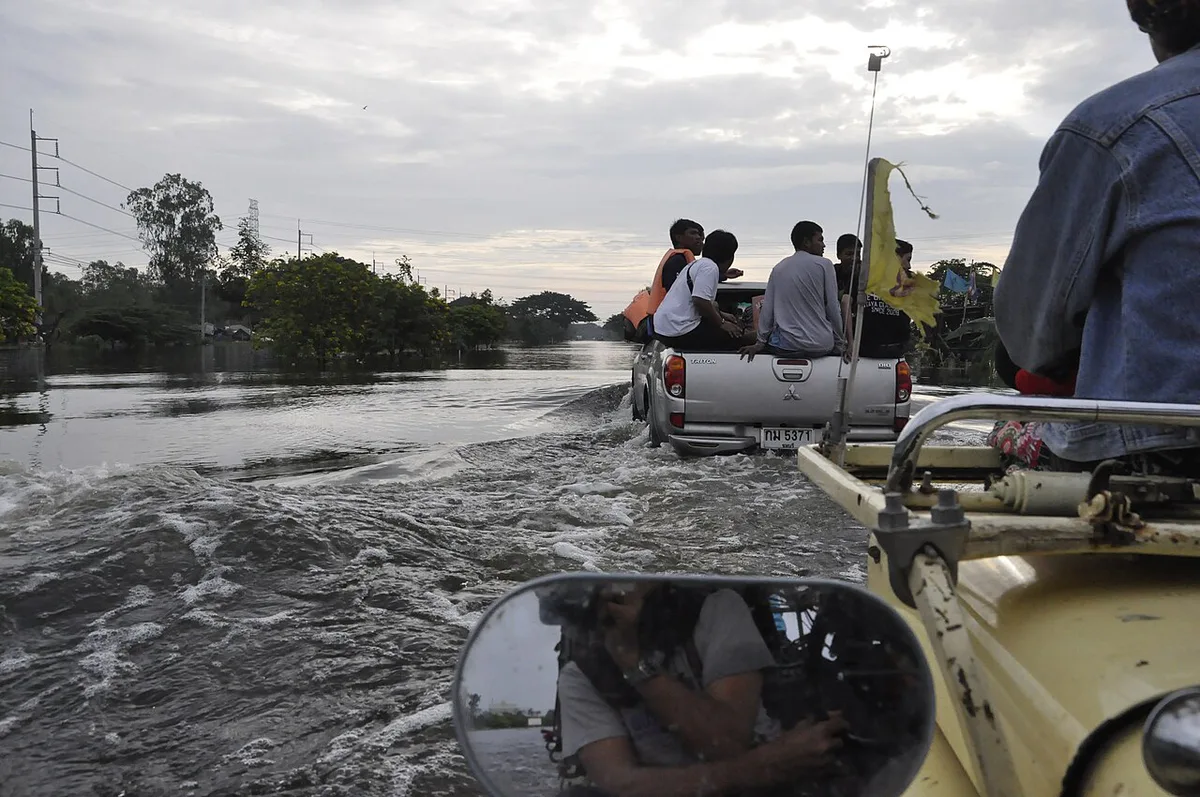
Rainy season brings heavy showers, often in the afternoon, and muddy paths between the ruins. Grounds turn green, which suits photographers who prefer lush scenes to dry brick. Daytime highs are around 32°C (90°F) but feel heavier with humidity. River levels can rise, and some low-lying areas may flood in the wettest years. This can affect transport and access to riverside sites. Check flood advisories from Thai authorities before booking. Keep dates flexible if you can. Our list of Free Things To Do In Ayutthaya: What Costs Nothing (And What Doesn't) offers wet-day ideas, and the floating market is worth checking for current operating patterns.
Month-by-Month Cheat Sheet
Ratings are editorial judgement based on typical seasonal patterns, not measured data. Weather varies each year.
- November: go. Start of the cool season, though rain can linger early in the month.
- December: go. Comfortable temperatures, but expect the busiest crowds.
- January: go. Reliable dry weather for long temple days.
- February: go. Warming up, so favor mornings.
- March: go with care. Heat builds quickly.
- April: go with care. Peak heat, so plan a midday break.
- May: go with care. Heat plus the first rains.
- June: go with care. Showers are common, with fewer visitors.
- July: go with care. Plan around afternoon rain.
- August: go with care. Check river levels first.
- September: skip unless flexible. Flood risk is a bigger concern in the wettest weeks.
- October: skip unless flexible. The rains are easing, but river levels may still be high.
Festivals and Events That Change Your Timing

Songkran and Loy Krathong are the national festivals most likely to affect crowds, prices and road traffic. Neither date is fixed from year to year, and local events at the historical park can change. Confirm dates with the Tourism Authority of Thailand or the provincial tourism office before you commit. Our guide to 7 Best Things to Do in Ayutthaya at Night (2026) helps with evening plans.
Time of Day Matters as Much as Season
Hour of arrival often changes comfort more than the month does. Early starts avoid the heat and the Bangkok day-trippers. Late afternoon suits Wat Chaiwatthanaram, where sunset is the main draw. Use the table below as a starting framework.
| Season | Arrive | Midday | Late afternoon |
|---|---|---|---|
| Cool | Around 8am, island temples | Lunch, then shaded stops | Sunset at Wat Chaiwatthanaram |
| Hot | Before 8am | Indoor break | Riverside temples, then night market |
| Rainy | Morning, before showers | Rain shelter or café | Reassess after the shower passes |

Day Trip or Overnight? How Season Changes the Choice
Ayutthaya is about 80 km from Bangkok, and the train takes roughly 90 minutes. Confirm current services and fares with the State Railway of Thailand. Day trips work best in cool season, when a tight schedule still feels pleasant. Overnight stays make more sense in hot season, because you can rest at midday and return when it cools. Our Bangkok to Ayutthaya guide compares the transfer options. Rainy-season visitors can also stay overnight to avoid being trapped by a storm. For more routes, see Day Trips From Ayutthaya: Times, Costs & Best Picks.
How to Plan Around the Weather
Cover shoulders and knees for temple entry, and wear slip-on shoes you will remove often. In hot season, add a hat and extra water. In rainy season, bring a light rain jacket and a dry bag. Build a fallback list for wet days: a long lunch from Ayutthaya Food Guide: What to Eat & Where to Try It, a table at one of the 8 Best Restaurants in Ayutthaya: Local Picks by Situation, or a covered market. Choose cancellation-flexible bookings during the rains, and check the terms on any tour before you pay. For site-by-site ideas, see Ayutthaya Ruins: Which to Visit, Tickets & Routes.

Costs and Crowds by Season
Entry fees do not change by season. As of 2026, one reported rate is ฿80 for a single major temple and ฿300 for a multi-temple pass. Verify both with the Fine Arts Department, including which sites the pass covers. Seasonal swings show up in accommodation and tour pricing, which we cannot quote reliably. Expect higher rates in the cool months and better value in rainy months, but check current rates directly. A pass is worth more in cool season when you can visit several sites in one day. Heat can cut your sightseeing, which makes ฿300 less efficient. Start from our main guide to 10 Best Things to Do in Ayutthaya: Temples & Tips.
With midday heat cutting sightseeing short, a ฿80 single-temple rate can make more sense for a morning than the ฿300 pass.
Common Mistakes When Timing Your Visit
Avoid these planning errors.
- Arriving at noon in March–May, when the ruins have little shade.
- Skipping the forecast and flood advisories before a rainy-season trip.
- Assuming all seven pass temples are on the island. Three are off it and need transport.
- Booking non-refundable tours without checking cancellation terms.
- Crowding too many stops into a cool-season day trip.
Frequently Asked Questions
Is Ayutthaya close to Bangkok?
Yes. Ayutthaya is about 80 km north of Bangkok, and the train takes roughly 90 minutes. Check current timetables and the terminal your service departs from before you travel.
Notes for your Thailand trip
Optional updates when we add or change a town or island guide.
You might also like

Continue reading
More guides you'll find useful