Best Time to Visit Hat Yai: Month-by-Month Guide
Hat Yai's best months, rainy season and flood risk, plus festivals, costs, rain-day plans and what to book flexibly in each season.
On this page
Last updated November 2026: the best time to visit Hat Yai is January to February, when February rainfall drops to about 57 mm over 3 rainy days. Avoid November and December if you can. November averages about 359 mm over 21 rainy days. Daytime heat barely moves through the year, so rain decides your trip.
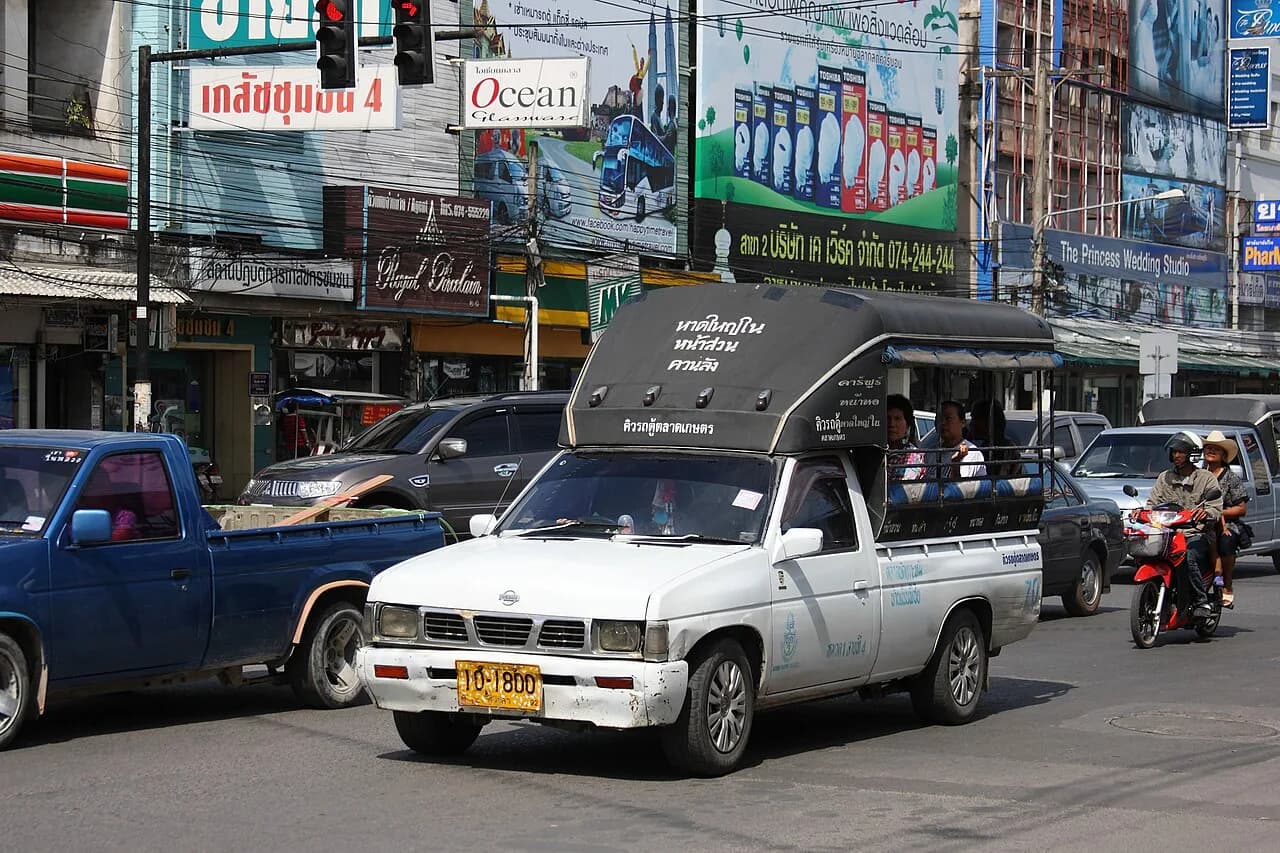
Featured image: TomMumuPangPangEmma, CC0, via Wikimedia Commons.
Best Time to Visit Hat Yai: The Short Answer
Aim for January or February. February is the driest month, with humidity near 77%, and January is rated the most comfortable month in one climate dataset. March and April are sunnier but hotter, with daytime highs of about 34°C (93°F). November is the opposite: humidity reaches about 85% and sunshine falls to roughly 3.6 hours a day. Plan the full trip around our Hat Yai sightseeing guide once you pick a month. Still weighing the trip itself? Read whether Hat Yai is worth visiting first.
Hat Yai Weather by Month
Climate figures come from a Songkhla station about 25 km (15 miles) away, so treat them as a close guide rather than a Hat Yai reading. Official normals are published by the Thai Meteorological Department. Yearly rainfall is about 2,096 mm, and sunshine totals about 1,896 hours. March is sunniest at roughly 205 hours. November is cloudiest at roughly 108 hours. The table groups months by season because only some months have a verified figure.
| Season | Rain and feel | Verdict | Best for |
|---|---|---|---|
| Jan-Feb | Driest stretch; February about 57 mm, humidity about 77% | Best | Sightseeing, markets, day trips |
| Mar-Apr | Sunniest; highs up to 34°C (93°F) | Good, hot | Early starts, malls, evening markets |
| May-Aug | Highs near 34°C (93°F); rain is not the main issue in this dataset | OK | Flexible, lower-cost trips |
| Sep-Oct | Wet season builds; highs about 33°C (91°F) to 32°C (90°F) | Mixed | Short stays with rain backups |
| Nov-Dec | Wettest; November about 359 mm; highs about 31°C (88°F) | Avoid if possible | Only with flexible bookings |
Hat Yai's Seasons Explained
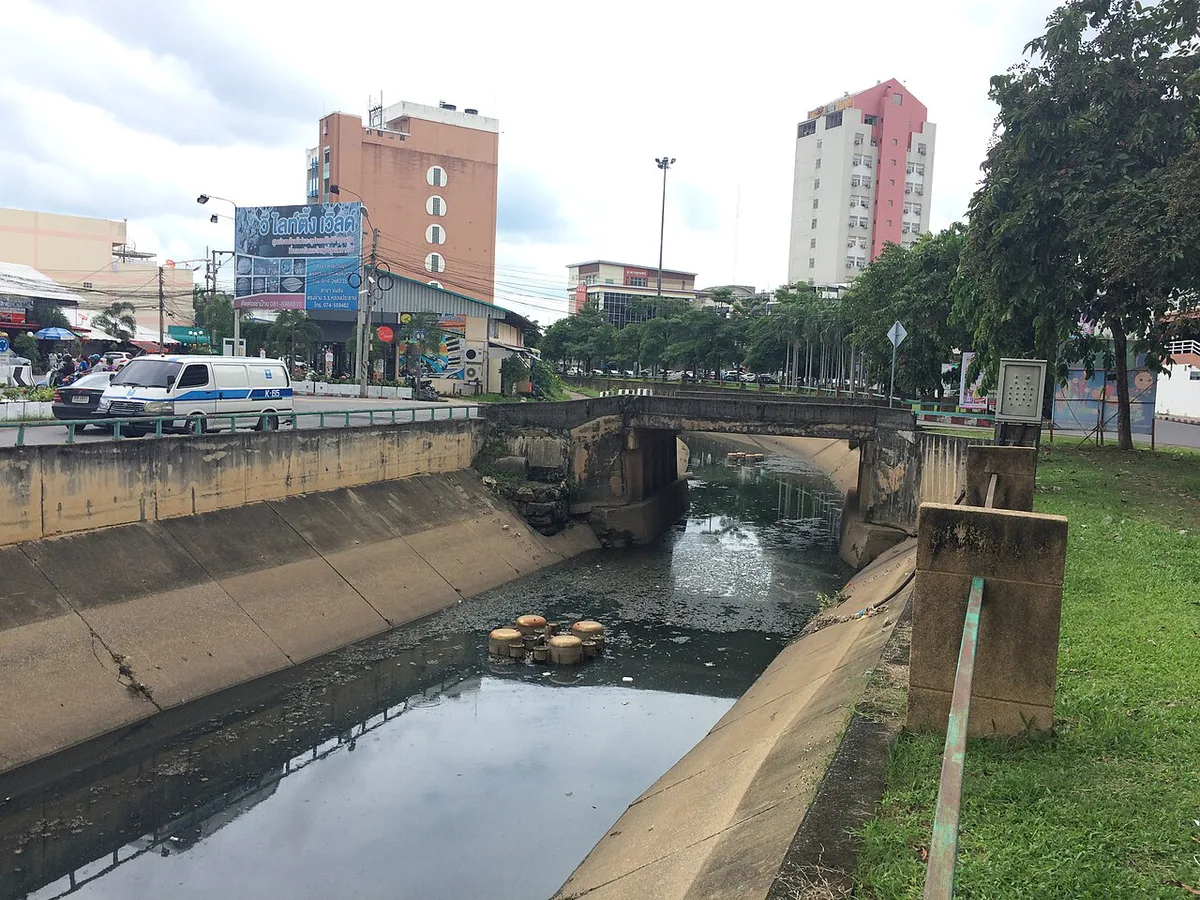
Hat Yai sits in a tropical monsoon pattern on the Malay Peninsula. Daytime highs run from about 31°C (88°F) in December to about 34°C (93°F) in April. Night lows stay between 24°C (75°F) and 25°C (77°F). That narrow spread means rain, humidity and cloud decide comfort, not temperature. One dataset places the distinct rainy season in September to December. Package sellers sometimes call November to February dry, which conflicts with the November rainfall figures. Check Thai Meteorological Department notices for mid-year monsoon showers before booking May to August.
Best Months by Traveler Type
Match your priority to a month, then keep a rain fallback.
- Sightseeing and day trips: late January to February. Fallback: swap outdoor stops for indoor ones.
- Food and night markets: any month works. February has the lowest rain risk for outdoor stalls. See Hat Yai night markets for evening plans.
- Waterfall visitors: after the rains ease. Ton Nga Chang is about 30 km from Hat Yai, and one source says it looks best after the rainy season. Check access status after flooding.
- Floating market visitors: pick a dry morning. Read about the Khlong Hae floating market before you go.
- Festival visitors: Chinese New Year in late winter. Confirm that year's date locally.
- Malaysia weekend visitors: January to April gives the steadiest weather. Nov-Dec is riskier for border-side plans.
Rainy Season and Flood Risk: What to Know Before You Book
Be honest about Nov-Dec. Time Out reported that on November 22, 2025, Hat Yai and Songkhla received the highest rainfall in about 300 years of records. The same report found downtown cafes, shops and markets reopened by early March 2026, though some venues were still finishing repairs. Lanes near the Toei River were reportedly two metres underwater. Book refundable rooms through Hat Yai accommodation options if you travel in the wet months. Buy travel insurance that covers weather disruption. Check airline and airport notices a few days before departure, and follow Thai disaster-prevention alerts. Describe recovery status cautiously: conditions change by neighborhood.
Festivals and Events by Month
Chinese New Year is the one festival with solid evidence here. Time Out described dragon dances with about 20 dancers, firecrackers on a main downtown thoroughfare, and crowds at the Taw Maha Phrom hilltop temple. Dates move each year, so verify them with the Tourism Authority of Thailand before booking. A package seller also lists a Songkran celebration in April. Treat that as unconfirmed and check local listings. Skip any festival plan that depends on a date you cannot confirm.
Dragon dances with about 20 dancers mark Chinese New Year. That late-winter window also includes February, the driest month, though festival dates shift each year.
Costs, Crowds and Booking Timing
Hotels usually cost less in the wet months and more in the cool, dry window, but no sourced room rate exists for Hat Yai. Food is steadier. Time Out reported dim sum plates at Cook Chai Dim Sum from ฿25, and queues are common in any season. Compare rooms yourself for your exact dates, using stay options by area as a start. Book January and February earlier. Leave November and December for last-minute, refundable deals. Eat well in every season with the Hat Yai food guide.
What to Do in Hat Yai When It Rains
Rain does not end a Hat Yai day. The Princess Maha Chakri Sirindhorn Natural History Museum is indoors, and Central Festival mall is air-conditioned. Dim sum breakfast works in any weather, and you can pick spots from the 10 Best Restaurants in Hat Yai: Where to Eat by Dish. Covered temple halls also work, as you will see in Temples in Hat Yai: Best Wats, Etiquette and a Half-Day Route. Evenings are harder in heavy downpours, so check things to do at night for covered options. Skip the cable car to Taw Maha Phrom in storms. Treat waterfall visits as dry-day only.
Cook Chai Dim Sum plates start from ฿25, which makes a dim sum breakfast an easy rain-day plan in any month.
Getting There and Around by Season
Pack a light rain jacket and breathable clothes in every month, since highs stay above 31°C (88°F). Add sandals that dry fast for Nov-Dec. Check the Hat Yai airport guide for arrival options. Long-distance rail times are on the State Railway of Thailand site, and the Bangkok to Hat Yai: Train, Bus or Flight Compared guide compares routes. Time Out calls Hat Yai the main transport hub of southern Thailand, with minibuses to Koh Lipe and Koh Phangan. Confirm services on the day in flood weather. Use local transport tips for short hops.
Mistakes to Avoid
Do not assume a dry winter, because November is the wettest month. Avoid packing only for heat. Book day trips with a rain-day switch. Skip Songkhla coast activities in monsoon surf. Lock in refundable rooms before you pay for tours.
Notes for your Thailand trip
Optional updates when we add or change a town or island guide.
You might also like


Continue reading
More guides you'll find useful