Best Time to Visit Kanchanaburi: Month-by-Month Guide
Best time to visit Kanchanaburi: cool, dry Nov-Feb for most, rainy season for full waterfalls. Month-by-month weather, crowds and trip-planning tips.
On this page
Last updated November 2026: the best time to visit Kanchanaburi is roughly November to February, when days are dry and highs sit near 32°C (90°F). Choose March to May only if you can plan around 38°C (100°F) afternoons. Pick the rainy months if you want full waterfalls and thinner crowds, and use our Kanchanaburi activity guide to match each season to a sightseeing day.
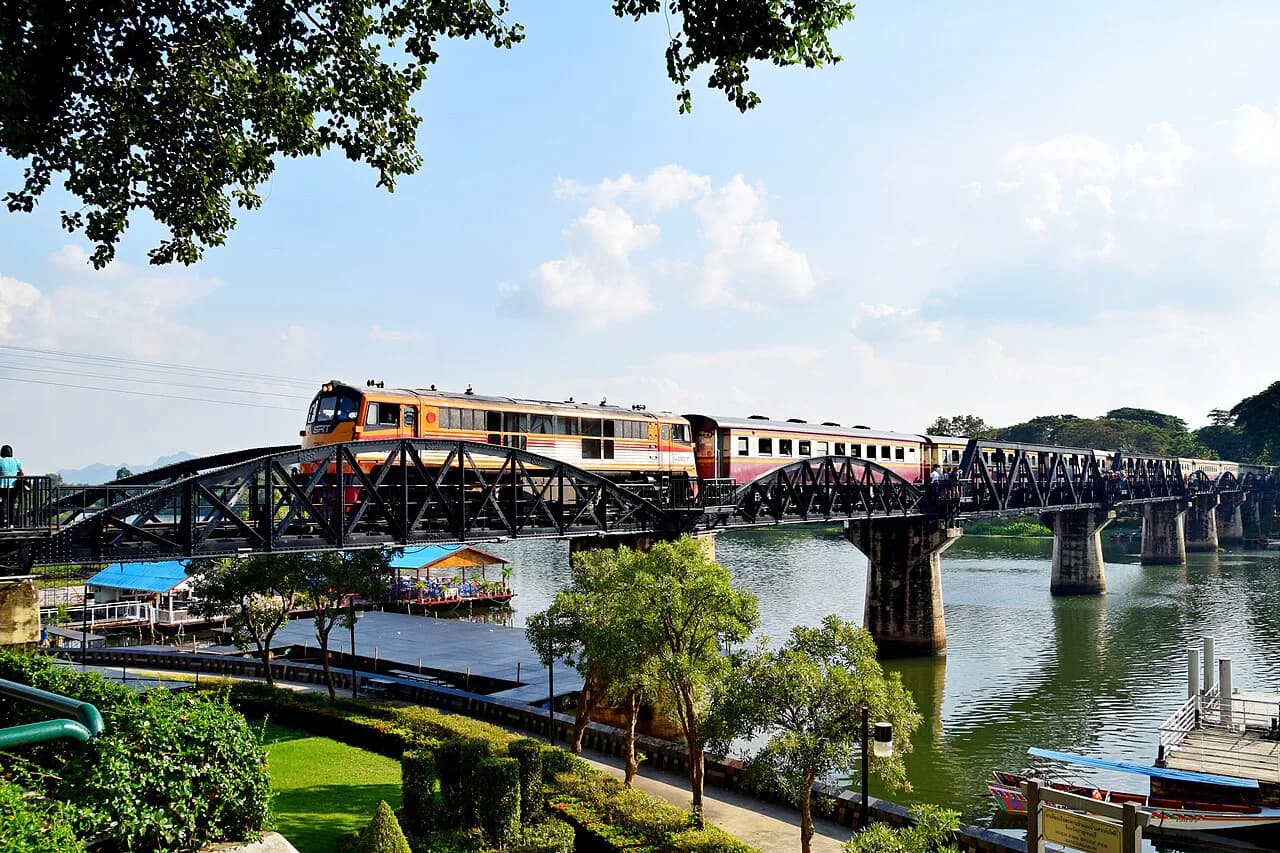
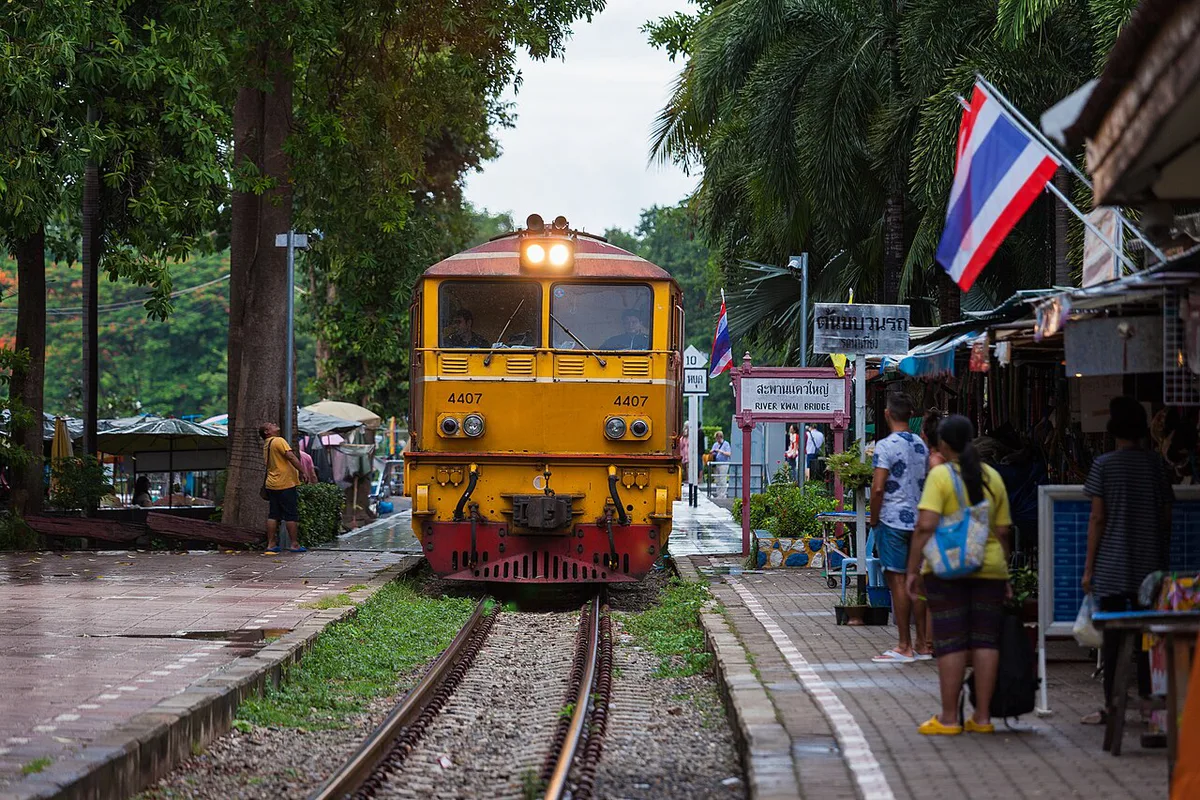
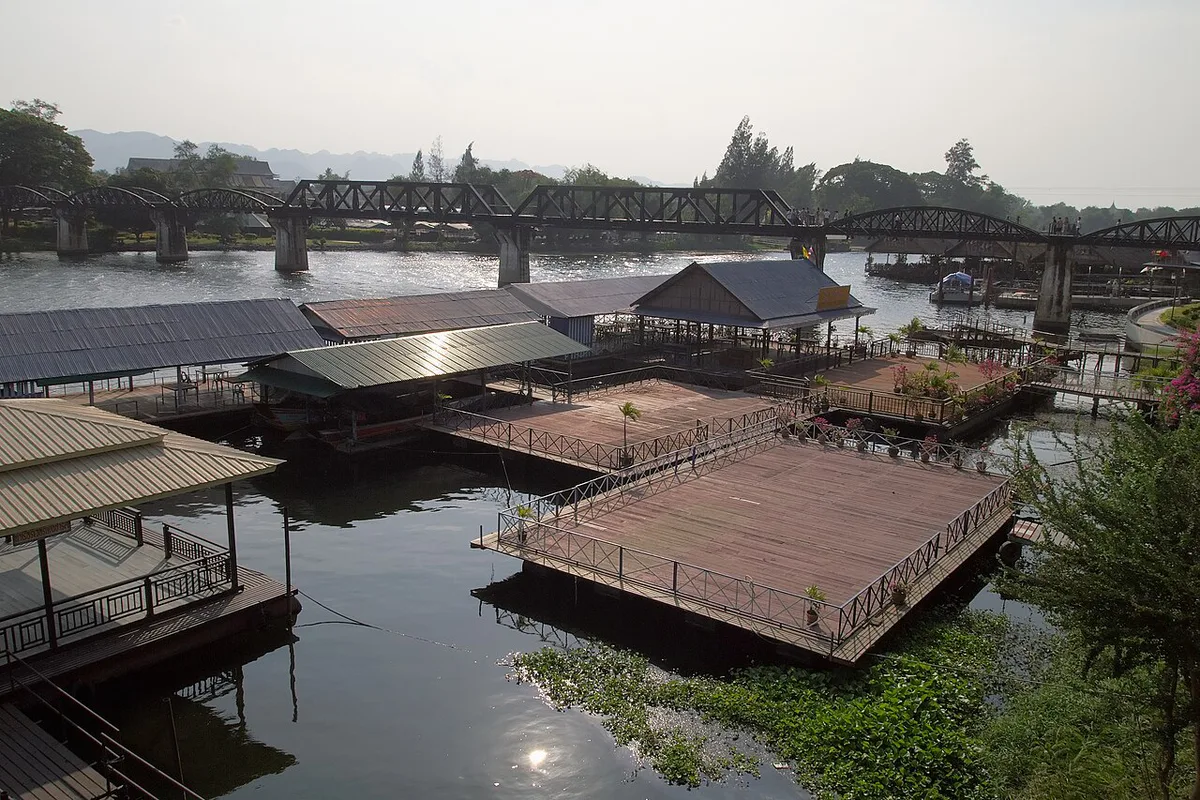
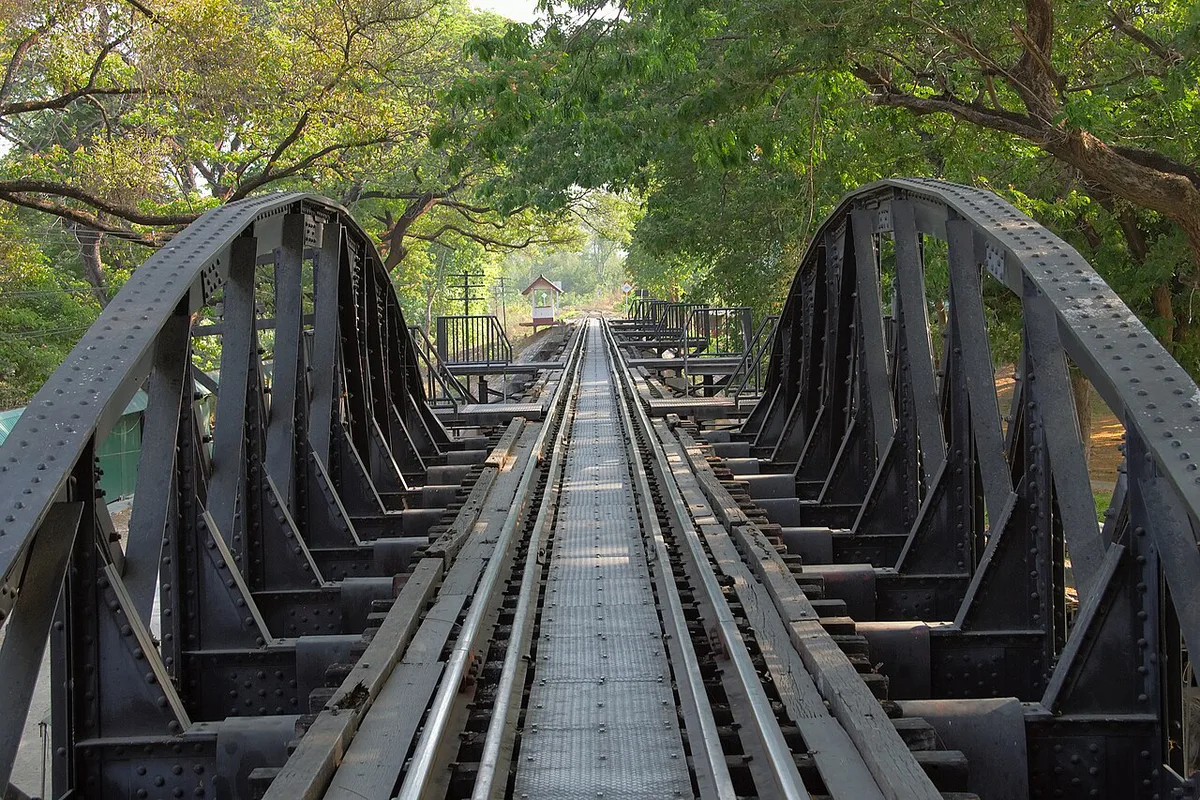
Featured image: Krzysztof Golik, CC BY-SA 4.0, via Wikimedia Commons.
Best Time to Visit Kanchanaburi at a Glance
No single month wins on weather, waterfalls and price at once. Cool-season weather is the most reliable, with about 1 rainy day in both December and January. Rainy-season falls are fuller, and hot-season mornings are quiet but short. Season boundaries shift from year to year, so check the Thai Meteorological Department for current normals before you book.
| Season | Weather feel | Waterfalls | Crowds and prices | Best for |
|---|---|---|---|---|
| Cool and dry (Nov-Feb) | Highs 32-35°C (90-95°F), 1-4 rainy days a month | Good flow early on, clear water | Busiest, book ahead | Bridge, Hellfire Pass, cemeteries, riverside walks |
| Hot (Mar-May) | Highs 37-38°C (99-100°F) in Mar-Apr | Flow drops late in the dry season | Songkran spike in mid-April, quieter otherwise | Early starts, museums, river swims |
| Rainy (roughly May/Jun-Oct) | Highs 32-36°C (90-97°F), 10-14 rainy days a month | Fullest, peaking Aug-Sep per one operator | Fewest visitors, lower rates | Waterfalls, green scenery, rafting |
Month-by-Month Guide
Figures below come from a third-party climate site using Kanchana Buri station normals. Treat them as a planning guide and verify against TMD. January and December are the driest, with a median of about 3 mm (0.1 in) of rain. September is the wettest, with a median near 206 mm (8.1 in) and 14 rainy days.
| Month | Typical high | Rainy days | Note |
|---|---|---|---|
| Jan | 33°C (91°F) | 1 | Driest, but worst air quality |
| Feb | 35°C (95°F) | 1 | Dry, warming up |
| Mar | 37°C (99°F) | 3 | Hot, still mostly dry |
| Apr | 38°C (100°F) | 4 | Peak heat, Songkran |
| May | 36°C (97°F) | 10 | Rains arrive |
| Jun | 35°C (95°F) | 10 | Green and wet |
| Jul | 34°C (93°F) | 11 | Showers frequent |
| Aug | 34°C (93°F) | 11 | Cleanest air |
| Sep | 34°C (93°F) | 14 | Wettest month |
| Oct | 32°C (90°F) | 12 | Still wet |
| Nov | 32°C (90°F) | 4 | Rain fades, sunset near 17:51 |
| Dec | 32°C (90°F) | 1 | Dry and cool-feeling |
Cool and Dry Season (Nov-Feb)
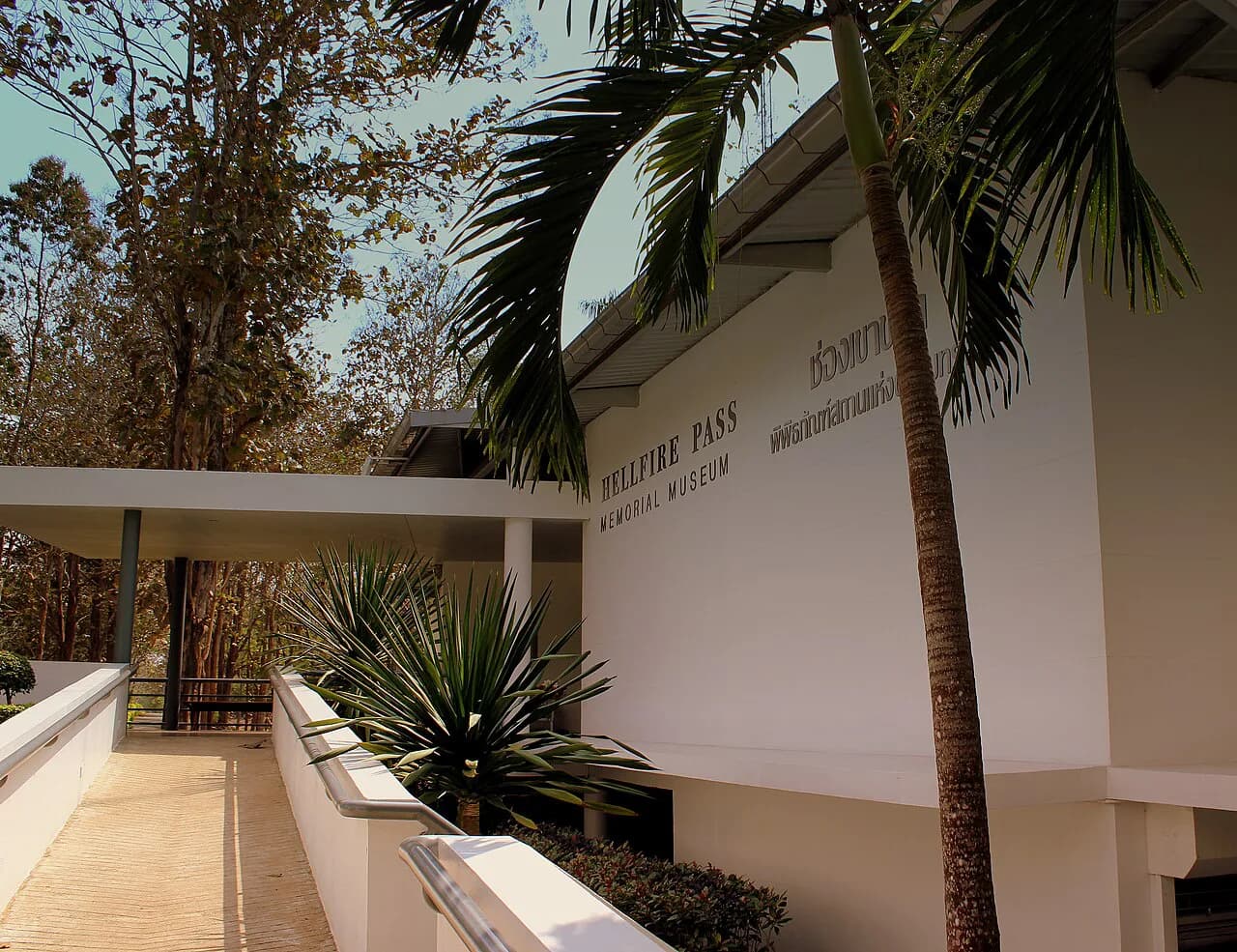
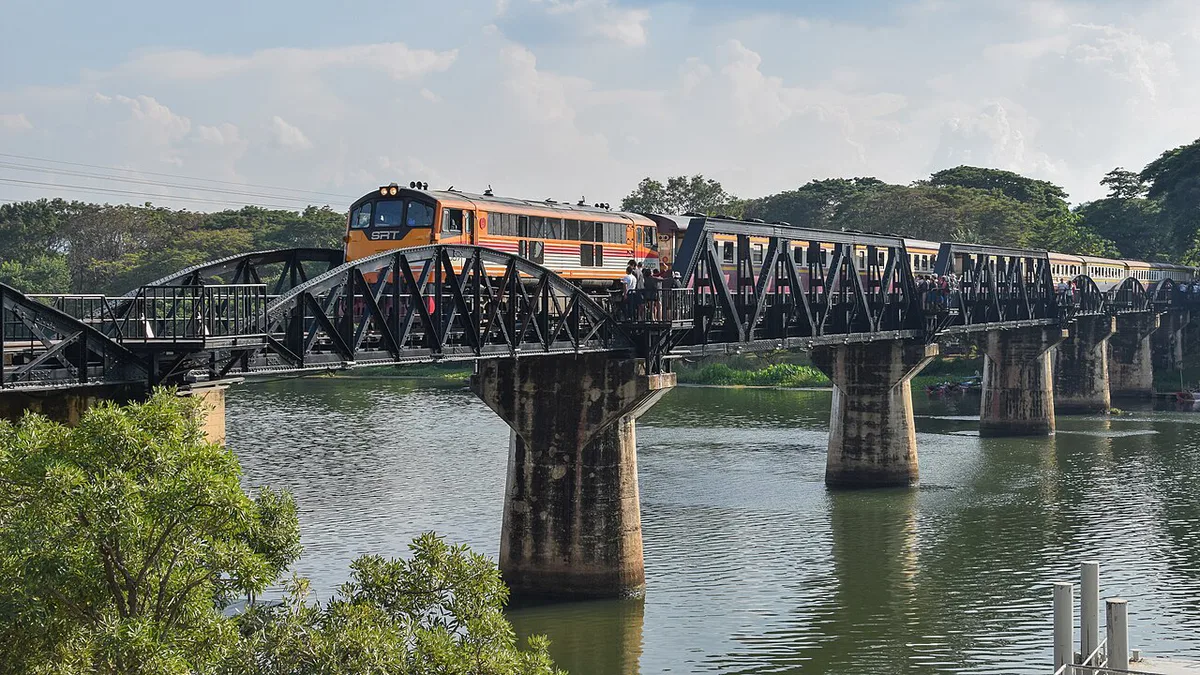
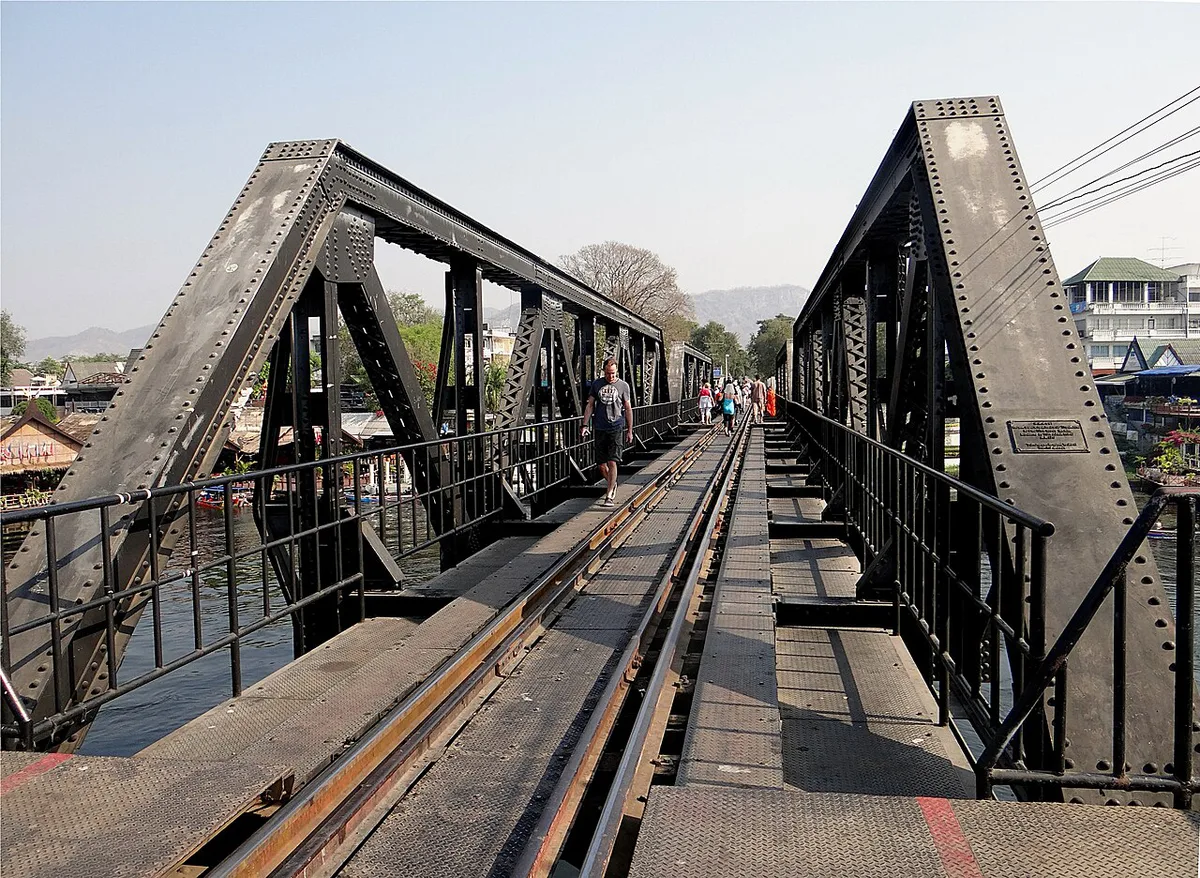
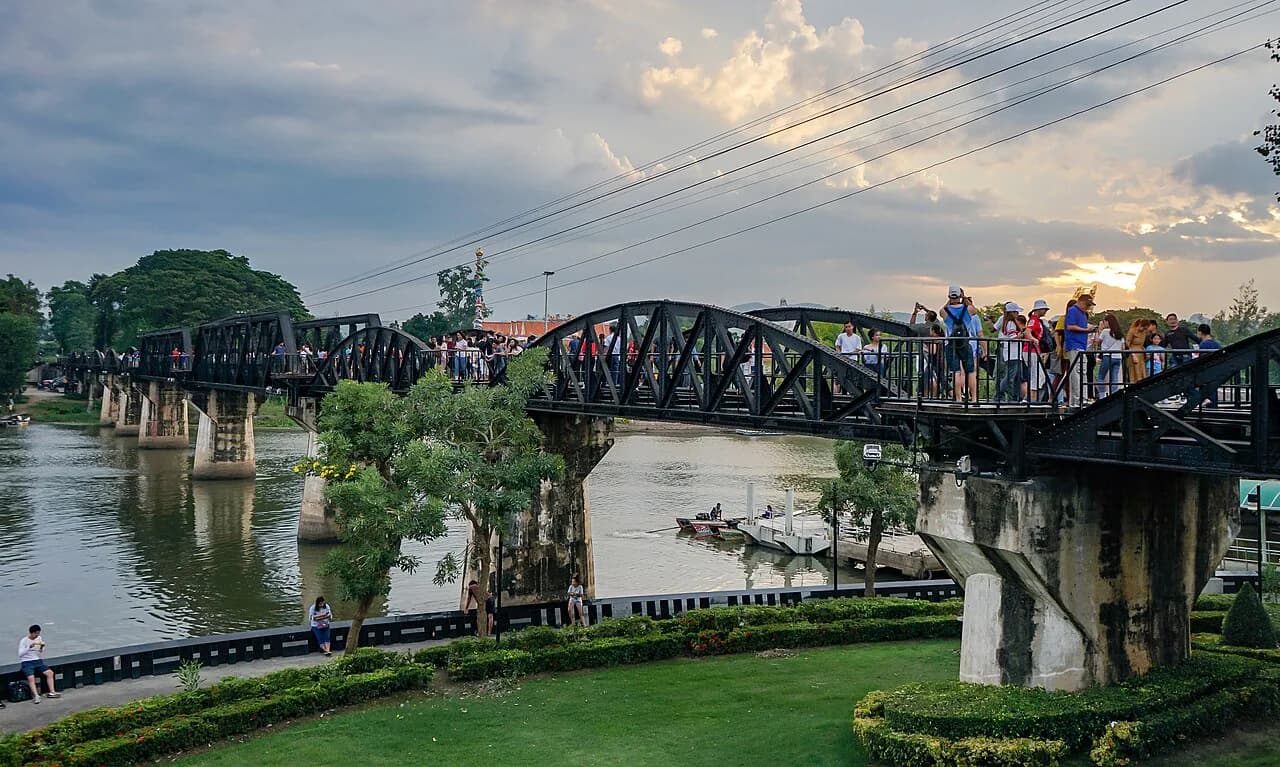
Most visitors should aim here. A walk across the Bridge on the River Kwai is comfortable at 32°C (90°F), and long days at Hellfire Pass and the war cemeteries are realistic. Visitor counts peak in January, so reserve rooms early for weekends in December to February. Air quality is the catch. January averages about 43 µg/m³ of PM2.5 at the Kanchanaburi station, so pack a mask and do river walks early. Evenings are pleasant for the Kanchanaburi Night Market: Hours, Access & Tips. Sunset comes as early as 17:51 in November, so plan outdoor stops before then.
Hot Season (Mar-May)
April is the hardest month. The average high reaches 38°C (100°F), and the afternoon heat index is about 42°C (108°F). Start outdoor sites at first light and retreat indoors at midday to museums and cafés. Erawan flow also drops late in the dry season, so waterfall visits disappoint more often in April. Songkran runs 13-15 April, with street water fights and booked-out transport and rooms. Book early or avoid those three days. For evenings after a hot day, see the 5 Best Restaurants in Kanchanaburi: Where to Eat by Area (2026).
Rainy Season (Roughly May/Jun-Oct)
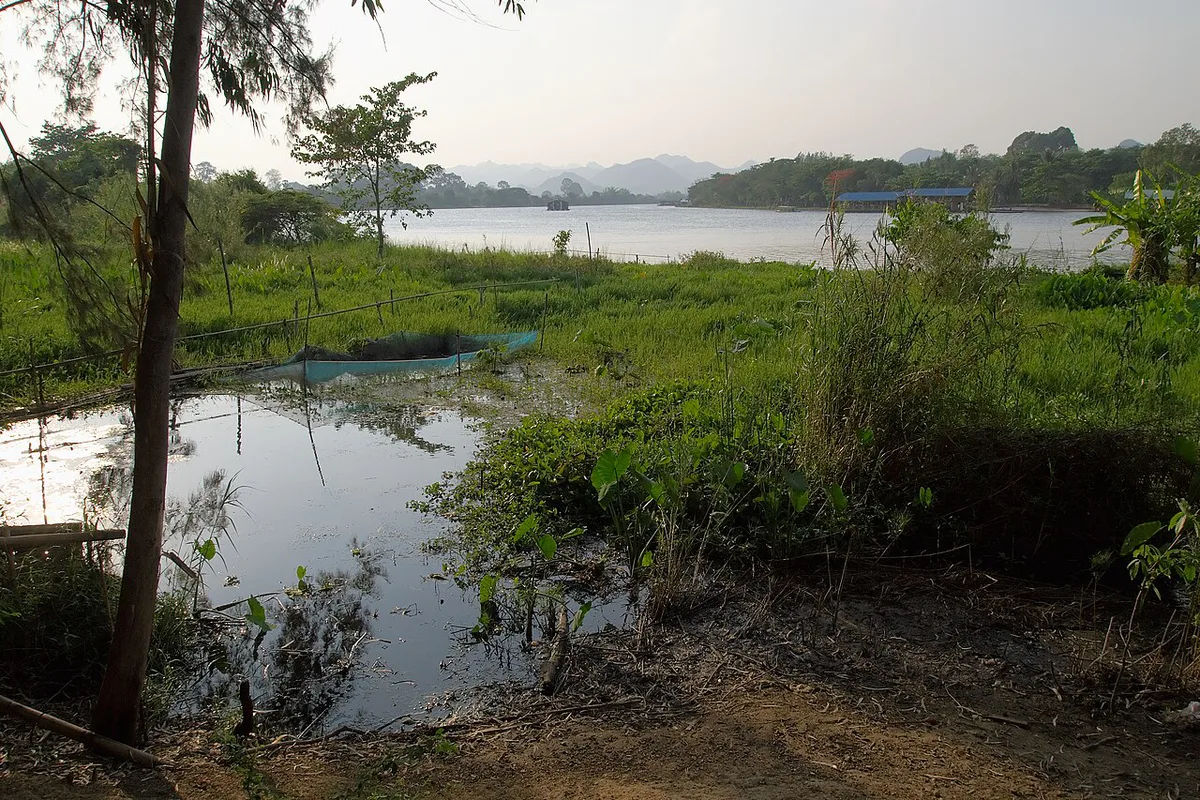
Rain does not mean constant rain. May to August see 10-11 rainy days a month, so many days stay open for sightseeing. Waterfalls fill, forests turn green, and rafting is at its best. One operator reports Erawan and Sai Yok falls at their most active in August and September. Costs are slippery trails, possible closures and a wet stretch from September to October, with 12-14 rainy days. Check current park rules before you go. On wet days, switch to cave temples and temple stops or the Thailand-Burma Railway Centre museum. Group longer outings into Day Trips From Kanchanaburi: Erawan, Hellfire Pass & More on drier mornings.
Best Time by Traveler Type
Match your priority to a season, then plan around its main drawback.
- Waterfall chasers: go late in the rainy season or in November for strong flow. Expect slippery trails.
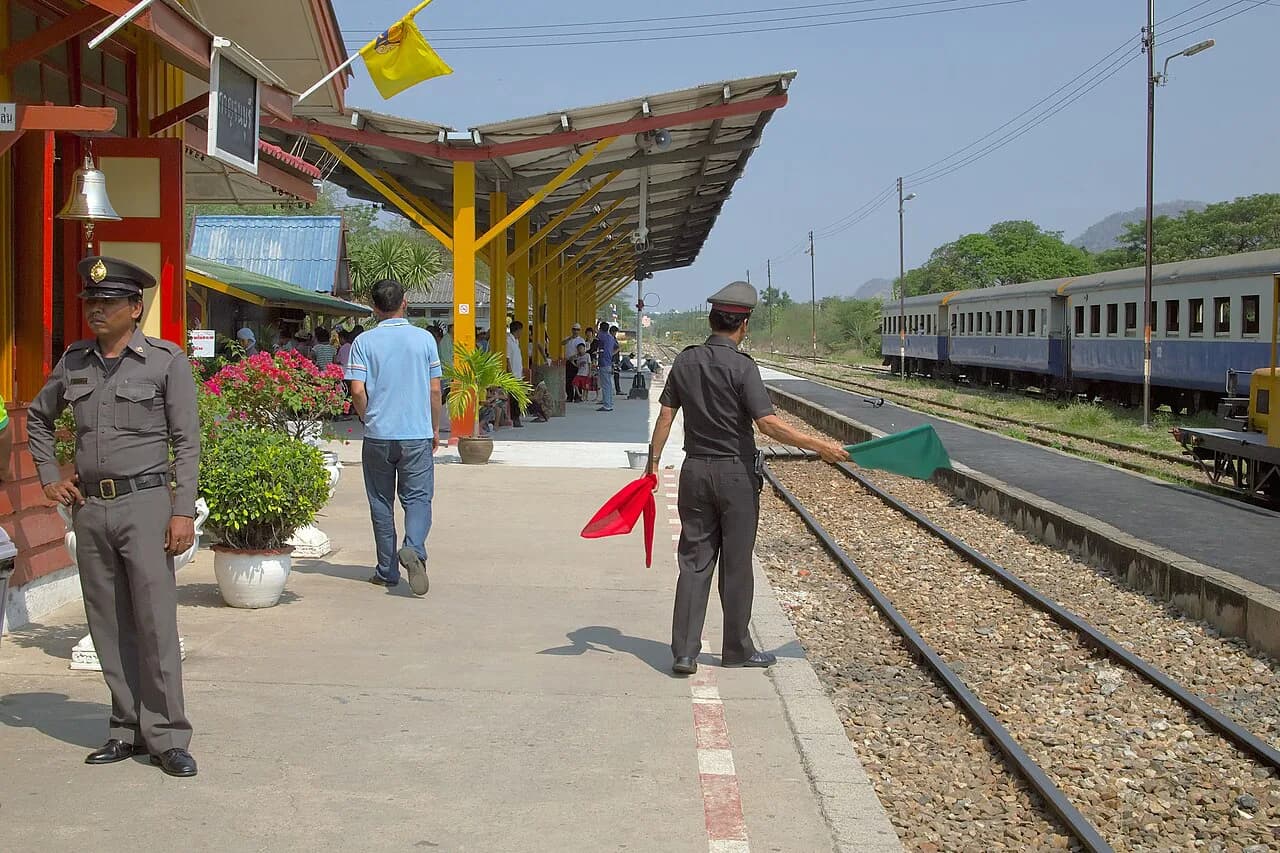
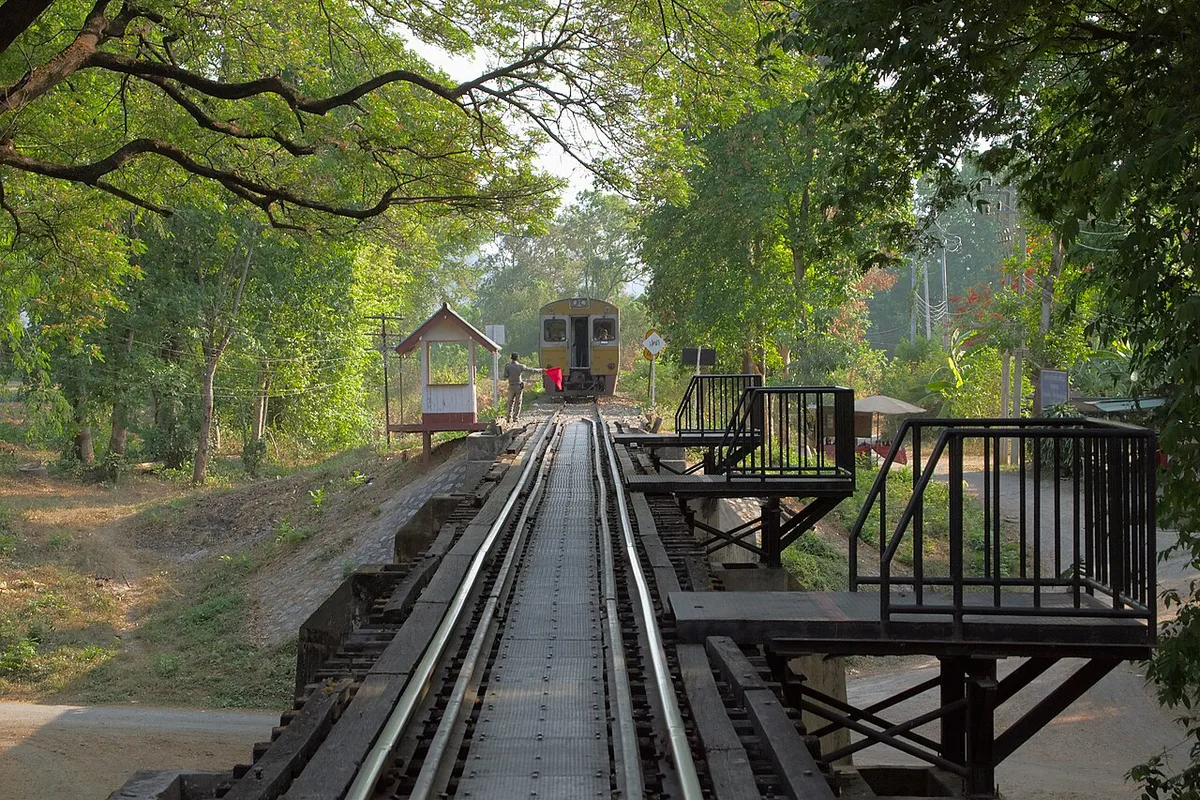
- History and Death Railway visitors: go November to February for comfortable walking. Check train times with the State Railway of Thailand.
- Hikers: choose mid-November to early March, when trails are less slippery per one local guide.
- Budget travelers: choose May to October, when demand is lowest.
- Heat or air-quality sensitive: pick November or December, before the January haze peaks.
- Photographers: green scenery in June to October, clear light in December.
Events and Costs
Songkran (13-15 April) and New Year drive the sharpest demand, and road-safety caution is advised at both. Check current dates for the River Kwai Bridge Festival before you plan around it. We have no sourced room rates, so verify prices on current listings. As an illustration only, not a quote: a room at ฿1,000 in a quiet week may cost noticeably more in peak weeks. Set a ฿ budget ceiling and compare dates before you commit. Book transport and rooms early for December to February weekends and for Songkran.
Songkran runs 13-15 April, the same month as the 38°C (100°F) average high, so festival crowds stack on top of midday heat.
Getting There and Around by Season
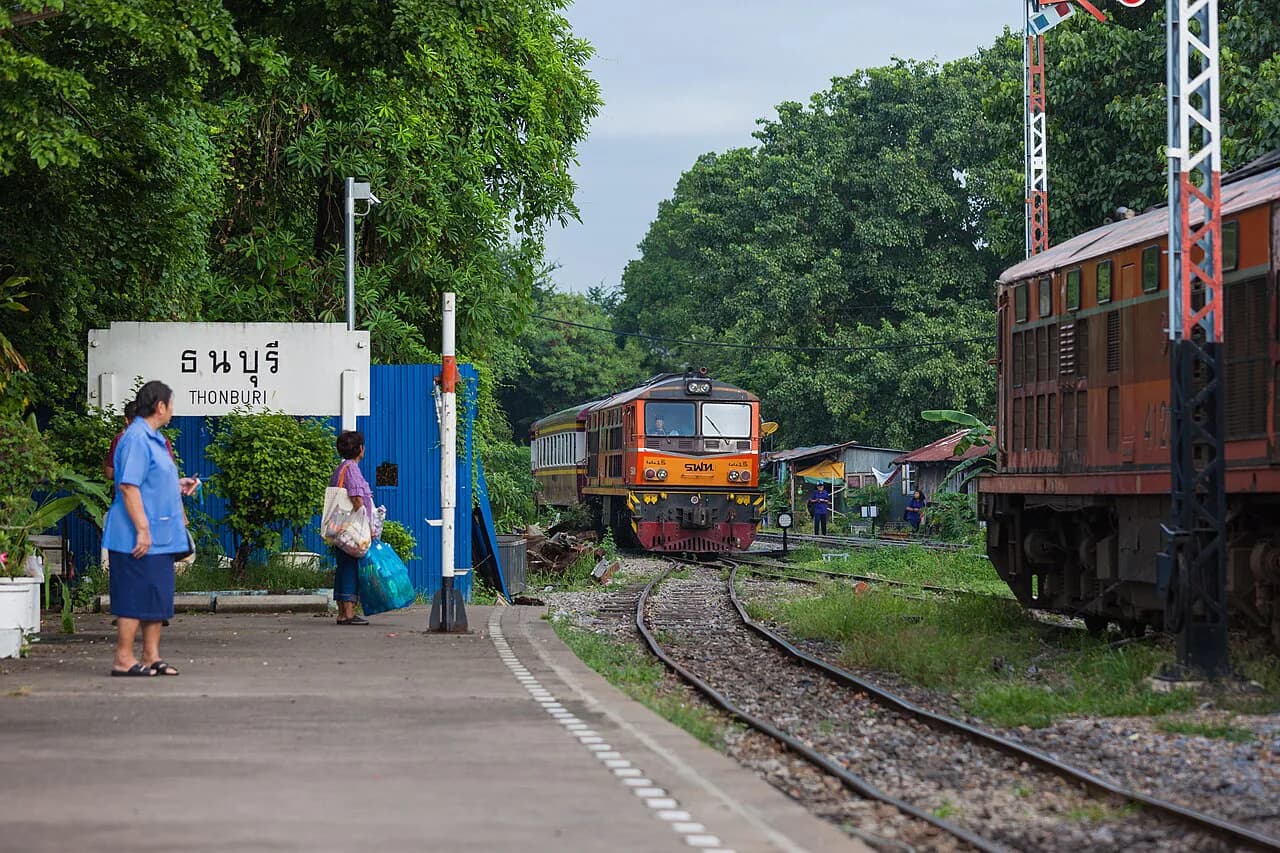
Kanchanaburi is about 100 miles (160 km) from Bangkok, a 2-3 hour road journey. Don Mueang is about 73 miles (117 km) away and Suvarnabhumi about 85 miles (137 km), measured in straight lines. Our Bangkok to Kanchanaburi guide covers bus, train and van options. In the cool season, an overnight stay beats a day trip because dusk comes early. In April, an overnight lets you do sites at dawn. Heavy rain slows roads and trails, so leave buffer time. Our Getting Around Kanchanaburi: Bike, Tuk-Tuk, Train & Bus page covers local transport. Buses are the usual route to Erawan.
Reaching it from Bangkok takes a 2-3 hour road journey, and sunset falls as early as 17:51 in November.
Mistakes to Avoid
Do not visit Erawan on a hot-season weekend afternoon. Do not skip heat planning in April. Do not assume the rainy season means constant rain. Do check air quality in January and February. A short stay still works, as our guide on whether Kanchanaburi is worth visiting explains. For late nights, see Kanchanaburi Nightlife: Riverside Bars, Live Music & Night Markets. Emergency numbers as listed by one travel guide (verify before travel):
- 191: police and emergencies
- 1155: tourist police, English-speaking
- 1669: public ambulance
- 199: fire
- 1193: highway police
Frequently Asked Questions
How long do I need in Kanchanaburi?
Plan at least 2 days. That covers the bridge, Hellfire Pass and the cemeteries without rushing.
Is River Kwai worth visiting?
Yes, especially from November to February, when walking the bridge and nearby sites is most comfortable. Heat in April and rain in September make it harder.
Notes for your Thailand trip
Optional updates when we add or change a town or island guide.
You might also like

Continue reading
More guides you'll find useful