Best Time to Visit Chiang Rai: Month-by-Month Guide
Best time to visit Chiang Rai: November to February is coolest and clearest, but each season has trade-offs. See months, haze, rain, crowds and planning tips.
On this page
Last updated November 2026: the best time to visit Chiang Rai is November to February, when mornings run cool and skies are clearest. Hot-season smoke and rainy-season showers change what you can do, so each season suits a different traveler. Use this guide to match months to your plan.
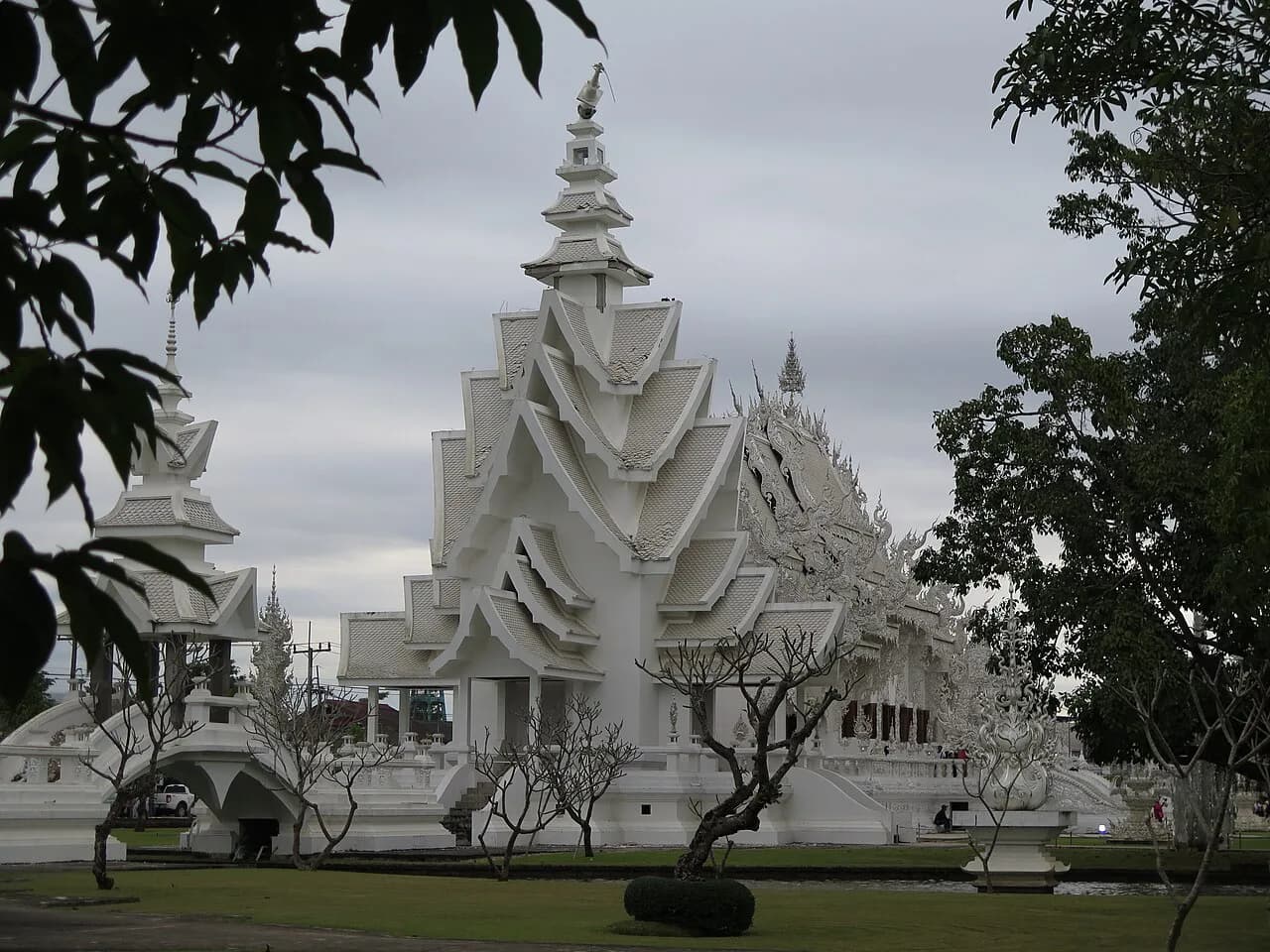
Featured image: Chainwit., CC BY-SA 4.0, via Wikimedia Commons.
Best time to visit Chiang Rai: the short answer

Pick November to February for comfortable sightseeing. One travel guide lists daytime temperatures of about 15–28°C (59–82°F) in those months, with cool mornings and evenings. March to May is hot and dry, and field-burning smoke can cut visibility and air quality. June to October is green, quieter and showery. Match the season to your priorities rather than chasing one perfect month. Our Chiang Rai sightseeing guide covers what to do once you pick your dates. Weather and haze vary year to year, so check forecasts before booking.
Chiang Rai by season at a glance
Temperature ranges below come from one travel guide and should be checked against the Thai Meteorological Department. Treat crowd and price columns as relative, not quoted rates.

| Season | Typical temperature | Rain | Haze risk | Crowds and prices | Best for |
|---|---|---|---|---|---|
| Cool, Nov–Feb | 15–28°C (59–82°F) | Dry | Lower; check live readings | Highest demand | Temples, viewpoints, evening markets |
| Hot, Mar–May | 30–36°C (86–97°F) | Dry | Highest, from field burning | Varies; confirm when booking | Indoor-heavy trips for people unaffected by smoke |
| Rainy, Jun–Oct | 24–32°C (75–90°F) | Mostly afternoon or evening showers | Low to moderate; check readings | Fewer tourists | Green scenery, flexible budgets, waterfalls |
Month-by-month guide
Boundaries between seasons blur, and no single month is guaranteed. Use these entries as a planning frame, then check current conditions.
- November: cool season begins. Expect clearer skies and the start of peak demand. Watch-out: book popular stays early.
- December–January: coolest mornings. Bring a light jacket for early starts and evenings. Watch-out: busiest weeks cluster around year-end.
- February: still cool and dry. Good for viewpoints and cycling. Watch-out: smoke can start building late in the month.
- March–April: heat and smoke risk climb. Plan temples for early morning and rest midday. Watch-out: poor air quality can flatten viewpoint photos.
- May: hot, with the first showers arriving as the season turns. Watch-out: conditions swing, so keep plans flexible.
- June–September: green landscapes and showers, usually later in the day. Watch-out: trails and roads get slippery.
- October: rains taper off and the cool season approaches. Watch-out: check river and trail conditions before waterfall trips.
Cool season (Nov–Feb): best weather, busiest crowds
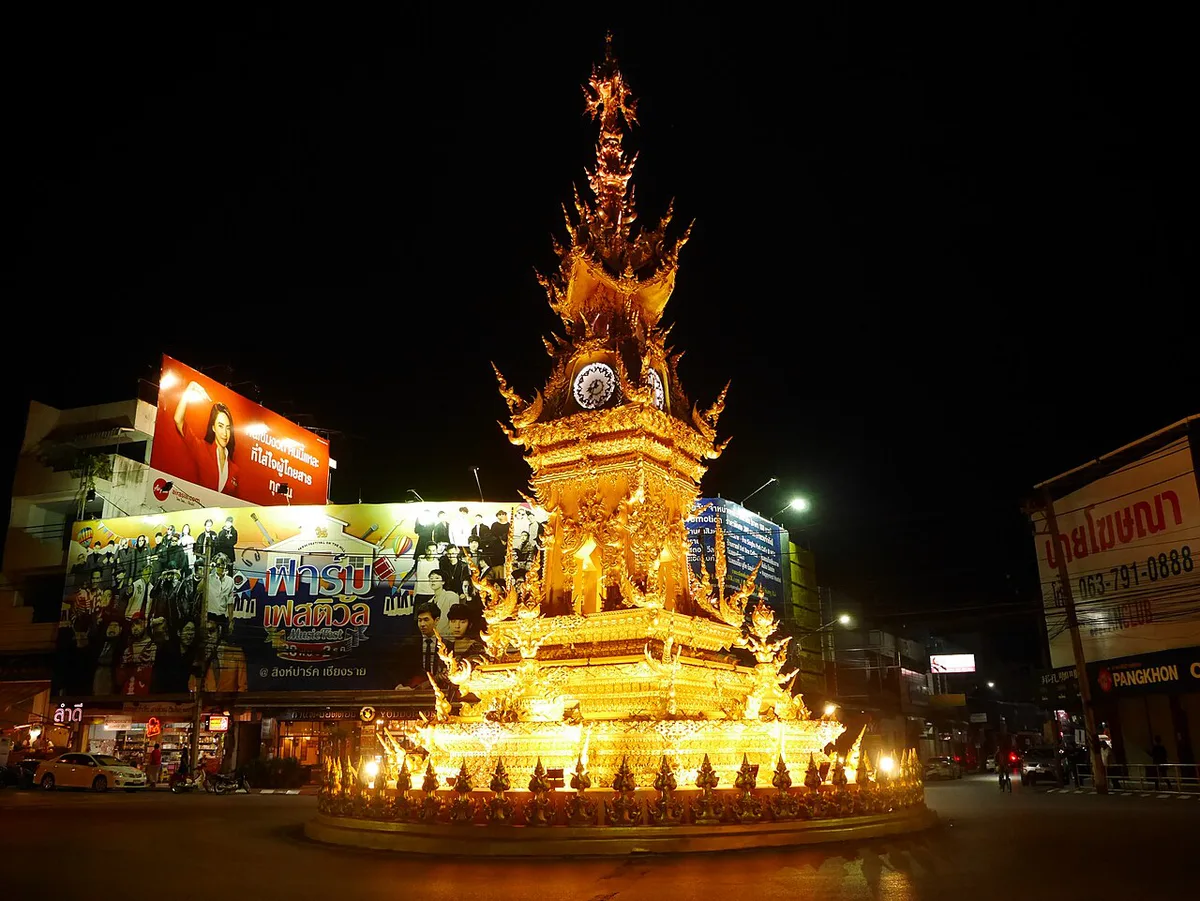
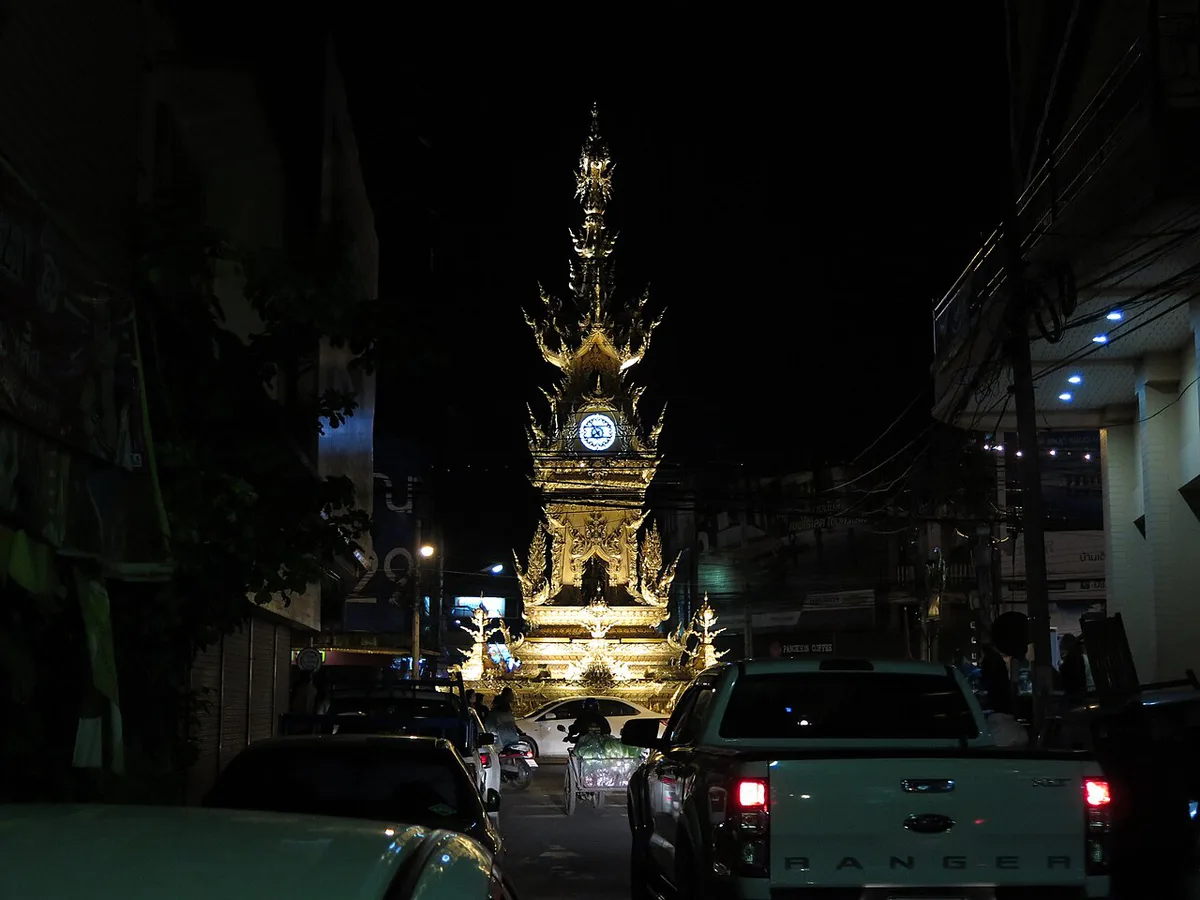
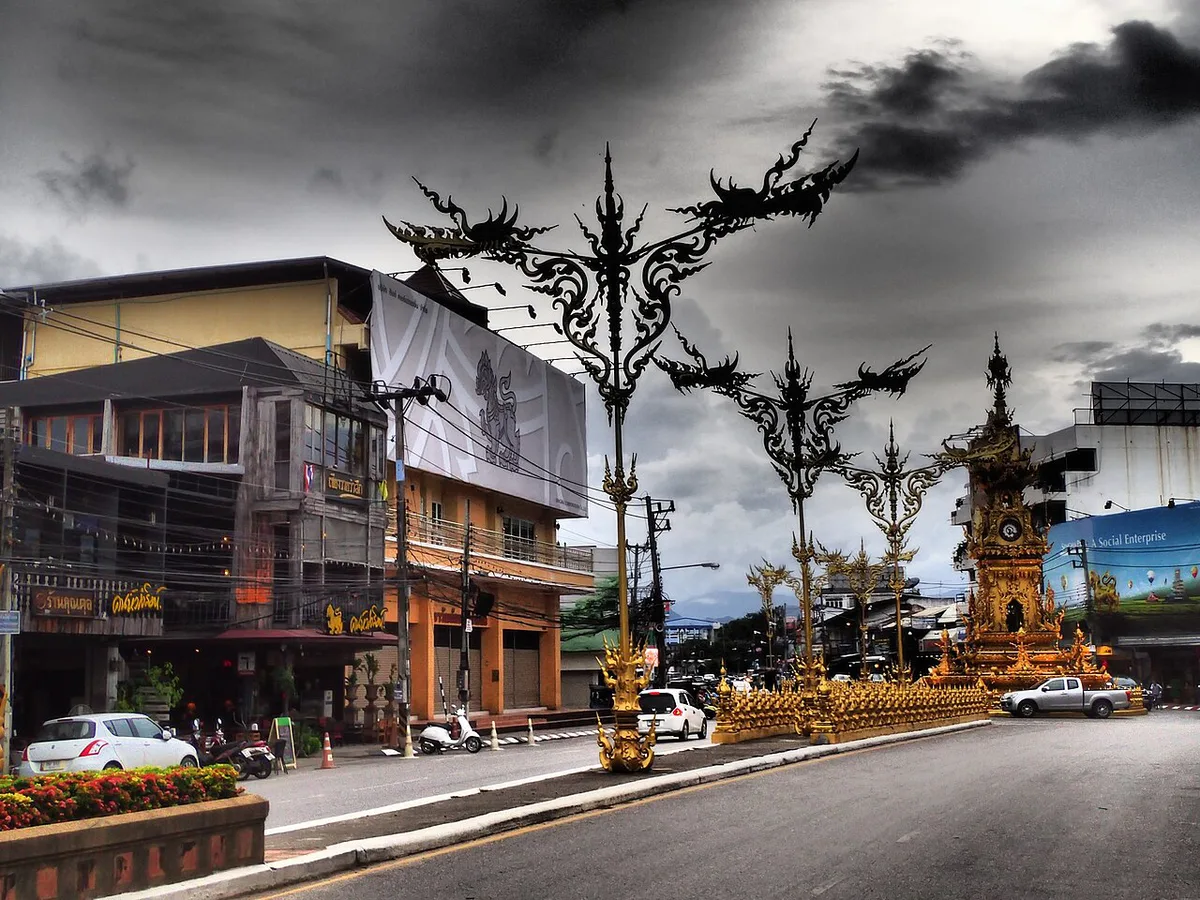
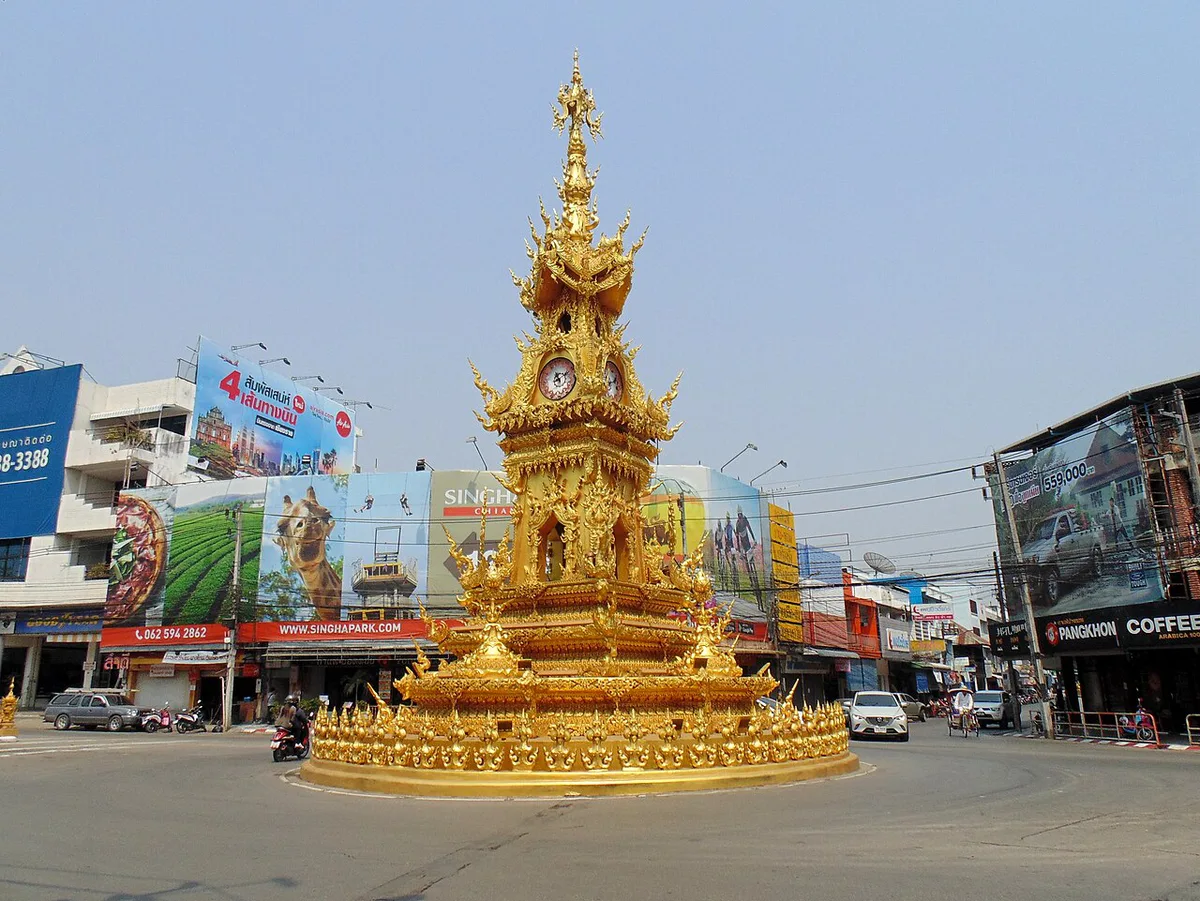
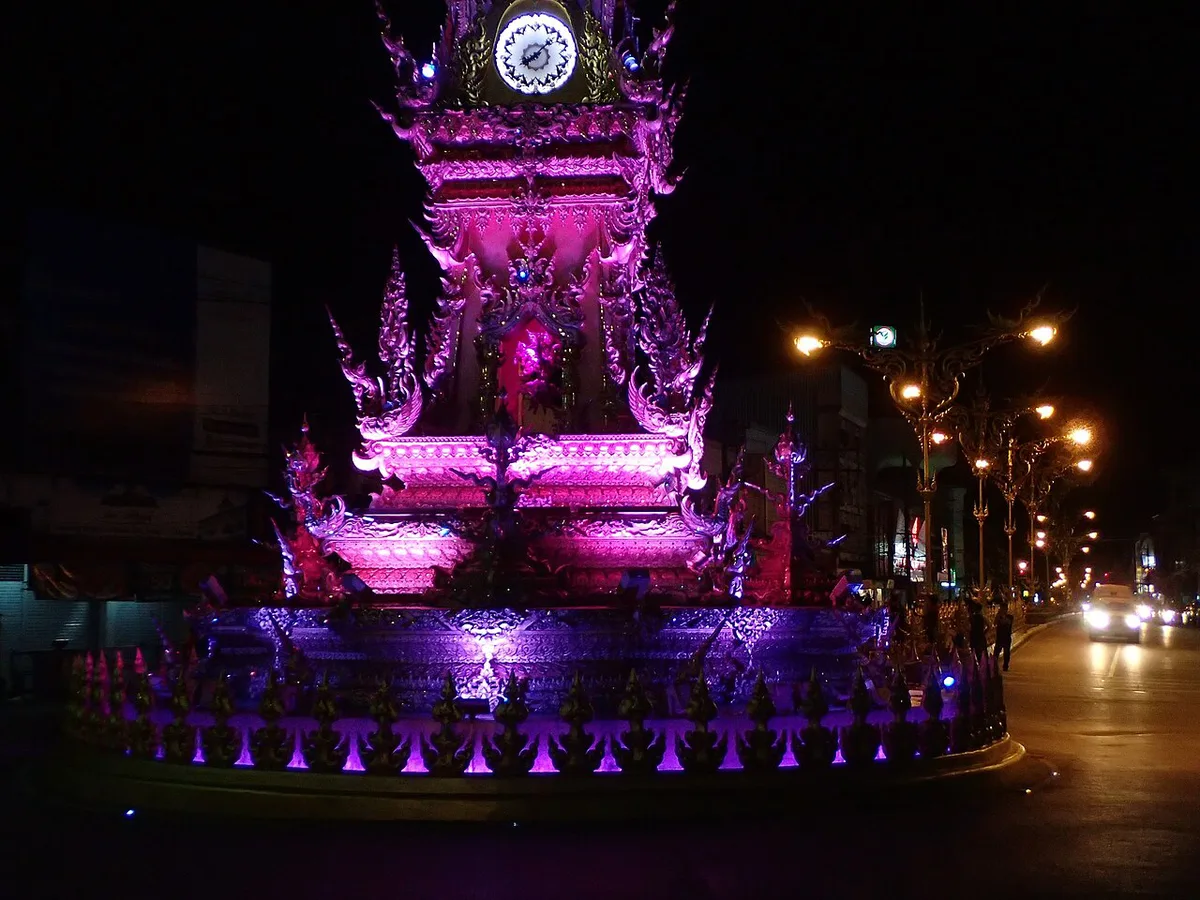
Cool mornings suit hill viewpoints and long temple days. Evenings also work well outdoors. The Clocktower light show plays at 7pm, 8pm and 9pm, according to one travel blog. Browse the weekend walking streets after dark. Then try the daily Night Bazaar, since market hours differ between sources and need checking locally. Demand is higher, so lock in rooms and transport sooner. Keep a light layer for early mornings.
Hot season (Mar–May) and the smoky-air question
Daytime highs of 30–36°C (86–97°F) are the guide's range for this season. Field burning can reduce air quality and visibility. Check a live air-quality index or the official Thai Pollution Control Department readings before you commit. Skip numbers you cannot verify. If you go anyway, start early and move indoors by midday.
- Who it affects: people with asthma, young children, and photographers who want clear views.
- How to check: look at live air-quality readings on the days before departure.
- How to adapt: book temples and museums for mornings, rest at midday, and avoid viewpoint-heavy days in smoky weeks.
- Cycling note: the ride to the White Temple takes about 2 hours each way, per Lonely Planet, so heat makes it tiring.
Rainy season (Jun–Oct): green, quiet, flexible
Showers are mostly in the afternoon or evening, with temperatures around 24–32°C (75–90°F). Fewer visitors make it a fair pick for budget-minded travelers. Read whether Chiang Rai is worth visiting if you are unsure. Waterfalls run stronger, but the 1.4 km Khun Korn trail can be slippery. A travel blog lists scooter rental at about ฿200–300 per day, but wet roads raise the risk. Ask about songthaew and scooter options before you rent. Rain also favors free indoor and low-cost stops.
- Morning: waterfalls, temples or viewpoints.
- Midday: lunch and a café or museum break.
- Afternoon: indoor stops while showers pass.
- Evening: markets once the rain clears.
Match the season to your plan
Choose by goal. For temple days, the cool season is most comfortable. For waterfalls and hill viewpoints, see Day Trips From Chiang Rai: Best Options by Time, Cost & Transport.
| Goal | Best months | Watch-out |
|---|---|---|
| Temples and city sights | Nov–Feb | Highest demand |
| Waterfalls and Khun Korn | Jun–Oct, after checking trail conditions | Slippery trails |
| Hill viewpoints | Nov–Feb | Smoke later in the dry season |
| Cycling and scooter loops | Nov–Feb | Heat and smoke from March |
| Night markets and walking streets | Nov–Feb | Confirm market hours locally |
| Chiang Mai plus Chiang Rai | Nov–Feb for weather | Book transport early |
Festival timing and the Chiang Mai lantern festival
No festival dates were verified for this guide. Confirm lantern festival dates through official Chiang Mai and Tourism Authority of Thailand sources before booking a Chiang Rai day around them.
Costs, crowds and booking by season
This guide has no sourced seasonal rate swing, so treat cost differences as relative. Cool-season demand is high, the rainy season is quieter, and hot-season conditions are mixed. A travel blog lists Green Bus fares from ฿129, but check current fares and seasonal changes with the operator. Book rooms early for November to February using our where to stay guide. Keep rainy-season plans flexible. Some quiet local spots suit shoulder-season visits.
Rainy-season quiet doesn't mean easy footing, since the 1.4 km Khun Korn trail can be slippery.
How many days to plan, and getting there in each season
Competitor guides suggest at least 3 nights. Buses from Chiang Mai take about 3 to 4 hours, depending on operator and bus type. Check schedules with Transport Co. for intercity buses. Read our Chiang Mai to Chiang Rai route guide for options. Flights can help in the hot season if you want less road time. Check Airports of Thailand operations details for current airport information. Then see Chiang Rai Airport (CEI): Getting to and From the City. For other starting points, use the Bangkok to Chiang Rai guide or How to Get to Chiang Rai: Flight, Bus & Car Options. Rain or haze can disrupt viewpoint plans, so leave buffer time.
Heat stretches a day when the ride to the White Temple takes about 2 hours each way.
Packing and seasonal mistakes to avoid
Bring a light jacket for cool-season mornings and rain gear for June to October. Pack sun protection for March to May. Carry a mask or use an air-quality app in smoky weeks. Common mistakes: scheduling viewpoint-heavy days in smoky weeks, renting a scooter on wet roads, and booking peak-season stays late.
Frequently Asked Questions
How long should I stay in Chiang Rai?
Competitor guides suggest at least 3 nights for temples, markets and nearby countryside. One guide recommends 5 days for a thorough visit including mountain day trips. Allow extra buffer in rainy or smoky weeks.
Notes for your Thailand trip
Optional updates when we add or change a town or island guide.
You might also like


Continue reading
More guides you'll find useful