6 Chiang Rai Hidden Gems Worth the Detour
Skip the crowds in Chiang Rai. Lesser-known viewpoints, tea country and temples, with access, timing and cost trade-offs.
On this page
Last updated November 2026: these Chiang Rai hidden gems skip the White, Blue and Black temples and point you to hill viewpoints, tea country and a royal villa. Each pick lists its trade-offs, from a 40-minute drive to an overnight start. For the headline stops, open our Chiang Rai sights guide first.
Featured image: Chainwit., CC BY 4.0, via Wikimedia Commons.
6 Chiang Rai Hidden Gems Worth the Detour
Each entry uses one format so you can scan quickly. Fees below come from a single travel blog, so confirm them at the gate. Our temples guide covers the famous wats if you want them as well.
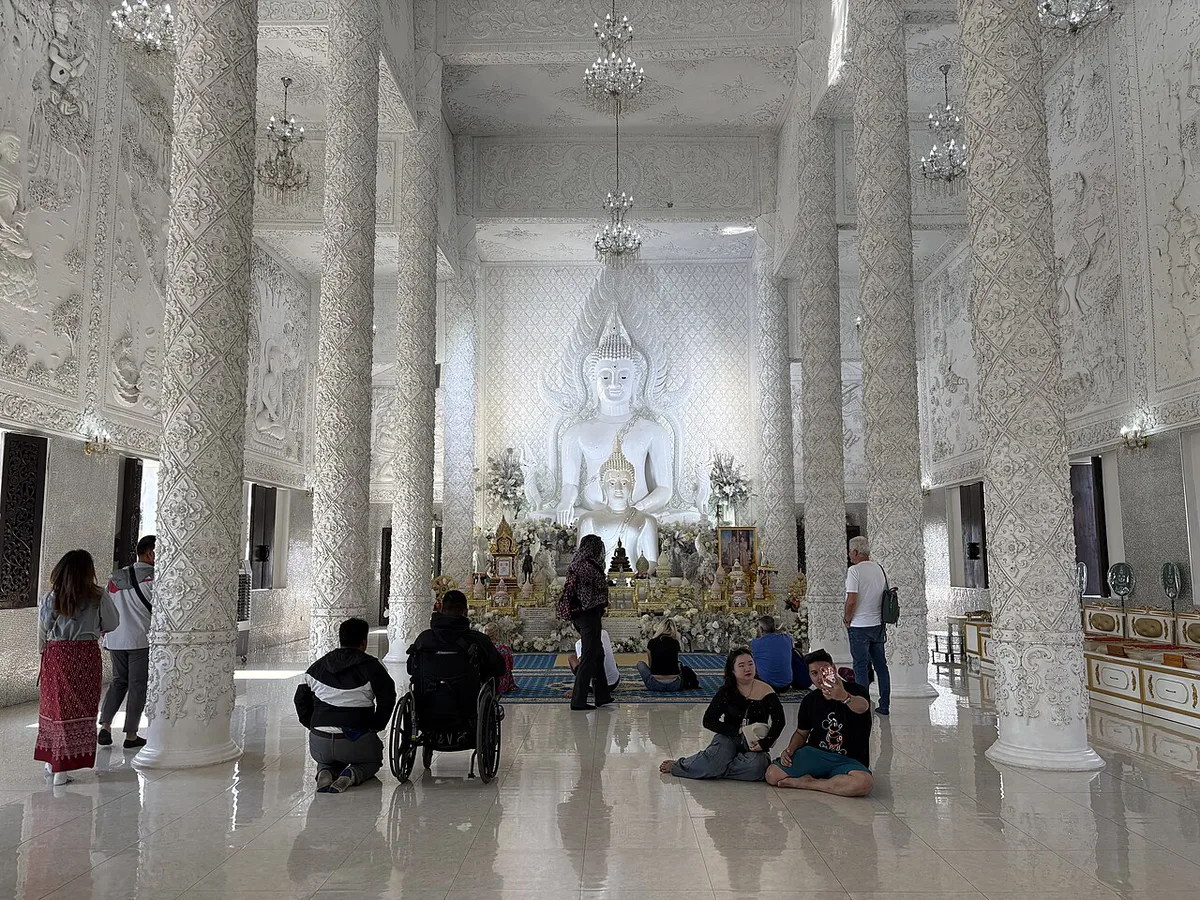
- 1. Wat Huay Pla Kang
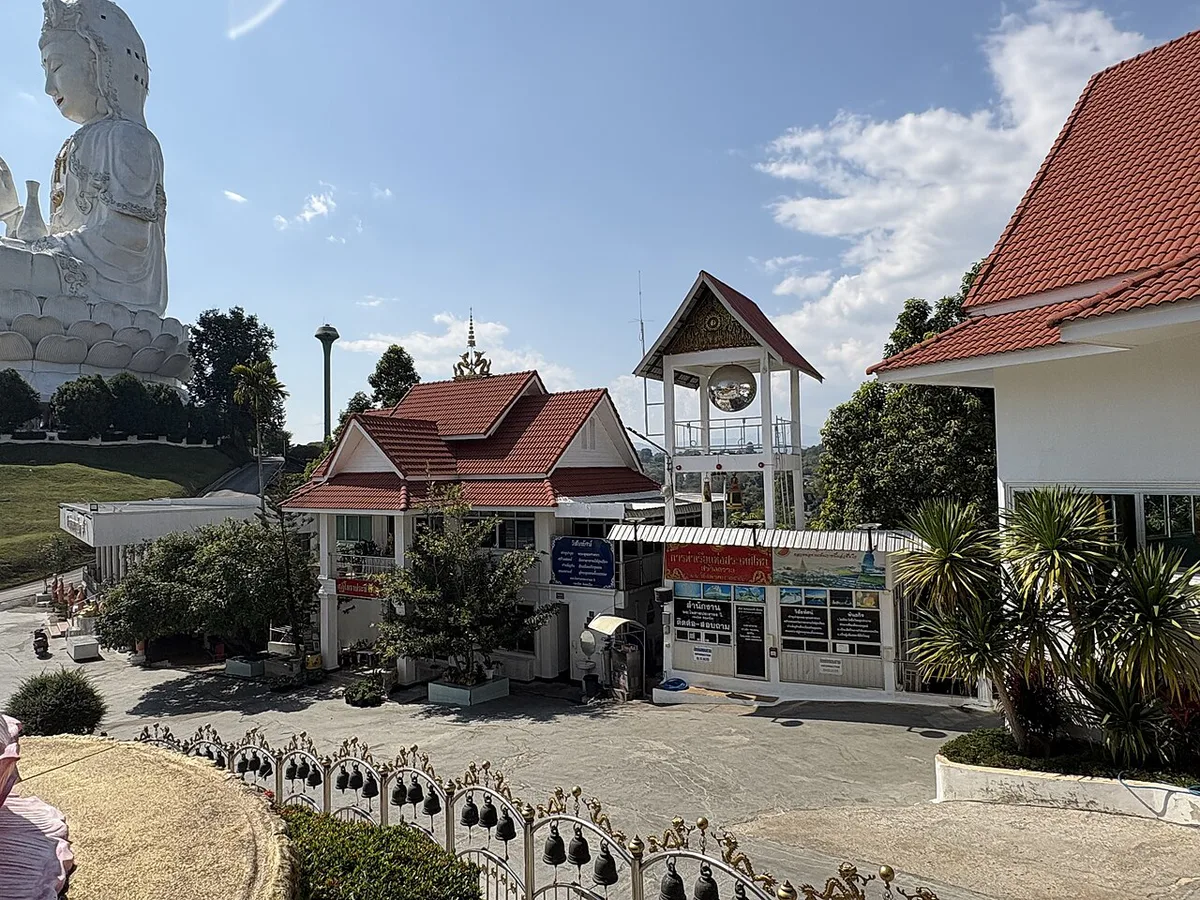
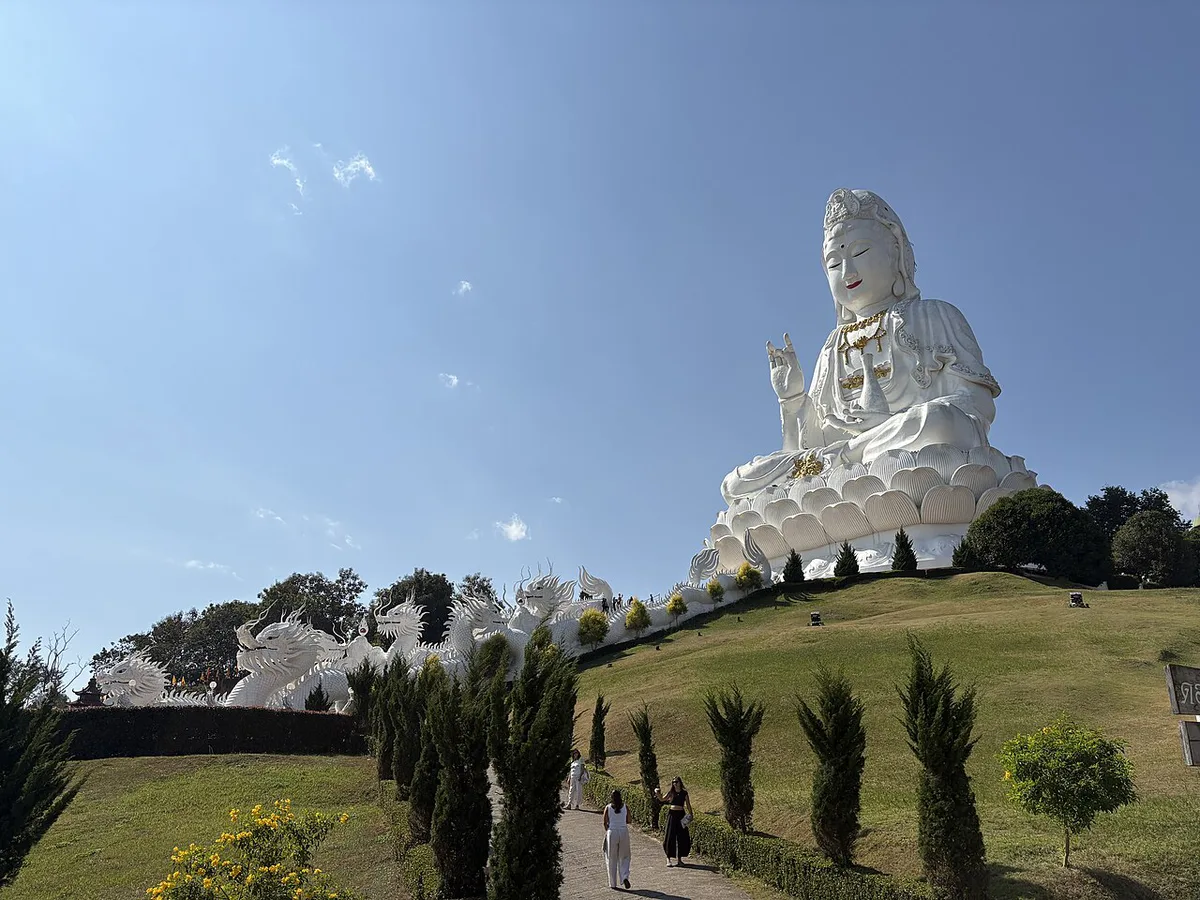
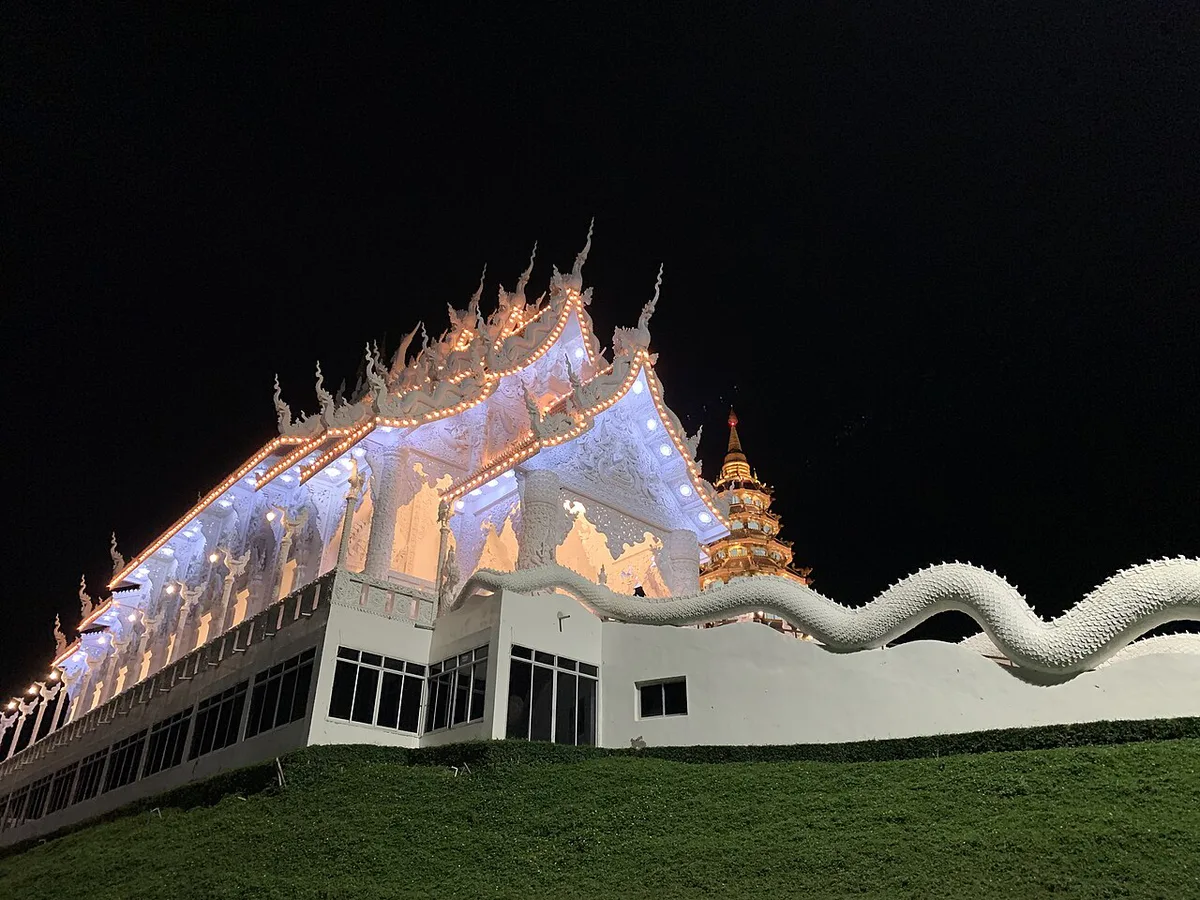
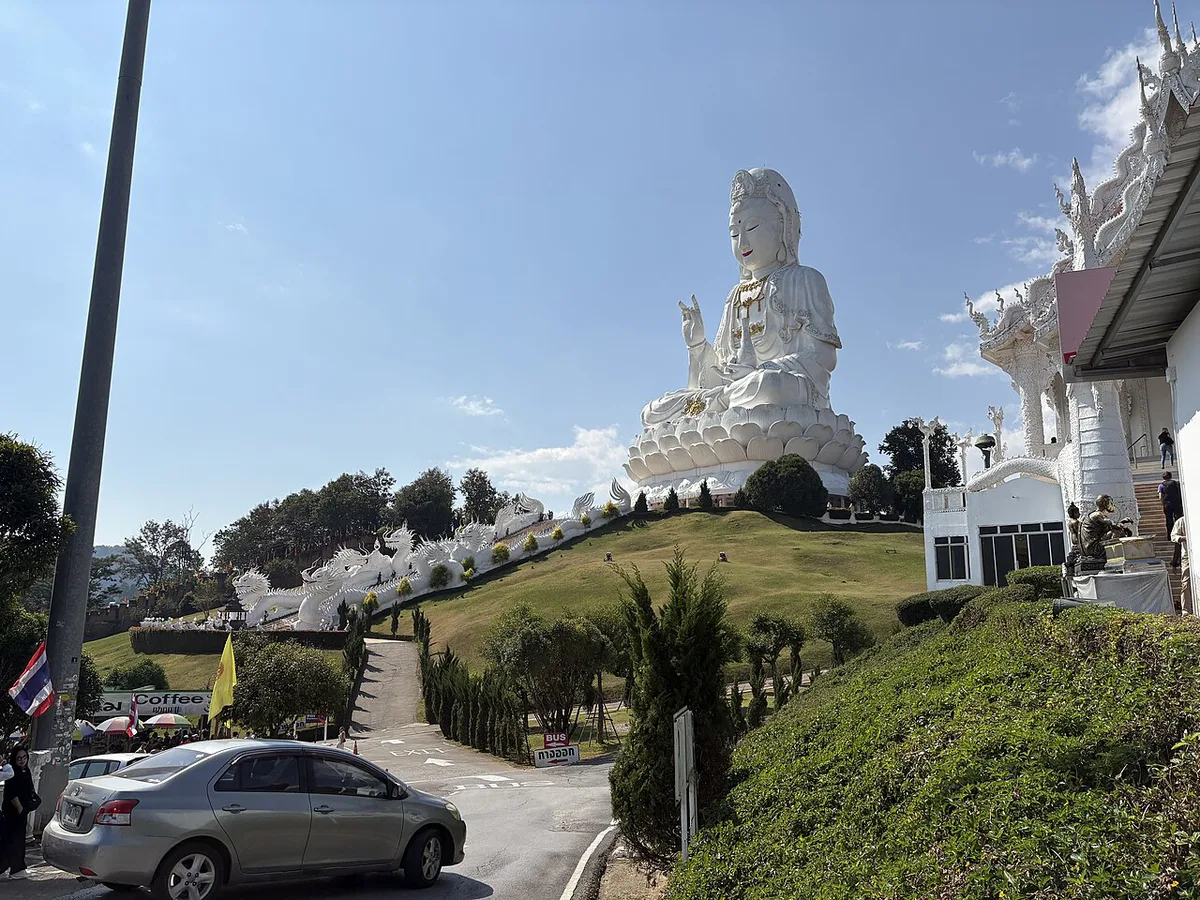
- Why go: a hilltop complex with a 9-story pagoda, white Naga staircases and a Guan Yin statue over 79 m tall.
- Cost: entry is reported free, though one source cites ฿40, and the statue lift is ฿20; ask at the gate.
- Best for architecture fans, but reviews are split, so skip it if you want a small, quiet temple.
- 2. Doi Tun Royal Villa and Botanical Garden
- Why go: a Swiss-chalet-style summer residence of the royal family in the Doi Tung mountains, with a large botanical garden below it.
- One source found the villa almost empty, which makes it a good family stop when you want space.
- Getting there needs a car, motorbike or tour, and hours are unconfirmed, so check before you drive up.
- 3. A Tea Estate Café Outside Town
- Why go: terraced tea fields with a café viewpoint, about 40 minutes from Chiang Rai by one account.
- This guide has not confirmed which estate to pick, so check current hours and prices before choosing one.
- Best for a slow afternoon; skip it if a busy scooter road is your only transport option.
- 4. The 12km Viewpoint
- Why go: a roadside lookout on the way toward Doi Tung, with parking, a toilet, noodle soup stalls and a small village across the road.
- Haze covered the view at the start of the burning season, so aim for December or January.
- Confirm the exact name and location locally, then treat it as a 30–60 minute stop between bigger sights.
- 5. Phu Chi Fa
- Why go: a sunrise peak on the Laos border, reached by very steep roads that suit a large motorbike or 4WD.
- Plan an overnight in a nearby village; our where to stay guide covers the town base.
- Best for photographers; skip it if you dislike pre-dawn starts or mountain driving.
- 6. Independent Coffee Stops
- Why go: northern Thai coffee is a real draw, and one blog praises a tiny roastery where the owner chats with visitors.
- Browse our Chiang Rai cafés guide for current options rather than relying on a single name.
- Best for rest breaks between stops; opening hours vary, so check each café before you go.
Chiang Rai Hidden Gems at a Glance
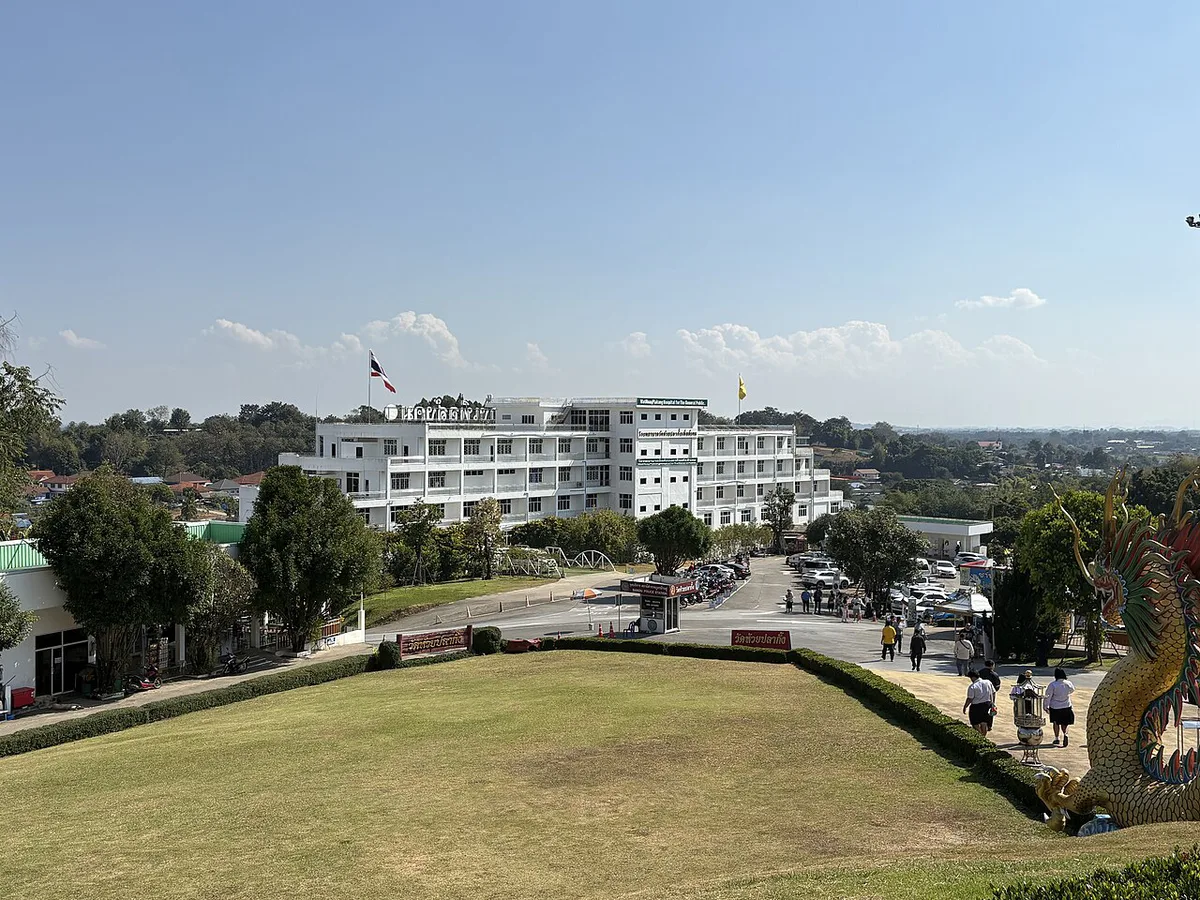
Use this table to match each pick to your transport. Where no source confirmed a figure, the cell says check locally.
| Pick | Transport needed | Reported cost | Best season |
|---|---|---|---|
| Wat Huay Pla Kang | Car, taxi or tour | Free reported; lift ฿20 | Dec–Mar |
| Doi Tun Royal Villa and garden | Car, motorbike or tour | Check locally | Dec–Mar |
| Tea estate café | Car or scooter, about 40 minutes | Check locally | Dec–Mar |
| 12km Viewpoint | Car or motorbike | Check locally | Dec–Jan for clear air |
| Phu Chi Fa | Large motorbike or 4WD | Check locally | Dec–Mar |
| Coffee stops | Walk, taxi or driver | Check locally | Year-round |
Sample Half-Day and Full-Day Combos
One source routes Wat Rong Suea Ten and Wat Huay Pla Kang into the same afternoon. Wat Rong Suea Ten is free and takes about an hour. It is mainstream, so visit at opening or near closing and confirm hours locally. For a full day, start at a tea estate about 40 minutes out. Continue to the 12km Viewpoint, then Doi Tun Royal Villa. Phu Chi Fa needs its own night. More pairings sit in our day trips guide.
Plan the 30–60 minute 12km Viewpoint stop between the tea estate and Doi Tun Royal Villa, which keeps the full day to three stops at most.
Getting There Without a Car
Chiang Rai sits about 200 km from Chiang Mai, a 2–2.5 hour bus ride by one account. Check fares and times on the Transport Co. bus site. Flying in works too, since Chiang Rai has its own airport. Our airport guide covers the arrival. None of our sources confirm songthaew or Grab routes to these picks. Ask your hotel about a driver or tour and agree the price first. Our getting around guide has town options. One blogger called the road to the tea estates busy and careless drivers a risk. If mountain roads worry you, hire a driver.
When to Go
Sources differ at the edges. One says December to mid-February is best, with smog from mid-February to mid-April. Another suggests December to March. Mid-April to June brings heat and dry, brown hills. June to November is the rainy season, with evening downpours common. Viewpoints need clear air, so avoid the burning season. Waterfall flow and road conditions were not confirmed, so check locally in the rainy months. Our best time to visit guide goes deeper.
Mistakes to Avoid
Most planning errors come from stacking too much into one day. Keep a full day to three stops at most. For evenings, the night market is an easy finish, and one source found dishes at ฿20–฿60. On a tight budget, see our free things to do. Still unsure about the trip? Read Is Chiang Rai Worth Visiting? Honest Verdict & Who Should Go. Oub Kham Museum, Mae Fah Luang Art and Culture Park and Wat Ming Mueang deserve separate research. Our sources give no fees or hours for them.
Night market dishes at ฿20–฿60 make an easy finish, but rural stops may not take cards, so carry cash.
- Skipping the dress code: temples need covered shoulders and knees.
- Riding steep mountain roads without experience or the right licence.
- Leaving town without cash, since rural stops may not take cards.
- Starting late on viewpoint days, when haze builds as the morning goes on.
Khun Korn Forest Park Waterfall
Khun Korn Forest Park Waterfall is the strongest nature-focused detour missing from this list. Choose it if tea views and temple architecture feel too road-bound. It works best as a single outdoor stop, rather than part of an overloaded route.
The rainy season runs from June to November, when Chiang Rai often has evening downpours. That period may make a waterfall visit more appealing, but check trail and road conditions locally before leaving town. The article’s dry-season advice still applies: clearer viewpoint weather usually comes earlier in the day.
Keep the day conservative. This guide recommends no more than three stops in a full day, and Khun Korn is better paired with only one nearby plan after you confirm access. Bring cash, wear suitable walking shoes, and avoid assuming rural facilities accept cards.
Notes for your Thailand trip
Optional updates when we add or change a town or island guide.
You might also like
Continue reading
More guides you'll find useful