Best Time to Visit Pai: Season-by-Season Guide
When is the best time to visit Pai? Compare cool, hot and rainy seasons by weather, crowds, prices and activities, with a month-by-month guide.
On this page
Last updated November 2026. The best time to visit Pai is usually November to early March, when days are sunny and mornings are cool. Hot-season haze and rainy-season mud change the trip, so pick your season by what you want to see.
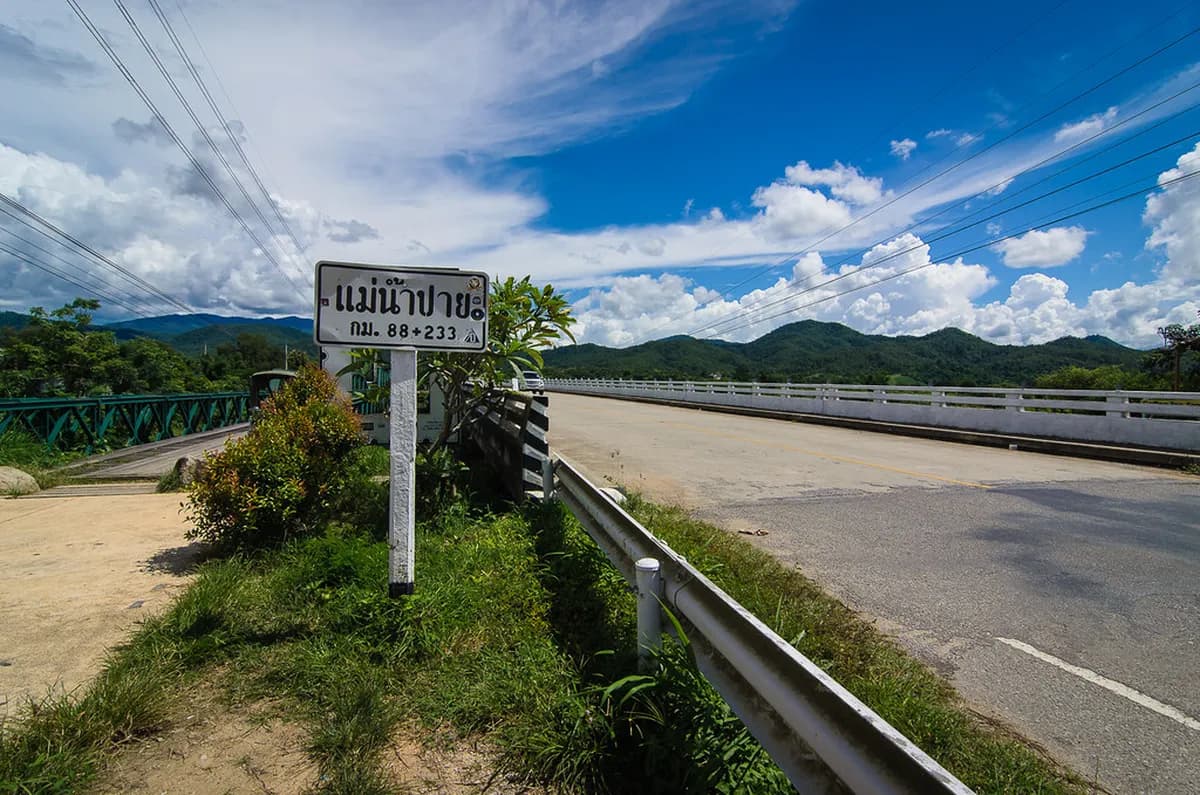
Featured image: Chen Zhi, CC BY 3.0, via Wikimedia Commons.
Best Time to Visit Pai: The Short Answer
Best months: November to February, the cool dry season. Runner-up: early March and late October, when crowds thin but weather is still mostly fair. Months to avoid for views: March to April, when agricultural burning can bring smoke and haze to northern Thailand. Check the Thai Meteorological Department for current forecasts before you book. Planning rule: if you want clear skies and evening strolls, go in the cool season. If you want green fields and low prices, accept the rain.
- Best: November to February, with cool mornings and warm sunny days.
- Runner-up: late October and early March.
- Avoid for views: March to April, the hot and smoky stretch.
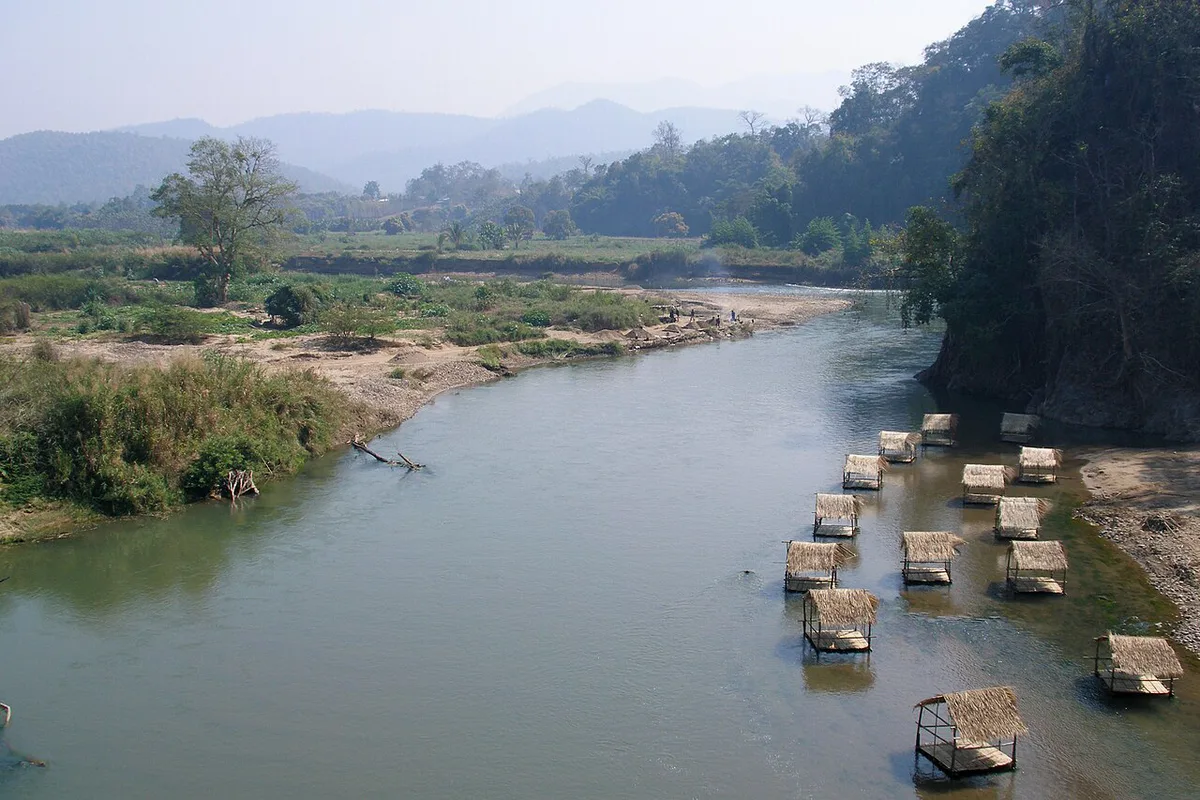
- Budget pick: May to October, with rain showers.
Pai Weather by Season at a Glance
Pai sits in a mountain valley, so mornings and nights run cooler than the afternoons. In the cool season, early mornings can drop to around 10°C (50°F), while afternoons often reach 28°C (82°F). In the hot season, afternoons can climb toward 35°C (95°F). In the rainy season, expect warm, humid days near 30°C (86°F) with regular downpours. Treat these as rough planning ranges and confirm current conditions with the Thai Meteorological Department. Rough room rates swing with the seasons. In our editorial assessment, a basic guesthouse room might cost about ฿500 in the rainy season against ฿1,200 or more in December and January. Check live prices before you commit.
| Season | Typical months | Weather feel | Crowds | Best for |
|---|---|---|---|---|
| Cool, dry | November to February | Cool mornings around 10°C (50°F), sunny days near 28°C (82°F) | Highest | Views, scooter rides, night market |
| Hot, smoky | March to April | Hot afternoons near 35°C (95°F), hazy skies | Moderate | Songkran fans, long-stayers |
| Rainy, green | May to October | Humid, near 30°C (86°F), frequent rain | Lowest | Budget trips, green rice fields |
Month-by-Month Guide to Pai
Use this table to match a specific month to your plans. Descriptors are qualitative and based on the commonly cited seasons. Verify details close to your travel dates.
| Month | Weather feel | Crowds | Best for |
|---|---|---|---|
| January | Cool, dry, chilly mornings | High | Sunrise views, layers at night |
| February | Cool to warm, dry | High | Easy sightseeing |
| March | Warming, haze builds | Medium | Quiet stays, with smoke risk |
| April | Hot, smoke possible, Songkran | Medium | Water festival, indoor activities |
| May | Hot, first rains | Low | Cheap rooms |
| June | Rainy, green | Low | Rice fields |
| July | Rainy, humid | Low | Slow travel, long stays |
| August | Rainy, muddy trails | Low | Budget travelers |
| September | Rainy, lush | Low | Green scenery |
| October | Rain easing | Low to medium | Shoulder-season value |
| November | Cool, dry returns | High | Clear skies, events |
| December | Cool, dry, cold mornings | Highest | Peak-season evenings |

Which Season Fits You?
Photographers should choose November to February for clearer skies. Budget travelers get the best deals from May to October. Scooter riders prefer dry months, and our guide to getting around Pai covers rental basics. Nature seekers who want full waterfalls can accept rain risk in the green season.
Budget travelers choosing May to October can find a basic guesthouse room at about ฿500 in the rainy season against ฿1,200 or more in December and January.
| Traveler | Best season | Why |
|---|---|---|
| Photographers | November to February | Clearer skies and cool light |
| Budget travelers | May to October | Lower room rates |
| Scooter riders | November to February | Drier roads |
| Waterfall seekers | June to October | Fuller flows, with muddy access |
| Festival-goers | April, plus local event dates | Songkran water fights |
| Remote workers and long-stayers | Cool season or green season | Comfort or low cost |
Smoke, Rain and Songkran: What to Know Before You Go
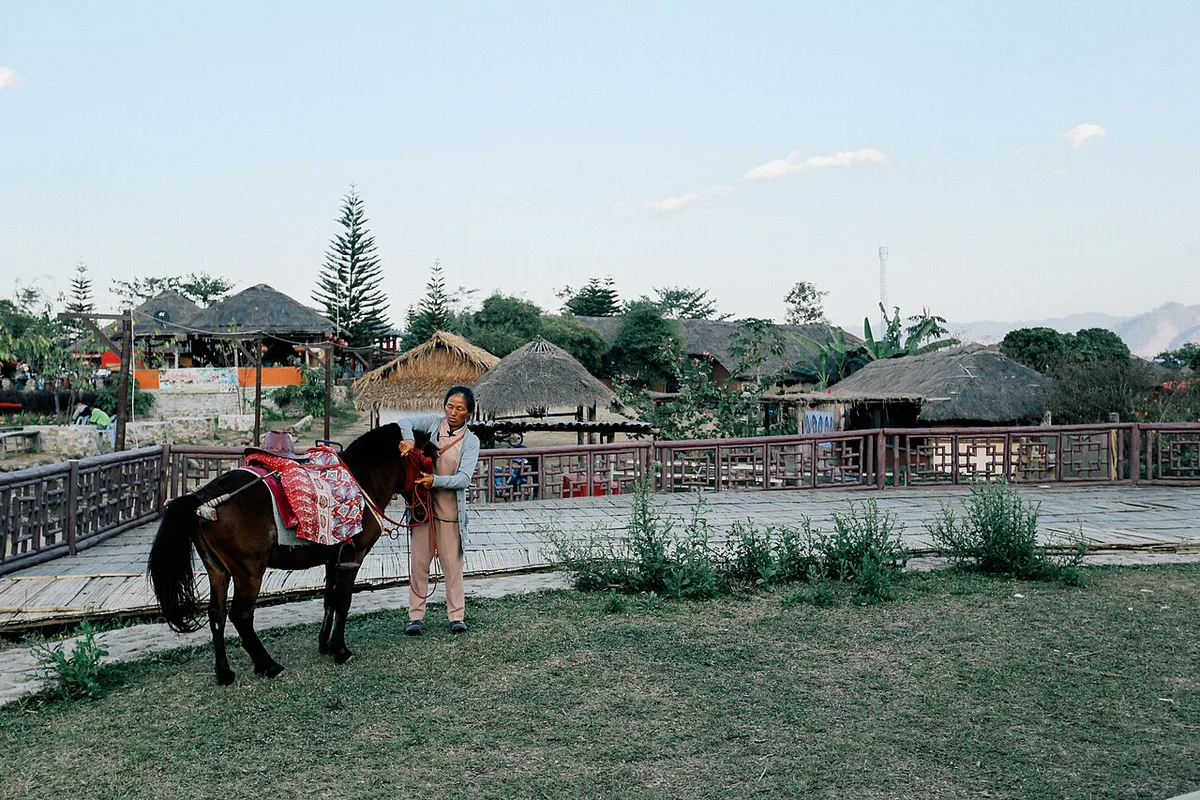
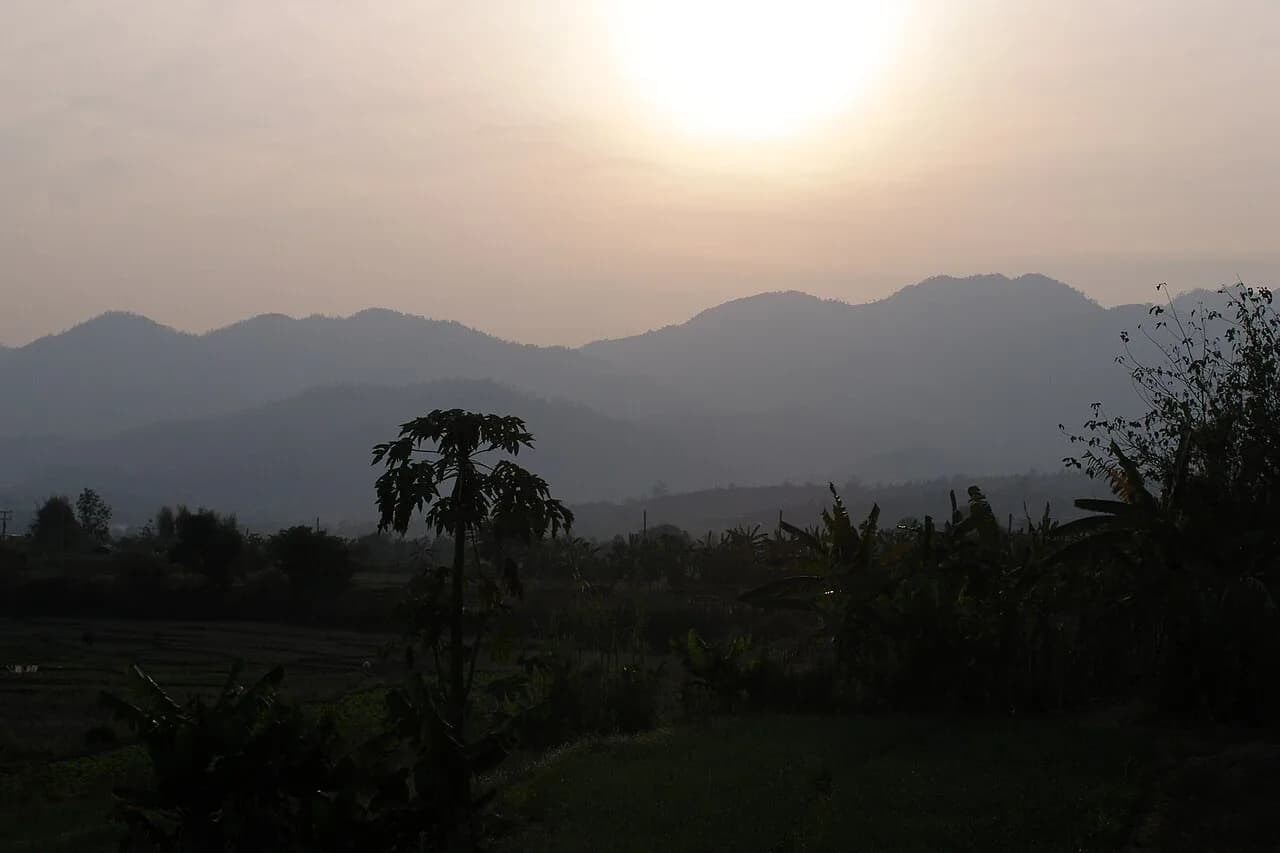
March and April can bring smoke from agricultural burning across northern Thailand. Haze can hide viewpoints and irritate lungs. Check an official air-quality source such as the Pollution Control Department before you book. Songkran falls in mid-April, with water fights in the streets. Confirm the current dates, and expect crowds and soaked clothes. The rainy season brings green fields and fewer visitors. It also brings muddy trails and slower plans. On wet days, visit the Temples in Pai: Best Wats, Views and Visiting Tips rather than a hillside viewpoint.
How the Season Changes Getting to Pai and Around Pai
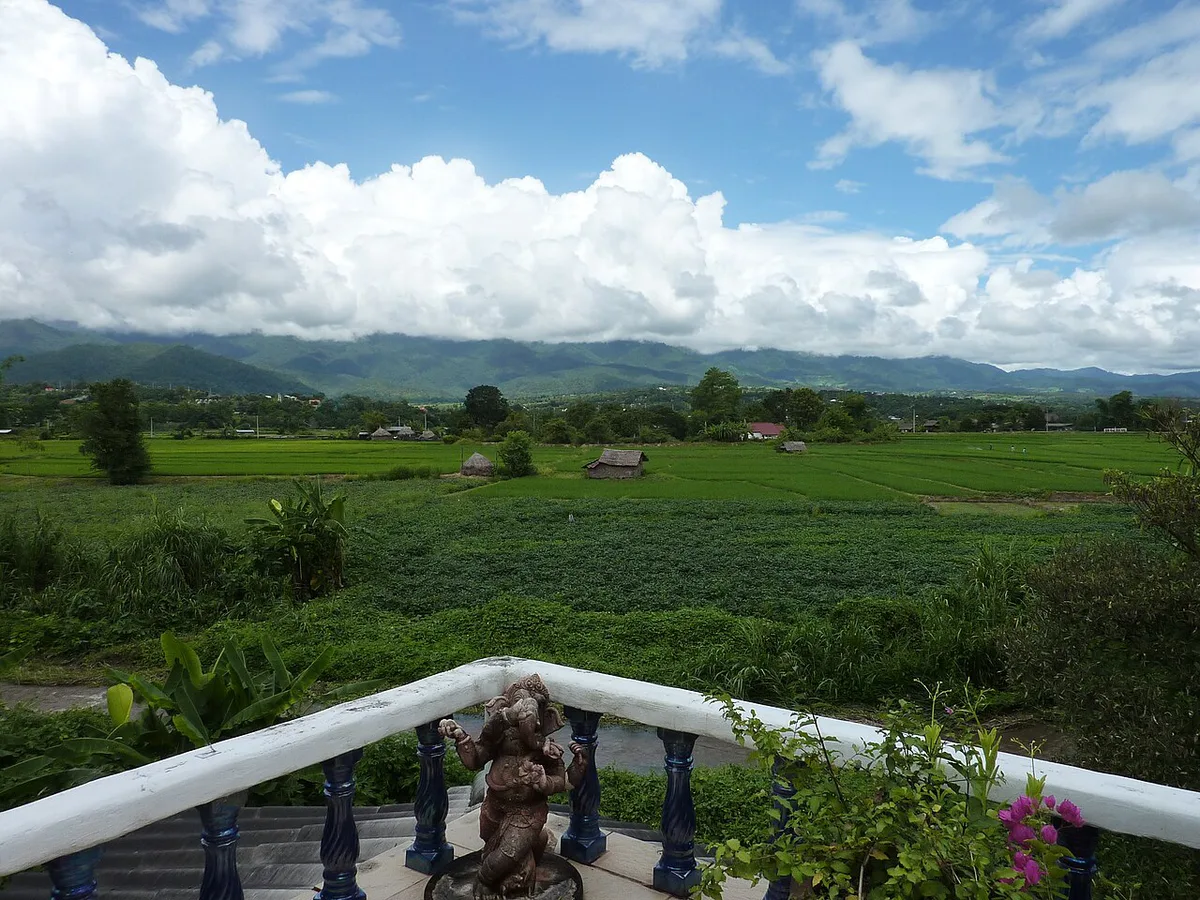
The mountain road from Chiang Mai is winding in any season. In rain it feels slower and more tiring, and motion sickness is common. Read our Chiang Mai to Pai route guide before you choose a vehicle. Coming from the capital, see Bangkok to Pai options. For all routes, the guide to getting to Pai compares them. Check Transport Co., Ltd. for current bus schedules. Smoke can also affect flights in the hot season, so build in buffer days. Avoid riding a scooter in heavy rain.
Packing and Booking Tips by Season
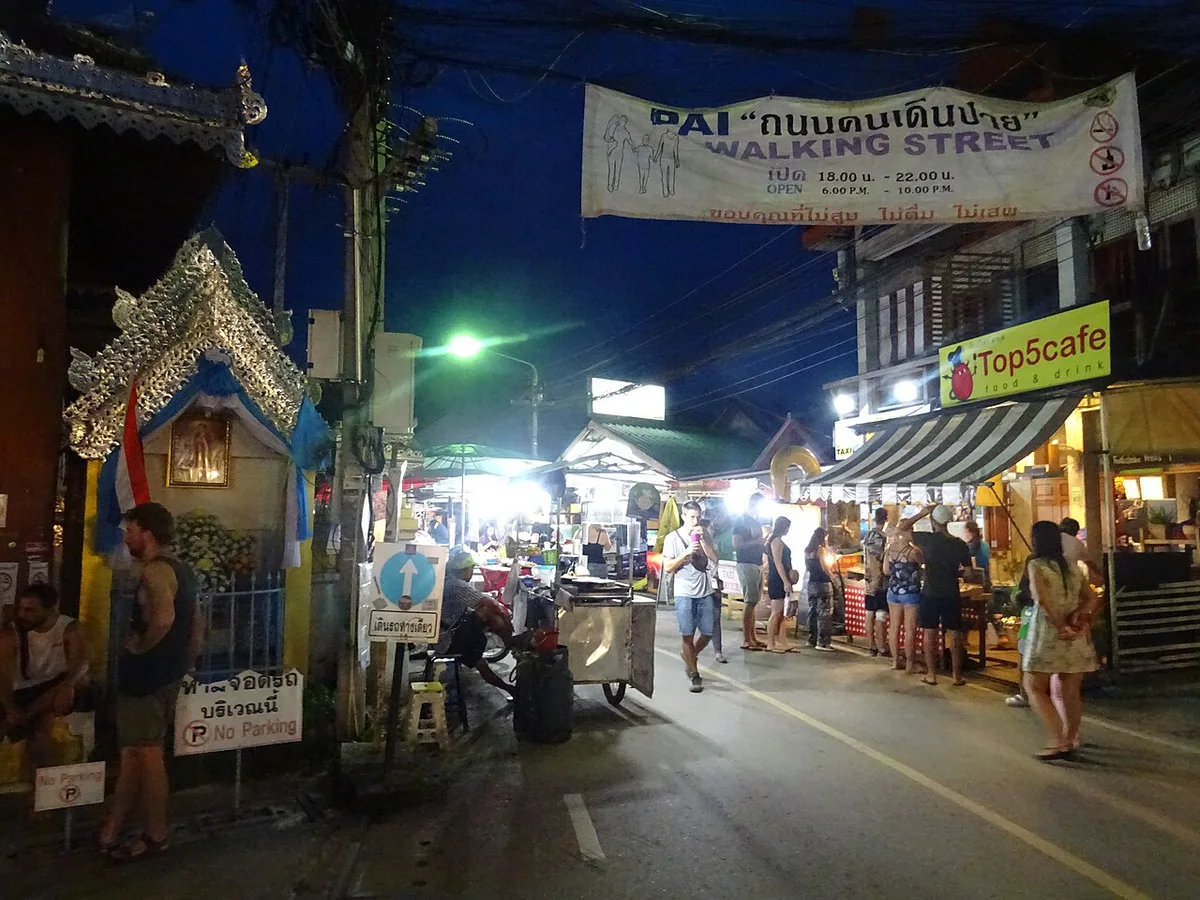
From December to January, bring a warm layer for mornings around 10°C (50°F) and evenings at the Pai Night Market (Walking Street): Hours, Food & Tips. Book ahead for peak months, especially around Christmas and New Year. Walk-up rooms usually work from May to October. In the hot season, pack a mask and sun protection. In the green season, bring a rain jacket and sandals with grip. Evening plans stay flexible all year: see Pai Nightlife Guide: Live Music, Markets & Safe Rides and the best restaurants in Pai. For daytime ideas on any budget, browse Free Things to Do in Pai: Budget Guide (No-Cost Picks).
Common Mistakes When Timing a Pai Trip
Mistakes are easy to avoid with a little planning.
Plan at least 2 to 3 nights in Pai when arriving overland from Chiang Mai, since a single night leaves little time beyond check-in.

- Visiting in peak burning season for views.
- Packing no warm layer for December and January mornings.
- Riding a scooter in heavy rain.
- Booking only one night after the long mountain drive.
- Ignoring Songkran dates and finding rooms sold out.
Where to Go Next
Once you pick a season, build your days around the top things to do in Pai. Add Day Trips From Pai: Best Routes, Costs & Tips if you have extra time. Long-stayers can look at Muay Thai training in Pai. Unsure about the trip? Read whether Pai is worth visiting.
How Many Days to Spend in Pai
Plan at least 2 to 3 nights in Pai if you are arriving overland from Chiang Mai. The mountain route is tiring, especially after rain, and a 1-night stop can leave little time beyond checking in and leaving again.
With 2 nights, you have one full day for a viewpoint, hot springs, waterfalls, or the night market. A 3-night stay gives you a weather buffer during the May to October rainy season. It also makes it easier to avoid rushing a scooter ride after a heavy shower.
Travelers visiting from November to February should reserve earlier when their dates overlap with Christmas or New Year. Those staying in the green season can usually keep plans more flexible. Add a night if you want day trips, slow mornings, or time to wait for clearer conditions after haze or rain.
Explore best time to visit in other cities
Notes for your Thailand trip
Optional updates when we add or change a town or island guide.
You might also like


Continue reading
More guides you'll find useful