
Rawai, Phuket: A Candid Guide to Phuket's Southern Beach Village
Rawai is a working fishing village and boat harbor at Phuket's southern tip, and the smartest way to use it is as a base for island trips and seafood dinners rather than a beach day. If you came for soft sand and a swim, plan that elsewhere and come here for the boats. This guide breaks down the bay's three zones, names the activities worth your time, and explains how to reach the area and how long to allow.
What Rawai is like: a fishing village and boat harbor, not a resort strip
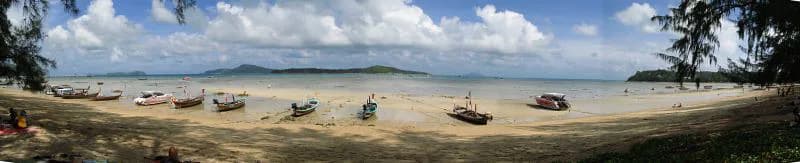
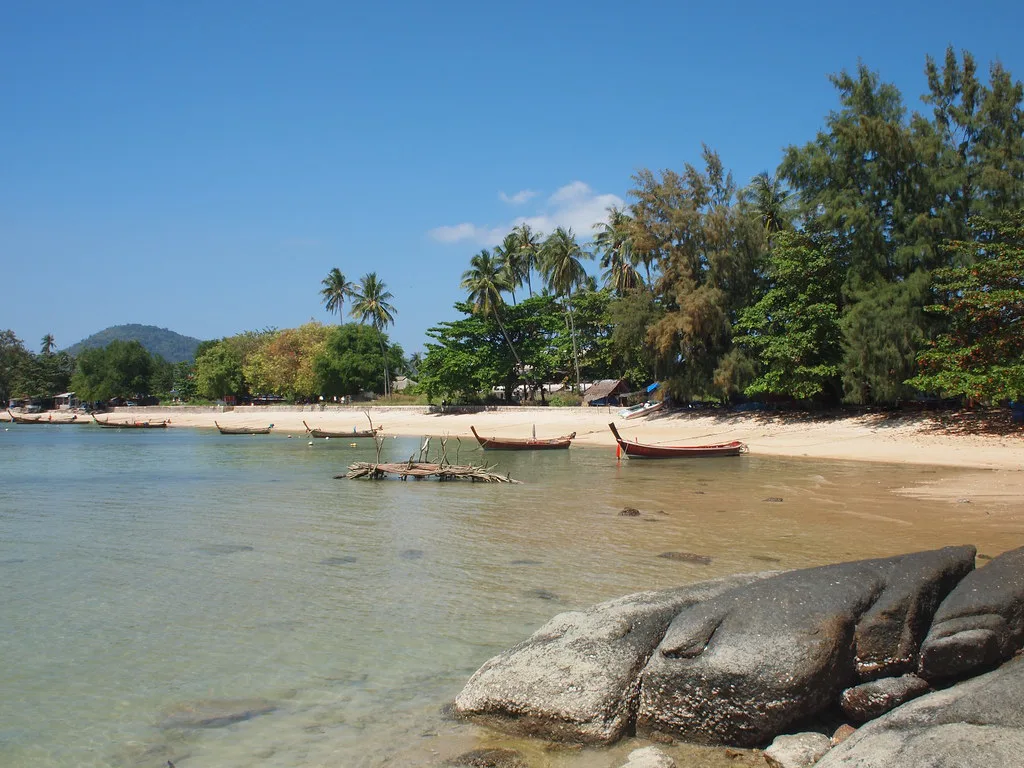
Rawai sits at the southernmost end of Phuket, and its waterfront is dominated by longtail boats and fishermen mending nets rather than jet skis or beach vendors. The atmosphere is nautical and largely local: the bay's southern end is still home to fishing families, while the northern end has drawn expats, retirees and artists who want an uncrowded base. Expect a lived-in village feel with restaurants close to the sand, not a polished resort promenade.
The northern part of the shoreline is known as Hat Mittraphap, which helps when you are reading maps or telling a driver where to drop you. Because the area grew around fishing and long-stay residents rather than tourism, development stays low-key compared with Phuket's west coast beach towns. Set your expectations to slow mornings, early dinners and boat schedules rather than pool parties.
Why the beach is for looking, eating and boarding boats — not swimming
Rawai Beach is genuinely pleasant to sit under the trees, but it is not a swimming beach: the water is shallow, many boats are moored along the shoreline, and at low tide mudflats and rocks are exposed. Treat the sand as a place to eat and watch the harbor rather than to swim or sunbathe. That single fact should decide whether you book accommodation here or on a west coast beach.
There is no watersports scene here — no jet skis, banana boats or roving vendors — which is exactly why some travelers like it. If swimming is a daily priority, choose a base where the water is the main event and visit Rawai for a meal and a boat trip instead.
The three parts of the bay: Sea Gypsy Village, the anchorage, and the villa strip
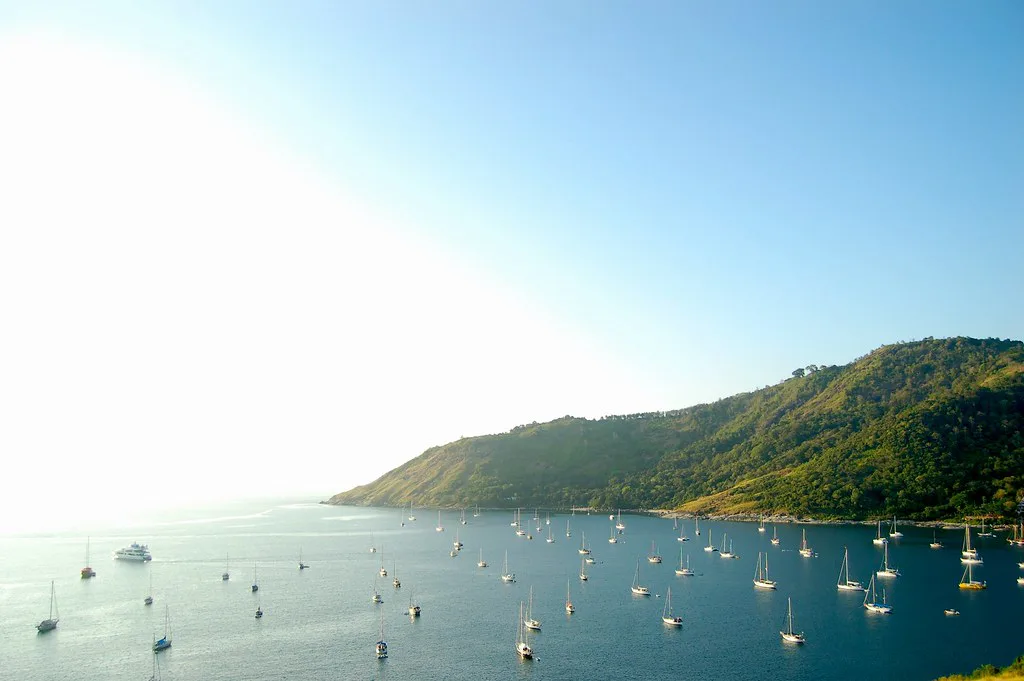
Think of Rawai's bay in three slices. The southern end is the Sea Gypsy Village, home to fishing families who sell shells and arrange chartered boat trips. The middle is the anchorage, packed with longtails and fishing boats. The northern end holds most of the villas and hotel resorts, which makes it the quietest place to sleep.
Where you stay follows directly from those zones. Choose the northern end for resort calm and easy access to beachfront restaurants, or look near the village end if you want markets and boat operators on your doorstep. The middle anchorage is scenery, not a place to base yourself.
Who Rawai suits — and who it doesn't
Rawai fits travelers who want an uncrowded, local-feeling base with excellent seafood and fast access to island boat trips, including longer-stay visitors and mature travelers. It also suits anyone combining a quiet bed with day trips around southern Phuket. It does not suit families or couples who want to step out of the room into swimmable water.
If your trip revolves around beach days, compare this village against Phuket's west coast first. The Phuket Neighborhoods guides on this site break down the alternatives by area, so you can see where swimming, nightlife and quiet actually overlap.
Things to do in Rawai: boat trips, the Shell Museum and Muay Thai
Island hopping is the main draw. Longtail and speed boats run chartered day trips from the beach to nearby islands including Ko Bon, a short hop off Phuket's eastern coast, and Ko Racha, known for dive sites. Signs along the beach road quote longtail rental prices, but inclusions and timings vary by operator — confirm what a trip covers, how long it runs and where it departs before you pay.
The Phuket Sea Shell Museum is one of the area's best-known attractions and pairs naturally with a wander through the Sea Gypsy Village market, where fishermen sell shells alongside souvenirs. Fees and opening hours are not published consistently, so check locally or on arrival rather than planning around a fixed time.
Rawai Muay Thai has trained visitors since 2003, offering group classes, private lessons and longer fighter programs for men and women at all levels, and it also runs on-site rooms if you want training and accommodation in one place. Current class times and prices are listed on the gym's own site, so check those directly before booking.
Where to eat in Rawai: beachfront seafood and the village market
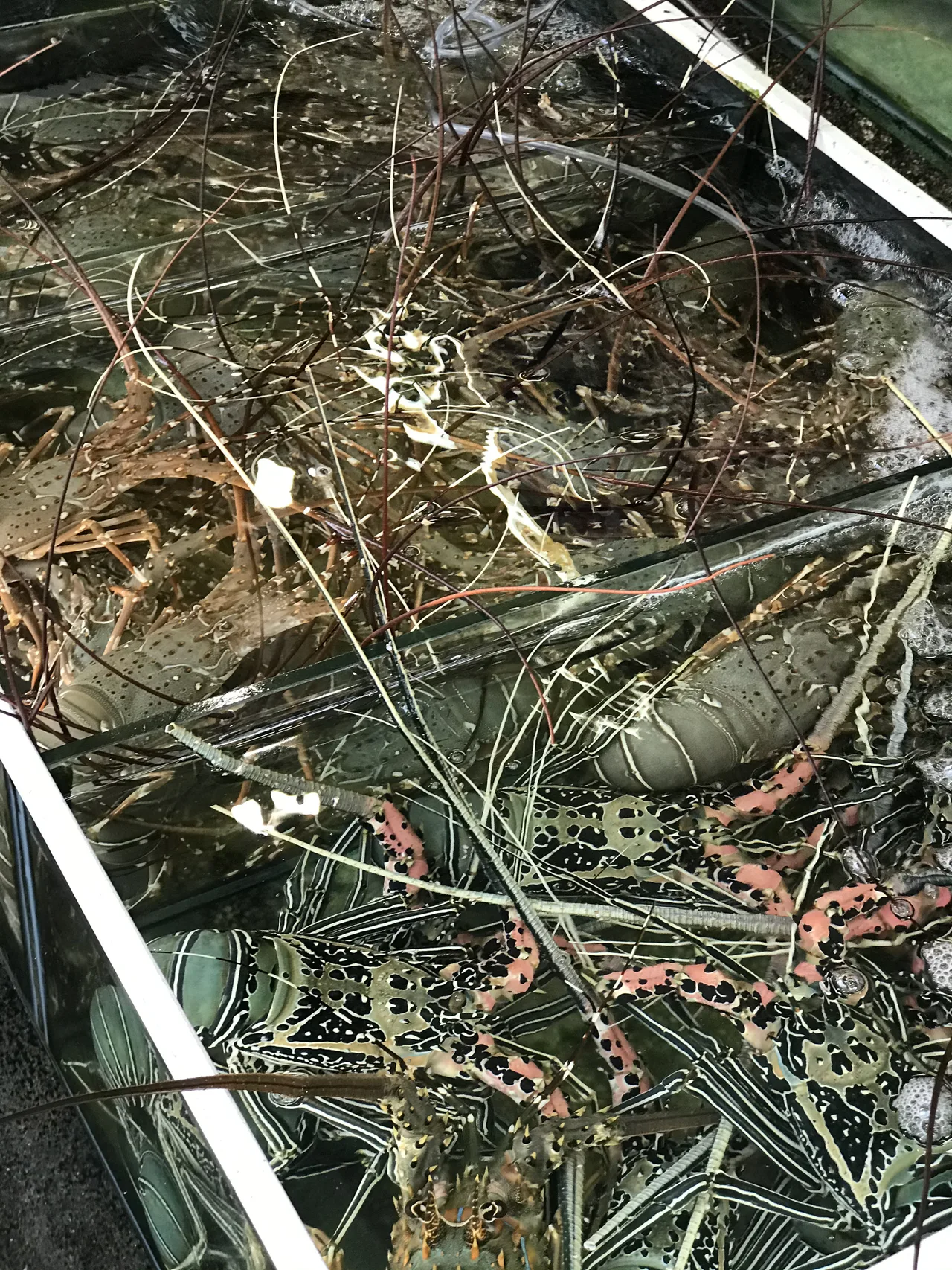
Rawai may be Phuket's best seafood district. Simple Thai eateries line the beachfront, grilling tiger prawns, tuna, red snapper, calamari and oysters to order, and many set low tables on mats right in the sand. Locals arrive well before sunset, so come early if you want a front-row spot.
For a sit-down meal, head slightly inland where restaurants add Italian, French and other international options to the Thai and seafood menus. The Sea Gypsy Village also holds a regular seafood market at the eastern end of the beach. If you want a different, busier contrast for an evening out, Patong is Phuket's well-known beach-and-nightlife district and makes an easy comparison for a night away from the village.
Where to stay in Rawai: villas, resorts and training-camp rooms
Most of the area's villas and hotel resorts cluster at the northern end of the bay, which keeps you close to beachfront dining while staying away from the boat traffic. Those here to train can book rooms at Rawai Muay Thai, which offers private rooms and bungalows with air conditioning, WiFi, kitchens and a pool. Confirm rates and availability directly with each property.
Getting to Rawai from Phuket Town, and getting around
Rawai Beach is about 15.3 km south of Phuket Town. By car, take Route 402, the main central road running through the island, and continue south as far as the coast. Songthaews, tuk-tuks and Grab are the usual ways to cover the last stretch if you are not driving.
If you park along the beach road, leave the car facing the direction of travel or you risk a fine. Once you are in the village, the beachfront, market and most restaurants sit within walking distance of each other, so a car is mainly useful for reaching Promthep Cape and other southern Phuket stops.
How long Rawai needs, and pairing it with Promthep Cape
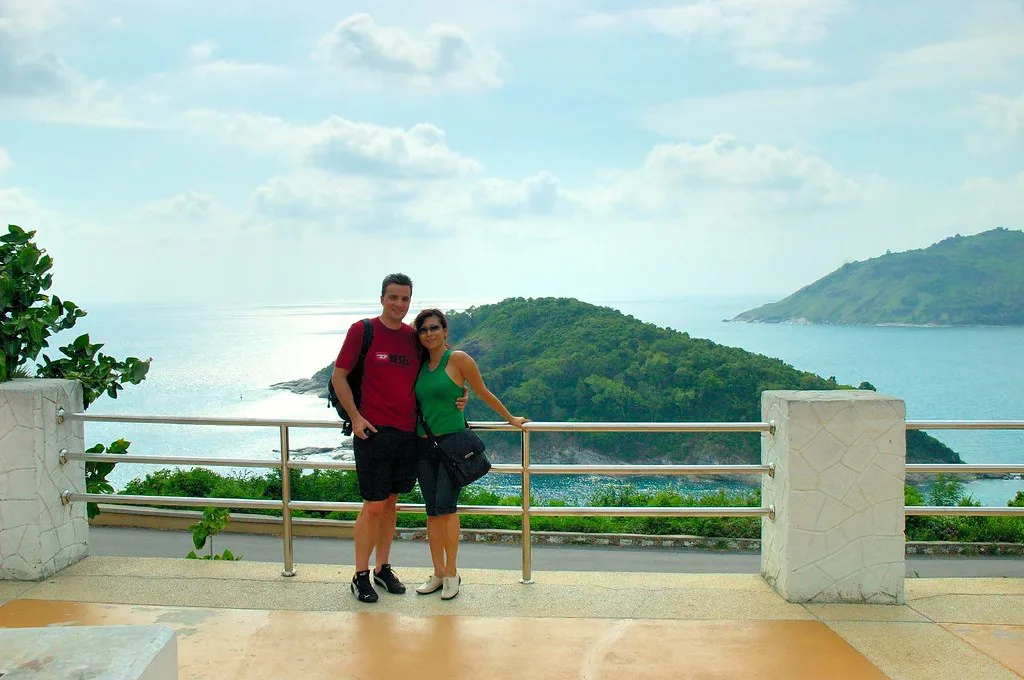
Rawai works as a half-day to full-day stop: a beachfront lunch, a walk through the village and market, and an afternoon boat trip fill a day comfortably. As a base, give it two or three nights if island hopping and Muay Thai are on your list. Promthep Cape, just west of Rawai, is a small peninsula with a viewpoint over the Andaman Sea and makes an easy add-on at the end of the day.
If you want a broader menu of activities before committing, the Phuket Attractions hub covers the island's main sights by area.
Rawai as a base versus Phuket's west coast beaches
Rawai's advantage is that it feels like a real place: quiet, local and uncrowded, with boats leaving from your doorstep. The trade-off is no swimmable sand, so a west coast beach town will beat it on classic beach days.
One practical split is to stay on the west coast for swimming and spend a day or two in Rawai for seafood and boat trips. For comparison, look at Bang Tao Beach in the north, which trades village character for a longer, more developed shoreline.
A south-coast alternative with similar quiet appeal is Karon, which gives you a swimmable beach as well as a low-key base, so it suits travelers who want both.
Should Rawai be your Phuket base?
Book Rawai if you want an authentic fishing-village base, some of the island's best seafood and easy access to boat trips and Promthep Cape. Skip it if your priority is swimming or beach days, because Rawai Beach is a harbor, not a swimming beach. Confirm boat prices and inclusions with operators at the beach road before committing.
Explore more Phuket guides
Frequently Asked Questions
Does Rawai have nightlife?
Yes, but it is low-key rather than a party scene: bars line the beachfront and there are sports bars and live music venues around the village. Anyone wanting a bigger night out can compare with Patong, Phuket's well-known beach-and-nightlife district to the north.
What is there to do in Rawai besides the beach?
The main draws are chartered longtail and speedboat trips to nearby islands, the Phuket Sea Shell Museum, the Sea Gypsy Village market, and Muay Thai training at Rawai Muay Thai. Promthep Cape, with its Andaman Sea viewpoint, is just west of the village.