
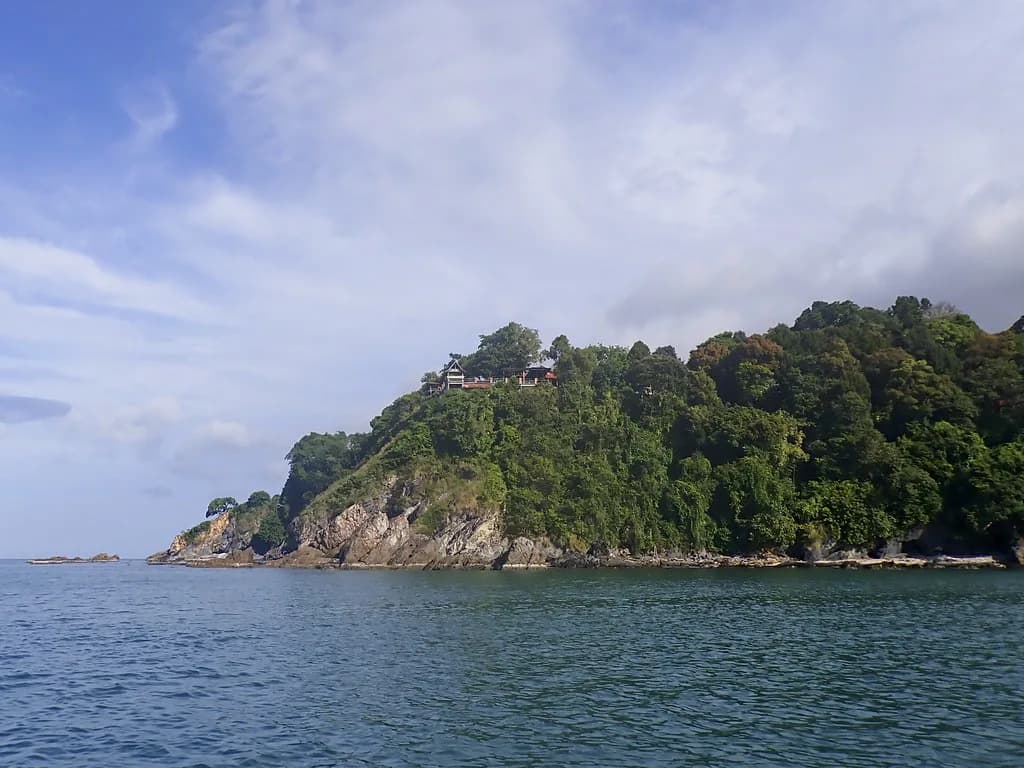
Kantiang Bay, Koh Lanta: A Practical Guide to the Island's Southern Beach
Kantiang Bay is worth the long ride south if you want Koh Lanta without the northern crowds: a wide, calm bay on the island's western shore where the scenery is the main event and the village strip behind it stays small. It rewards travelers who treat the drive as part of the trip. This guide covers where the bay sits, how to get there from Saladan, what to do on the sand, how much time to give it, and how to fold it into a southern day.
Where Kantiang Bay sits on Koh Lanta
Kantiang Bay, also written Ao Kantiang, is a bay on the southern stretch of Koh Lanta Yai's west coast, in Krabi Province on the Andaman Sea side of the island. The island runs roughly 25 kilometers (15.5 miles) north to south and about 6 kilometers (3.7 miles) across at its widest, and most travelers land at the northern town of Saladan. That geography explains the trade-off: the further south you go, the quieter it gets, and the longer everything takes.
The bay is far enough south that it works as a base of its own rather than a hop from the ferry pier. Klong Nin Beach is the next well-known beach up the coast, while Bamboo Beach and the national park entrance cluster below Kantiang toward the island's tip. If you are choosing where to sleep for a few nights, this is the stretch that buys you space at the cost of distance.
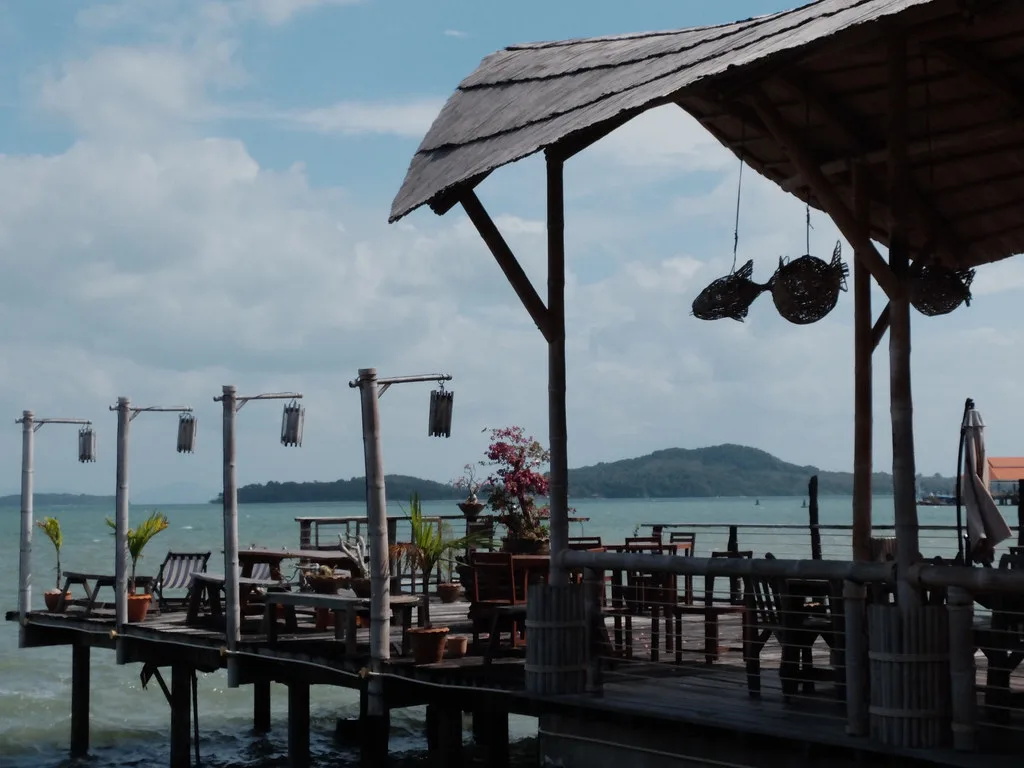
The bay is not a formal attraction with gates or a ticket booth; it is a public beach backed by a low-key strip of shops and places to eat. Small cottages and resorts sit on the hillside above it, and a modest local community lives around the bay. Bring no expectations of a promenade or a row of brand-name venues.
How to get to Kantiang Bay from Saladan
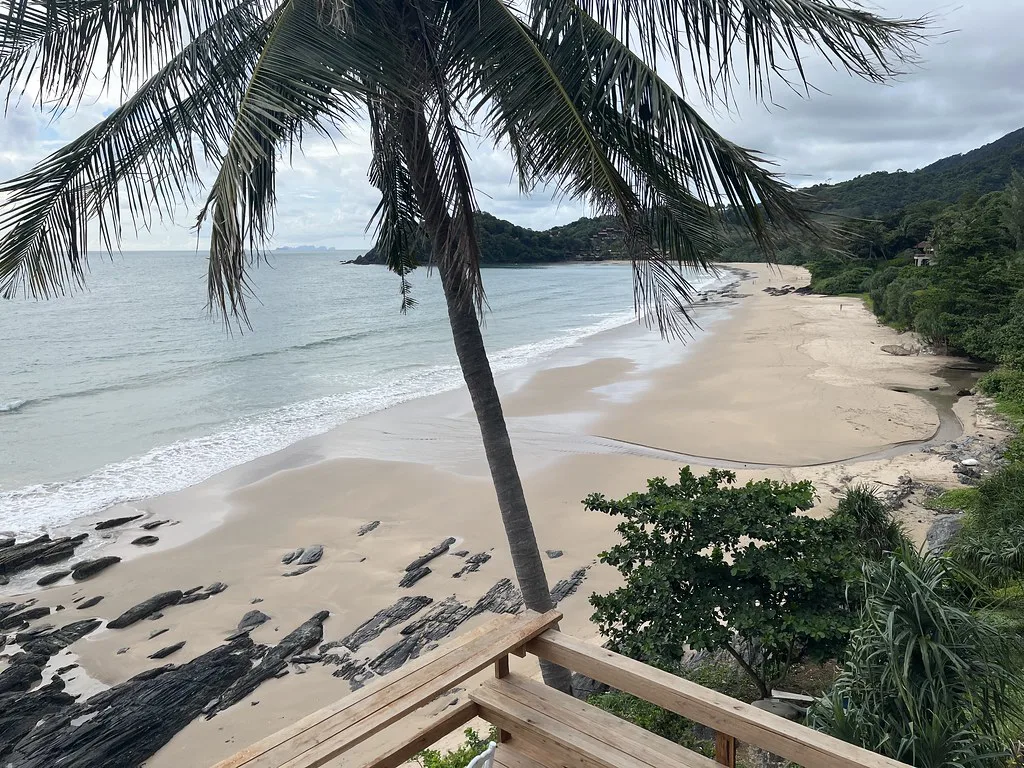
Almost everyone arrives on Koh Lanta through Saladan, the transport hub at the island's northern end, then follows the main road down the west coast past beach after beach. Transfer operators quote roughly 30 to 45 minutes by car or taxi from Saladan Pier to the southern beaches, and Kantiang sits in that same southern band. Treat that as a planning estimate rather than a timetable, since road conditions and stops vary.
A motorbike is the most flexible way to reach the bay, but the southern road is hillier and partly unpaved in places, so riders should be comfortable on uneven surfaces and take the bends slowly. A private car or taxi is easier for families, groups, and anyone carrying luggage. Scooter rental prices and taxi fares change with season and operator, so confirm the number before you set off rather than relying on a figure quoted online.
For a sense of how the island's west-coast road and beach sequence fit together, it helps to read the island as a whole before you commit to a southern base. Koh Lanta Attractions: 7 Visitor Guides is a useful index for comparing Kantiang with the busier northern beaches and the Old Town side.
Orientation: the beach, the village strip, and what's around
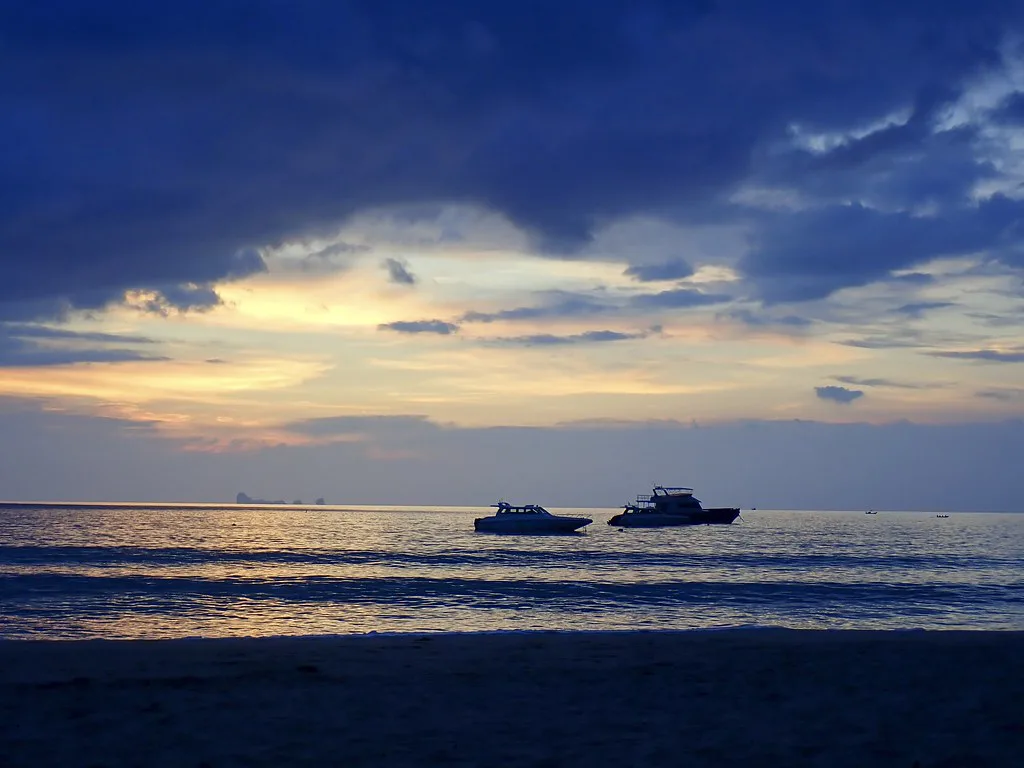
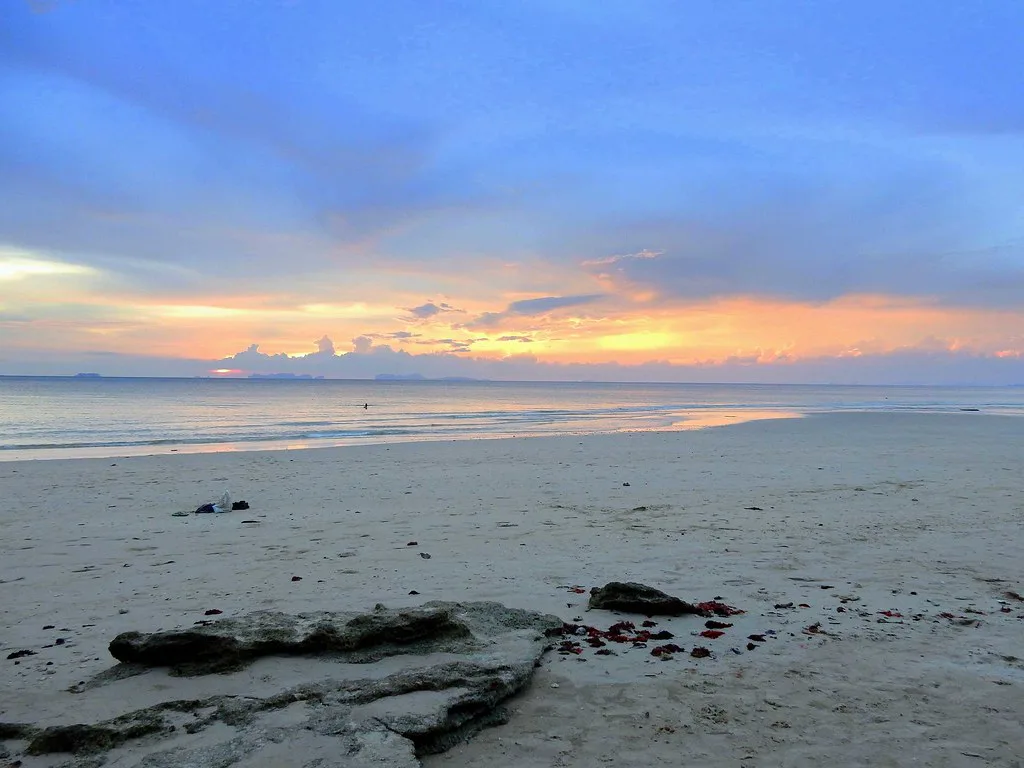
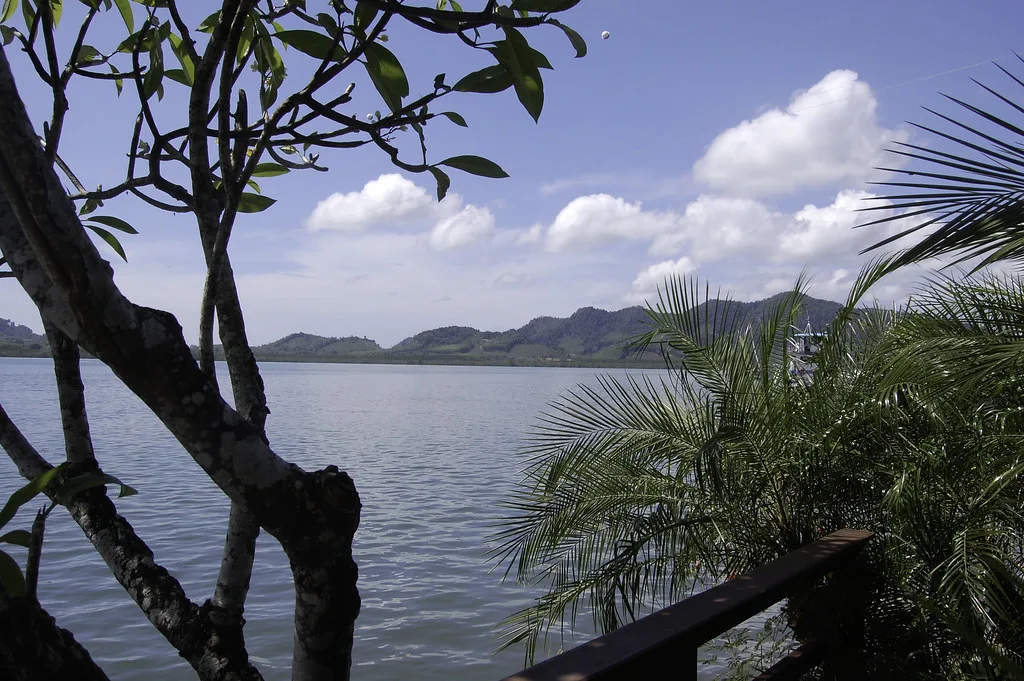
The bay is a broad sweep of sand with clear, generally calm water, framed by green hills that rise behind the village. Because the beach faces west, it is a natural place to watch the sun go down, and the light across the bay is the reason many people stay another night. Sand quality and water clarity vary along the curve, so walk a stretch before settling in for the day.
Behind the sand sits a compact village strip with small shops, eateries, and massage spots. It is limited by design, not by accident: there is no big development or noisy beach-bar scene, which draws some travelers and disappoints others. If you need a wide choice of restaurants at every meal, the northern beaches will suit you better.
South of Kantiang, Bamboo Beach, also known as Had Mai Phai, is described as one of the last beaches before Mu Ko Lanta National Park, a wide soft-sand bay with few amenities. Continue down the main southern road to reach it; the same operator puts Bamboo Beach roughly 30 to 40 minutes from Saladan and notes that some of the road is partly unpaved. The national park entrance lies just beyond, at the island's tip.


What to do on and around the bay
Swimming and beach time are the core activities, and the bay is a good place to do very little. A beach massage, a drink at a small beachfront spot, and a long walk along the sand cover most of what the bay itself offers. For a change of scene, the Old Town on the east coast makes an easy add-on to a day spent heading south.
Day tours are sold all around Koh Lanta, including the four-island itineraries to Koh Mook, Koh Chuek, Koh Kradan, and Koh Ngai, and package prices differ depending on what is included. Compare what each trip covers, such as transfers, lunch, and boat type, before paying. Listings for the Kantiang Bay area show what agencies currently offer but not what they charge on your dates.
Sunset is the anchor of the day here, so plan dinner after the light fades rather than before. If you are based farther north, decide in advance whether to drive back in the dark or stay put, because the southern road is more demanding after sunset. That is one reason travelers who love the bay choose to sleep nearby.
Eating and drinking around Kantiang
The village strip and the beachfront serve straightforward Thai food, drinks, and casual meals aimed at people staying a few nights rather than passing through. Menus and hours shift with the season and with how busy the bay is, so check what is open when you arrive instead of trusting a list assembled elsewhere. In low season, some places close or run shorter days.
Expect limited choice rather than no choice. If you want a specific cuisine or a late-night scene, eat before you head south or plan meals around the northern beaches. For a longer stay, the strip works fine for breakfast, lunch, and an early dinner, but a week of dinners here means repeating favorites.
How long to give Kantiang Bay
As a day stop, half a day is enough: the drive from Saladan takes the better part of an hour, so allow time for a swim and a late lunch or early sunset before heading back. Pairing Kantiang with Bamboo Beach and a look at the national park entrance takes a full day with an early start to avoid the midday heat.
As a base, two or three nights is the sweet spot for travelers who want quiet evenings, a beach on the doorstep, and short rides to the southern sights. A single night is often eaten up by arrival and settling in. Longer stays suit people who have already seen the island's north and want a different rhythm.
Nearby options that pair with the bay
Kantiang sits in a cluster of southern sights: Bamboo Beach just below it, the national park entrance at the tip, and the Old Town on the east coast. Following the main road south, you can pass Long Beach, Koh Lanta without stopping and still reach the south in good time, which keeps a southbound loop from doubling back. If you instead want the busier northern end, Klong Dao Beach, Koh Lanta is the developed beach closest to Saladan.
Mu Ko Lanta National Park sits at the southern end of the island beyond the last beaches. Entry fees, opening hours, and any closures are set by the park, not by the beach communities around it, so check with the park directly or at the entrance rather than assuming the details. The lighthouse area at the tip is usually visited on the same outing, but access can change, so confirm on the ground.
If you want the middle of the island rather than the far south, Klong Khong Beach is another west-coast option that keeps you closer to Saladan. Comparing it with a southern base comes down to how much of your trip you want to spend in transit on the west-coast road each day.
Getting back to Saladan and onward ferries
The main reason to think hard about Kantiang is the return trip to Saladan for onward ferries. The southern road is slower than the map suggests, so if you are catching a boat, allow more time than you think you need and arrange a private transfer or taxi in advance during high season. Confirm your ferry's check-in point and schedule with the operator rather than trusting a remembered departure time.
If your itinerary runs through Koh Lanta Noi before the main island, that smaller island is part of the arrival route when you come by road. From Saladan Pier, the drive to Kantiang follows the main west-coast road south, and a pre-booked car removes the guesswork on departure day.
Should you base yourself at Kantiang Bay?
Choose Kantiang Bay if quiet evenings, a broad calm beach, sunsets across the water, and quick access to the southern sights matter more to you than nightlife and a short ride to the ferry pier. Skip it if you have one full day on Koh Lanta or need the north's choice of restaurants and easy transfers. The long drive south is the price of the calm, and it is worth paying only if you stay a while.
Explore more Koh Lanta guides
Frequently Asked Questions
Is Kantiang Bay worth visiting on Koh Lanta?
It is worth it if you want a quieter southern beach with sunsets and a small village strip, and you are comfortable with a longer drive from Saladan. Travelers on a single full day on the island may prefer to stay closer to the north.
Can you swim at Kantiang Bay?
Yes, swimming is the main activity at the bay, and the water is generally calm. Conditions vary with weather, so look at the surf before you go in and follow how the locals and beach staff approach the water.
How far is Kantiang Bay from Saladan Pier?
Transfer operators quote roughly 30 to 45 minutes by car or taxi from Saladan to Koh Lanta's southern beaches, and Kantiang sits in that southern band. Treat it as an estimate, since road conditions, stops, and traffic can stretch the journey.
Are there restaurants and bars at Kantiang Bay?
There is a compact village strip behind the beach with casual eateries, small shops, and massage spots, plus beachfront places for drinks. Choice is limited and opening hours vary by season, so check what is open when you arrive.
Do I need to pay to visit Kantiang Bay?
The beach itself is a public bay with no ticket booth. Any charges apply to services like parking or rentals, and park entry fees at Mu Ko Lanta National Park are separate and set by the park, so confirm them at the entrance.