
Chaweng Beach: Koh Samui's Longest Beach, Section by Section

Chaweng Beach is the longest stretch of sand on Koh Samui's east coast, running roughly 7 km and divided into North Chaweng, Central Chaweng and South Chaweng, with Chaweng Noi tucked around a headland to the south. Plan around that split rather than treating the beach as one place, because each section delivers a different day. This guide covers where Chaweng sits, how to get onto the sand, what to do there and how long to allow.
What and where Chaweng Beach is
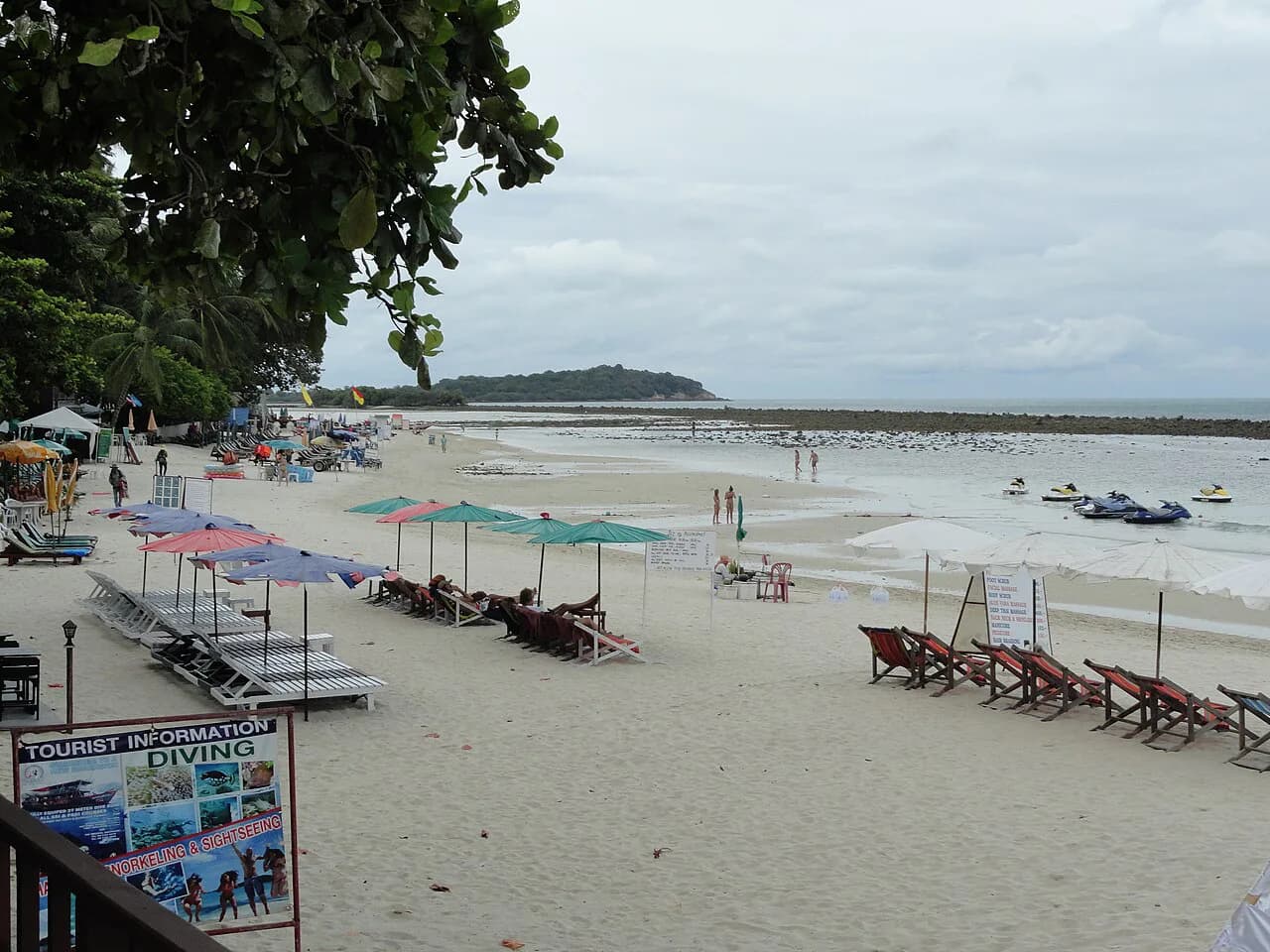
Chaweng occupies the east coast of Koh Samui in Surat Thani province, and it is the island's largest and most developed beach. It runs roughly 7 km, though sources vary between about 6 and 7 km, so treat any figure as approximate. The sand is backed by a dense commercial strip of resorts, restaurants, bars and shops rather than open coastline.
The bay sits behind a coral reef where the waves break, which leaves the swimming zone noticeably calmer than an open-water beach. Two small islands lie near the reef: you can wade to the closer one through shallow water, while the larger one further out is reached by kayak or a snorkeling trip. The reef is the single most useful thing to understand before you pick a spot, since it shapes both the water and the view.
For orientation, this is one beach within a wider island of beaches, temples and markets. If you are still deciding where to base yourself on Samui, browse Koh Samui attractions: plan a beach-led day of sightseeing before committing to Chaweng, since the beach you choose determines your daily walking distances.

How to get to Chaweng Beach
Chaweng is one of the most accessible areas on the island, roughly a 10-minute ride from Samui International Airport, about 15 minutes from Fisherman's Village in Bophut and around 20 minutes from Big Buddha. Those are approximate drive times rather than timetables, so add buffer in heavy traffic.
The practical quirk is access: there is no beach road running behind the sand, so most entry points pass through hotels and resorts. That keeps the shoreline quiet, but it means you should ask your accommodation where the nearest way onto the sand is rather than assuming you can cut through anywhere. If you are staying elsewhere on the island, a taxi or a ride-hailing app to Chaweng's main commercial strip is the straightforward approach, then make your way down to the beach through the paths you can find.
North Chaweng: shallower water and quieter sand
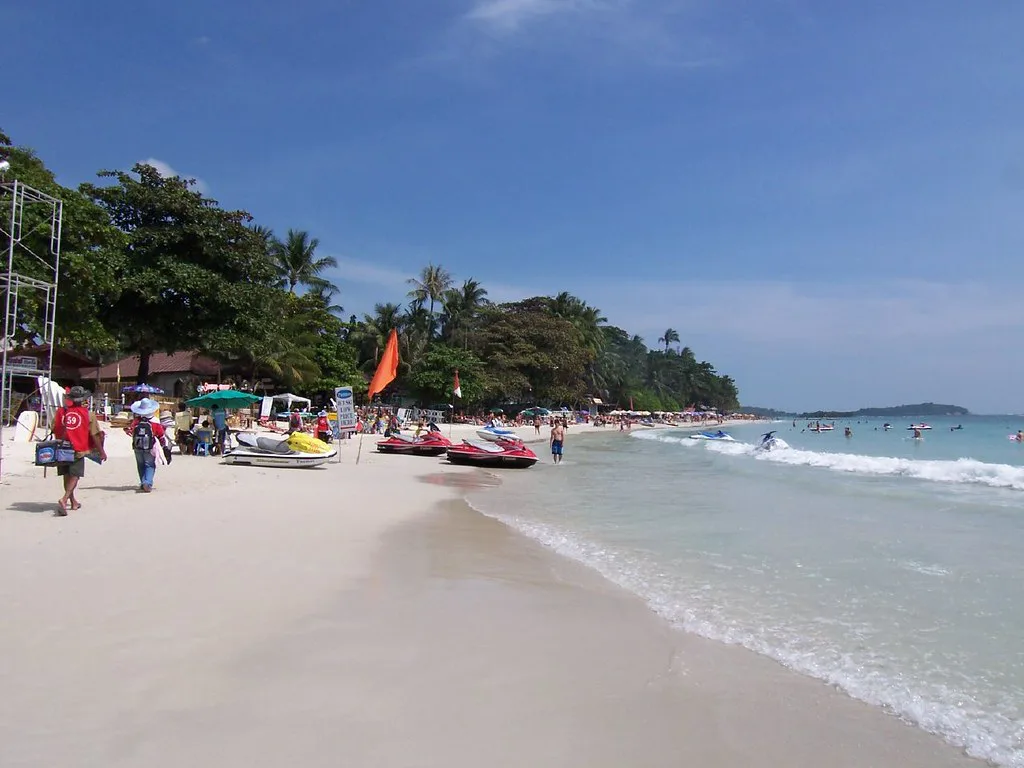
North Chaweng has shallower water and a much calmer atmosphere than the rest of the beach, which makes it the practical choice for families with children or anyone who wants distance from heavy foot traffic. The commercial strip still runs behind the sand, but the north end is the quiet zone rather than the action.
If your priority is a low-key base with a short transfer from the airport, the north end delivers both without the crowds. Couples and quieter travelers tend to gravitate here, while the beach clubs and water-sports operators sit further down the sand.
Central Chaweng: the commercial core
Central Chaweng is the busiest section and the commercial heart of the beach, holding the densest concentration of beach clubs, bars, restaurants and water-sports operators. Everything is on foot here, from lunch to a late drink, which is exactly why some visitors love it and others find it noisy.
This is also where the beach's reputation as the island's nightlife capital comes from, with beach clubs and bars running along the strip behind the sand. If you want a base where dinner, shopping and entertainment need no planning, Central removes the logistics.
South Chaweng and Chaweng Noi
South Chaweng sits between the two extremes: fewer crowds than the center, more nearby facilities than the north, and a wider shoreline that suits long walks and general recreation. The extra sand width matters at high tide, when the walking strip in other sections narrows.
Around the headland to the south, Chaweng Noi is a separate and quieter stretch rather than part of the main bay. Treat it as its own outing. As for the main beach, the samui-map guide notes that the northern and southern ends are quieter and better for relaxation, while the central area carries the most action.
What to do on the sand
Walking the shoreline is the simplest plan, and the beach is long enough that an end-to-end stroll covers real distance. Swimming is comfortable in the reef-protected bay, and the water is shallow and gently sloping in places, which makes wading easy for weaker swimmers.
Water sports cluster in Central Chaweng, where operators run jet-skiing, parasailing and banana boat rides, alongside kayaking and paddleboarding along the shore. Beachfront resorts and spas also offer Thai massages with an ocean view, which is a reasonable way to spend the hottest part of the afternoon.
Chaweng's calm, shallow water makes it easy for wading and casual swimming, while boat trips and island-hopping run from the beach and nearby waters for travelers who want a day on the water. Plan those as separate outings rather than something you fit around a few hours on the sand.
Where to eat and go out
Dining along Chaweng runs from beachfront seafood and Thai curries to international menus, and several restaurants set tables with your feet in the sand. Beachfront barbecue is the local cliché worth trying once, with fish and prawns grilled to order.
Evenings split between beach bars with live music and fire shows, and clubs where DJs play late into the night. There is also a night market in the town for shopping and street food, useful if you want to eat cheaply and walk back to a Central hotel.
Specific venues open, close and change hands constantly, and no reliable published schedule covers the whole strip. Check with your accommodation or walk the beachfront in the late afternoon, when most places have their boards out, rather than relying on a list written months earlier.
How long to allow
Budget half a day for the beach itself: a swim, a walk and a couple of hours under a palm is the natural rhythm. Add lunch and an afternoon massage and you have used most of the day without leaving the sand.
Stretch it to a full day if you want the beach, a proper meal, some shopping on the commercial strip and an evening out. The mistake is treating Chaweng as a quick stop: the beach is long, the walk between sections takes time, and Central's traffic makes short hops slower than the map suggests.
Nearby add-ons worth the detour
Big Buddha, properly Wat Phra Yai, is roughly a 20-minute drive away and pairs naturally with a morning on the northern end of the beach. Fisherman's Village in Bophut, about 15 minutes off, is the other obvious add-on for an evening of dining and browsing.
South along the coast, Lamai Beach offers a different, slightly slower beach scene, which makes a sensible half-day pairing with Chaweng if you have already covered the main bay. Pick one add-on, not both, if you only have a full day.
Before you go: what to confirm
Access is usually through hotels and resorts, since there is no beach road behind the sand. Arrivals generally come through those hotel paths or the gaps between the commercial strip's properties. Because access points are not signposted consistently, confirm the nearest one with wherever you are staying before you set out.
Water conditions and the state of the sand shift with the season, and the sources do not publish a reliable month-by-month picture, so ask locally about current swimming conditions and any buildup of weed or erosion before you commit a whole day. Current details on restaurants, beach clubs and the night market are best confirmed on arrival, since published hours are scarce.
Which section of Chaweng should you pick?
Choose North Chaweng if you want shallow water, quiet sand and a short airport transfer, accepting that dinner means heading south. Choose Central if you want everything on foot and do not mind noise, and choose South if you want a wider beach and long walks with facilities still close by.
Whichever you pick, half a day covers the beach and a full day covers the beach plus meals and an evening out. Line up your access path before you go, and treat Chaweng as a base with add-ons like Wat Phra Yai rather than a single sight to tick off.
Explore more Koh Samui guides
Frequently Asked Questions
Is Chaweng a nice part of Koh Samui?
It is the island's most developed beach, so it suits travelers who want restaurants, bars and shops within walking distance of the sand. If you want quiet, pick the north end or look further afield; if you want convenience and nightlife, Central Chaweng is hard to beat.
How do you actually get onto Chaweng Beach?
Most access runs through hotels and resorts, since there is no road directly behind the sand. Ask your accommodation to point you to the nearest path, or walk down from the commercial strip until you find a gap between properties.
Can you swim at Chaweng Beach?
Yes. A coral reef breaks the waves offshore, which leaves the bay calmer than an open-water beach, and the water is shallow and gently sloping in places. Ask locally about conditions on the day you plan to swim.
How long does Chaweng Beach take to visit?
Half a day is enough for a swim, a walk and some time on the sand. Allow a full day if you want lunch, shopping along the commercial strip and an evening out, and remember that walking between the north, central and south sections takes real time.