
Railay East: What the Peninsula's Working Side Is Really Like

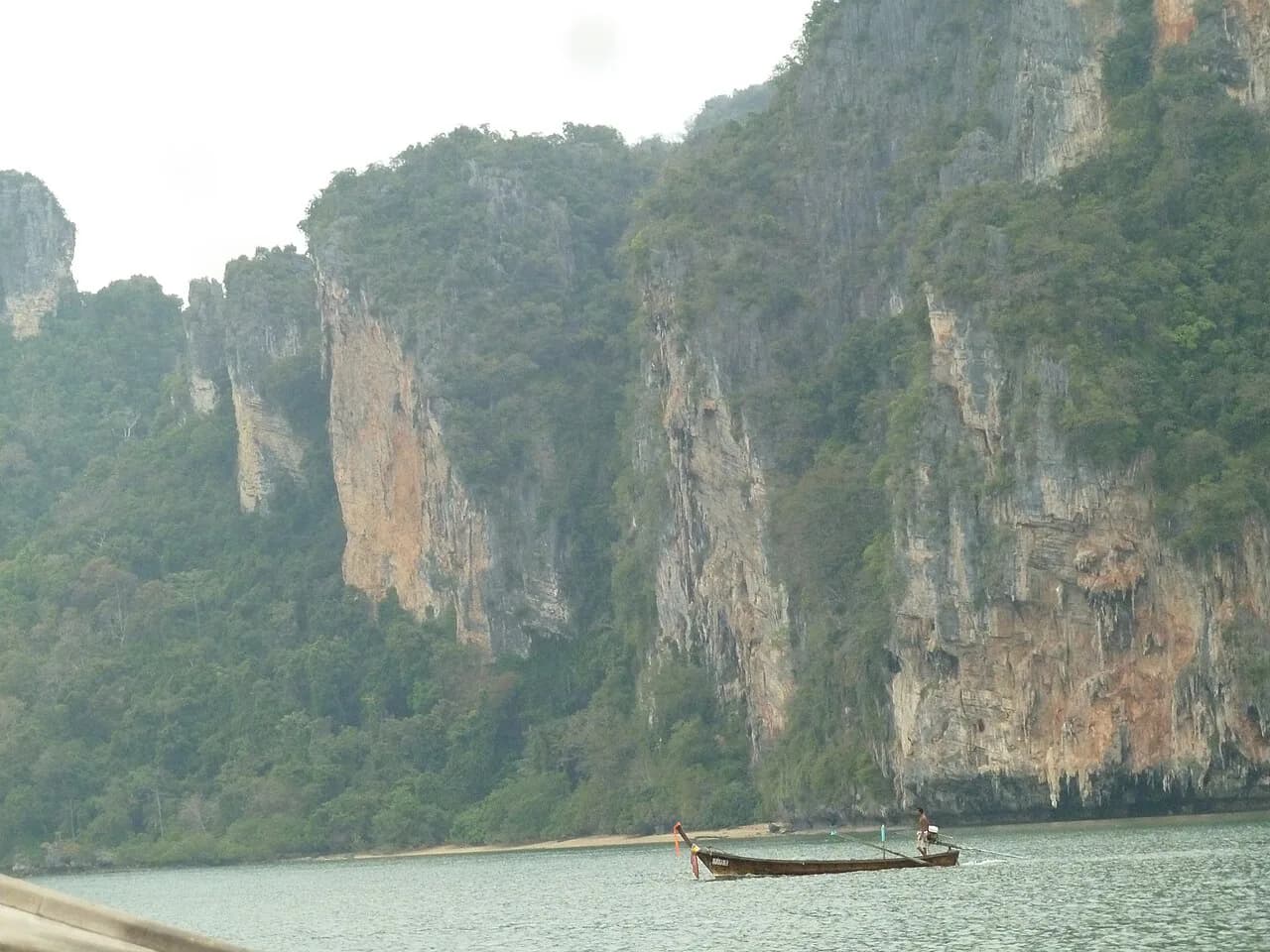
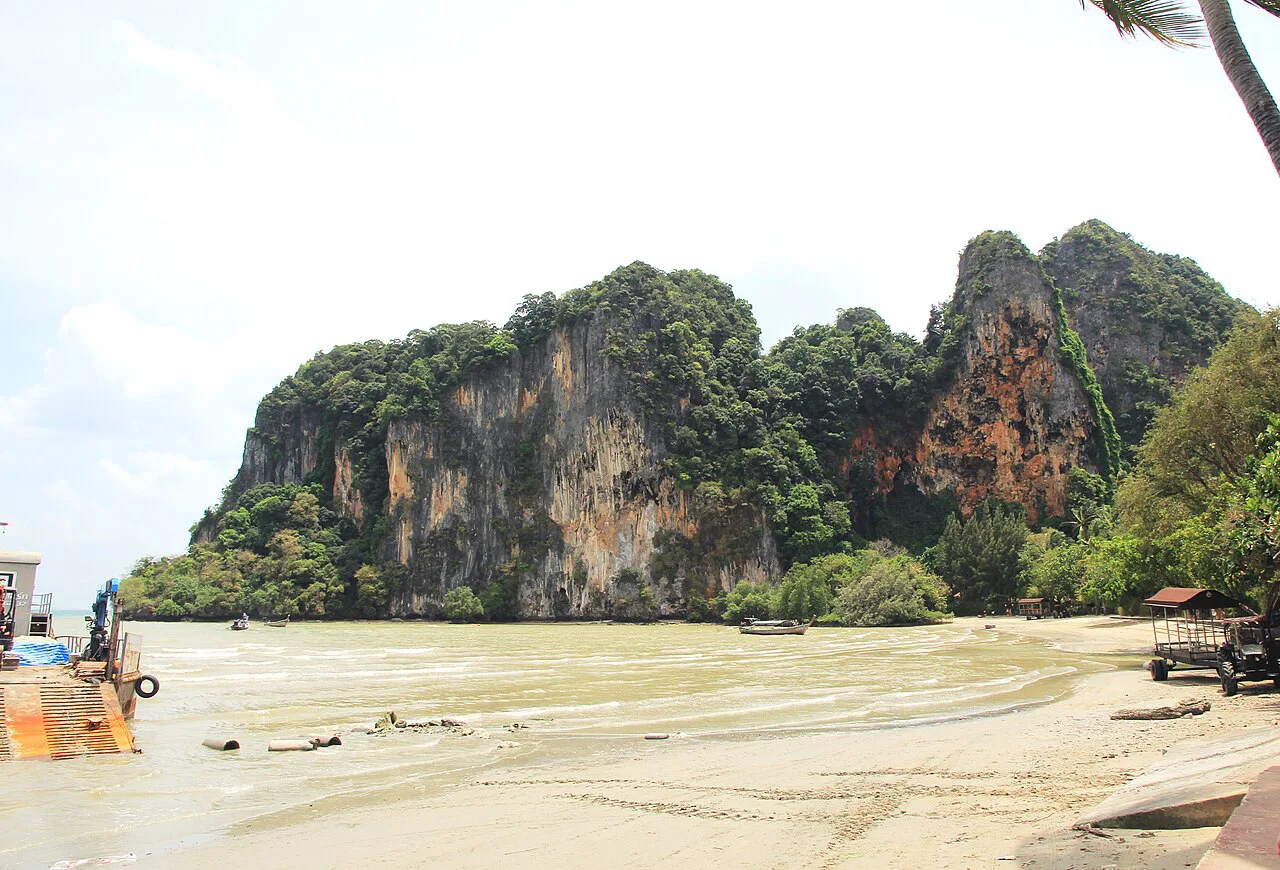
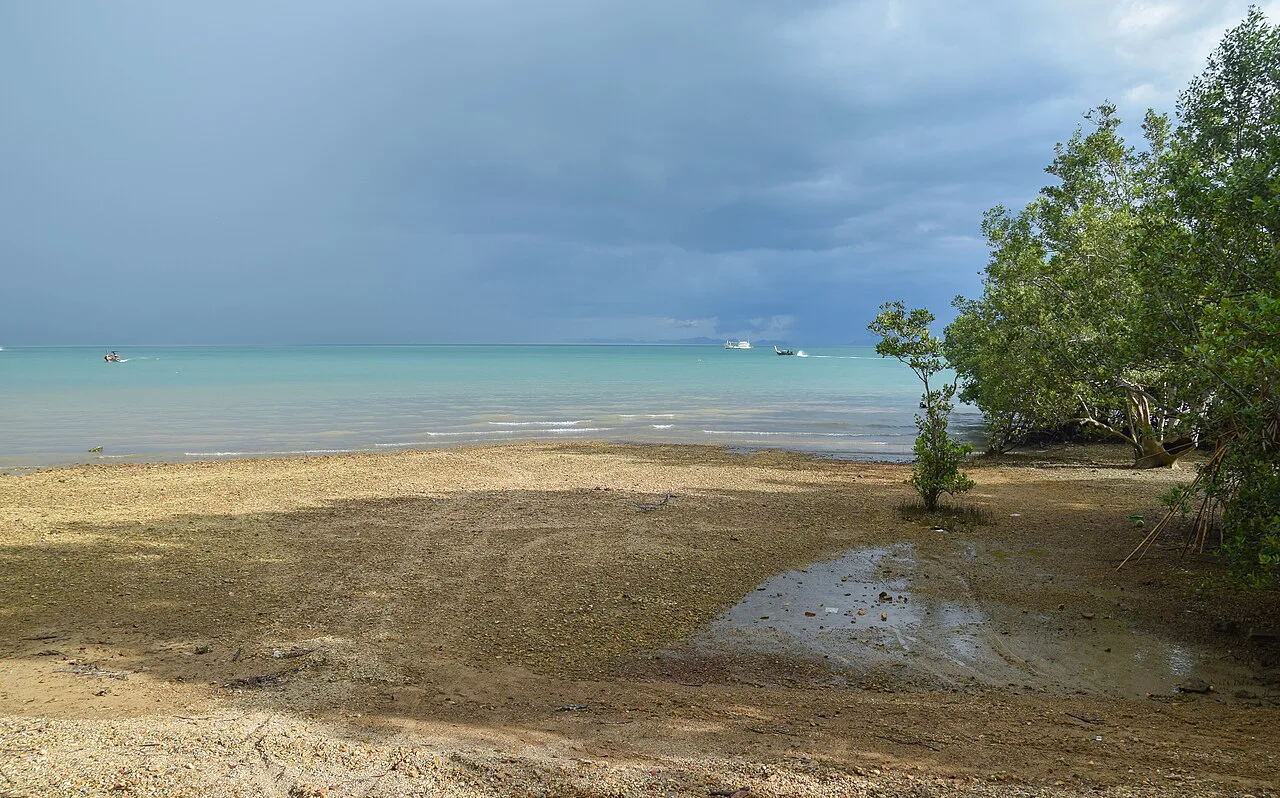
Railay East is the mangrove-facing, non-swimming half of the Railay peninsula in Krabi Province, and it is about five minutes' walk from the sand at Railay West. Expect a working waterfront rather than a beach: the water pulls back across mud flats at low tide, longtails from Krabi town land at a floating pier, and climbing schools, cheaper guesthouses and most of the bars cluster along the path. This page covers what is actually on the East side, how it compares with the West, and how to decide whether to sleep here.
If you are weighing the whole peninsula rather than this one side, start with the broader picture in Railay neighborhoods: where each beach base fits and come back here for the East-side detail. Everything below stays on this district, with Railay West and Phra Nang mentioned only as walks you make from it.
What Railay East Actually Is
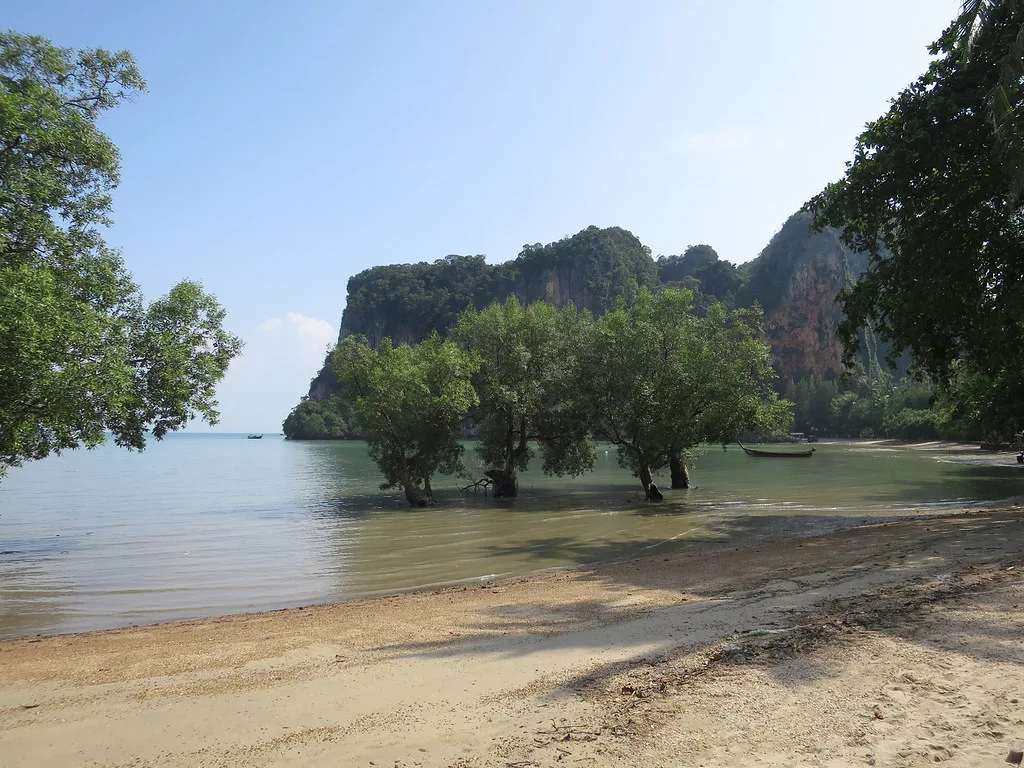
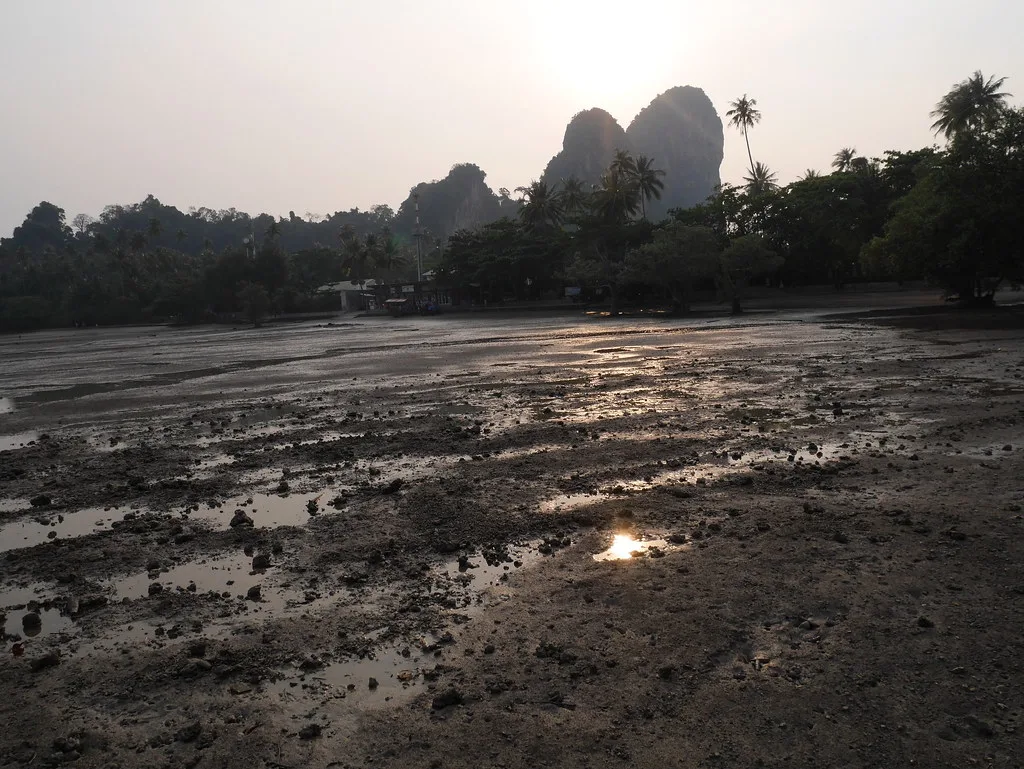
The East shore faces back toward the mainland across a shallow bay lined with mangroves. The sea retreats a long way at low tide and leaves mud flats, so this is not where you swim; think of it as the peninsula's working side, where boats land and businesses operate. Railay West, with the swimming beach, is a short flat walk across the peninsula.
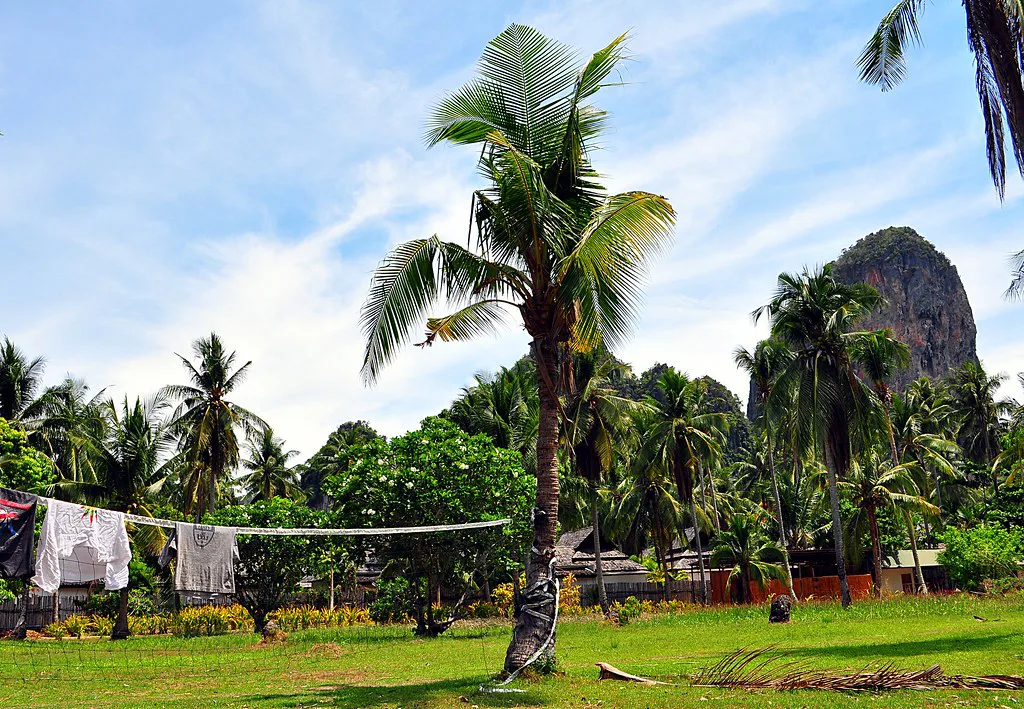
Because Railay is cut off by limestone cliffs, there are no cars or scooters, and everything moves on foot along sandy and paved paths. That makes the East side unusually quiet in terms of traffic and unusually compact in terms of logistics: your room, your dinner and your boat are all within a few minutes of each other. The peninsula is technically mainland, not an island, but the boat-only access gives it an island feel.
Railay East vs Railay West: Which Side Suits You
Railay West is where the longtails from Ao Nang arrive and where the swimmable beach sits. Railay East is where boats from Krabi town and Ao Nam Mao land, where the floating pier handles luggage more conveniently, and where budget rooms and climbing outfits concentrate. If swimming is your priority, sleep West; if you want cheaper beds, easier boat connections and a shorter walk to Phra Nang, sleep East.
The trade-off is atmosphere by time of day. Day-trippers crowd the peninsula through the middle of the day and thin out toward evening, so the East side's bars and paths feel different once the boats thin out. Light sleepers should ask about boat noise near the pier and about stairs at hillside properties before booking.
Who Should Stay on Railay East, and Who Should Not
Railay East suits travelers who want a compact base with cheaper guesthouses, climbing schools on the doorstep and short walks to Phra Nang and the West beach. It also works for anyone arriving from Krabi town or Ao Nam Mao, since the boat drops you on this side.
It does not suit anyone expecting a beach outside the room: there is no swimming here, and the mud flats at low tide are not scenic in the way the West beach is. If you want sand at the door, book Railay West or base yourself in Ao Nang and day-trip over. Travelers with limited mobility should also weigh the stairs at hillside stays and the absence of vehicles.
Getting There: Longtails and Speedboats
Longtails run from Ao Nang to Railay West and from Krabi town's Chao Fah Pier to Railay East; one source reports the Ao Nang crossing at about 100 THB one way and the Krabi town run at roughly 150 THB per person taking around 45 minutes, both approximate and worth confirming locally. Boats generally leave when they fill rather than on a fixed timetable, so build in waiting time and keep small notes handy. Arriving at the East floating pier is easier with luggage than stepping off onto the West beach.
There is also a scheduled speedboat link from Ao Nam Mao Pier, useful if you are coming from Krabi International Airport by road first. Speedboat services to the Railay East floating pier are sold as point-to-point tickets with published fares, so compare those against the longtail before you commit.
Getting Around on Foot
Once you are on the peninsula, you walk. The flat path between Railay East and Railay West takes about five minutes, and continuing to Phra Nang Beach adds a comfortable stroll along the base of the cliffs. The East side is also the start of the walkway to Phra Nang, which makes it a practical base if that beach is your main draw.
Paths are sandy and occasionally rough, and there are no vehicles for hire, so plan on carrying your own bag from the pier to the room. If a hotel offers luggage help, take it, especially on the hillside properties with long staircases.
Where to Stay on the East Side
Accommodation on Railay East skews cheaper than Railay West, and hillside spots trade stair climbs for views. Railay Hilltop is one budget option, though it requires a lot of stairs, with a small lift for luggage. Ask about stairs, luggage handling and distance to the pier before you book, since a short walk on a map can mean a steep climb in practice.
Higher-end stays exist on the peninsula, including Rayavadee, which sits between the beaches with direct access; expect prices far above the guesthouses and book early in high season. Wherever you stay, confirm whether the room faces the pier or the mangroves, because that determines how much boat noise you hear in the morning.

Where to Eat and Drink on Railay East
The East side is where most of the bars and the restaurants locals use are found, according to one guide, which makes it the peninsula's evening hub once day-trippers leave. Expect casual Thai cooking and drinks along the path rather than destination dining, and check menus as you walk.
Everything arrives by boat, which is why food and drink on the peninsula generally cost more than in Ao Nang or Krabi town. If you are on a tight budget, eat your main meal on the East side and treat West-side beachfront spots as an occasional splurge.
Climbing Schools and the Walls Above the Path
Railay is one of the world's best-known sport climbing destinations, and the schools operate from the East side, with ropes on the walls above the path from early morning. Courses and guided days are sold by the school, not by a central office, so compare what each includes, such as gear and instruction time, before you commit.
You do not need to climb to book a beginner session: the East side is the natural place to ask about courses. Prices for courses are not published consistently, so ask at the shop and confirm what the fee covers rather than relying on older blog figures.

The East Viewpoint Climb and the Lagoon Side Trip
The most accessible viewpoint sits on the East side, but accessible does not mean easy: it is a mostly vertical climb up with ropes to help, taking roughly 10 to 15 minutes depending on fitness and traffic on the route. At the top the path splits, with the viewpoint to the left and the lagoon to the right; the lagoon fills at high tide and is empty at low tide, and the final descent is steep. Only attempt it in dry conditions, because the mud makes the ropes and trail slippery.
Time your climb for high tide if you want the lagoon to have water and the East shore to look its best. Go early to beat the heat and the queue of people coming down the same ropes.
Phra Nang Beach and the Princess Cave on Foot
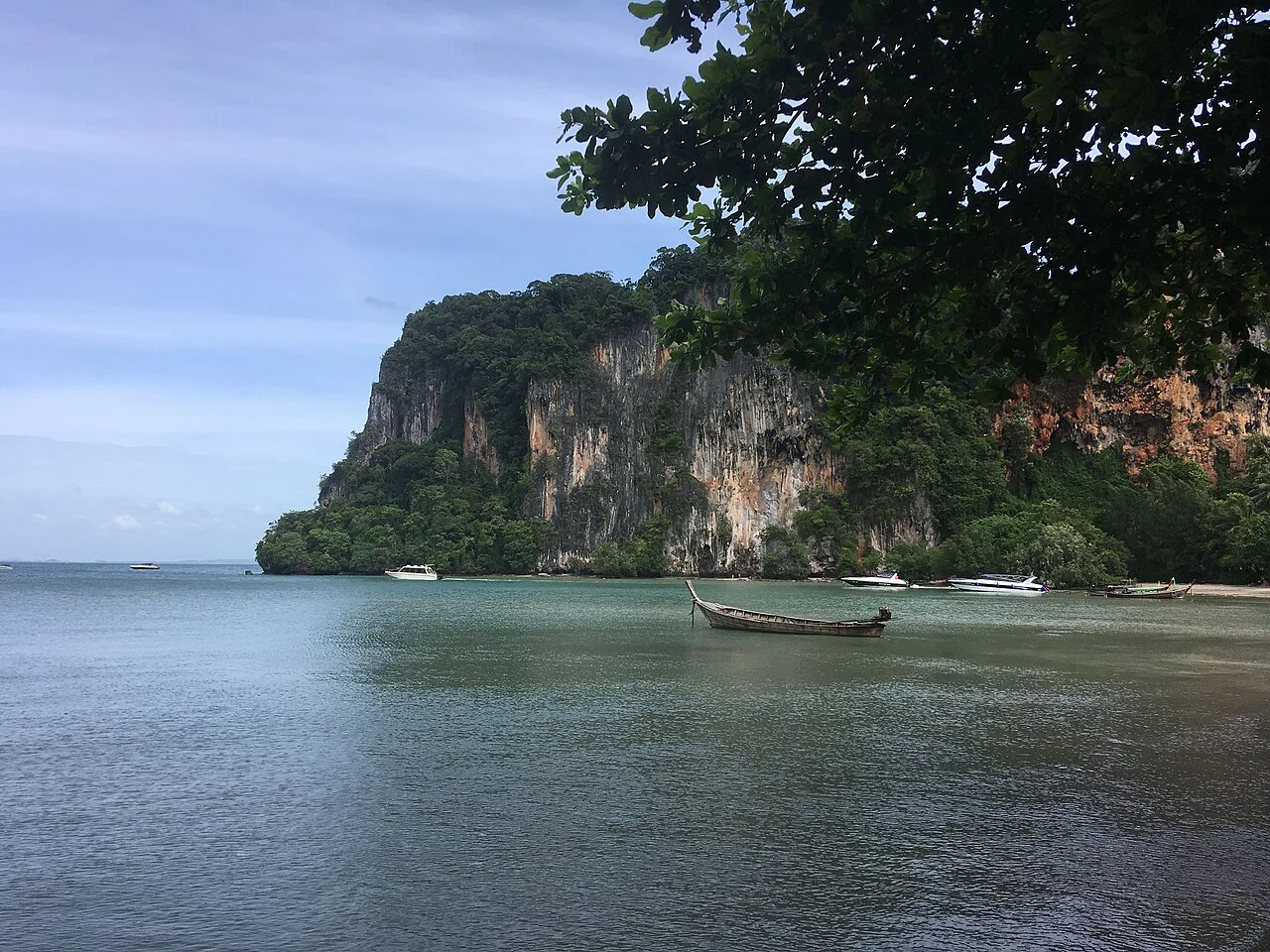
Phra Nang Beach, reached on foot from the East side, is often called the peninsula's most beautiful beach, and the walkway from Railay East makes it a worthwhile outing. The Princess Cave, also known as Phra Nang Cave, sits at the beach and is worth a look on the same outing.
Pack light for the walk and carry water. If you are staying on the East side, you can go early and still have the afternoon free.

Sunset on Railay West
The reliable end to a day on the East side is to walk the five minutes across to Railay West and watch the sun go down over the bay. Evening is also when the day-trippers leave, so the walk back to your room on the East side is calmer than the afternoon.
How Many Nights Railay East Deserves
One night covers the core: arrive, walk to Phra Nang, climb the viewpoint in the morning, and take a boat out the next day. Two nights let you add a climbing session or a slow morning on the West beach without rushing the boats.
A sensible day structure: climb early while it is dry and cool, walk to Phra Nang before the day-trippers arrive, laze on Railay West through the afternoon, then eat and drink on the East side in the evening. Keep one flexible slot for the weather, since a wet path changes the viewpoint plan.
Should You Book Railay East or Somewhere Else?
Book Railay East if you want the cheaper beds, the climbing schools, the easy pier arrival and the evening bars, and you accept that you will walk to swim. Book Railay West if a beach outside the door matters more than budget, and base yourself in Ao Nang if you want more choice and easier onward transport. Either way, check boat fares and any hotel rates when you book rather than relying on older figures.
Tonsai, the climber-oriented beach around the headland, is worth comparing before you commit; see Tonsai, Krabi: A Climber Beach Guide to Staying and Getting There.
Explore more Railay guides
Frequently Asked Questions
Can you swim at Railay East?
No. Railay East faces mangroves and shallow water that retreats across mud flats at low tide, so it is not a swimming beach. The swimmable sand is at Railay West, about five minutes' walk across the peninsula.
How do you get to Railay East from Krabi town?
Longtails run from Chao Fah Pier in Krabi town to the Railay East floating pier, and boats usually leave once they have enough passengers rather than on a timetable. Ask at the pier for the current fare and expected crossing time when you arrive.
Is Railay East good for a first visit to Railay?
It works well as a base because the pier, budget rooms and climbing schools are here, and Phra Nang and Railay West are short walks away. Travelers who want a beach on the doorstep should pick Railay West instead.