Phitsanulok Weather: Best Time to Visit, Seasons & Heat Guide
Phitsanulok is hot year-round. See the seasons, the best months to visit, how humid heat feels, and how to plan around rain and haze.
On this page
Last updated November 2026. Phitsanulok weather is hot and humid all year, with a hot season, a rainy season and a cooler, drier stretch. Most visitors find November to February the easiest window, with haze and crowds as the main caveats. Use this guide for seasonal patterns, then check a live forecast before you pack.
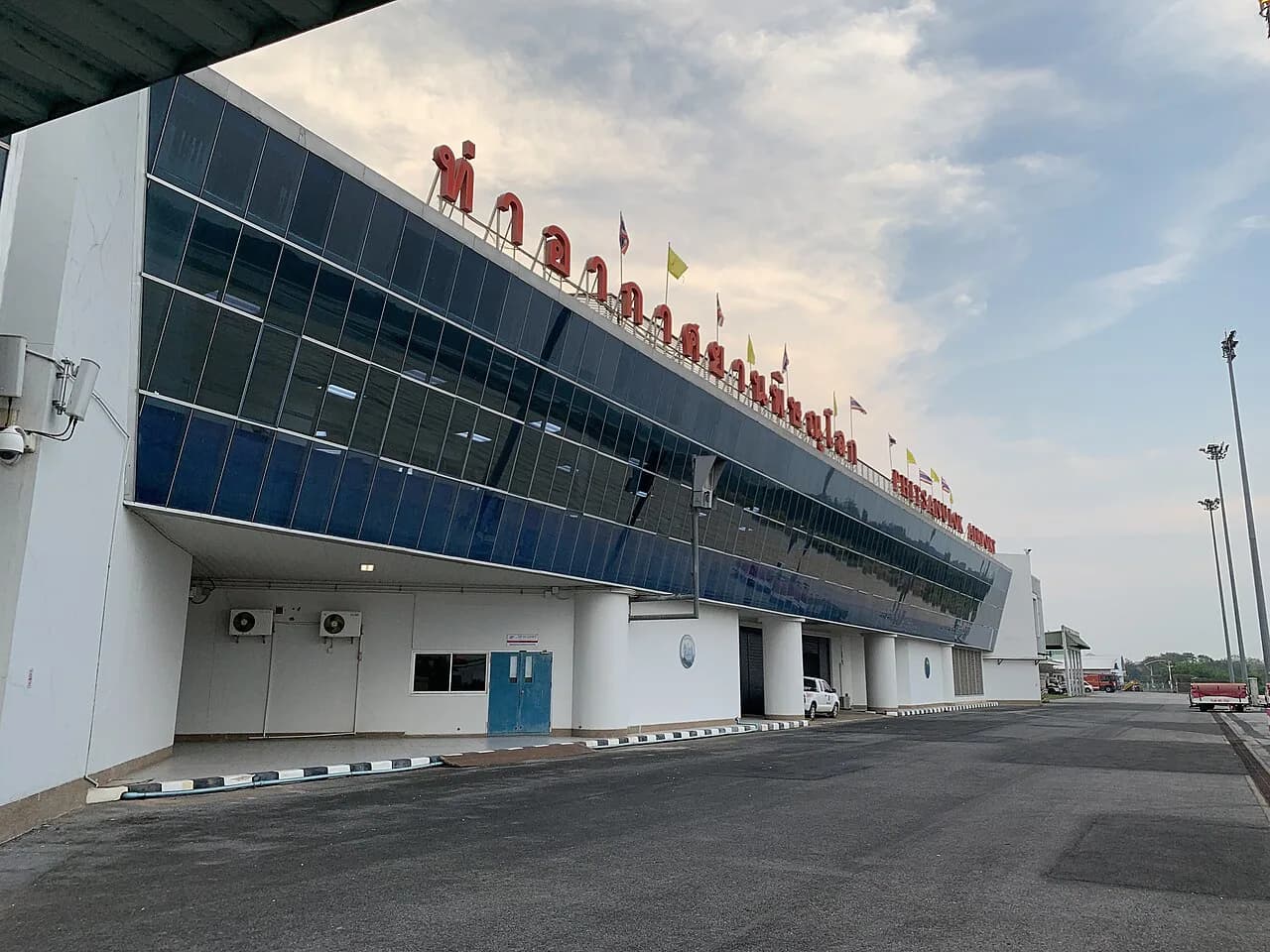
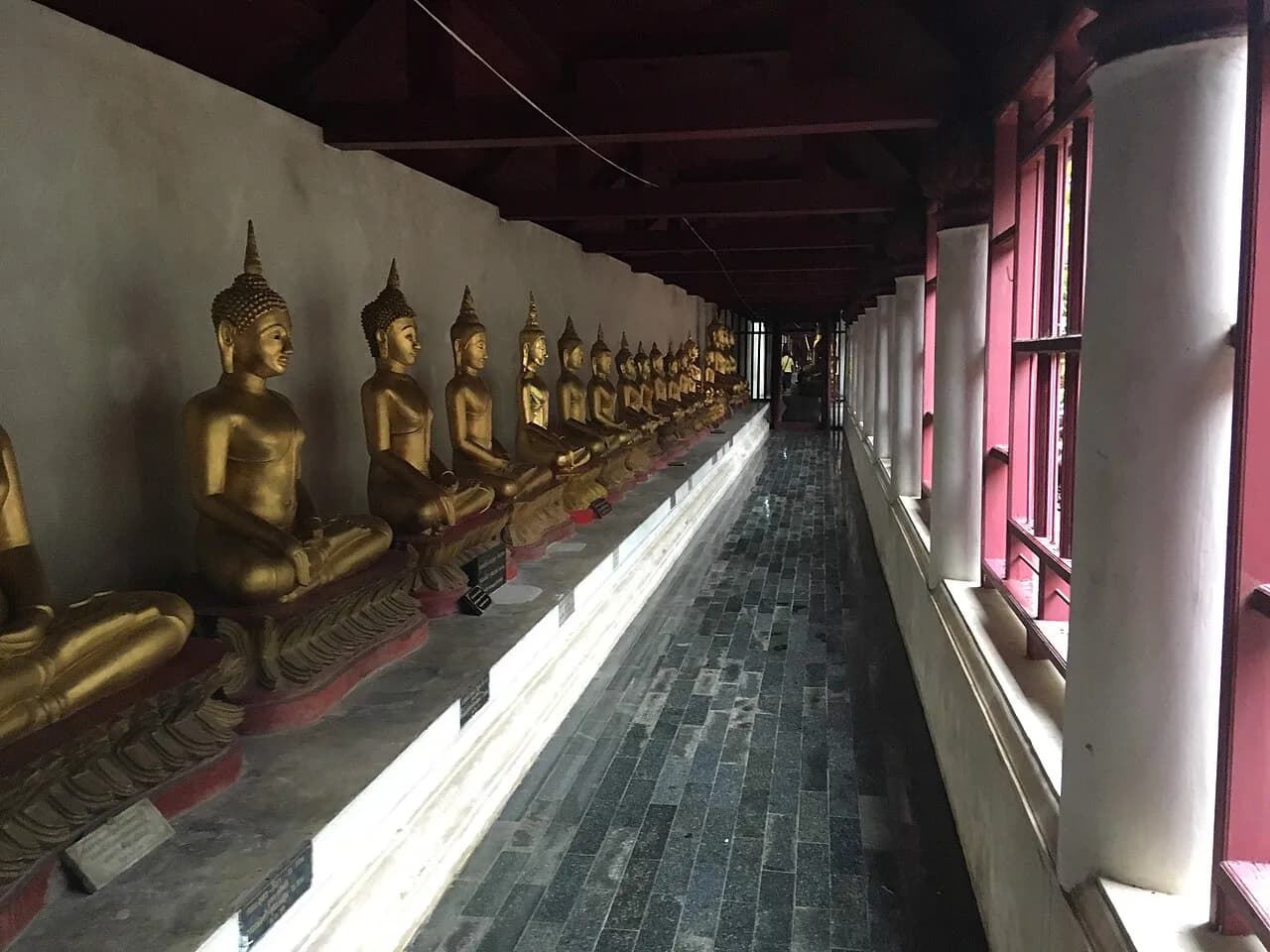
Featured image: katsunori.n, CC BY 3.0, via Wikimedia Commons.
Phitsanulok weather at a glance
Phitsanulok sits inland in Thailand's lower north, so heat builds without a sea breeze. Expect three broad seasons. Hot season typically runs March to May. Rain typically dominates May to October. Cooler, drier weather typically arrives November to February. Regional guides give these windows for northern and central Thailand, and local years vary. A Met Office forecast snapshot dated 5 November 2026 showed daytime highs near 30–33°C (86–91°F) and nights near 22–26°C (72–79°F). That is a one-week forecast, not a climate average. For this week's conditions, open the Thai Meteorological Department forecasts.
Best time to visit Phitsanulok
Pick your season by what you tolerate least: heat, rain or haze. Month boundaries are approximate. Ratings below are qualitative and based on regional patterns, not measured Phitsanulok averages. Budget swings are real but unverified. As an illustration only, not a quoted rate, a room at ฿1,000 in a quiet rainy week could cost ฿1,500 in a busy cool-season week. Compare current listings for your dates.
| Season | Typical months | Heat | Rain | Haze | Crowds and prices | Verdict |
|---|---|---|---|---|---|---|
| Hot | March to May | Very high | Low to rising | Possible early in the season | Usually quieter | Only with an early-start routine |
| Rainy | May to October | High and humid | Frequent showers | Usually lower | Often the best deals | Good for flexible, budget-minded trips |
| Cool, dry | November to February | Hot by day, milder mornings | Low | Possible late in the period | Usually busiest and priciest | Best window for most visitors |
Hot season: planning around the midday heat
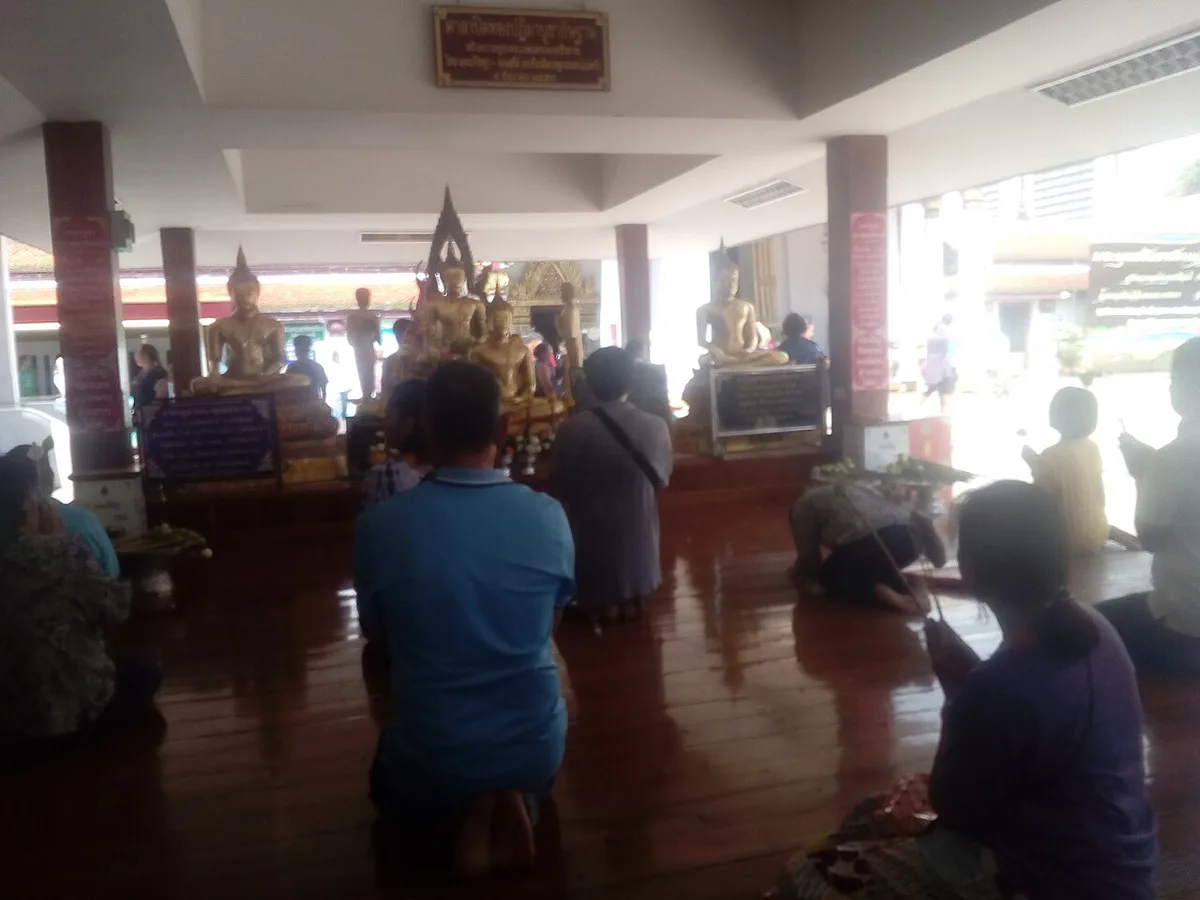
Hot-season afternoons make long temple walks unpleasant. Regional guides report central Thailand often passing 35°C (95°F) in March and April. Treat that as a pattern to verify. Start sightseeing around sunrise. On the 5 November snapshot, sunrise was 06:18 and sunset 17:46. Retreat indoors from about 11am to 3pm, when UV guidance recommends shade. A cooling massage break suits that gap. Return to the streets once the sun drops. In the evening, Phitsanulok Night Market Guide: Saturday Walking Street & Evening Options is the easier plan.
Rainy season: showers, floods and flexibility
Rain often arrives as showers rather than all-day downpours, but verify this against official climatology. Plan one outdoor block in the morning and keep the afternoon flexible. Rain chances in the November snapshot ranged from 10% to 60% by hour. That is a forecast, not a wet-season norm. During the wet months, check Thai Meteorological Department warnings and Department of Disaster Prevention and Mitigation advisories. Do not assume river paths are open after heavy rain. Pack a light rain layer. Keep indoor backups ready from the Phitsanulok activity guide.
Cool, dry season: the peak window with trade-offs
November to February is the usual sweet spot for walking, cycling and temple visits. Even so, days stay warm. The 5 November snapshot showed overnight lows between 22°C (72°F) and 26°C (79°F), and early-morning chill is not something to count on. Crowds and prices are often higher in this window, so book earlier. Haze can appear late in the season, which the air quality section covers. Evenings are pleasant for eating out, and Phitsanulok Nightlife: Bars, Night Market and What to Expect is worth a look after dark.
With overnight lows between 22°C (72°F) and 26°C (79°F), the light layer on the packing list covers air-conditioned rooms, since early-morning chill is not reliable.
Feels-like heat, humidity and sun
Air temperature understates how hot Phitsanulok feels. On 5 November, the Met Office showed a 33°C (91°F) high with a feels-like peak of 37°C (99°F). Humidity ranged from 58% to 91% that day. Drink water steadily, not only when thirsty. The same page rated UV at 8, Very High, and advised shade from 11am to 3pm. Wear a hat, sunscreen and a light long-sleeved shirt. Common weather mistakes include walking at noon, skipping water and trusting the air temperature alone.
A 33°C (91°F) high with a feels-like peak of 37°C (99°F) on 5 November runs hotter than the 35°C (95°F) central Thailand often passes in March and April.
Air quality and haze
Northern Thailand has a known burning-season haze, usually in the dry months before the rains. Phitsanulok's exposure and exact timing should be checked with an official monitor, because this guide has no sourced readings. Asthma, heart conditions and respiratory sensitivity make this matter more. Check live air quality on the day, and keep indoor options ready. Postponing outdoor plans by a day is often easier than pushing through poor air. If haze worries you, rainy-season and early cool-season months are the lower-risk choices, but verify.
What to pack by season
Pack for heat first, then adjust for rain or haze.
- All year: breathable clothes, hat, sunglasses, sunscreen, refillable water bottle
- Hot season: extra shirts, electrolyte sachets, light scarf for sun
- Rainy season: compact rain jacket, quick-dry shoes, waterproof phone pouch
- Cool, dry season: one light layer for air-conditioned rooms and early mornings
- Haze risk: mask rated for fine particles if you are sensitive
Plan your days around the weather
A hot-day shape works in four blocks. Do outdoor sights from sunrise to about 10am. Rest indoors from 11am to 3pm. Resume light walking late afternoon. Finish with an evening meal at the night market. A rainy-day shape swaps in covered stops and flexible timing. Start with indoor attractions, then check the radar for a dry gap. For specific stops, use our 6 Best Things To Do In Phitsanulok: Temples & Night Markets list to match each block.
Getting there and around in different weather
Weather affects comfort more than routes here. Hot-season road trips are easier with a full water bottle and air conditioning. Storms in the rainy season can delay travel, so leave buffer time. Check arrival options at Phitsanulok Airport (PHS): Getting To and From the City. Overland travellers can read about getting from Bangkok. This guide does not list schedules or fares. Confirm both with State Railway of Thailand or the airport operator.
Is Phitsanulok worth visiting in your season?
Yes, if you match the season to your tolerance. Heat-averse visitors should aim for November to February. Budget travellers may prefer the rainy months. Short stopovers work in any season with an early start. For a broader verdict, read Is Phitsanulok Worth Visiting? Honest Verdict.
Frequently Asked Questions
Is the weather bad in Thailand right now?
Conditions differ by region and change daily. Check the Thai Meteorological Department for current warnings. A Met Office snapshot on 5 November 2026 showed mostly sunny days near 30–33°C (86–91°F) in Phitsanulok.
What to do in Phitsanulok?
Match activities to the weather. Do outdoor sights early and keep midday for indoor stops. Our Phitsanulok activity guide lists options.
Notes for your Thailand trip
Optional updates when we add or change a town or island guide.
You might also like
Continue reading
More guides you'll find useful