
Wat Suan Mokkh: A Visitor's Guide to Surat Thani's Forest Monastery

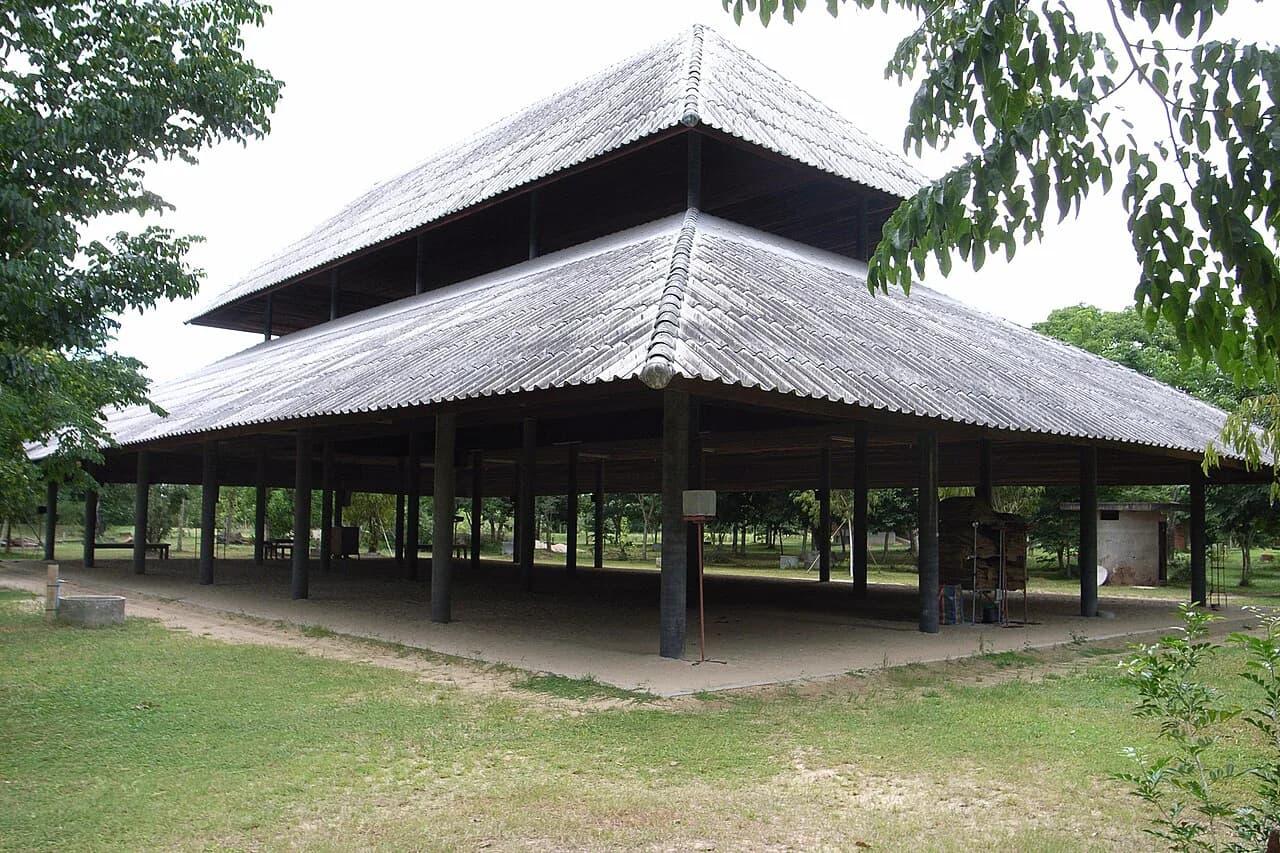
Wat Suan Mokkh is a forest monastery in Chaiya, northern Surat Thani Province, and it rewards roughly one to two hours of unhurried walking rather than a rushed pass-through. The grounds are informal: you wander tree-lined paths past teaching buildings and a boat-shaped structure, and the available material does not document a ticket window or a marked circuit, so confirm entry details before you set out. This guide covers where the temple sits, how the last stretch from Surat Thani works, what to hunt down inside, and what to pair with the trip.
What Wat Suan Mokkh Is and Where It Sits
Suan Mokkh means Garden of Liberation, and the name fits a contemplative forest monastery rather than a shrine complex with a grand ordination hall. The Buddhist Institute of Asia describes it as a forest monastery on the coast of Southern Thailand, about 600 km from Bangkok, founded in 1932 by Buddhadāsa Bhikkhu. It sits in Chaiya District, the same area that holds the region's best-known Srivijaya-era monument.
Chaiya is a district of Surat Thani, not part of the city itself, so plan the temple as a separate run north rather than a stop you fold into an afternoon downtown. If you are new to the province and weighing what else is worth the drive, the broader Surat Thani attractions guide helps you batch Chaiya sights into one trip.
There is a second entity to keep straight: the Suan Mokkh International Dharma Hermitage. Its own page gives an address of 68/1, Lamet, Chaiya District, which suggests a separate facility from the freely walkable monastery grounds. If you are searching for a structured English-language stay, that is the name to look for, and you should treat its program as distinct from simply wandering the temple.
How to Get There from Surat Thani
Most travelers base in Surat Thani city and drive or hire a car north to Chaiya, which puts the temple within reach of a morning outing. Public transport in the district is thin, so a private car, a hired driver for the day or a Grab booked from town is the more predictable option than trying to piece together local buses. Confirm the return leg before you set out, because the temple is not on a busy pickup corridor.
The last stretch runs through Chaiya's quiet roads and brings you to the monastery entrance, where you park and walk in on foot. Arriving before 7 am is one visitor's advice, mainly for soft light and cooler walking on the exposed paths; that is a personal note, not a posted rule. Whenever you come, expect to cover the grounds on foot rather than by vehicle.
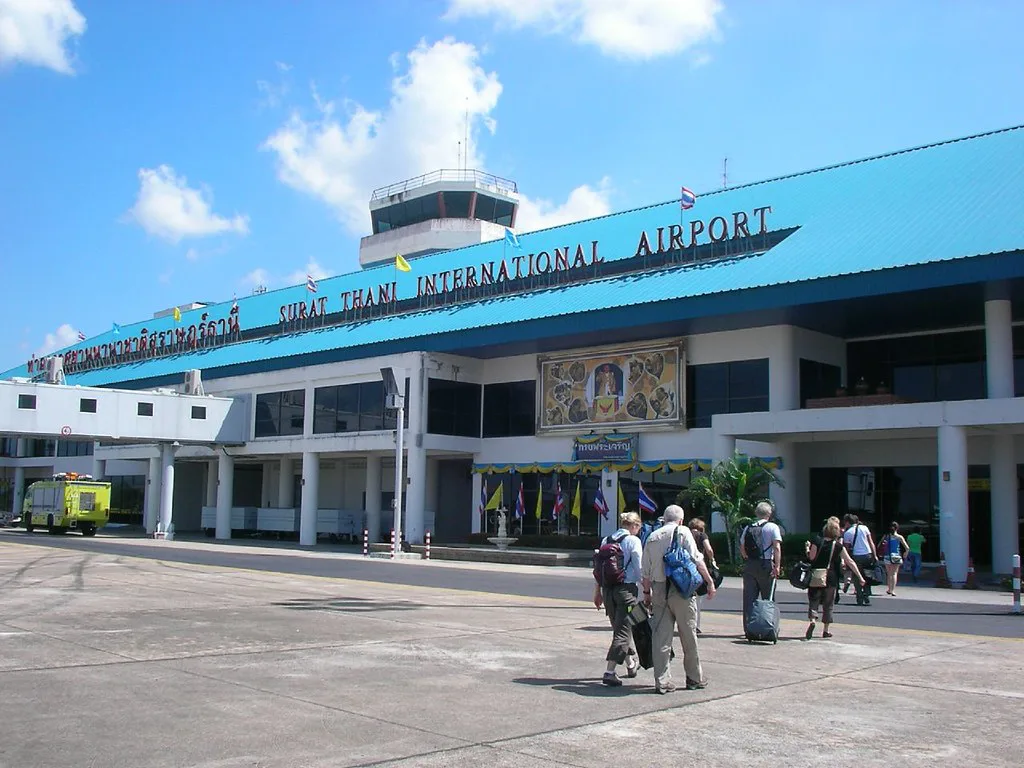
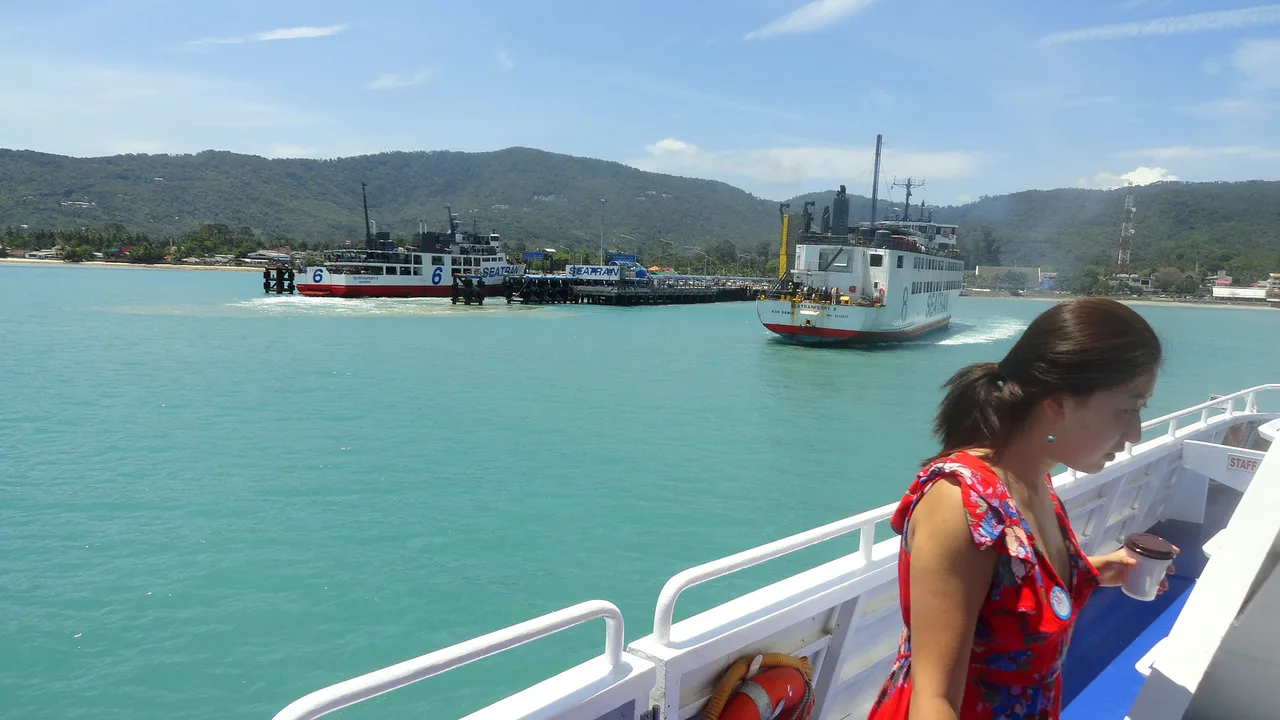
If you are coming from the islands or the airport, build the temple into a longer transfer day rather than a tight turnaround. Distances in this part of the province add up, and the monastery deserves a calm slot, not a squeeze between a ferry and a flight.
What to See on the Grounds
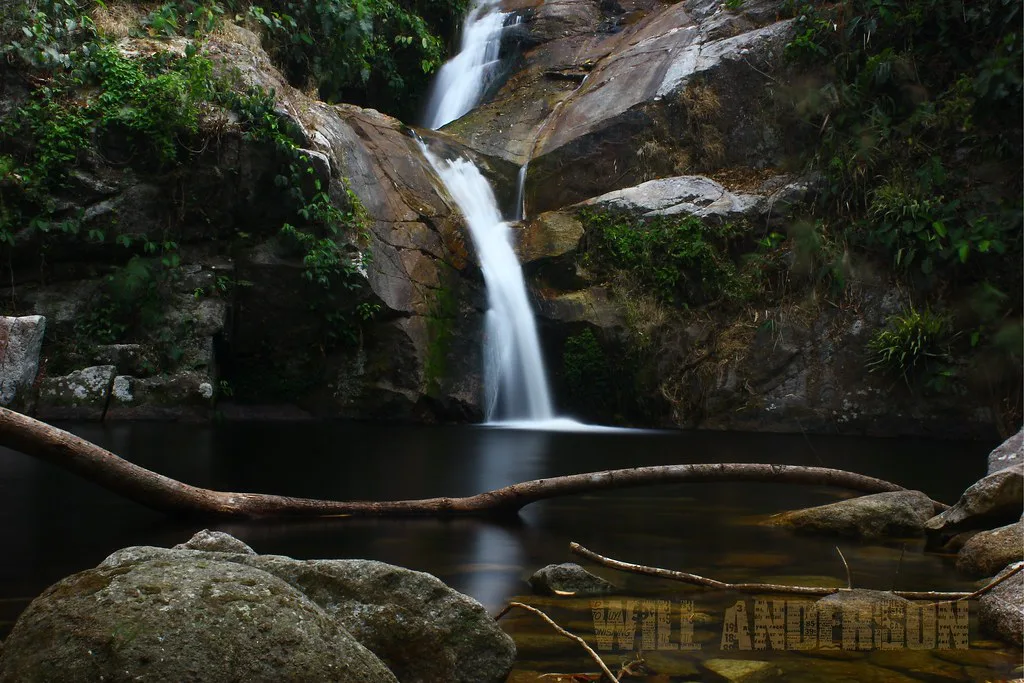
The grounds are deliberately unmanicured: many trees, paths left close to their natural state, and simple buildings rather than polished halls. A visitor who has walked them repeatedly describes roosters, hens and loud bird calls as the soundtrack, which tells you what kind of place this is. Slow down and take the side paths; the walking itself is the point.
The standout building is the one covered in paintings, known to regulars as the eyeball building for the image painted on its outer wall. Inside, the walls carry Buddhist art, and one visitor reports photographing nearly all of the interior paintings. Look for the murals rather than rushing past, since this is the most distinctive interior on the grounds.
Under the large boat-shaped structure there is a small library of Buddhist books and pamphlets, including obscure titles and some English translations. The same visitor found it open around midday and sat reading inside after removing his shoes, so plan to check whether it is unlocked when you pass. It is the kind of stop that quietly eats 40 minutes without you noticing.
Treat the grounds as a place of practice first. Some visitors come for walking meditation, others to photograph the art and trees, and both work because there is no formal visitor circuit to follow. Keep voices low near anyone sitting, and give the resident community room to go about its day.
How Much Time to Allow and When to Walk It
Budget one to two hours for a comfortable loop of the paths, the painted building and the library, and add time if you plan to sit. This is not a place where you tick off numbered stops; the value comes from unhurried walking between the trees. Pair it with one other Chaiya sight rather than stretching it into a full day on its own.
Self-Guided Practice Versus a Structured Retreat
You may encounter long-stay practitioners on the grounds; one account describes people staying in the men's dormitory for weeks or nearly a year with no formal schedule, just personal practice. That is a single visitor's picture of the monastery's self-guided side, not a published policy, so do not arrive assuming a bed or a routine will be available.
If you want an organized silent course with a fixed schedule, that belongs to the International Dharma Hermitage rather than a casual temple visit, and the details are usually handled by whichever group runs the program. Rather than guessing at course length or registration steps, read the hermitage's own current information before you plan around it.
A traveler weighing a longer silent stay has asked publicly whether the retreat is worth committing to, and the answers touch on a hot spring nearby and a meditation hall with a sand floor. Those are anecdotes from a forum thread, not confirmed facilities, so treat them as questions to raise with the organizers rather than a schedule or a map.
Opening Hours, Entry Details and What to Confirm
The material available here does not document a ticket window, a formal entry fee, or a single official page spelling out the monastery's visitor policy. Before you set out, confirm whether the grounds are open to casual visitors on your date and whether the library is accessible. A quick check with your hotel in Surat Thani or a look at the hermitage's page is more reliable than assumptions.
If you want a visual sense of the place before committing the drive, a short filmed account of a stay there gives a feel for the buildings and the pace. Watch it as orientation, not as a source of current hours. Specific information such as opening times should always be confirmed directly with the site.


Nearby: Pairing the Temple with Chaiya
Chaiya's headline sight is Wat Phra Borommathat Chaiya Ratchaworawihan, a central stupa that anchors the district's Srivijaya heritage and sits a short drive from the monastery. The two make a natural pairing: forest quiet in the morning, then the monument and its surrounding market streets. Allow extra time for the second stop rather than rushing both.
The Chaiya National Museum in Tambon Wiang is the obvious follow-up for context on the region's art and archaeology, and it works well when you want a cool, indoor break after a morning outdoors. Check its days before you build the trip around it, since small provincial museums often keep limited hours.
Back in Surat Thani city, the San Lak Muang city pillar shrine is an easy urban stop if you have a spare hour before or after the Chaiya run. It is a different kind of visit, busier and more central, and pairs well with a meal in town.
If you are heading toward the coast afterward, Wat Khao Suwan Pradit in Don Sak District is a hilltop temple on the way to the ferry piers, useful if you want a second quiet stop without much detour.
For an evening viewpoint back in the provincial capital, Khao Tha Phet above the Tapi River gives you a wide look over the city and is a good closer after a day of driving. And if you prefer mountain temples in general, Khao Na Nai Luang Dharma Park is the bigger, more built-up alternative in the province.

Is Wat Suan Mokkh Worth the Chaiya Detour?
Yes, if you want a slow, quiet hour among trees and painted teaching buildings rather than a ticketed attraction, and if you are already heading to Chaiya for its Srivijaya sights. It is less compelling as a standalone trip from Surat Thani city unless you add the stupa and museum.
Go early, walk without a route, look inside the painted building and the library, and confirm hours and any program details before you drive. Keep the visit modest in scope and it will feel like the calm half-day it is meant to be.