
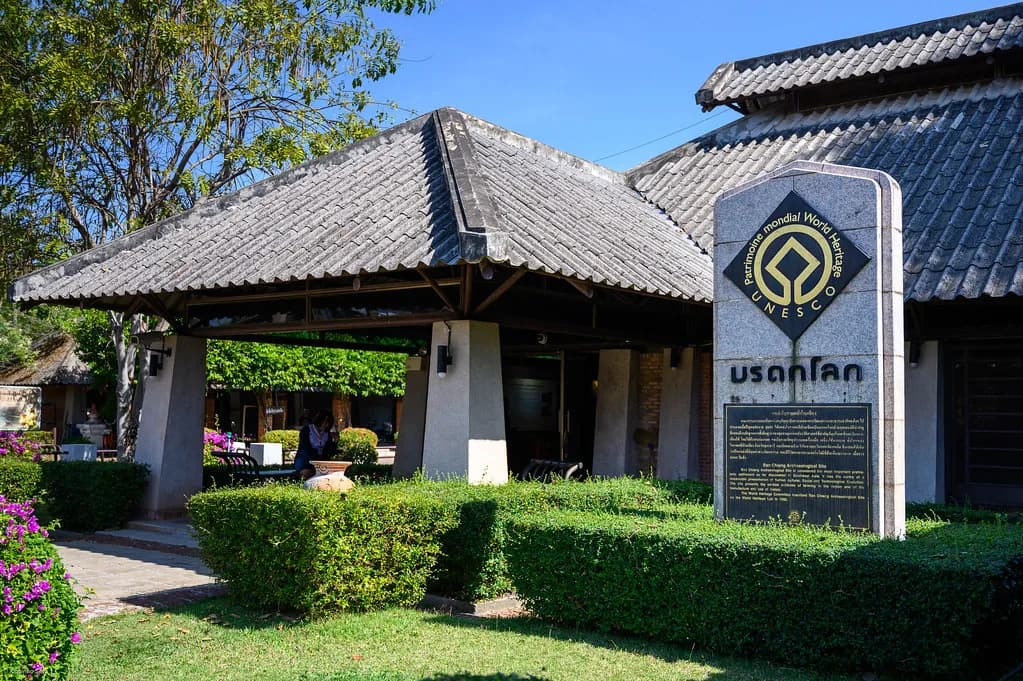
Ban Chiang Archaeological Site: What to See at Udon Thani's UNESCO Site
Budget about two to three hours for Ban Chiang, split between the national museum and the excavated burial ground a short walk apart. The site sits in Nong Han District, Udon Thani Province, roughly 50 km east of Udon Thani city, so the trip eats most of a day once transport is counted.
This guide covers what the museum displays, what the open pit actually looks like, the history that makes the objects readable, and the honest choice between a tour and arranging your own transport. It stays on Ban Chiang itself; the wider city is covered in the Udon Thani Attractions: 7 Visitor Guides.
A UNESCO-listed prehistoric settlement on the Khorat Plateau
Ban Chiang is the name of a village sitting on top of a prehistoric settlement that was occupied continuously for roughly 900 years, spanning the Stone, Bronze and Iron Ages. The site lends its name to a distinctive pottery tradition and is considered the principal settlement of its area on the Khorat Plateau.
UNESCO inscribed the archaeological site on the World Heritage list, which is why it appears on most Udon Thani shortlists. The listing protects the buried deposits and the excavated sections rather than a single monument, so expect a low-key village setting rather than a grand ruin.
Where the site sits and how it is split
Think of Ban Chiang as two stops, not one hall. The Ban Chiang National Museum holds the excavated artifacts in display cases, while a separate covered excavation pit preserves burials with pottery and skeletons left where they were found.
The village itself is the third element: pottery is still made here in the same hand-built style, and local workshops turn out large pots without a potter's wheel. Allow time to wander the lanes between the museum and the pit rather than treating the place as an indoor-only visit.
How to get there from Udon Thani
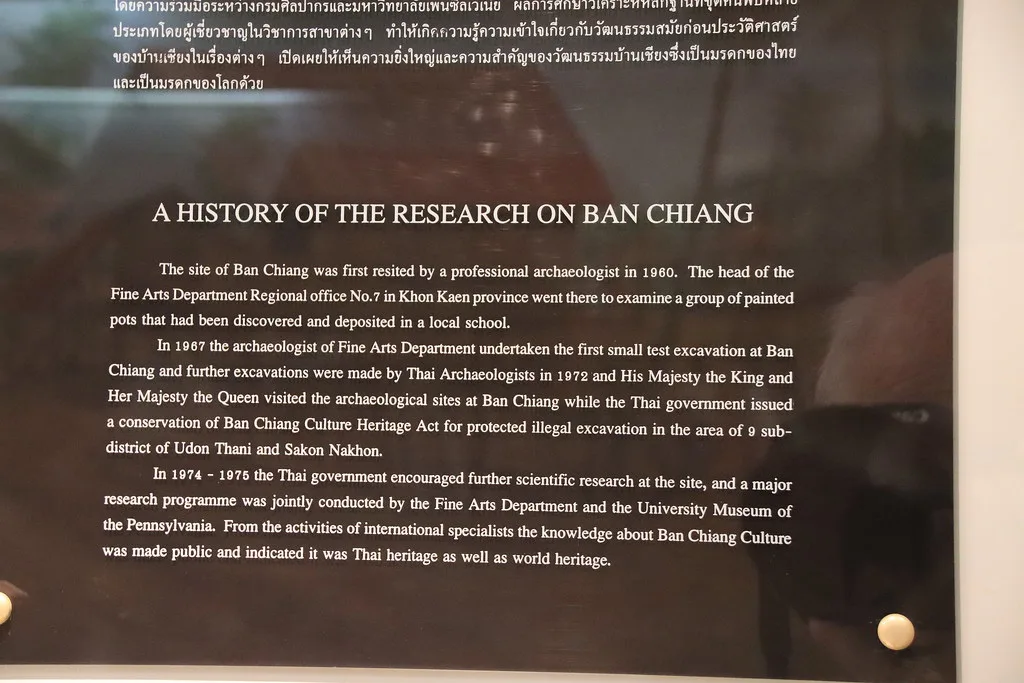
Ban Chiang lies roughly 50 km east of Udon Thani city, in Nong Han District. No public shuttle to the site is documented in the sources here, so plan on arranging a car, a hired driver or a Grab-type ride from the city, and confirm the return leg before setting out.
One Khon Kaen-based operator, Isan Explorer, runs Ban Chiang as a full-day round trip from Khon Kaen with hotel transfers, an English-speaking guide and entrance fees bundled into the per-person rate. That format suits travelers staying in Khon Kaen; note that the operator's published prices were valid only until March 2025, so request a current quote rather than budgeting from the old table.
If you are based in Udon Thani, the guided option from Khon Kaen adds a long drive in the wrong direction. For the self-drive trade-off, weigh the freedom to stop at nearby villages against the cost of a full-day vehicle hire, and confirm opening days directly with the museum before committing.
What to see in the Ban Chiang National Museum
The museum is the stronger of the two stops for understanding the site. Its cases hold pottery, jewelry, tools and bronze objects pulled from the surrounding graves, arranged so you can follow changes in shape and material over the centuries.
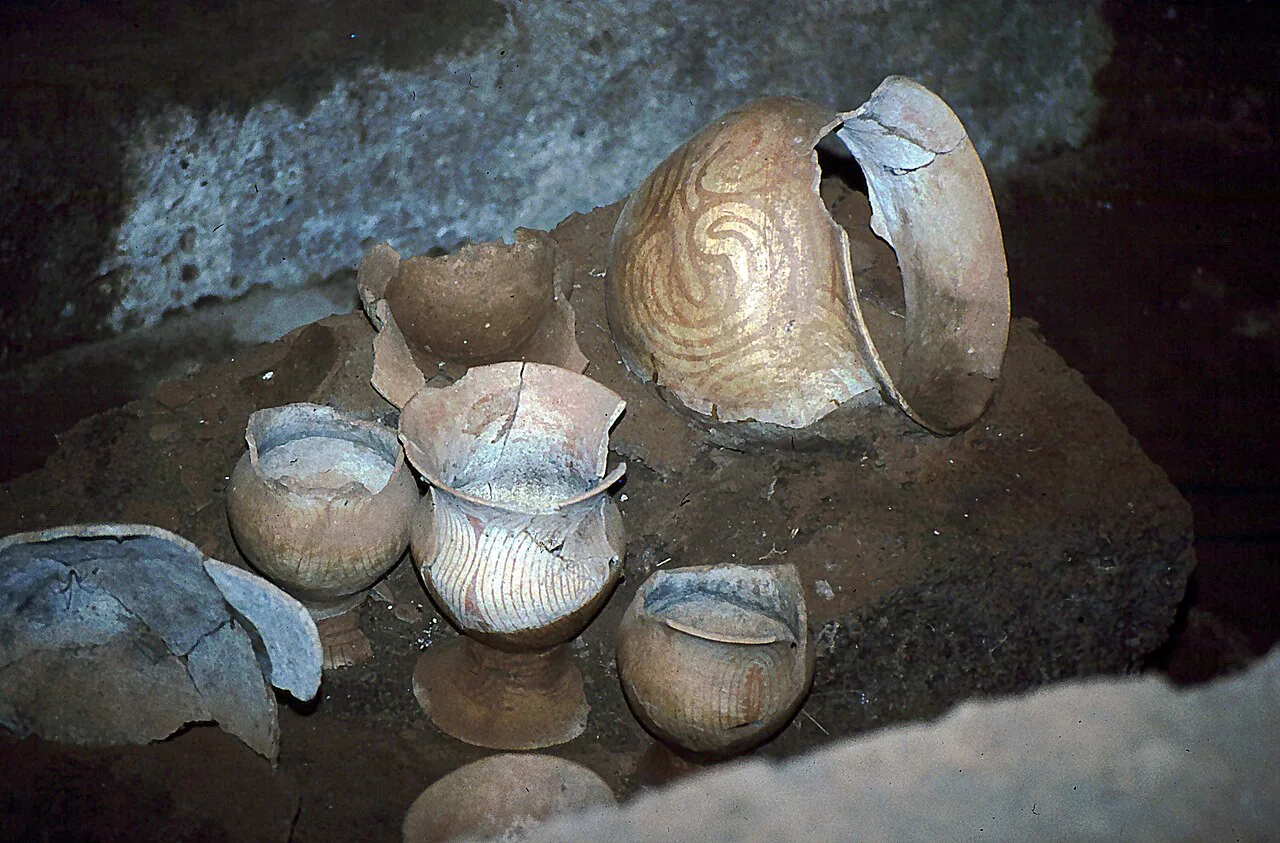
Look specifically for the red-on-buff painted ceramic pots, the burnt-ochre swirl ware that became the emblem of Udon Thani Province. The bronze evidence matters too: crucibles for melting metal, bivalve stone moulds for casting axe heads, and finished bronze spearheads and jewelry show a working metal industry, not just imported trinkets.
Read the dating labels closely. The chronologies proposed for Ban Chiang's bronze working have shifted as research has continued, and the site's dating has been contested rather than settled. Treat sweeping claims — such as its being the earliest bronze-working culture in the region — with caution.

The excavation pit: burials left in place
The in-situ excavation is the part that surprises people. Under a protective roof, pottery and human skeletons lie in the earth exactly as they were uncovered, with pots placed in graves as burial goods. It is a small, quiet stop of perhaps fifteen to twenty minutes, but it makes the museum cases feel concrete.
Come here after the museum, not before. Seeing the grave contexts first, then the labeled artifacts, gives you a better sense of what each display object was doing in the ground. The pit is also where the site's scale becomes obvious: a settlement of a few hundred people, spread over roughly 12 acres, mostly given to rice.
The short history that makes the objects readable
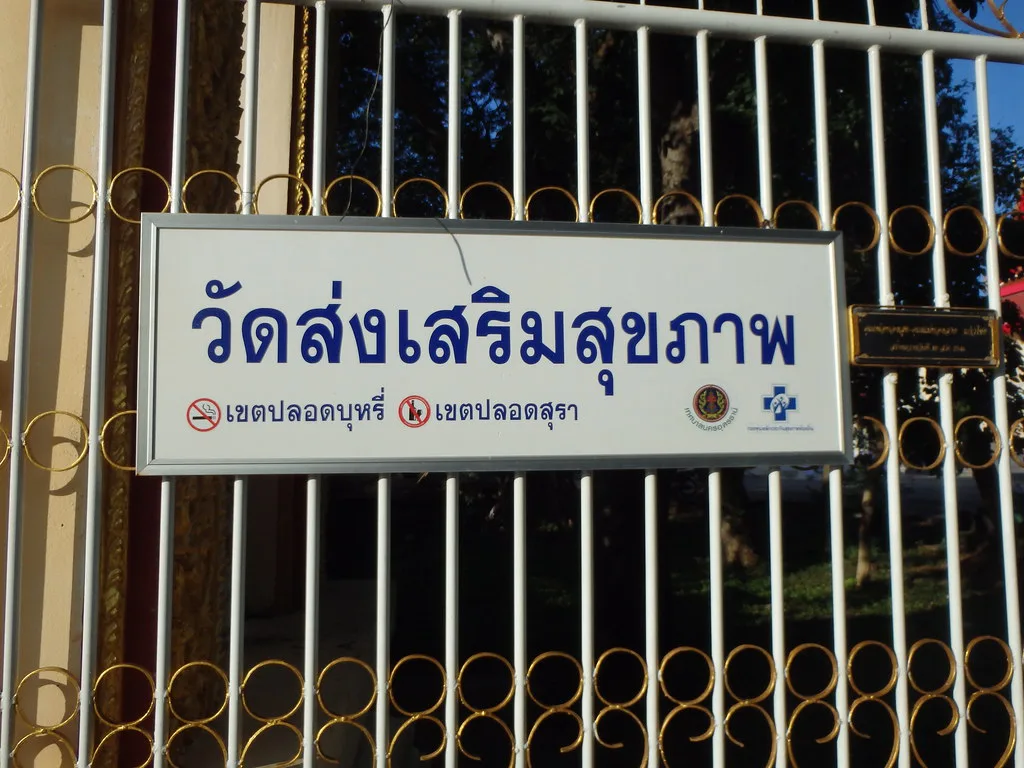
Ban Chiang was stumbled upon by accident in 1966, when a villager's find of pottery led to formal excavations. That accidental discovery eventually brought the site to UNESCO's attention, and the sheer volume of grave goods recovered is what made it famous.
The settlement was one of a network of similar-sized sites across Isan, including Non Nok Tha, Ban Lum Khao and Ban Na Di, which is why Ban Chiang's material culture is treated as regional rather than isolated. Knowing that helps when the museum labels reference similar finds from neighbouring provinces.
How long to allow
For the museum and the excavation pit alone, plan about two hours at a relaxed pace, plus buffer for the lane walk between them. Add an hour if you want to watch pottery being made or browse the village workshops.
If you are coming from Udon Thani city, the drive itself is the bigger variable: the round trip is roughly 100 km in total, so a half-day is realistic only if you leave early and skip other stops. On a guided full-day tour that starts in Khon Kaen, Ban Chiang is usually one stop among several, and the operator's itinerary spreads the day across craft villages and other sights.

Opening hours, tickets and closures: what to confirm
Neither the museum nor the excavation site publishes hours and ticket prices in the sources available here, so check them directly with the Ban Chiang National Museum before you travel. Many Thai national museums close on public holidays, which can derail a long drive from Udon Thani, so confirm the day before.
If you are booking the Isan Explorer full-day tour, note that entrance fees are bundled into that operator's quoted per-person rate rather than paid separately at the gate; other operators or a self-arranged visit may charge separately, so confirm with whoever you book.

Nearby stops worth pairing
Several stops around Ban Chiang justify stretching the trip. The Isan Explorer itinerary pairs the site with a weaving village producing indigo mudmee fabric, a pottery workshop making large hand-built pots, and a shrine filled with tens of thousands of elephant statues on the return leg.
Kumphawapi, the district next door, has a town-center park with semi-tame monkeys, and between roughly November and February the operator offers boat trips through the pink water lilies at Tale Bua Dang, the Red Lotus Lake. The season is operator-stated rather than guaranteed, so ask about blooms before committing to the detour.
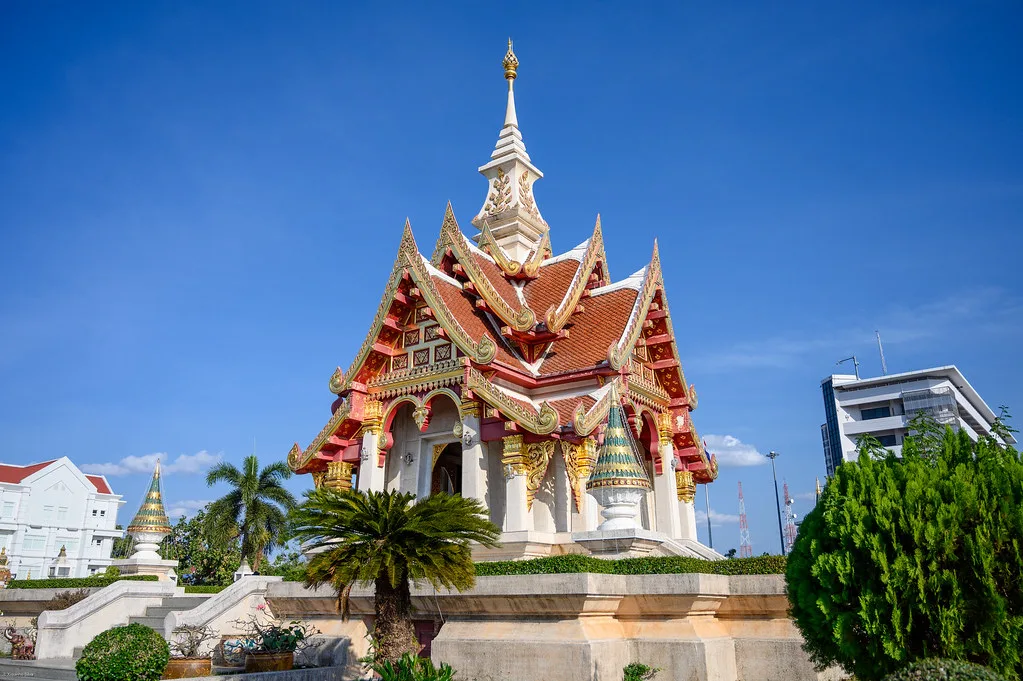
Back in Udon Thani city, the easiest pairing is a temple visit: Wat Phothisomphon in Udon Thani is central and works well as an evening stop after the drive back. For a full day of city sights instead, the Udon Thani City Pillar Shrine (San Lak Mueang) and Nong Prajak Park in Udon Thani are both in the center.
If you have a second day in the province, Phu Phra Bat Historical Park in Ban Phue district is the other UNESCO-listed archaeological stop, though the drive is longer and the landscape more demanding.
Is Ban Chiang worth the drive from Udon Thani?
Yes, if you want to see how the region's prehistory is actually evidenced: the painted pots, the bronze moulds and the burial pit together tell a clearer story than any single display case. It is not a quick photo stop, and the 50 km each way makes it a half-day or full-day commitment.
Pick the trip shape that matches your base: a guided full-day tour if you are starting from Khon Kaen and want villages folded in, or a self-arranged car from Udon Thani if you only want the museum and pit. Confirm hours and ticket prices with the museum first, since neither is published in the sources here.