
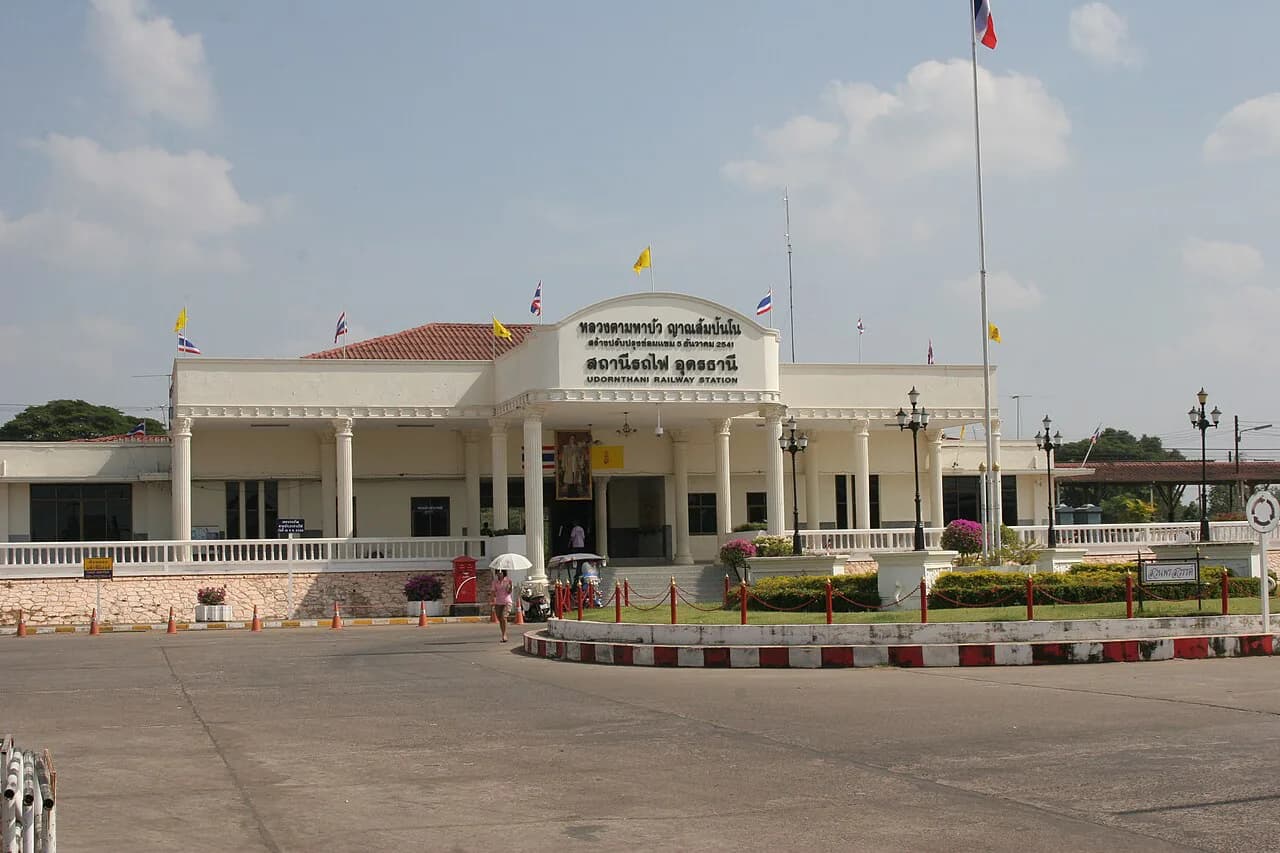
Udon Thani Railway Station: A Practical Visitor's Guide

Udon Thani Railway Station is not a sight in its own right — it is the arrival point that decides how smooth your first hour in the city feels. The station anchors the eastern end of Prajak Sillapakom Road in the Mak Khaeng area, putting UD Town, a guesthouse strip and a major mall within a short walk of the platform. This guide covers how to reach the station from Bangkok, how to orient yourself on foot, how long to allow and which nearby options justify staying longer in Udon Thani.
What and where Udon Thani Railway Station is
The station is the province's main rail stop on the Northeastern Line, roughly 568 km from Bangkok, and it sits on the eastern side of the city where the commercial quarter clusters around the tracks. Practically, that means you arrive in the retail and dining half of Udon Thani rather than the quieter civic west. The rail approach from the capital is described in the Thai Train Guide's station listings.
Think of the city in two halves when you book a hotel. The railway quarter east of the centre holds the station, modern shopping centres, night markets and the densest cluster of guesthouses and small restaurants; the civic west around Nong Prajak Park is about two kilometres away and feels calmer. Knowing which side your bed is on saves you a needless tuk-tuk ride with luggage.
Getting there from Bangkok by train
Long-distance trains on the Northeastern Line start from Krung Thep Aphiwat Central Terminal, Bangkok's main terminal for northern, northeastern and southern services. Hua Lamphong, the old station, now handles local and commuter trains plus the Eastern Line, so a ticket search aimed at Hua Lamphong will not find your Udon Thani departure. Confirm the departure station before you book a hotel near the wrong terminal.
The State Railway of Thailand is the operator to check for current departure times, seat classes and fares, and booking ahead matters most for overnight services. Rather than trusting a timetable copied into a blog, verify the date you actually want to travel and keep a screenshot of your confirmation. Udon Thani also has an airport, so compare a flight against the train if your schedule is tight; the station sits about 6.5 km from the airport by road.

Arriving on foot: platform to guesthouse
The station's real advantage is walkability. UD Town, an open-air lifestyle and retail complex, sits immediately alongside the tracks on Thongyai Road, laid out along pedestrianised walkways shaded by mature trees. Because the railway station, shopping centres and hospitality quarter sit close together, travellers arriving by train can reach mid-range hotels, money exchange kiosks and dining venues without needing local transport.
UD Town works best in the late afternoon and evening, when its outdoor food court and open-air seating fill with stalls preparing Isan dishes, grilled meats and noodle bowls. For a first night after a long ride, that is a low-effort dinner within a few minutes of your room. Soi Samphan Thamit, branching off between the station and the mall, is the established corridor for independent guesthouses, small foreign-run restaurants, bakeries and travel desks.
If you want a cinema, banks or foreign retail brands, Central Udon stands roughly 800 metres west along Prajak Sillapakom Road, with the adjoining Centara Udon hotel. That is a ten-minute walk in cool hours and a sweaty one at midday, so judge the heat before deciding to haul a suitcase there.
Overnight and long-distance arrivals
Overnight trains put you in Udon Thani in the morning, which flips your first-day planning: you will want breakfast and a place to leave bags before any room is ready. Aim for a guesthouse on Soi Samphan Thamit or near UD Town so the wait happens over coffee rather than in a taxi queue. Ask your accommodation directly about early check-in and bag storage, since these are property policies rather than station services.
Travellers on the same route often post live reports about ticketing and station conditions in the Asian Train Guide community group, which is useful color but not an official source. Treat such posts as a prompt to check the railway's own channels, not as a timetable.
Getting onward to Nong Prajak Park and the west
For the civic west, expect a short motorised hop rather than a stroll with luggage. Nong Prajak Public Park lies roughly two kilometres from the railway quarter, arranged around a wide reservoir with paved, segregated tracks for cyclists, joggers and walkers, plus the lake's giant inflatable yellow ducks. Late afternoon is the liveliest and coolest time to arrive.
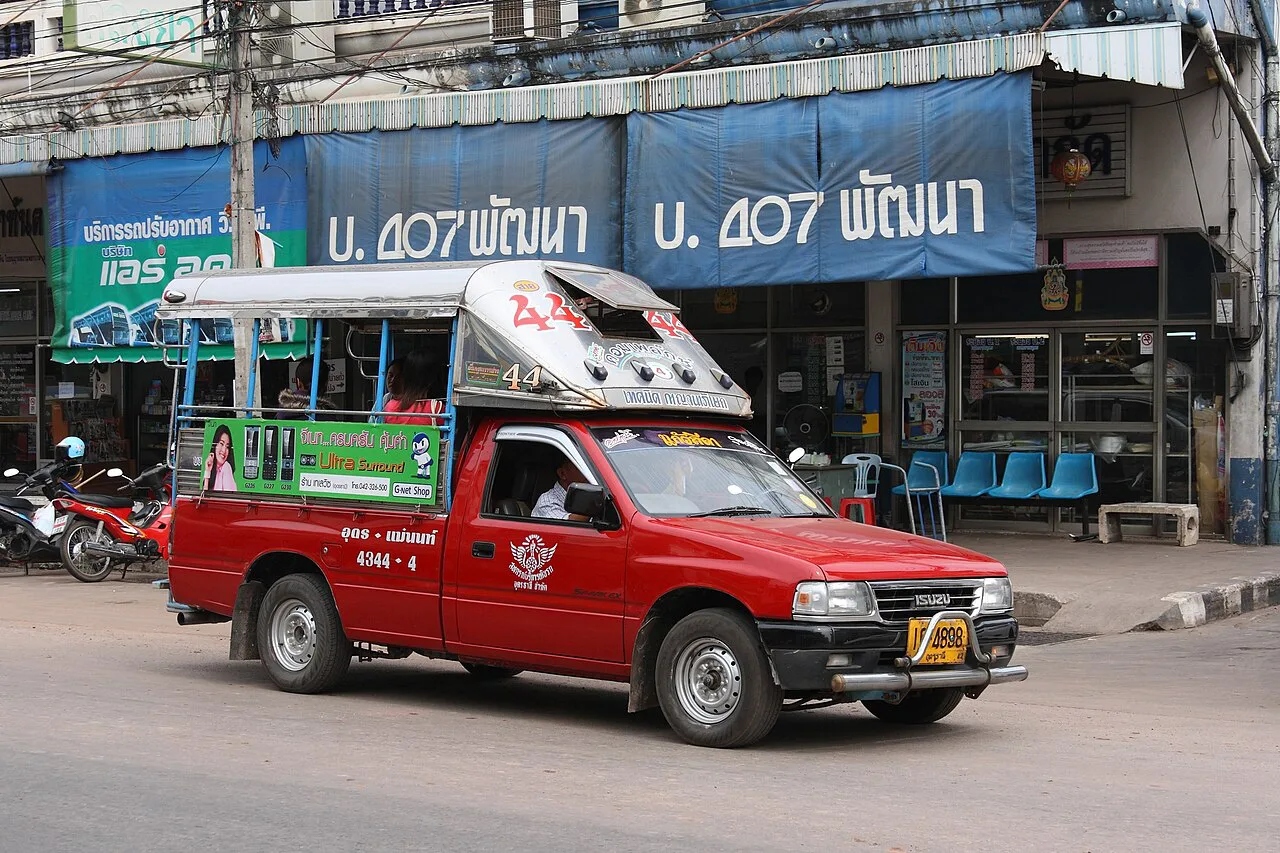
Songthaews, tuk-tuks and Grab all operate in the city, and the station forecourt is the obvious place to pick one up. Agree the fare before you get in for a vehicle without a meter, and keep the destination written in Thai if you are heading somewhere specific.

How much time to allow at the station itself
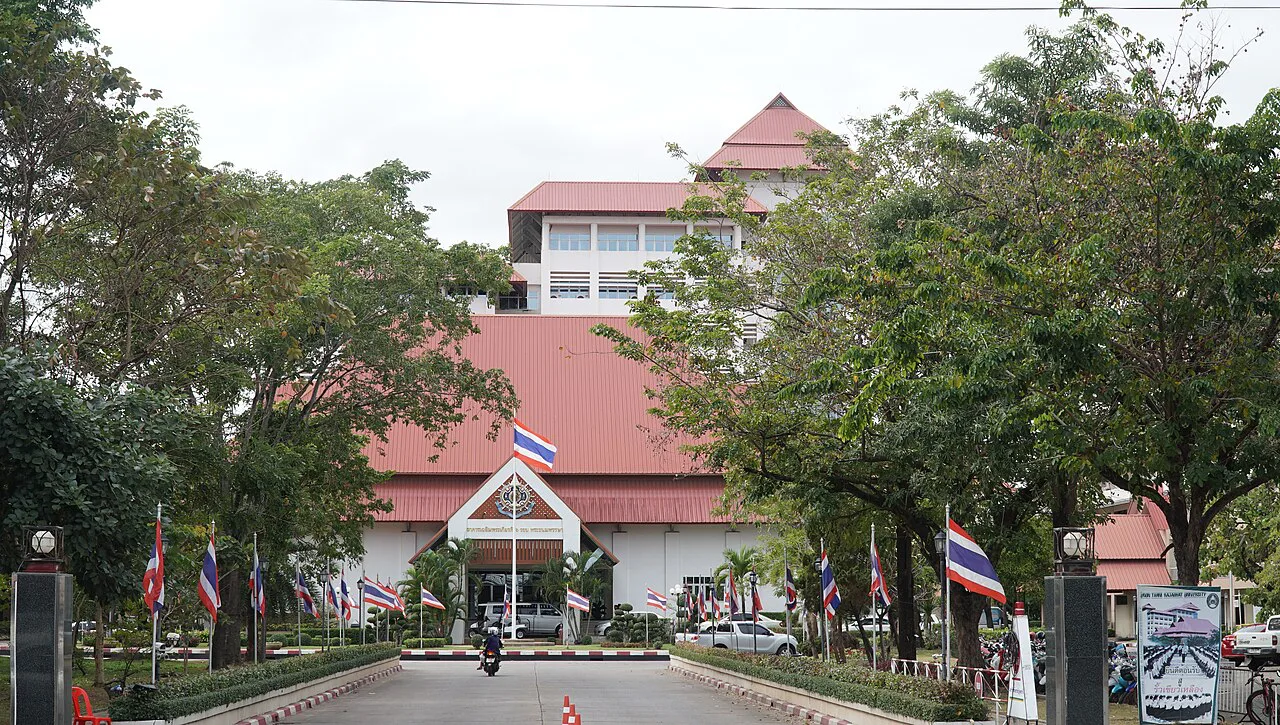
Treat the station as a transit point, not an attraction: allow 20 to 30 minutes to arrive, find your platform and settle, plus extra buffer if you are buying a ticket on the day. The building and forecourt are compact, and the walking route to UD Town and the guesthouse strip is short enough that you can drop bags first and return.
Set aside a half-day, not an hour, for the surrounding railway quarter if you want to eat, change money and browse the evening food stalls. That is the realistic pace once heat and post-journey fatigue are factored in.

Nearby options if you have a few hours
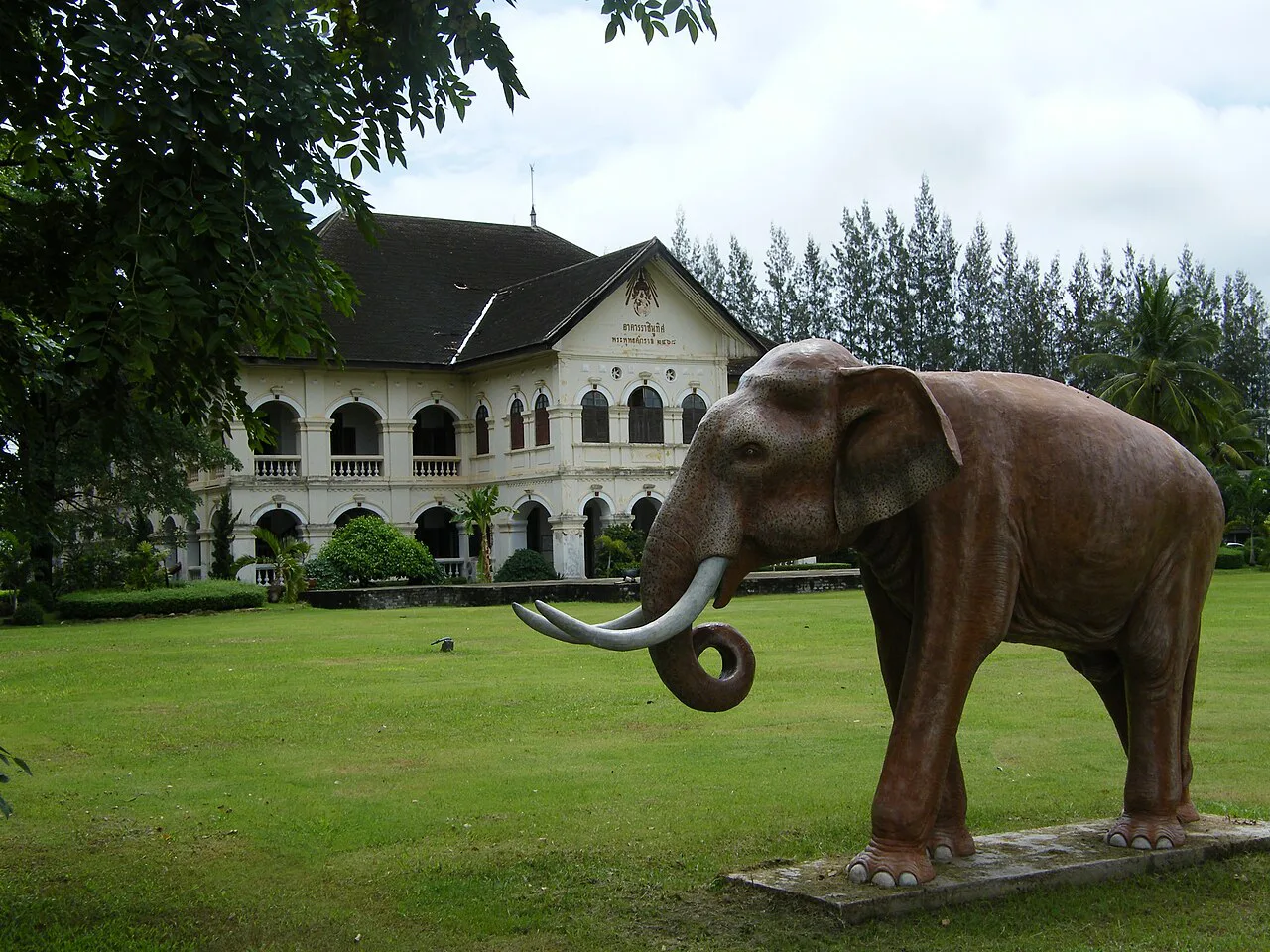
On the eastern edge of Nong Prajak Park along Pho Si Road, the Udon Thani City Museum occupies the restored 1925 Ratchinuthit Building, a two-storey yellow brick former girls' school, with air-conditioned rooms covering the province's geology, prehistory and modern development. It is a sensible short stop while you are on the west side.
With a full day, the province's headline draw is the Ban Chiang Archaeological Site east of the city, recognised for Bronze Age metallurgy and painted pottery. The Ban Chiang National Museum is the place to start understanding what was excavated there. Check its opening days and any admission charge with the museum before you commit a day to it.
To the northwest, Phu Phra Bat Historical Park is known for carved Dvaravati boundary stones and natural rock shelters, and pairs naturally with a slow day in the countryside. Its layout and access roads reward a little planning rather than a spontaneous detour. Read the Phu Phra Bat Historical Park guide before setting out.
Closer in, Wat Phothisomphon is a city temple often paired with a Nong Prajak loop, and the city pillar shrine gives you a quick cultural anchor near the centre. Both fit an unhurried afternoon rather than a dedicated day.

Checking departures, platforms and fares before you travel
The station does not publish a fixed timetable you can rely on months ahead, so confirm departure times, platform details and fares with the State Railway of Thailand shortly before you travel, and again on arrival. A third-party station guide is useful for orientation and line context, but only the operator's own booking channel should decide your ticket. Budget accordingly once you have a confirmed fare rather than planning around a number from an old post.
If your wider trip covers more of the province, start from the pillar guide to Things to See in Udon Thani: Plan Your Stops and Drives and give Ban Chiang Archaeological Site: Udon Thani's UNESCO Guide a read before deciding how many days the station stop needs to support the rest of your Isan itinerary.
Should you plan around the train or the flight?
Choose the train if you want to arrive in the walkable eastern quarter with UD Town, guesthouses and Central Udon on your doorstep; choose a flight if time is tight and you accept a short road transfer into town. Either way, book your bed on the side of the city you actually plan to spend your first evening.
Before you go, verify departures and fares with the operator, and keep your first day light enough that a delayed arrival does not wreck a booked tour. The station is a gateway, and treating it that way keeps the rest of your Isan trip flexible.