
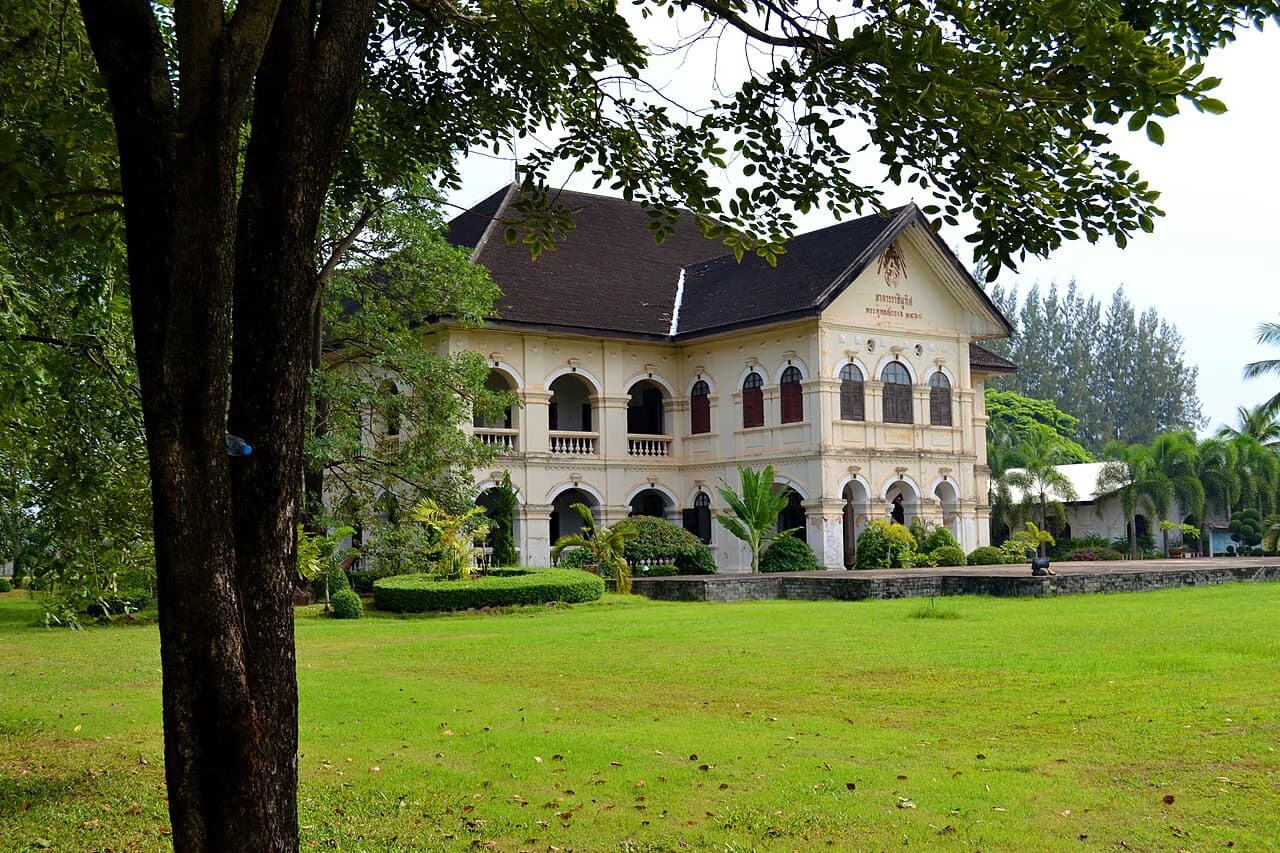
Udon Thani Museum: What to See Inside the City Museum

The Udon Thani Museum is best treated as a one-hour local-history stop, not a headline attraction, so plan it for a hot afternoon or a lazy morning rather than building a day around it. This guide covers which museum you are actually looking for, how to reach it from the train station, what the two floors hold, and what to pair with it nearby.
Two things trip up first-time visitors: the name, since Udon Thani has more than one museum and the city museum is not the national museum or the Ban Chiang Museum out in the countryside, and the practical routine, which involves registering before you walk in. Both are covered below, along with where to confirm hours before you set out.
Which Udon Thani museum are you looking for?
Udon Thani has several places that get called "the Udon Thani museum," and they are not the same building. The city museum, often written as the Udon Thani City Museum, tells the story of the town itself; the Ban Chiang Museum sits in the countryside at a UNESCO-listed archaeological site; and third-party notes refer separately to an Udon Thani Museum that has been closed for renovations. If you are traveling in by rail, our guide to the Udon Thani railway station is a useful orientation point before you head out.
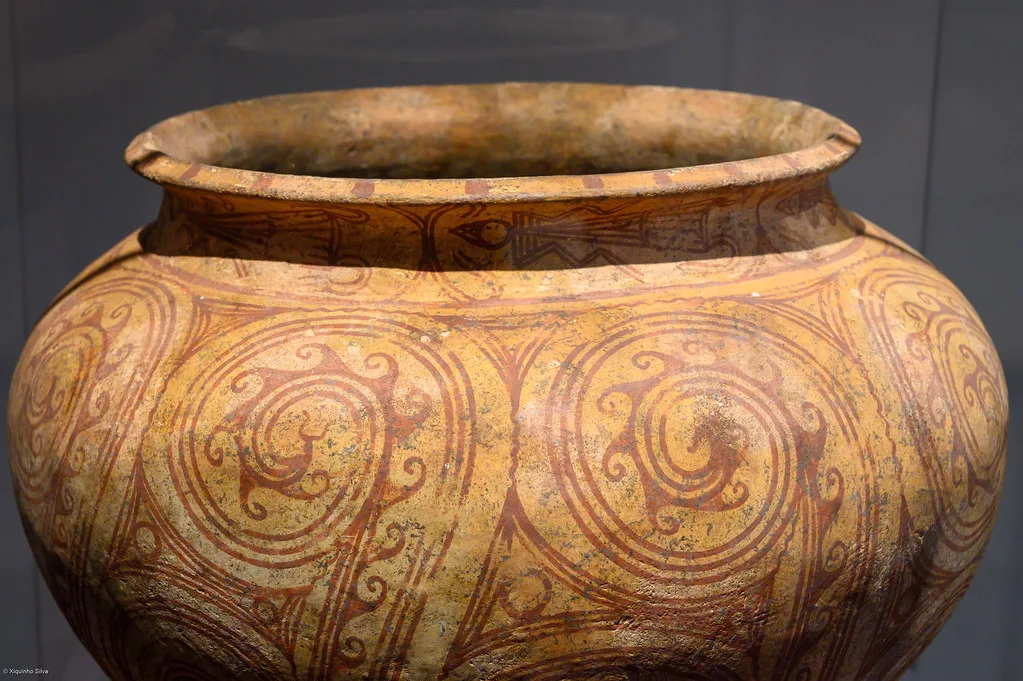
If your interest is prehistoric pottery and a world-class excavation, you want the Ban Chiang side of the province rather than the city museum. If you want air-conditioned context on how Udon Thani grew from a small Isan town into the regional hub it is today, the city museum is the fit. Our Things to See in Udon Thani: Plan Your Stops and Drives page lays out the full set of sights so you can see how these pieces fit together.
The renovation note is undated, which matters: a third-party listing describes the Udon Thani Museum as temporarily closed while exhibits were moved elsewhere, and that page gives no year. Treat any closure status you read online as provisional and confirm with your hotel or a tourist information point on the day you plan to go.
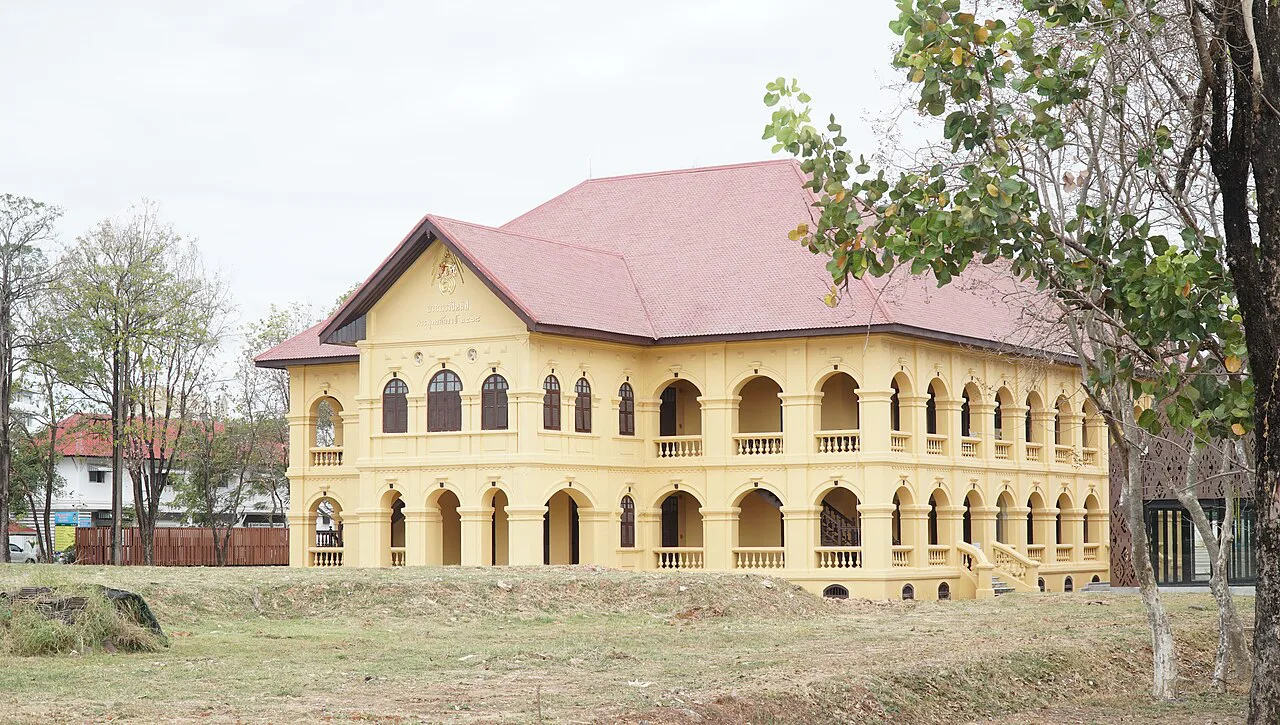

Where it sits and how to get there
The city museum sits within Udon Thani's urban core, roughly a couple of kilometers from the train station, which makes it walkable in cool hours and a short tuk-tuk or Grab ride in the heat. If you are coming off an overnight train, the Udon Thani railway station is a sensible orientation point, so drop your bag and head out from there rather than trying to work out the town layout from a map.
A traveler post puts the museum about 2.2 kilometers from the station, which is a fair-weather walk or a very cheap ride, and the same area puts you within reach of Nong Prajak Park and the city shrine. Expect sun and traffic if you walk it at midday; most visitors take a songthaew or a ride-hailing car instead.
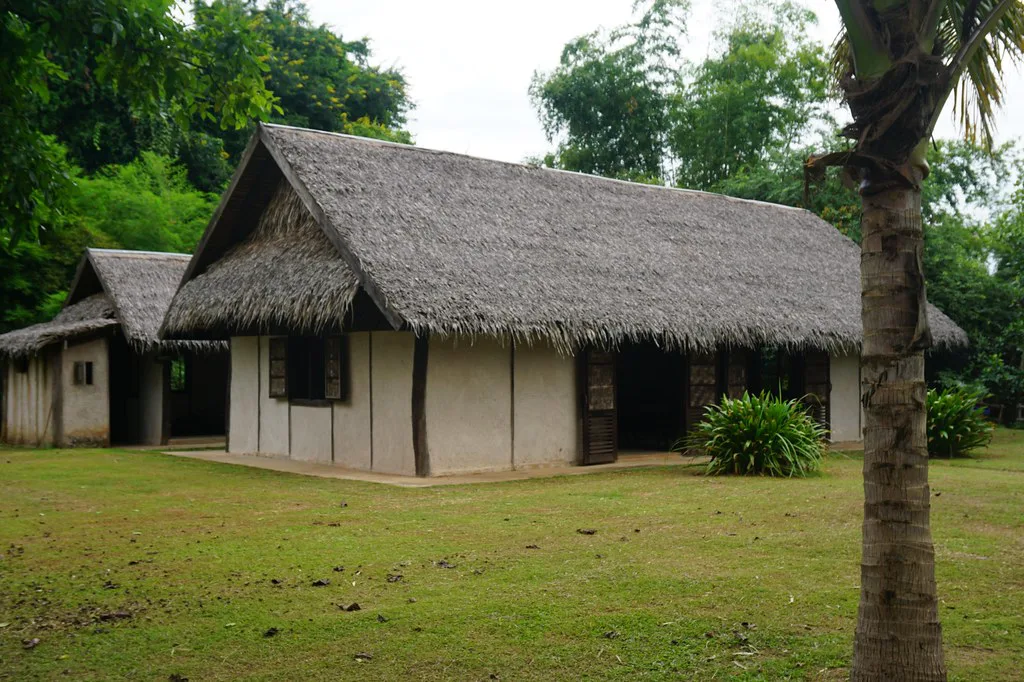
What's inside: two floors of local history
The museum is a two-floor, air-conditioned building, according to a visitor account, with exhibits arranged to give a sense of moving through time rather than a single themed gallery. That layout suits a self-guided walk: start on the lower floor and work upward, and you will come out with a clearer picture of how the town developed.
Local-history collections of this kind tend to mix photographs, everyday objects and period displays rather than blockbuster artifacts, so set expectations accordingly and read the panels rather than rushing the rooms. The displays are the reason to come; this is not a place to tick off in five minutes on your way somewhere else. For the county's prehistoric finds, see the Ban Chiang Archaeological Site: Udon Thani's UNESCO Guide separately.
Descriptions of Udon Thani's museum offerings are thin and inconsistent online, so treat the exact contents as something only the museum can confirm on the day. What is clear from visitor accounts is the general character of a city local-history museum rather than blockbuster artifacts; plan for a modest display rather than a grand archaeological collection.
The visit routine: registration, shoes and timing
A visitor report describes the routine as registering with staff in the adjacent room before entering, then removing your shoes for the museum floors. Knowing that in advance saves the awkward shuffle at the door: carry your shoes or wear something easy to slip off, and have your name ready for the register.
The same post lists split opening sessions in the morning and early afternoon and says admission is free at the time of writing, but this is an individual traveler's snapshot rather than an official notice. Hours and any entry charge at Thai municipal museums change, so confirm with your hotel or the museum before you travel across town. This is the one place to double-check rather than assume.

How long to allow and when to slot it in
Budget somewhere between 45 minutes and 90 minutes: two floors of local-history displays rewards a careful reader but will not fill an afternoon, and the air-conditioning makes it a welcome pause during the hottest part of the day. Late morning, before lunch, is the easiest slot if the morning session is running; the early afternoon session is tight if you arrive close to closing.
Because the hours you find online may be out of date, build the museum into a loose half-day rather than a tight schedule. If you arrive and it is shut, the Nong Prajak area and the city center are close enough that the trip is not wasted.

Nearby options to pair with the museum
The most natural pairing is Nong Prajak Park, the city's central lake with a walking loop, which is close enough to combine with the museum in one outing. Wat Phothisomphon is another stop in Udon Thani that pairs well on the same city loop; check how to visit it on its own page before you go.
For a compact city day, add the Udon Thani City Pillar Shrine (San Lak Mueang), which sits close to the center and takes only a few minutes to see. Together with the museum and the lake, that is an easy, low-cost half day without any long drives.
The Ban Chiang Archaeological Site: Udon Thani's UNESCO Guide covers a separate half-day trip and a very different experience, so do not try to fold it into the same morning as the city museum. If your appetite runs to older stone and forest settings, Phu Phra Bat Historical Park up in Ban Phue district is another full-day outing that needs its own planning. Our rundown of Things to See in Udon Thani: Plan Your Stops and Drives covers how to sequence these without wasting a day in transit.

Is the city museum worth an hour of your Udon Thani day?
Yes, if you want context on the town and a cool, quiet break, and no, if you are chasing headline sights. The city museum is a modest, genuinely local stop that rewards a reader more than a tick-box visitor, and it slots neatly into a half day with Nong Prajak and the city shrine.
Before you go, confirm the current hours and any entry fee directly, since the online listings disagree and one points to a renovation closure with no date. Then plan the rest of your Udon Thani day around it rather than through it.
Explore more Udon Thani guides
Frequently Asked Questions
Is the Udon Thani city museum the same as the Ban Chiang Museum?
No. The city museum covers Udon Thani town's own history and sits in the urban center, while the Ban Chiang Museum is out at the UNESCO-listed archaeological site in Nong Han District and focuses on prehistoric finds. They are separate visits and each needs its own time slot.
How do I confirm the museum's opening hours before I go?
Online accounts of the hours come from travelers rather than an official page, so ask your hotel or a local tourist information point on the day. A listing also notes a renovation closure with no date attached, which is another reason to confirm before making the trip across town.