Chiang Mai in January: Weather, Crowds, Festivals and Trip Plan
Is January a good time for Chiang Mai? Weather, cool nights, crowds, festival timing, smoke risk and how to plan your days, with trade-offs.
On this page
Last updated November 2026. Chiang Mai in January is cool-season, dry and priced at the peak of the year. Days are warm, nights are chilly, and smoke risk is low early in the month before it rises toward February. Use this page to decide when in January to go, and pair it with our month-by-month Chiang Mai guide.
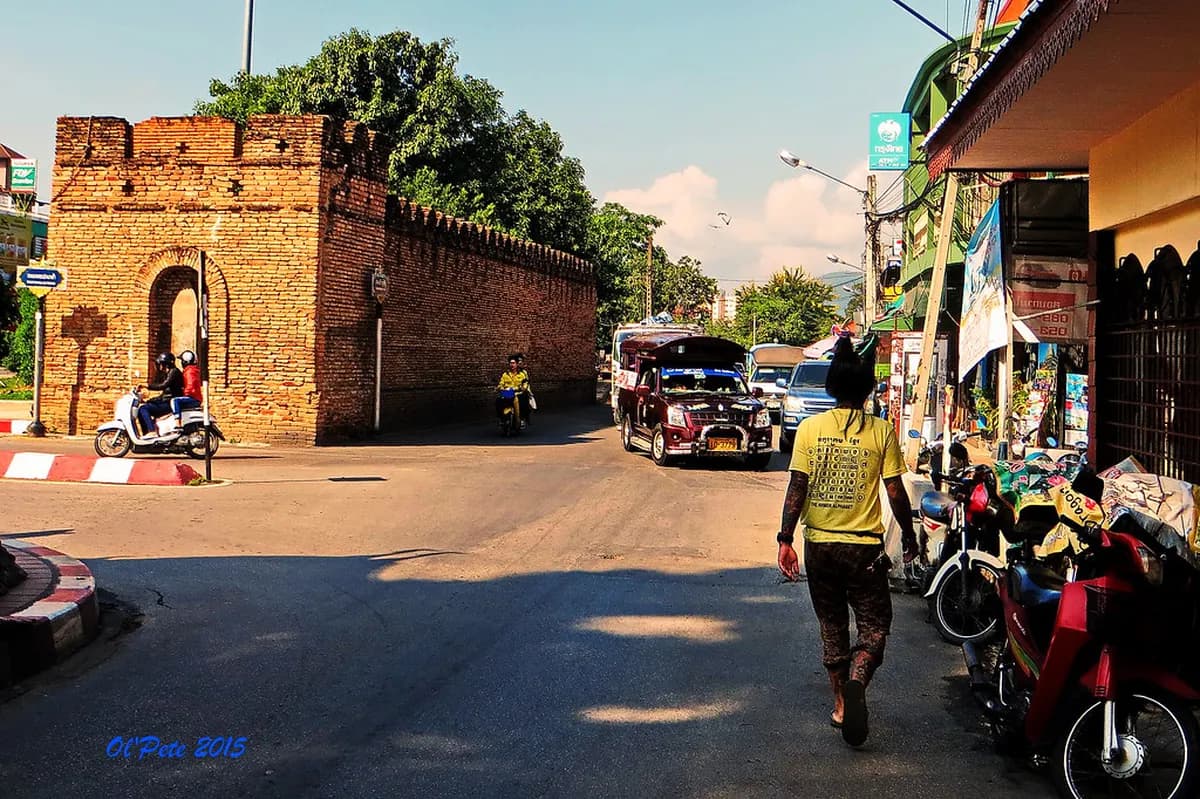
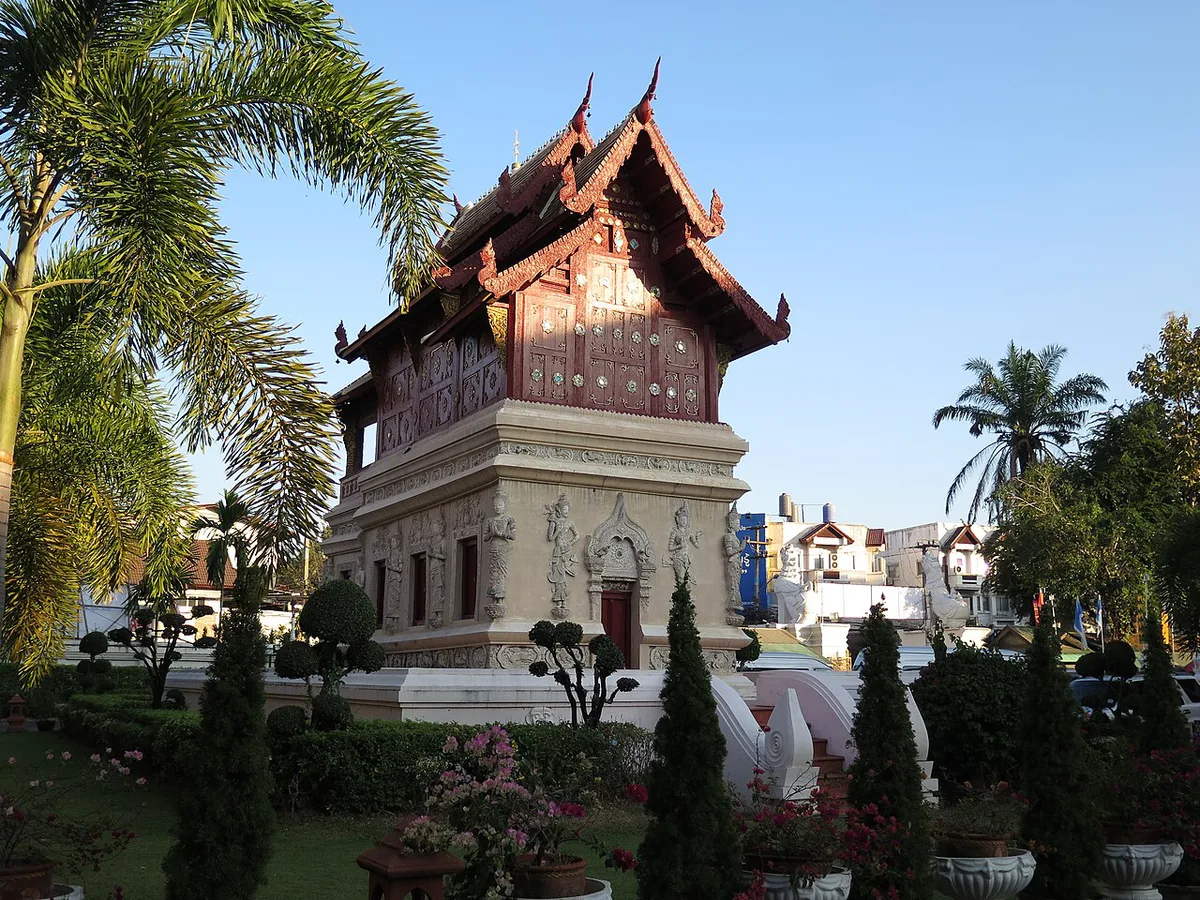
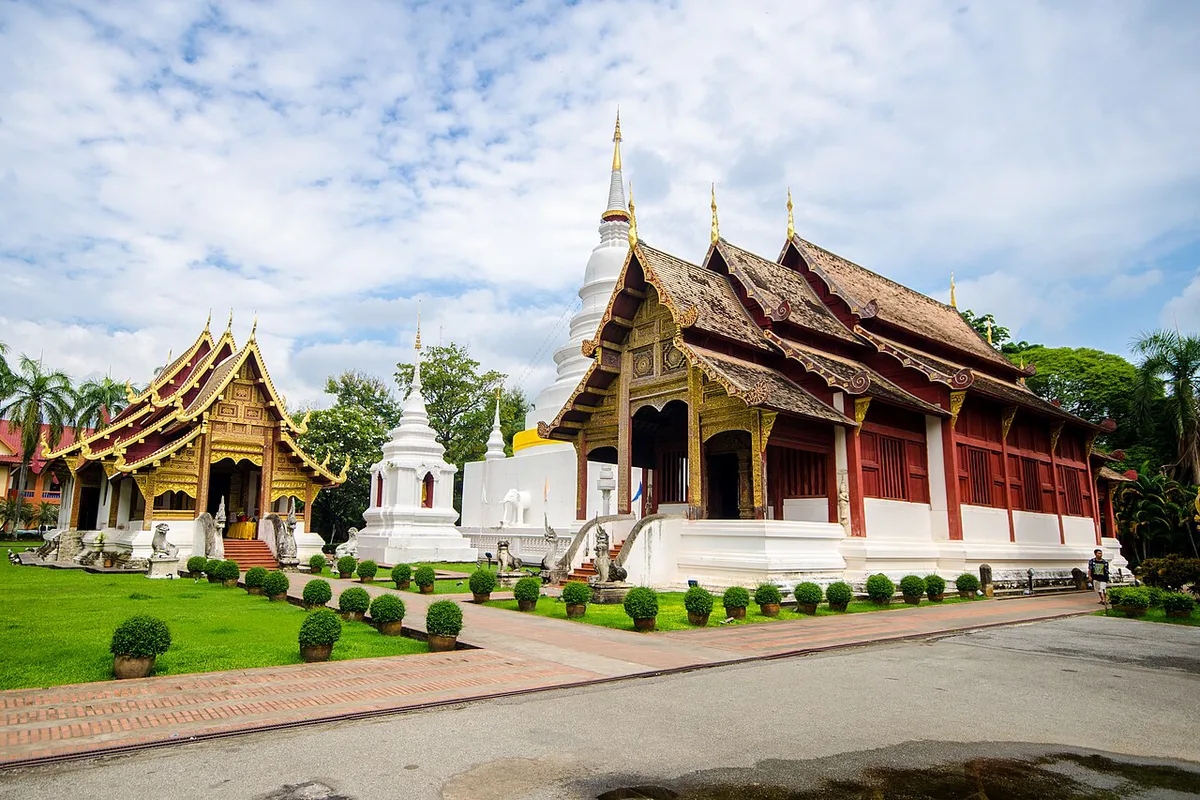
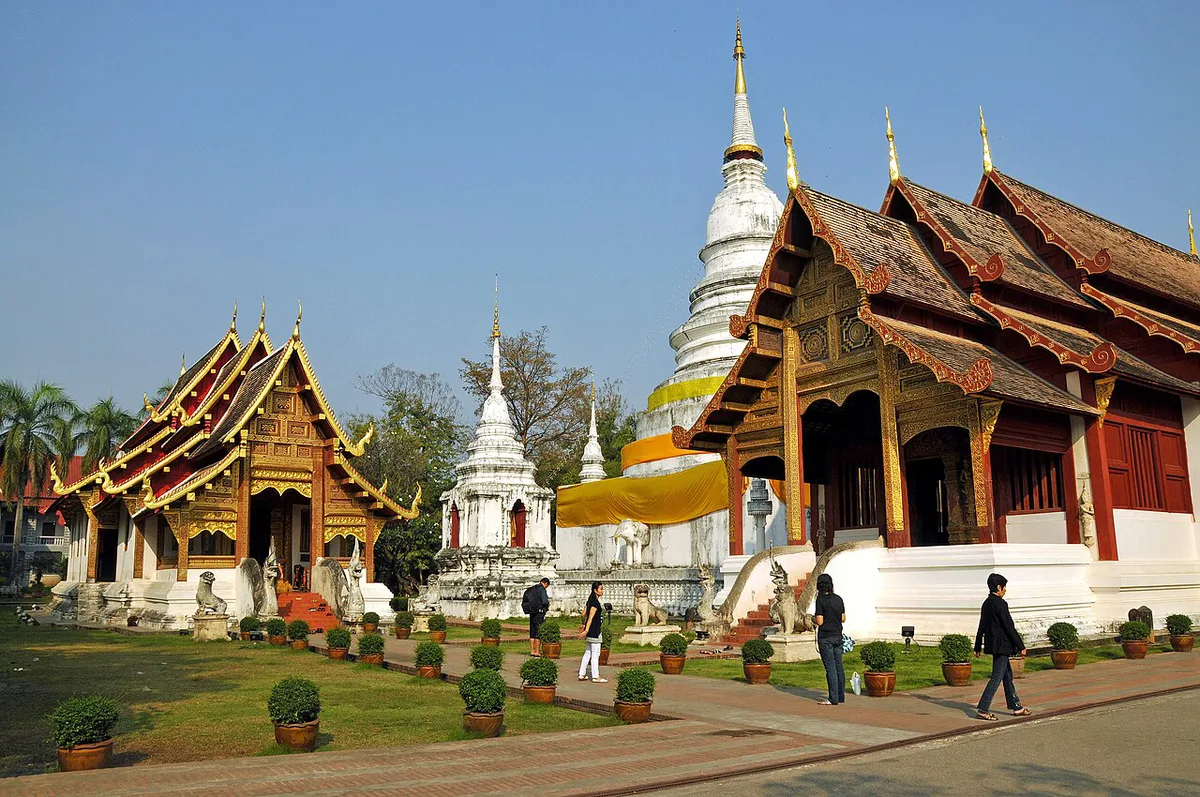
Featured image: gary4now, CC BY 3.0, via Wikimedia Commons.
Is January a good time to visit Chiang Mai?
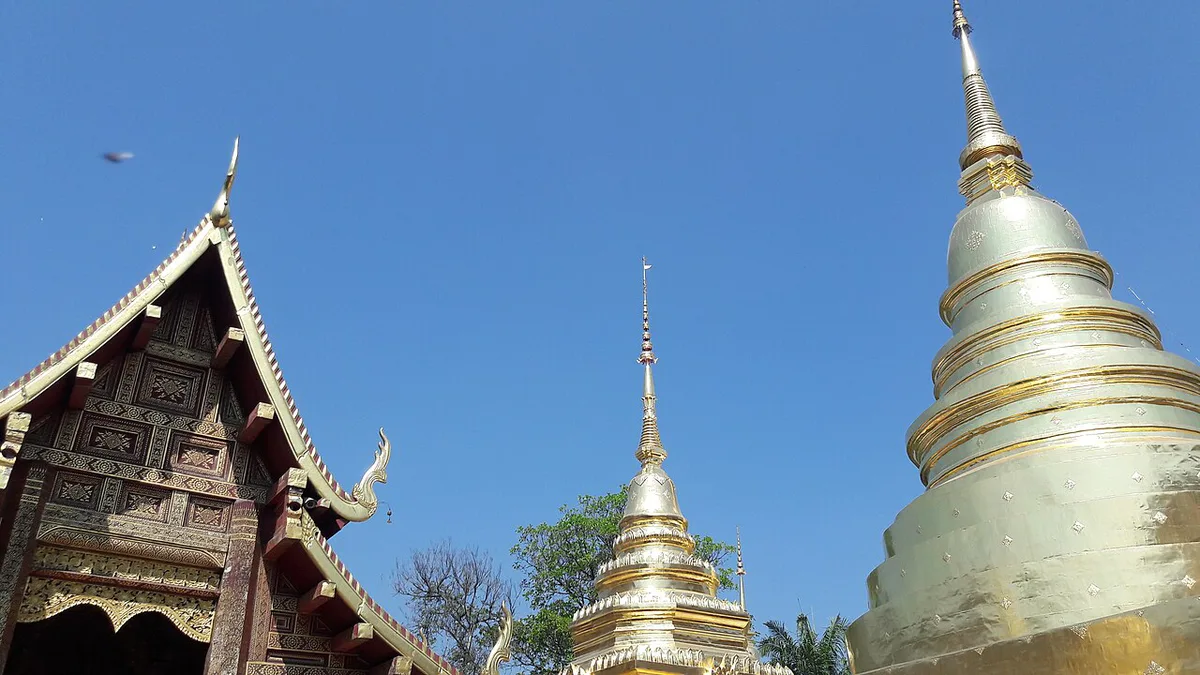
Yes, for most travelers. Northern Thailand has three seasons (cool, hot and rainy), and January sits in the middle of the cool one. One regional operator puts the best window at November to April. Skies are mostly dry and mountain views are usually clear. January suits temple walkers, night-market browsers and day-trip hikers who want comfortable midday temperatures. It suits you less if you need low prices or empty streets. Heat-lovers and bargain hunters should read the contrast boxes near the end of this page.
January weather in Chiang Mai: days, nights and mountains
Sources disagree slightly on the numbers. One guide puts January highs near 29°C (84°F) and lows near 14°C (57°F). A trekking operator quotes highs near 30°C (86°F) and nights down to 10°C (50°F) in the mountains or higher areas. Treat 29–30°C days and 10–14°C nights as a planning range. Check the Thai Meteorological Department forecast before you fly for current conditions. Rain is rare in January, because the wet season is over. Pack a sweater or light jacket and long trousers for evenings. Doi Suthep and Doi Inthanon run colder than the city, so add a layer for dawn or sunset trips there.
Mountain nights can drop to 10°C (50°F), while late-month nights sit near 16°C (61°F), so pack for the hills.
Crowds and costs in January
Both competitor sources call January high season in the north, with accommodation at its most expensive. Neither gives a price, and we will not guess one. Book your hotel early if you want a specific property. Crowds feel busy but still comfortable in the Old City and along Nimmanhaemin Ro. Mornings and late evenings are calmer in both areas. The Ping River corridor, lined with restaurants and bars, makes a quieter dinner option than the busiest lanes. Compare current rates on your dates, because the cheapest option is often a few days either side of a weekend.
Festivals and events in January
Two events are commonly listed for the month: the Chiang Mai Flower Festival and the Bo Sang Umbrella Festival. Lunar New Year also falls in the Gregorian year's early months, but its date shifts annually. Exact 2027 dates are not confirmed in our sources. Check the Tourism Authority of Thailand or the organizers before you lock in flights. Plan around a festival only after you see an official date.
- Chiang Mai Flower Festival: floral floats and displays; verify this year's dates
- Bo Sang Umbrella Festival: hand-painted paper umbrellas in Bo Sang village; verify dates
- Lunar New Year: lion dances in Thai-Chinese communities; date varies by year
Best things to do in Chiang Mai in January
Cool weather makes outdoor priorities easy. Spend mornings on Old City temple walks, when the air is coolest. Head up Doi Suthep for sunset views, and carry a layer for the descent. Doi Inthanon makes a longer day trip for hiking, with colder air at altitude. Evenings suit the night bazaar area and the Sunday night market. If you want an elephant experience, vet the operator first.
- Ask whether animals are ridden or made to perform
- Look for observation-based visits rather than bathing shows
- Read recent independent reviews, not only the operator's page
- Confirm group size and what happens to the animals off-season
How to plan your days
Three days covers the essentials: one for the Old City, one for Doi Suthep, and one for a mountain day trip. Five days adds a slower Nimmanhaemin Ro and Ping River day, plus a second hike or a Chiang Rai side trip. Put mountain trips first so you start early in the coolest hours. Keep city walks for late mornings and shaded temple courtyards. Leave one flexible buffer day in case haze or fatigue changes your plans.
Late-month days run near 33°C (91°F) at midday, so front-load mountain trips before the heat builds.
Early vs late January
Early January carries New Year crowds. Compare that rush with Chiang Mai in December: Weather, Crowds & Planning Guide, when one operator says prices peak around mid-December and Christmas. Mid-January is often the best balance of clear skies and calmer streets. Late January edges toward February, which the same operator describes as hotter at midday, near 33°C (91°F), with nights around 16°C (61°F). Burn-off pollution usually starts late in February, and March is described as the worst for haze. Check air-quality readings before booking late-month mountain days.
| Part of January | Weather feel | Crowds | Smoke risk | Best use |
|---|---|---|---|---|
| Early | Cool nights, dry days | Highest around New Year | Low | Old City and temples |
| Mid | Clear and comfortable | Busy but manageable | Low | Doi Inthanon and hiking |
| Late | Warmer by midday | Easing slightly | Rising toward February | Short city trips; check air quality |
Mistakes to avoid in Chiang Mai in January
Under-packing is the classic error, because nights can feel cold in the hills. Booking late is the second. Assuming zero haze risk is the third, especially for late-month trips. Mountain mornings need a buffer, so avoid tight transfers after a dawn start. If you prefer heat and festivals, consider Chiang Mai in April: Heat, Smoke & Songkran for Songkran. If you want lower prices and green landscapes, read Chiang Mai in July: Weather, Rain & What to Do, which one operator calls low season with cheap room rates.
- Bring a sweater or light jacket for evenings and hill trips
- Book hotels early for specific properties
- Check air quality before late-month mountain plans
- Leave a morning buffer on Doi Suthep or Doi Inthanon days
Where to stay and how to get around
Choose your base around the pace of your trip. The Old City works best for a 3-day first visit, since temple walks and the Sunday night market are close by. Nimmanhaemin suits a 5-day stay with time for cafés, restaurants and a slower city day. The Ping River corridor is a quieter option for evening meals, but it is less convenient for Old City sightseeing.
Use ride-hail cars or taxis when you have a fixed destination, especially for Doi Suthep or an early mountain departure. Songthaews can be useful for flexible short hops, but agree on the destination before leaving. A scooter gives more independence outside the centre, yet it is a poor choice if you are not already confident in busy traffic. Keep mountain days separate from arrival or departure plans. January daytime temperatures around 29–30°C can still make long walks tiring after lunch.
Frequently Asked Questions
How many days are enough in Chiang Mai?
Three days covers the Old City, Doi Suthep and one mountain trip. Five days lets you add Nimmanhaemin Ro, the Ping River and a slower pace.
Does Chiang Mai get a lot of rain?
Not in January, which is dry. One regional operator calls September the wettest month, with showers almost every day. Rainy-season heavy rain can flood low roads near the night bazaar area.
Is Thailand warm in Jan?
Yes, but the north is cooler than Bangkok. Chiang Mai has warm days near 29–30°C (84–86°F) and chilly nights, especially in the mountains.
Notes for your Thailand trip
Optional updates when we add or change a town or island guide.
You might also like

Continue reading
More guides you'll find useful