Best Time to Visit Chiang Mai: Month-by-Month Guide
Cool and dry, smoky, or green and rainy? Compare Chiang Mai month by month and pick the best time for your budget, air quality, and plans.
On this page
Last updated November 2026. The best time to visit Chiang Mai is the cool, dry stretch from roughly November to February, when mornings are crisp and skies are usually clearer. If you want fewer crowds and lower rates, the rainy months of roughly May to September work well. Skip the smoky weeks of roughly February to April if you have asthma, small children, or a view-driven itinerary.
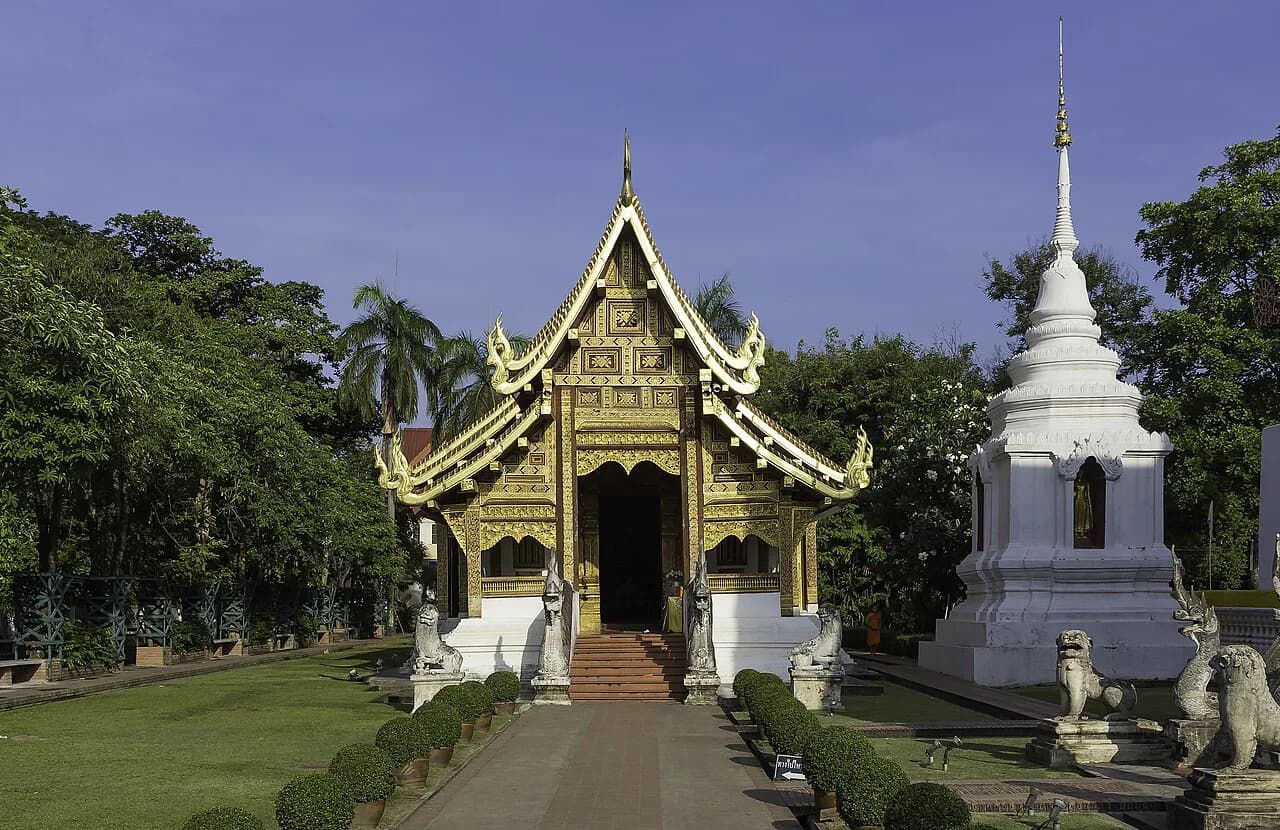
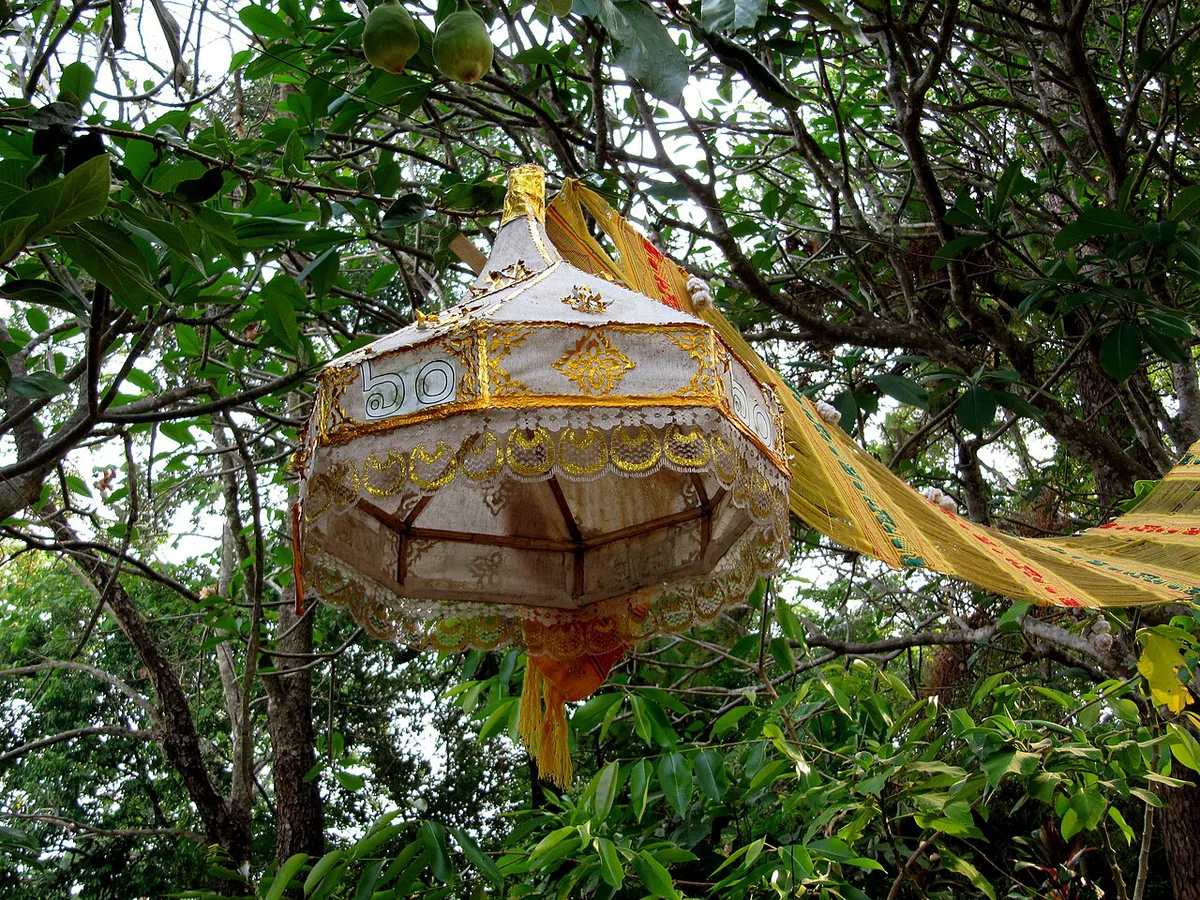
Featured image: KOSIN SUKHUM, CC BY-SA 4.0, via Wikimedia Commons.
Short answer: when to go
Pick November to February for comfortable weather and easy sightseeing. Expect higher rates and earlier sell-outs in that window. Pick May to September for green hillsides, quieter sights, and cheaper rooms. Pick March and April only if you accept heat and haze, or have a specific festival in mind. Dates vary by year, so check the Thai Meteorological Department forecasts before you lock in flights.
- Want clear air and cool mornings? Go in December or January.
- Want low prices and fewer tour groups? Go in June to September.
- Want Songkran water fights? Go in mid-April, and accept the heat.

Chiang Mai seasons at a glance
Northern Thailand runs on three seasons, not four. Values below are qualitative, so confirm current conditions with official sources. Temperatures are typical ranges: cool-season mornings can fall toward 15°C (59°F), hot-season afternoons often pass 35°C (95°F), and rainy-season highs sit near 31°C (88°F).
| Season | Months (approx.) | Weather feel | Air quality | Crowds | Price level | Best for | Skip if |
|---|---|---|---|---|---|---|---|
| Cool and dry | Nov to Feb | Cool mornings, warm days | Usually better, but smoke can start late in the season | Highest | Highest | Sightseeing, trekking, markets | You hate booking early |
| Hot and burning | Mar to May | Hot, dry, then humid | Often the poorest of the year | Moderate, with a Songkran spike | Mid-range | Songkran, indoor classes | You have breathing issues |
| Rainy | May to Sep | Warm, humid, showers | Generally good | Lowest | Lowest | Budget trips, green scenery | You need guaranteed dry days |
Month-by-month guide
Each month has its own trade-off. Chiang Mai in December: Weather, Crowds & Planning Guide is typically a favourite for cool nights and clear days. Book early, because rooms near the Old City fill first. Chiang Mai in January: Weather, Crowds, Festivals and Trip Plan stays comfortable, though late-month haze can begin in some years. For hot-season planning, read Chiang Mai in April: Heat, Smoke & Songkran before you commit. Rainy-season visitors should check Chiang Mai in July: Weather, Rain & What to Do for daily-plan tips.

- November: Cool and often dry. Early November can still bring rain, so keep a light jacket and a poncho.
- February: Pleasant at first, but smoke may build toward month end. Treat late February as a conditional call.
- March: Hot and hazy. Burning-season air quality is often at its worst around this time.
- April: Hottest stretch, with Songkran in mid-month. Check the current year's dates.
- May: Rains begin, which can clear some haze. Expect humid heat and afternoon storms.
- June: Early June is a shoulder month. Showers are frequent but sightseeing is workable in the mornings.
- August and September: Peak rain. Trails are muddy and some day trips need a backup plan.
- October: Rain tapers off and crowds start to return. Conditions shift year to year.
Burning season and air quality: what to know before booking
Burning season is not simply hot weather. Agricultural and forest fires across the region send smoke into the Chiang Mai basin, usually between roughly February and April. Dry air and still conditions can trap it. Check live air-quality readings from official Thai monitoring before you book, and again each morning during your stay. Your plan B should include indoor options: cooking classes, museums, cafés, and spas. A well-fitted N95 mask helps on bad days. You can also shift your dates to November through January, or to the rainy months, when haze is generally lighter. Travelers with asthma or heart conditions should ask their doctor before choosing March.
Rainy season: is it really a bad time?
No, but it suits some travelers better than others. Showers often arrive in the afternoon, so mornings are usually workable for temples and markets. Budget travelers gain the most, since rooms are generally cheapest and tours are less crowded. As an illustration only, a guesthouse room that costs ฿1,000 in September could cost ฿1,800 or more in December. Always compare live rates for your dates. Skip this season if you want guaranteed views from Doi Suthep or Doi Inthanon, since cloud often covers the summit. Muddy trails and swollen streams can also change trekking and sanctuary plans. Pack a light rain jacket and shoes with grip.
Flexible dates can help. ฿1,000 in September could cost ฿1,800 or more in December, when rooms near the Old City fill first.

Best time by traveler priority
Match your date to what you value most. This matrix gives a starting point, not a guarantee, and conditions shift each year.
| Priority | Best months (approx.) | Trade-off |
|---|---|---|
| Clear air | Nov to Jan, or Jul to Sep | Peak-season rates in winter |
| Lowest cost | Jun to Sep | Daily showers |
| Fewest crowds | Jun to Sep | Cloud on viewpoints |
| Trekking and outdoors | Nov to Jan | Book guides early |
| Photography | Nov to Dec for clarity; Aug for green | Smoke or cloud depending on month |
| Festivals | Nov (Loy Krathong, Yi Peng) and Apr (Songkran) | Verify dates each year |
| Families with young children | Nov to Jan | Higher prices |
Festivals and events by season

Loy Krathong and Yi Peng fall in the cool season, usually in November, and follow the lunar calendar. Songkran falls in mid-April, in the hottest weeks. Dates and event programs change every year. Check the Tourism Authority of Thailand and municipal announcements for the current year's schedule before you book. Never plan around a single date you saw on a blog. Rooms near the Old City and the Ping River book out quickly for lantern festivals, so reserve well ahead.
Seasonal packing and logistics
Pack layers for the cool season. Mornings on Doi Inthanon and Doi Suthep can feel far colder than the city, so bring a fleece or light jacket. In the rainy months, carry a compact rain shell and quick-dry clothes. In smoke months, bring a mask and eye drops. Book flights and rooms several weeks ahead for December and January. Last-minute deals are easier from June to September. Mae Taeng and Mae Rim day trips, plus elephant sanctuary visits, are best on dry days. Confirm road and trail conditions with your operator.
Pack for swings, since hot-season afternoons often pass 35°C (95°F) and smoke months add a mask to the list.
Common mistakes
Many travelers assume dry weather means clear skies. In March and April, dry often means smoky. Others book November without checking the shoulder-month rain risk. Some skip June entirely, though mornings are often workable. Another error is picking dates before checking the live air-quality readings. Finally, travelers combining Chiang Mai with Chiang Rai should follow the same seasonal logic. Both sit in northern Thailand, so cool-season months generally suit both.
Building the rest of the trip? Our Chiang Mai attractions guide covers the sights, districts and logistics around this guide.
Explore best time to visit in other cities
Frequently Asked Questions
How many days to spend in Chiang Mai?
Three to four days covers the Old City, Doi Suthep, and a cooking class. Add two more for Doi Inthanon or a sanctuary visit. In smoky or rainy weeks, keep an extra day free for plan changes.
What is the cheapest time to go to Thailand?
Rooms and tours are generally cheapest during the rainy season, roughly May to September. For Chiang Mai, that means June through September. Compare live rates, because pricing differs by property and year.
What is the weather like in Chiang Mai during May?
May is hot and humid as the rains begin. Afternoon storms are common, and they may clear some haze. Check the Thai Meteorological Department for current forecasts.
Explore More Chiang Mai Guides
Keep planning your Chiang Mai trip with these guides.
Chiang Mai Guides
Notes for your Thailand trip
Optional updates when we add or change a town or island guide.
You might also like

Continue reading
More guides you'll find useful