Chiang Mai in July: Weather, Rain & What to Do
Is Chiang Mai in July worth it? Rain patterns, temperatures, rainy-day plans, trekking tips, and who should go or skip.
On this page
Last updated November 2026: Chiang Mai in July is rainy season, warm and humid, with showers that often arrive late in the day rather than all day. It suits flexible travelers who want green hillsides and quieter streets more than guaranteed blue sky. Skip it if you need dry weather for every single day.
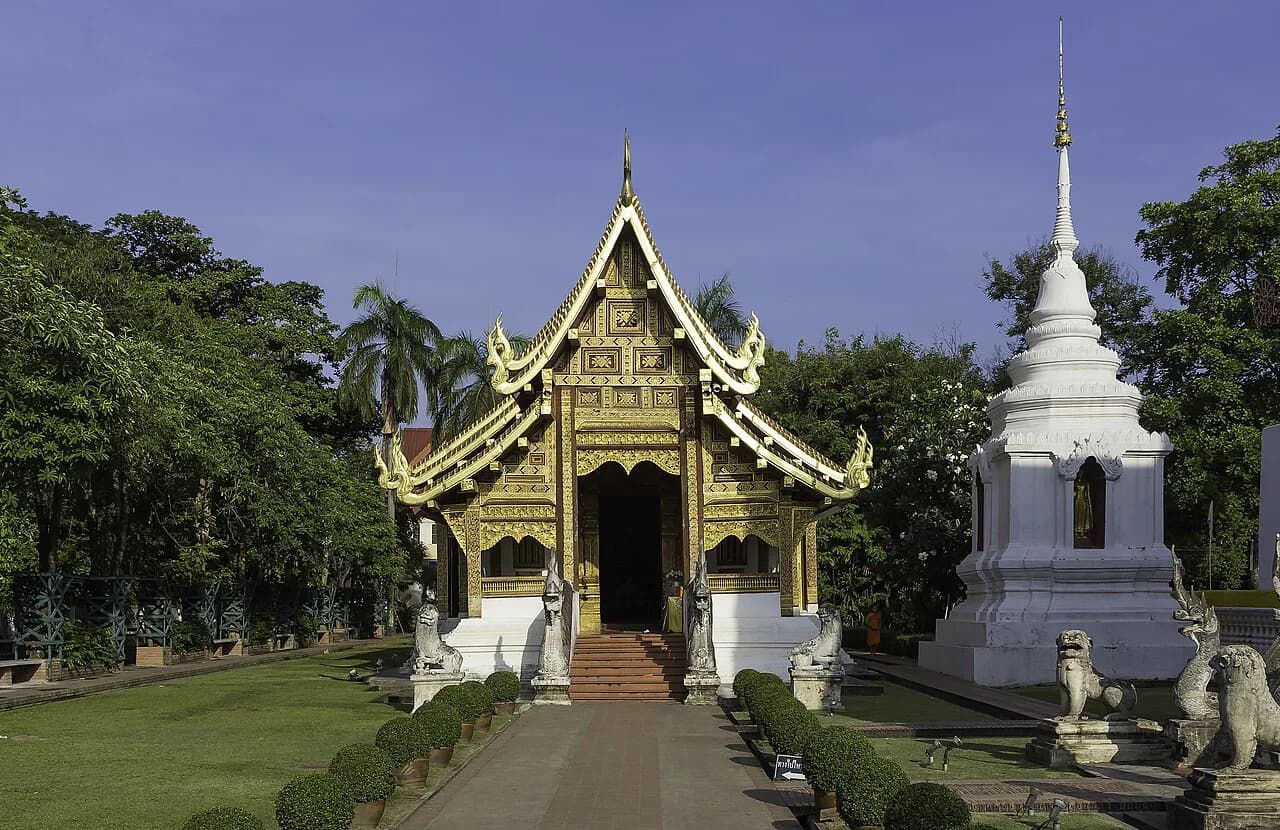
Featured image: Didier Descouens, CC BY-SA 4.0, via Wikimedia Commons.
Chiang Mai in July at a Glance
July sits inside the rainy season, which runs roughly July to October. Temperatures in snippet-level sources run about 24-33°C (75-91°F), so mornings are comfortable and afternoons feel sticky. Rain tends to come in bursts, not as a constant grey day. Treat these as patterns, not promises, because rain varies by year and by day. For the full-year view, use our month-by-month Chiang Mai guide.

| Factor | July in Chiang Mai |
|---|---|
| Weather | Warm, humid, showers likely |
| Crowds | Lighter than the cool, dry months |
| Prices | Generally lower; confirm when booking |
| Best for | Slow travelers, budget-minded visitors, greenery lovers |
| Skip if | You need reliable sun or hate humidity |
What the Weather Is Really Like in July
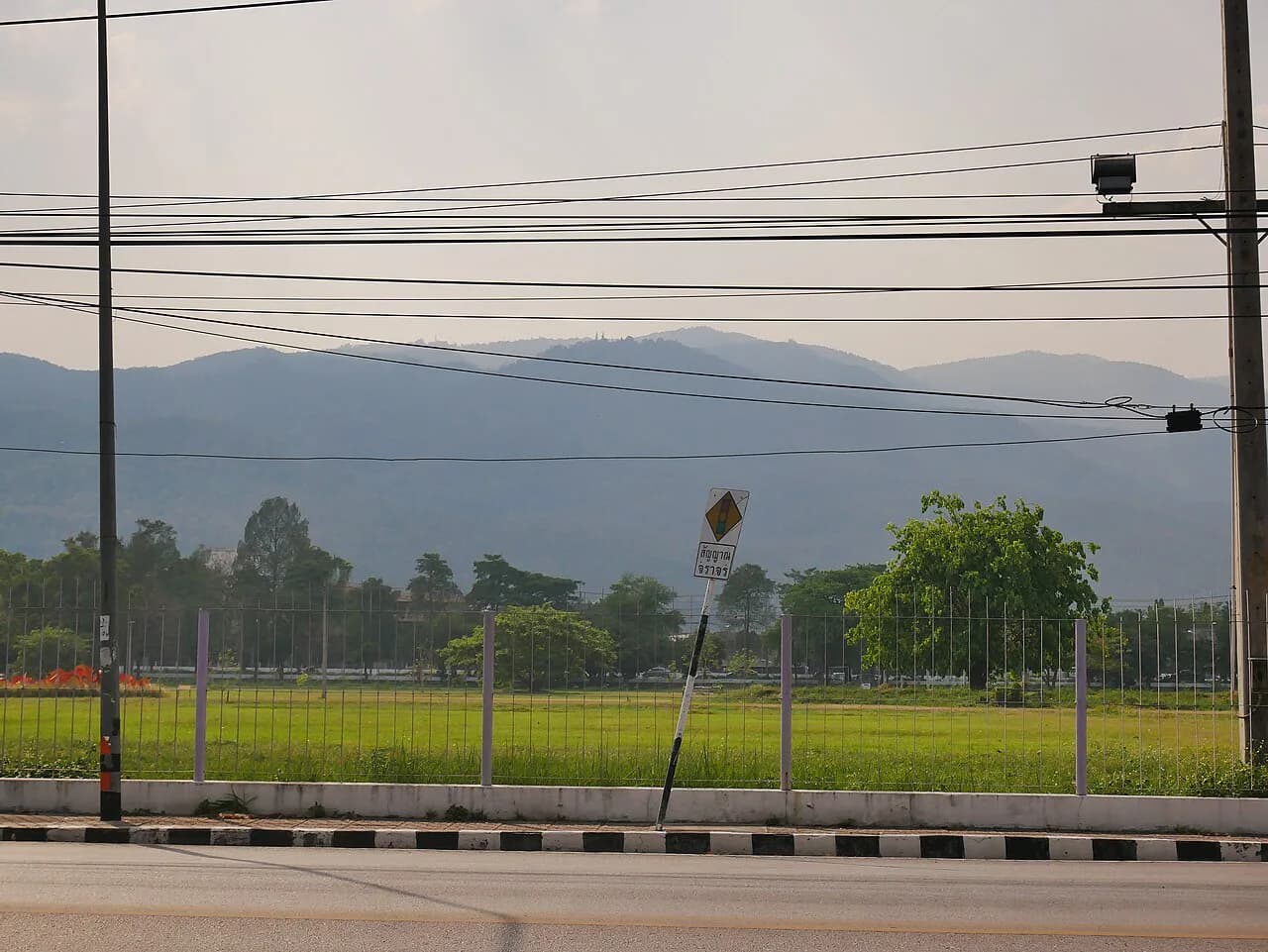
Expect heat and moisture together. Humidity is the main discomfort, more than the temperature itself. Showers often fall in the afternoon or evening, and many days still have dry stretches. September is usually the wettest month, so July is the gentler start to the wet season. Check rainfall and temperature normals at the Thai Meteorological Department before you commit. Cloud can also soften distant views from the hills.
Best Things to Do in July
Plan outdoor sights for the morning and keep afternoons flexible. Doi Suthep and Old City temples work best early, before the heat builds and clouds gather. Rice fields and hill slopes are at their greenest in the wet season. Waterfalls usually run fuller after rain, though access can be slippery. Markets and food stops suit the late afternoon, when you can duck under cover. A rocket festival, a prayer for rain, is linked to July in some local accounts. Confirm any date with the Tourism Authority of Thailand or local organizers before building plans around it.
Allow for roughly 2 hours to the larger temple on the Monk's Trail, which argues for an early start before the heat builds.

Rainy-Day Backup Plans
Rain rarely cancels a whole day, so pair each outdoor stop with an indoor fallback. Match the backup to your interests.
- Temple lovers: choose Old City temples with covered halls and wait out showers inside.
- Food lovers: book a cooking class for the afternoon slot.
- Slow travelers: schedule a massage or a long cafe stop in Nimman.
- Culture seekers: visit a museum and check current opening hours first.
- Shoppers: browse covered market sections and return when the rain thins.
Trekking and Day Trips in the Wet Season

Trails get slick, and leeches and mosquitoes become part of the deal. Snippet sources mention the Monk's Trail near Doi Suthep, with roughly 2 hours to the larger temple and about 30 minutes to a smaller one. Verify both timings locally and start early. Doi Inthanon can be misty and less rewarding for views on cloudy days. Check current national park access before you go. Wear shoes with grip, and cancel gracefully if a storm builds.
Costs, Crowds, and Where to Stay
No sourced July price figures were supplied for this guide, so check current hotel and tour rates directly. Old City suits temple access and Nimman suits cafes, so book flexible cancellation terms either way.
Getting Around When It Rains
Songthaews and ride-hailing apps keep you dry, while scooters are riskier on wet roads. Confirm insurance terms and local road conditions before renting one.

What to Pack and Common Mistakes
Pack for humidity and sudden showers, not for cold. Bring a light rain jacket, quick-dry clothes, and mosquito repellent. A small dry bag protects phones and cameras.
With temperatures around 24-33°C (75-91°F), quick-dry clothes matter more than warm layers, since humidity is the main discomfort.
- Mistake: scheduling every outdoor sight for the afternoon.
- Mistake: renting a scooter without checking insurance and road conditions.
- Mistake: wearing smooth-soled shoes on forest trails.
- Mistake: expecting clear mountain views every day.
Who Should Visit in July, or Pick Another Month
Go in July if you want greenery, calmer streets, and a flexible pace. Families and seniors can manage it with a morning-first rhythm and indoor backups. A late July to early August trip works the same way, though it still means rain-gear planning. Choose December in Chiang Mai for cooler, drier days. January in Chiang Mai offers similar dry weather, with busier streets. Pick April in Chiang Mai if you want Songkran, but expect the hottest weather.
Frequently Asked Questions
Is it a good time to visit Thailand in July?
It is rainy season across much of the country, so expect showers and humidity. Fewer visitors and lower prices are the usual trade-off. Check regional forecasts for your route.
What is the best time to visit Chiang Mai, Thailand?
Cooler, drier months are the usual favorites, and they draw the biggest crowds. Our guide compares every season in detail.
Notes for your Thailand trip
Optional updates when we add or change a town or island guide.
You might also like


Continue reading
More guides you'll find useful