Isan Travel Guide: Best Places, Bases & When to Go
Plan Northeast Thailand: best places in Isan, which base town to choose, when to go and how to get around without a car headache.
On this page
Last updated November 2026: Isan covers 20 provinces of northeastern Thailand, bordering Laos along the Mekong and Cambodia to the south. It suits repeat visitors who want Khmer-period sites, temples and fiery food more than beaches or nightlife. This travel guide covers the Thai region, not the audiovisual ISAN standard.
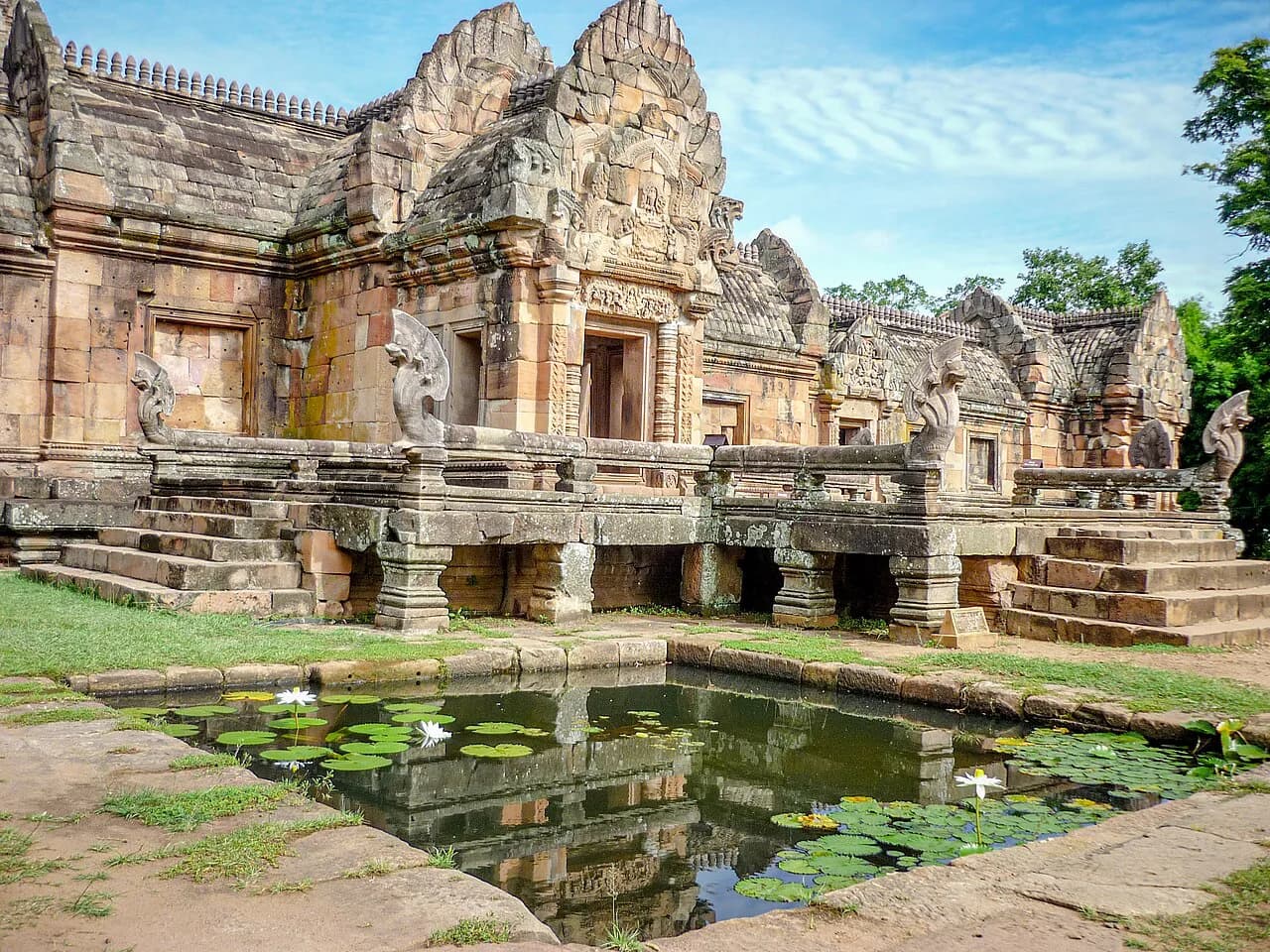
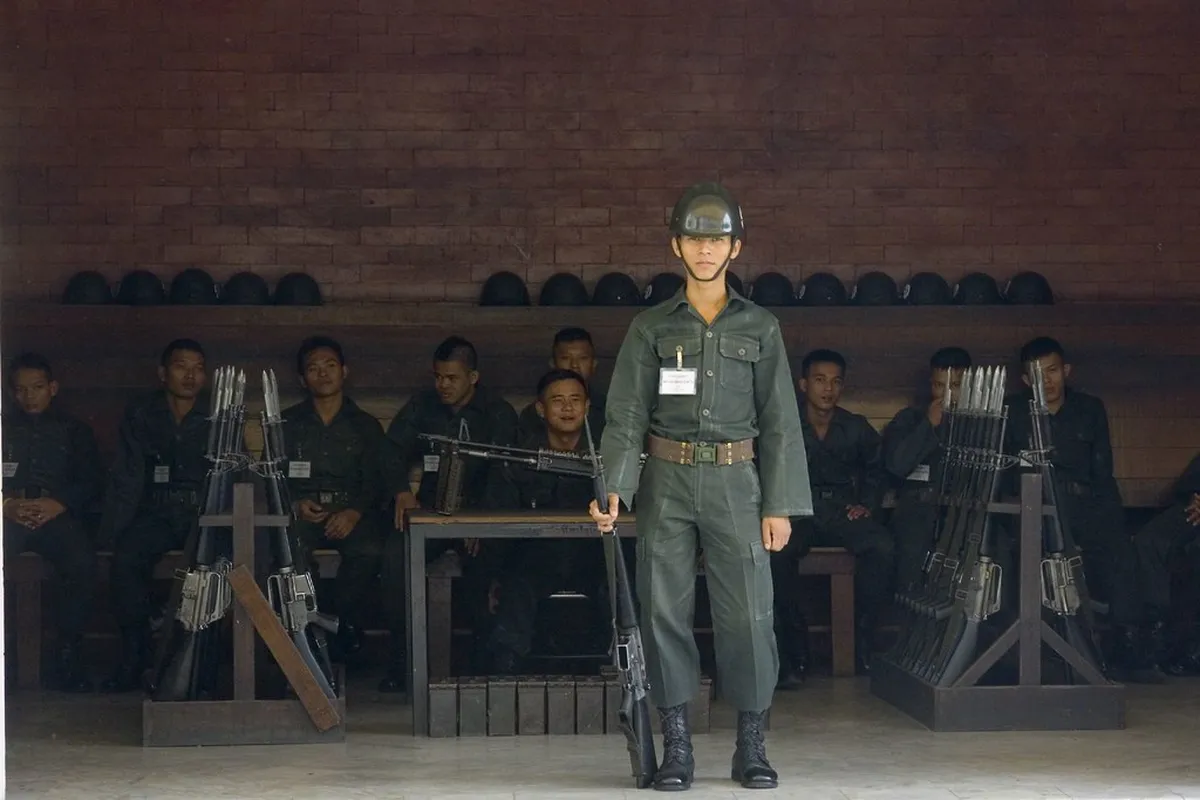
Featured image: Philip Nalangan, CC BY-SA 4.0, via Wikimedia Commons.
What Isan Is and Who It Suits
Isan (pronounced e-sahn, also spelled Isaan or Isarn) is Thailand's northeastern plateau. Its 20 provinces hold roughly one-third of the country's land and one-third of its people. Laos sits to the north and east along the Mekong. Cambodia sits to the south. Culture here leans Lao and Khmer, with its own cuisine and its own language. Travelers find Khmer-period archaeological sites, temples and river towns instead of resorts. We'd send return visitors here first, especially anyone who has already ticked off Bangkok and Chiang Mai. Our verdict: rewarding, but only with a plan for transport.
- Skip Isan if nightlife matters. Most towns are small and quiet after dark.
- Skip it if you want a beach holiday.
- Skip it on a very short trip with no car or driver.
- Skip Wat Phu Tok if you have a fear of heights.
Is Isan Worth It? Isan vs Chiang Mai and the Islands
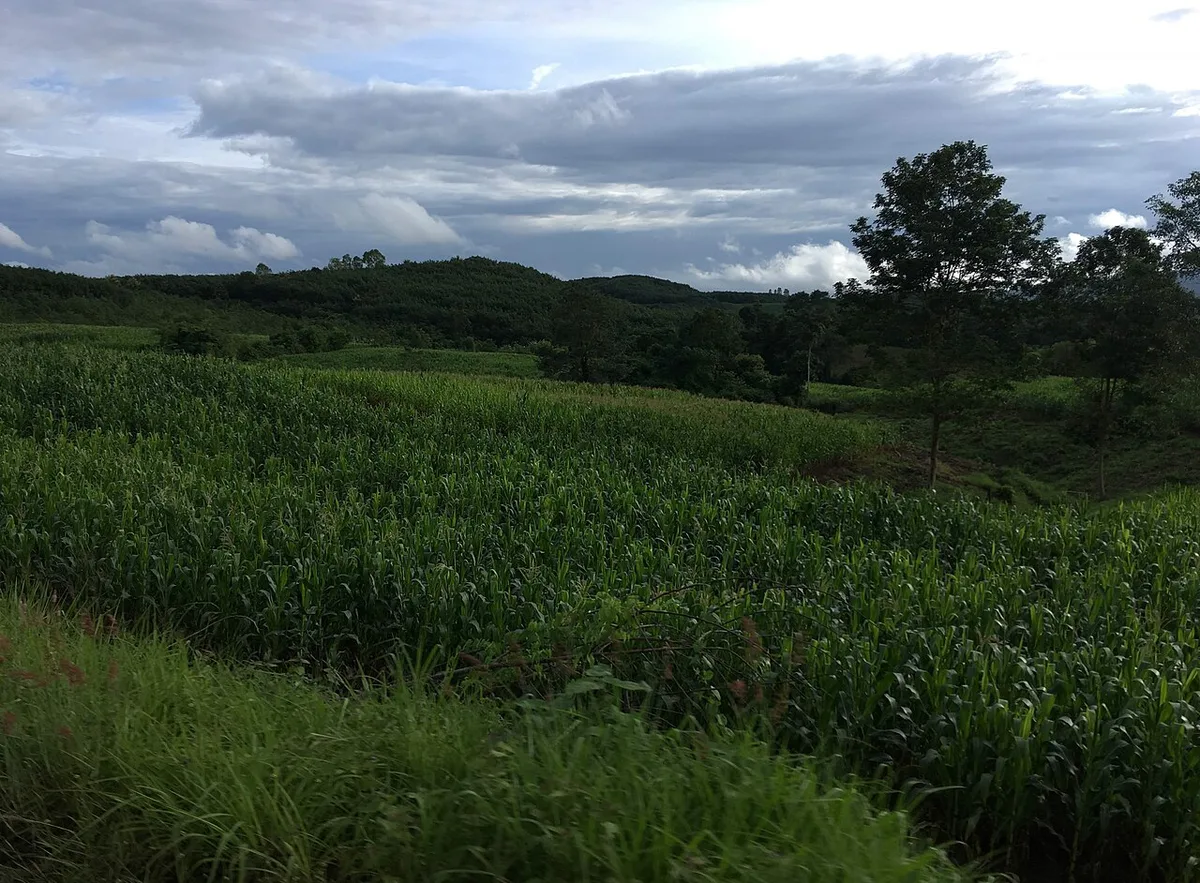
Isan trades convenience for space. Tourist numbers stay low compared with the islands, so temples and parks feel empty. Effort is higher, because distances are long and public transport is thin. For a first Thailand trip, our pick is still Bangkok plus the north. Our guide to the northern Thailand route covers that. Northern culture there is distinct, and Lanna heritage gives a useful contrast with Isan's Lao and Khmer influence. Beach-first travelers should read about southern Thailand's islands instead. If you are comparing regions, our overview of Thailand's regions is the best next step.
Best Places to Visit in Isan
We group these by area, not as a flat top 10. All details come from published traveler reports, so confirm hours and entry rules before you go. The Fine Arts Department is the official place to check heritage sites. Wat Pa Phu Kon above Udon Thani is reported as free, open 8:30am to 5pm. Allow at least an hour there. Sala Keo Ku is a sculpture park with figures up to 25 m high. Its founder, Luang Pu Bunleua Sulilat, died in 1996. Phu Phrabat Historical Park has rock formations reported as sacred for over 3,000 years. We'd hire a guide there, because the rocks mean little without the history. Far north on the Mekong side, Wat Phu Tok has seven levels and a reported 1,200 steps. Go early, and treat that step count as unconfirmed.
- Udon Thani area: Wat Pa Phu Kon, Sala Keo Ku, Phu Phrabat Historical Park, Kham Chanot Wang Nakhin and Wat Pothisomphon Phra Aram Luan. The last sits in Udon Thani city and needs about an hour.
- Archaeology: Ban Chiang National Museum. Allow a couple of hours, and verify its UNESCO status with official sources.
- Bueng Kan and Mekong side: Three Whale Rock (Hin Sam Wan) and Wat Phu Tok. Both need an early start.
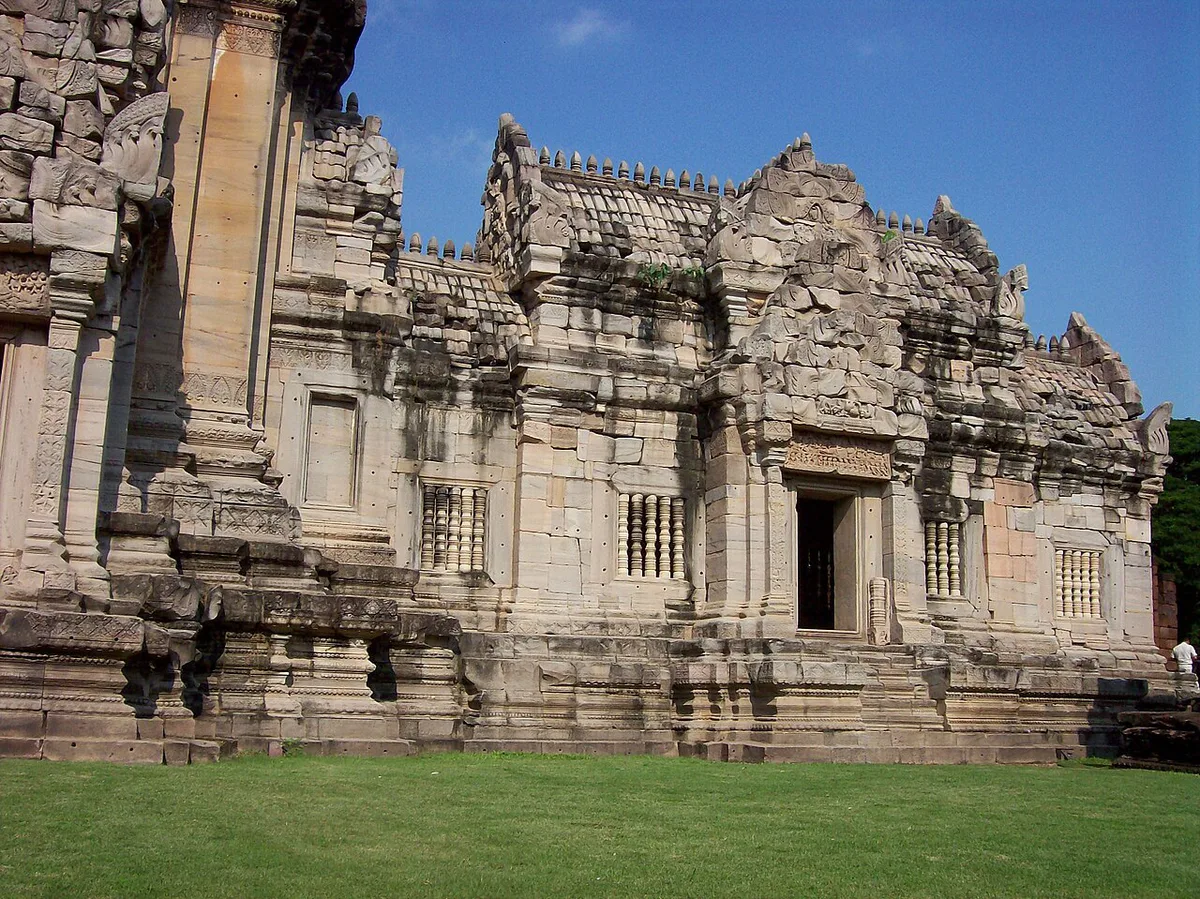
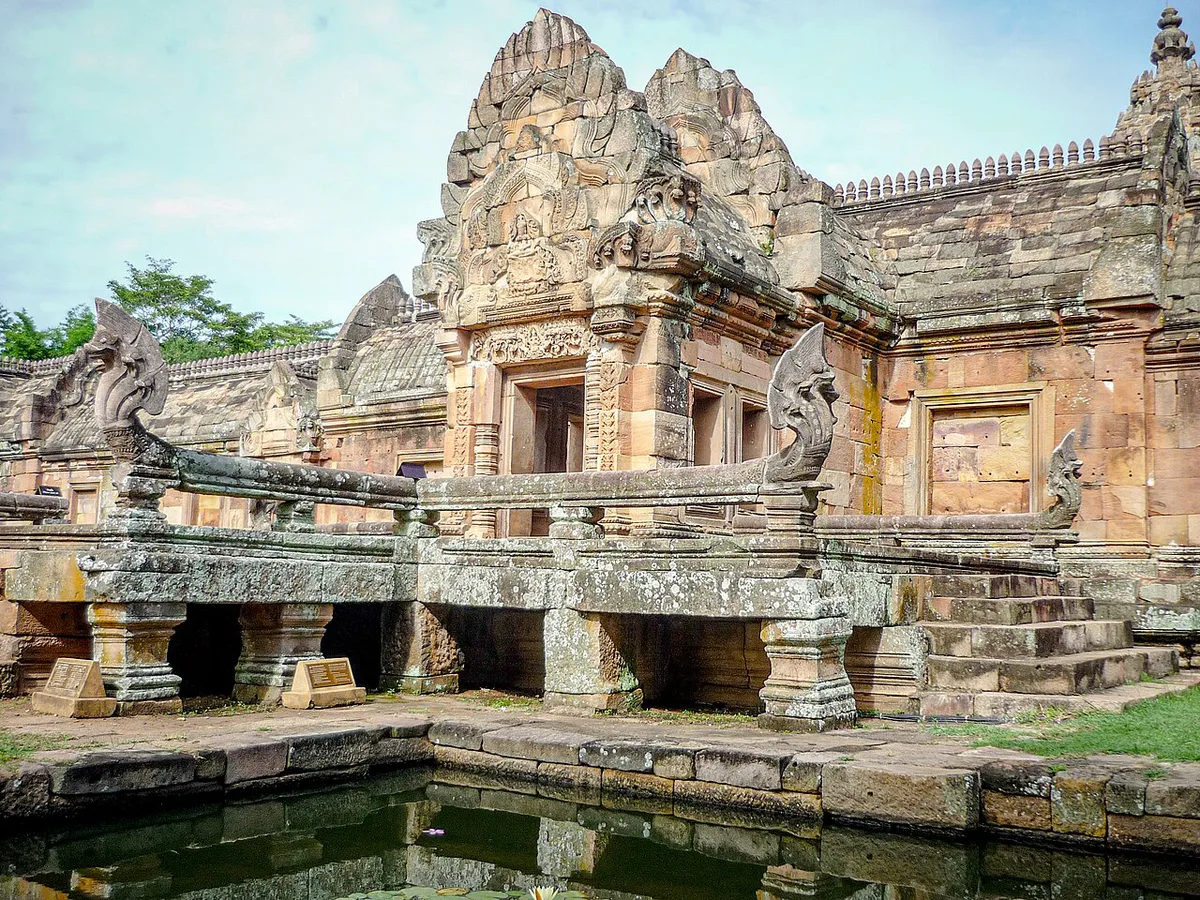
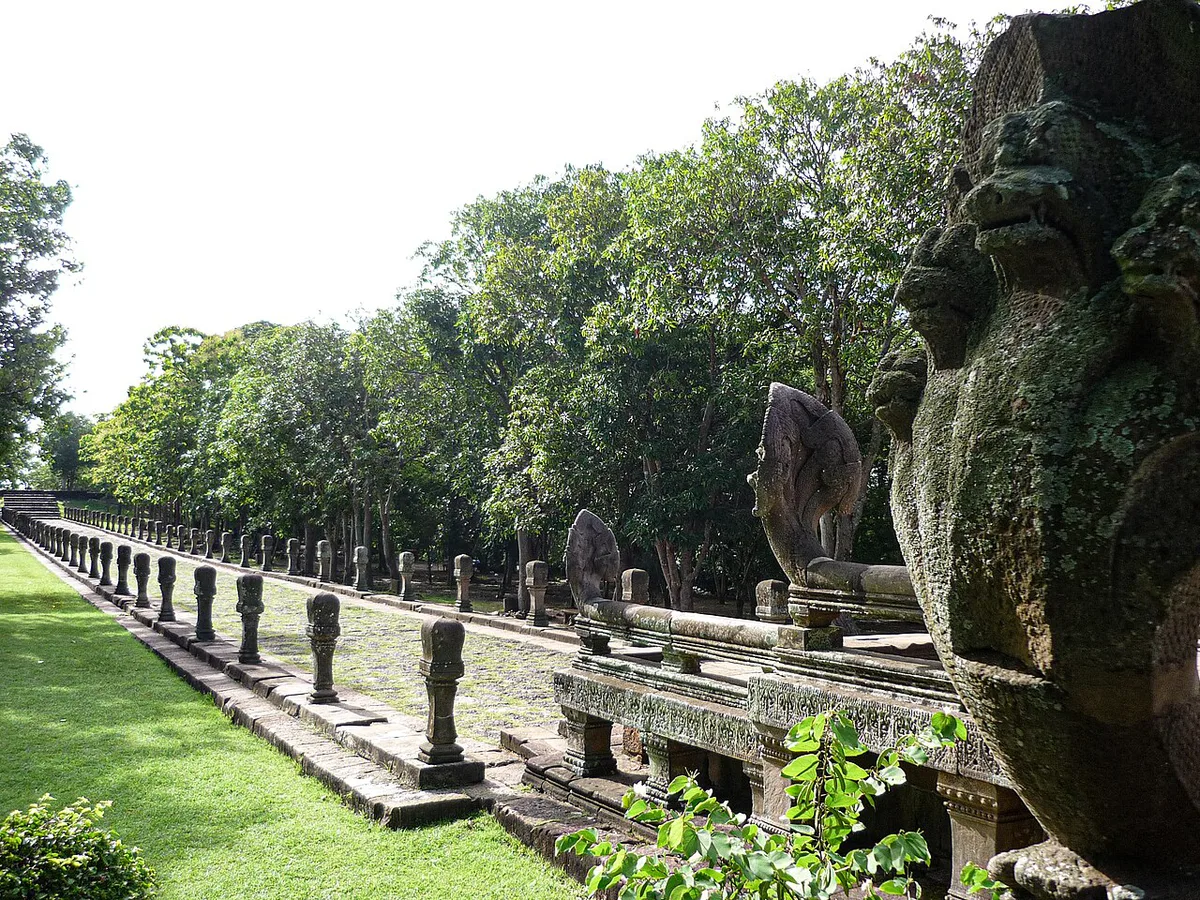
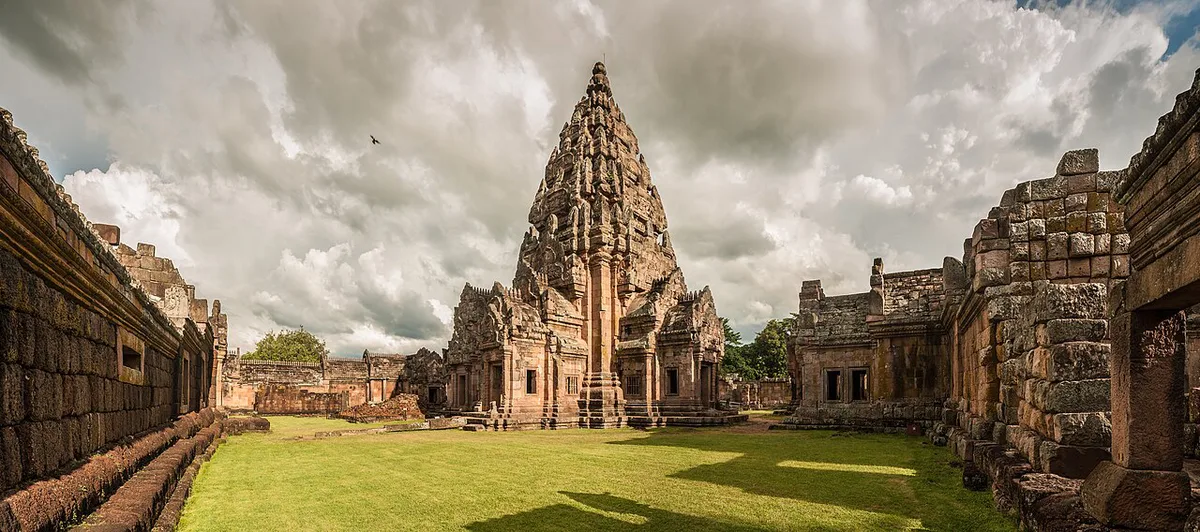
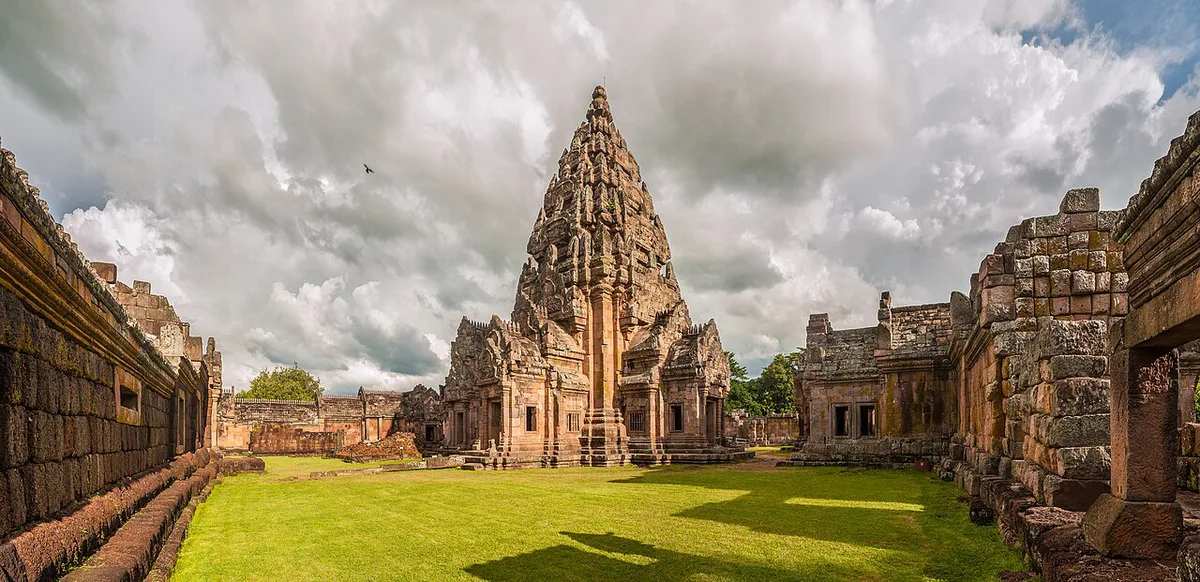
- Khmer temples at Phimai and Phanom Rung: we have not verified details here, so check official listings before planning them.
- Kham Chanot Wang Nakhin: a sacred forest above an underground lake. Locals reportedly balance a coin on a statue for luck.
How to Get to Isan and Get Around
Bangkok is the gateway. Budget airlines have been reported to fly daily from Bangkok to several Isan cities, but routes change, so check airline sites for current schedules. Trains and buses also run north. Check the State Railway of Thailand for current timetables. We have no verified fares or journey times, so we won't quote any. On the ground, the region is best explored by car. Travelers also report that things are remote, so hire a scooter, a car or a driver. The longest single drive reported is about three hours, from Udon Thani to the Bueng Kan area. We'd overnight near Three Whale Rock instead of day-tripping. Self-drive gives flexibility. A driver removes navigation effort. Public transport costs least but limits you to town centers.
Where to Base Yourself
Udon Thani is the base most guides use. Pick by what you want to see, not by hotel brand. Cells below are qualitative because we hold no verified fares or drive times. Loei and the Mekong Valley suit a river-town focus, and Surin is another stop on the Khmer side.
| Base | Best for | Car needed? | Trade-off |
|---|---|---|---|
| Udon Thani | Temples, sculpture park, Ban Chiang area | Yes, for the outer sites | Far from Bueng Kan |
| Nong Khai | Mekong riverside and Laos border | Helpful | Fewer big sights nearby |
| Khon Kaen | City base with an airport | Helpful | Mostly a transit stop |
| Khorat (Nakhon Ratchasima) | Khmer-temple side | Yes | Verify temple details first |
| Loei and Mekong Valley | River scenery, quiet pace | Yes | Remote, slower access |
When to Go
Isan follows the pattern of the rest of Thailand, but it runs hot. Check Thai Meteorological Department forecasts before booking. November to February is coolest, so it's our pick for temple climbing. March to May is hot and dry. June to October is rainy. A traveler who visited in mid-June reported brief showers that passed quickly, so July is workable. Reports also say Isan suits children, because sites are uncrowded. Start early on any climb.
Climbing Wat Phu Tok's reported 1,200 steps during March to May heat is a poor plan, so go at dawn.
| Season | Months | What changes |
|---|---|---|
| Cool | Nov-Feb | Best for Wat Phu Tok and outdoor sites |
| Hot and dry | Mar-May | Very hot, so go at dawn and late afternoon |
| Rainy | Jun-Oct | Short showers possible, greener scenery |
Costs and Practicalities
We hold no verified 2026 prices, so check each site before you go. Wat Pa Phu Kon and Wat Pa Dong Rai are reported as free to enter. Phu Phrabat is best with a guide, which adds a cost. Transport is the main expense, since a driver for a drive of three hours or more costs more than public buses. Food stops are cheap, and roadside papaya salad and larb are the regional classics. Carry cash for small villages.
Sample 3-4 Day Itinerary
This loop starts in Udon Thani and adds the Mekong side as an option. Drive times are unconfirmed, so build in slack.
Wat Pa Phu Kon is open 8:30am to 5pm, so the late-afternoon slot in the Day 1 plan leaves little margin.
- Day 1: Wat Pothisomphon Phra Aram Luan in town, then Wat Pa Phu Kon in late afternoon.
- Day 2: Ban Chiang National Museum, then Kham Chanot Wang Nakhin.
- Day 3: Phu Phrabat Historical Park with a guide, then Sala Keo Ku.
- Day 4 (add-on): drive about three hours to Bueng Kan. Overnight nearby, then see Three Whale Rock and Wat Phu Tok.
Mistakes to Avoid
Skipping a car or driver is the biggest error. Climbing Wat Phu Tok at midday is the second. Cramming every site into three days comes third. Expecting nightlife in small towns will disappoint you. Skipping roadside food stops wastes the best part of the region.
Frequently Asked Questions
How do you pronounce the name Isan?
Isan is pronounced roughly e-sahn. You will also see it spelled Isaan or Isarn.
What is Isan, Thailand known for?
Isan is known for Khmer-period archaeological sites, temples and Mekong river towns. Its fiery food is another draw, including papaya salad and larb. Culture here resembles Laos more than mainstream Thai life.
Are Isan people Thai?
Isan is part of Thailand, and its people are Thai citizens. Their culture, cuisine and language show strong Lao and Khmer influence.
Notes for your Thailand trip
Optional updates when we add or change a town or island guide.
You might also like
Continue reading
More guides you'll find useful