7 Key BTS Skytrain Stations in Bangkok: Visitor Guide
How to ride the BTS Skytrain in Bangkok: two lines, 7 key stations by goal, tickets, hours, and when Grab or the MRT is the smarter choice.
On this page
Last updated November 2026. The BTS Skytrain is Bangkok's elevated rail system, and two core lines, Sukhumvit and Silom, meet at Siam. This guide picks 7 stations by traveler goal, then covers tickets, hours, a decision table against Grab and other options, and the mistakes first-timers make. Fares and timetables change, so each practical section points you to the operator's own pages.
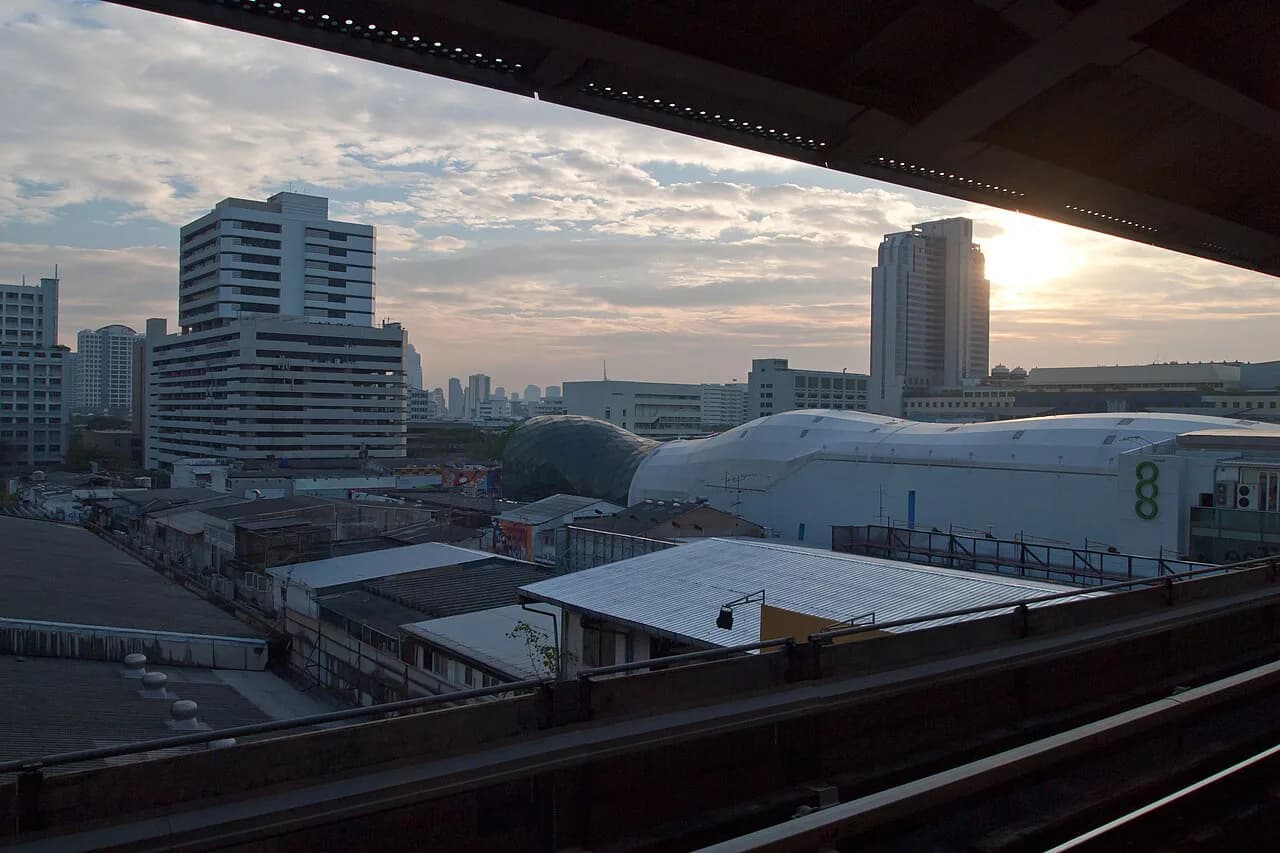
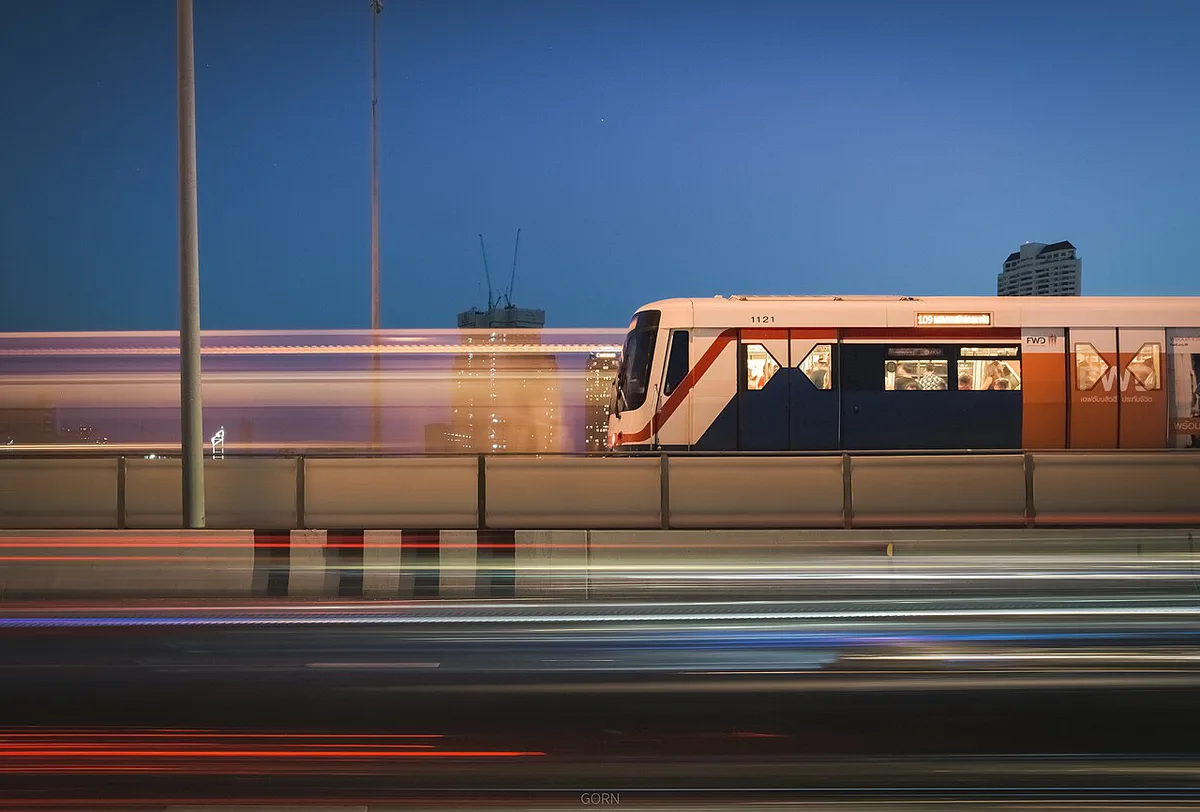
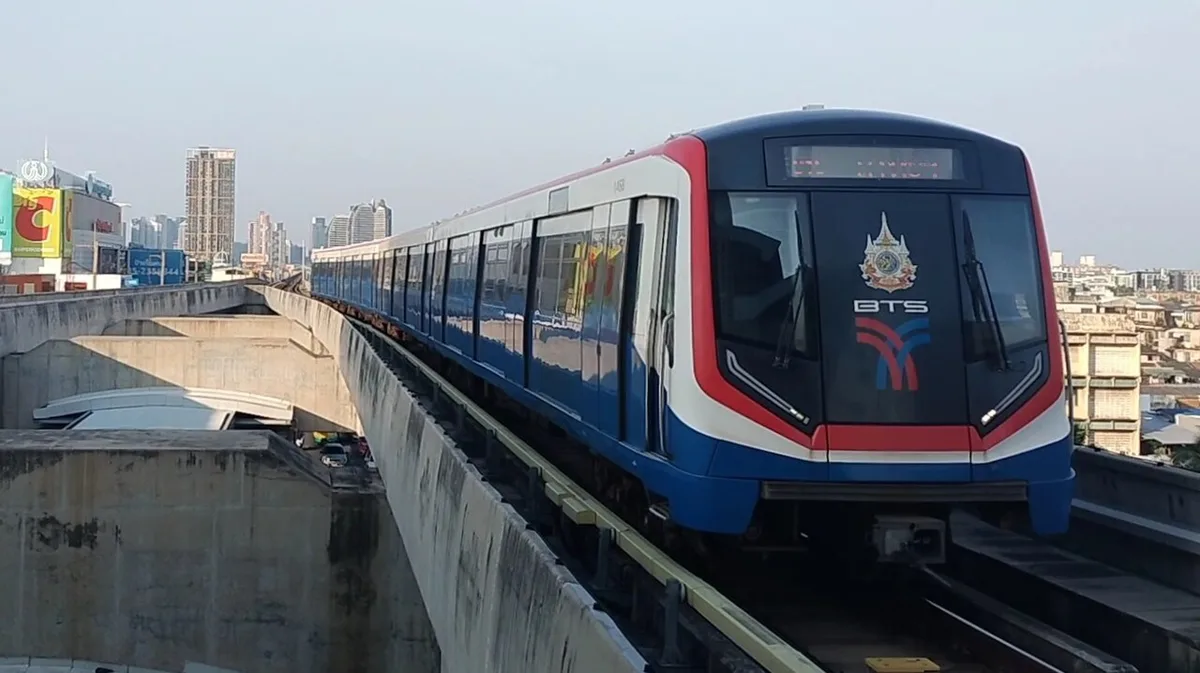
Featured image: Vyacheslav Argenberg, CC BY 4.0, via Wikimedia Commons.
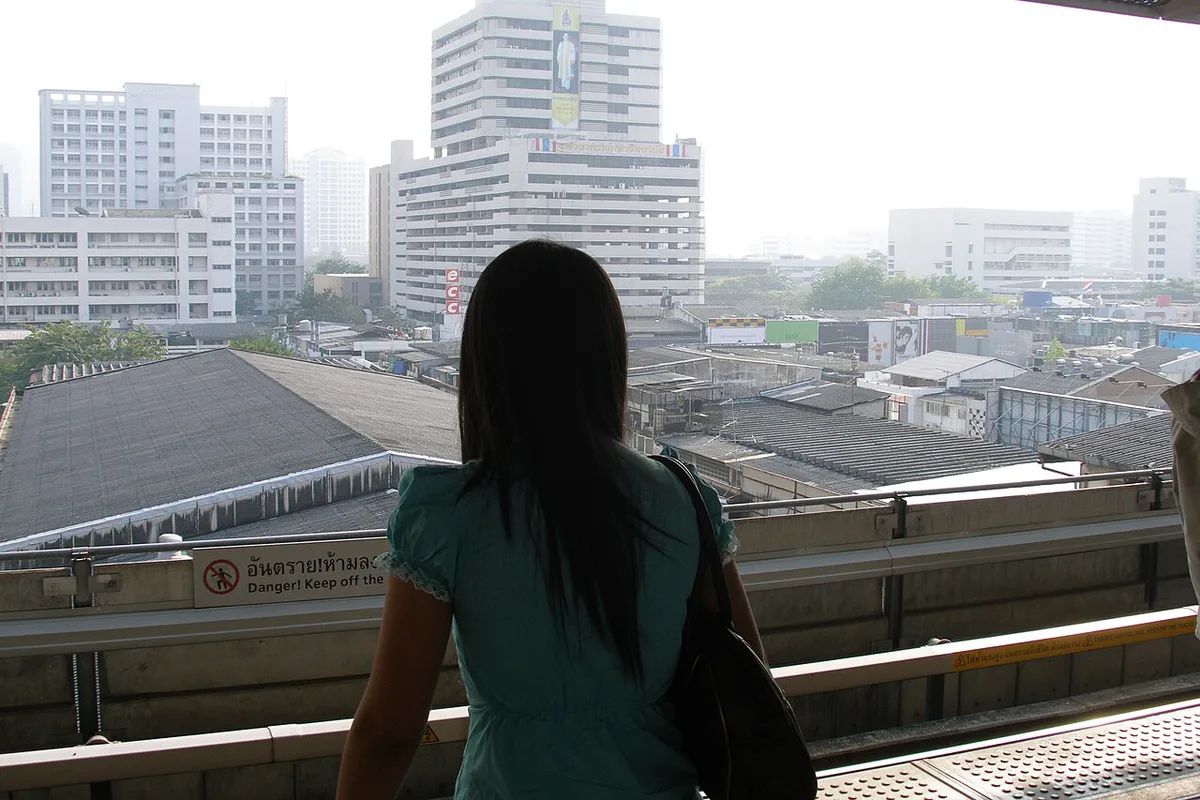
What the BTS Skytrain Is (and Which Lines Matter)
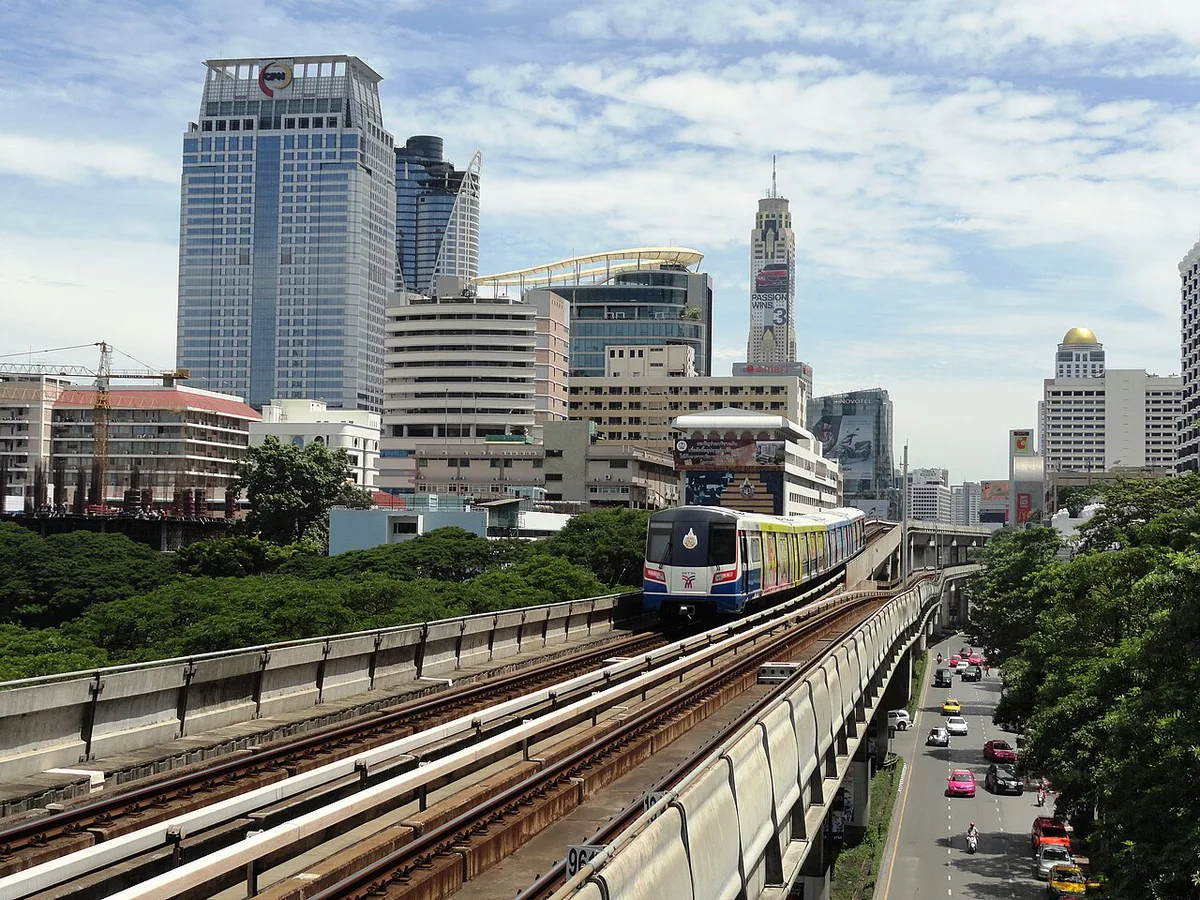
Two lines carry almost every visitor trip. The Sukhumvit Line runs from Kheha in Samut Prakan to Khu Khot in Pathum Thani. The Silom Line runs from Bang Wa to National Stadium. Siam is the single interchange where they connect.
According to the operator's structure page, the Sukhumvit Line is about 54.25 km long with 47 stations. The same page puts the Silom Line at about 14 km with 14 stations. That page also gives network totals of about 68.5 km and 60 stations, but the line figures do not add up to those totals. Extensions have likely been added since, so treat all counts as approximate and confirm the current station count with the operator.
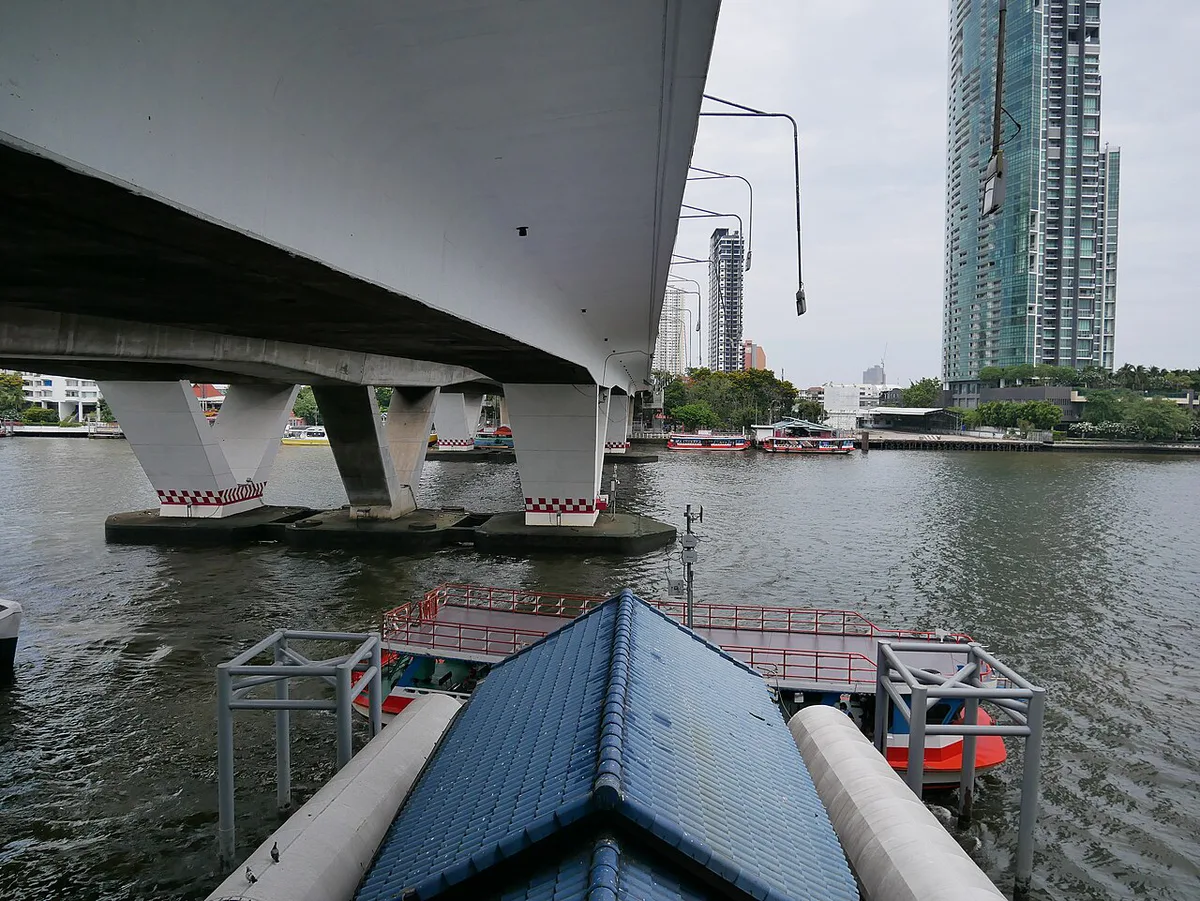
The operator's site also lists a Gold Line, Yellow Line, Pink Line and BRT Sathorn. Their ticketing and fare integration may differ from the two core lines. Check the operator's English pages before assuming one ticket covers them. For onward travel beyond the city, see our guide to intercity rail connections.
7 BTS Skytrain Stations Worth Knowing by Traveler Goal
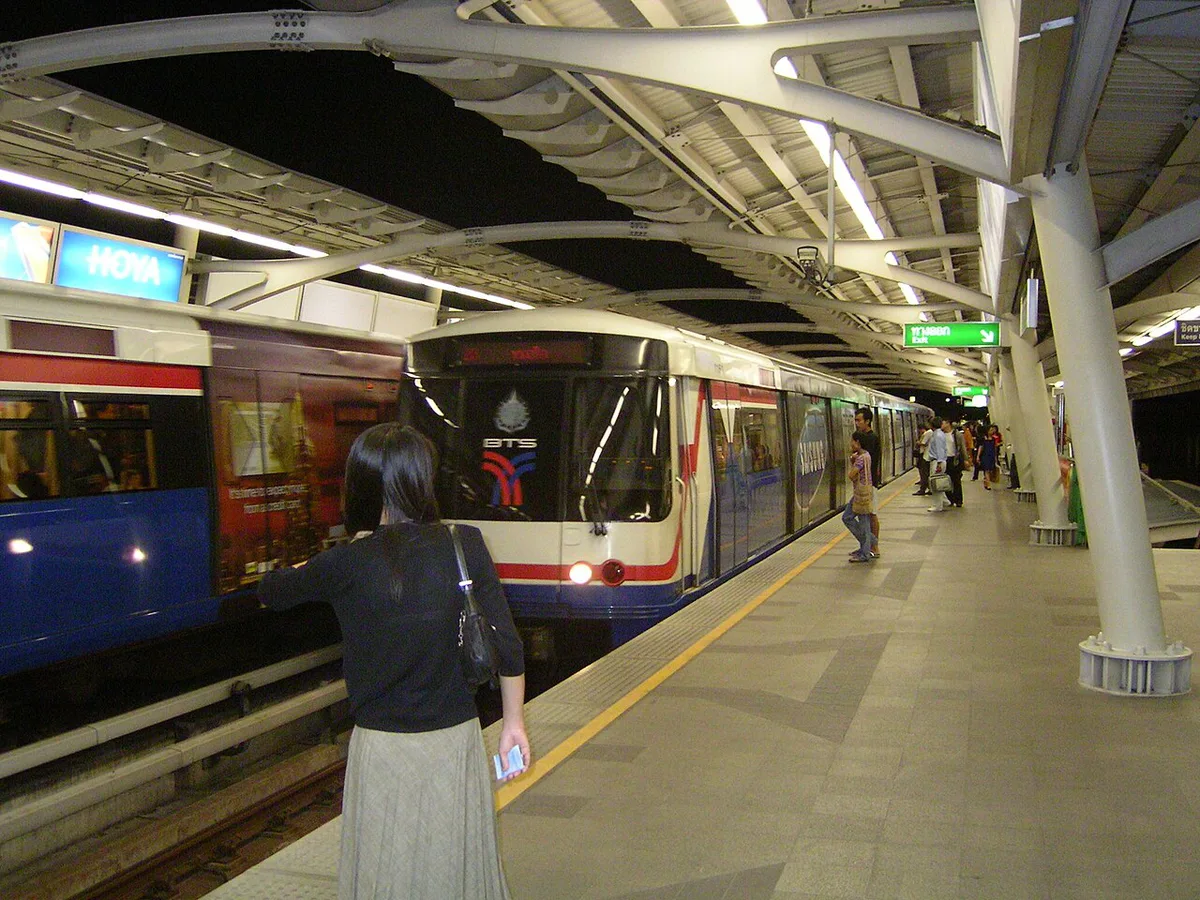
Sixty stations is too many to memorize. These 7 cover the most common visitor goals. All are named in the operator's structure page.
Seven picks out of the network's 60 stations cover visitor goals, but the Sukhumvit line alone lists 47 stations.
- Siam: the interchange
- Siam is the only station where the Sukhumvit and Silom lines connect. Any trip between the two lines routes through it.
- Allow extra walking time here at busy hours.
- National Stadium: the Silom Line terminus
- National Stadium is where the Silom Line ends. The line curves onto Rama I Road and interchanges with the Sukhumvit Line at Siam before reaching it.
- Pick it when your destination is at this end of the line.
- Victory Monument: a Sukhumvit Line landmark
- The structure page lists Victory Monument on the Sukhumvit Line's route past Phyathai Road. It works as a landmark when you plan a trip north of Siam.
- Confirm the exit that suits your destination on the operator's area map.
- Chatuchak Park: the northern stop
- Chatuchak Park sits on the Sukhumvit Line along Paholyothin Road. Choose it for the Chatuchak area.
- Check the operator's area map for the exit nearest your target.
- Saphan Taksin: the river crossing
- On the Silom Line, the track crosses the Chao Phraya River via Saphan Taksin. Look here when your plan involves the river.
- Verify any pier connection locally before relying on it. Our guide to river longtail rides covers the boat side.
- Chong Nonsi: Silom and Sathorn
- The Silom Line curves above Chong Nonsi before running along Silom Road. It is a sensible base for the Silom and Sathorn side of town.
- Lumpini Park lies further along the same line.
- Bang Wa: the western terminus
- Bang Wa is where the Silom Line starts, via the extension from Tak Sin Bridge. Use it as your direction marker when heading west.
- Platform signs show the terminal station name, so match it to your direction.
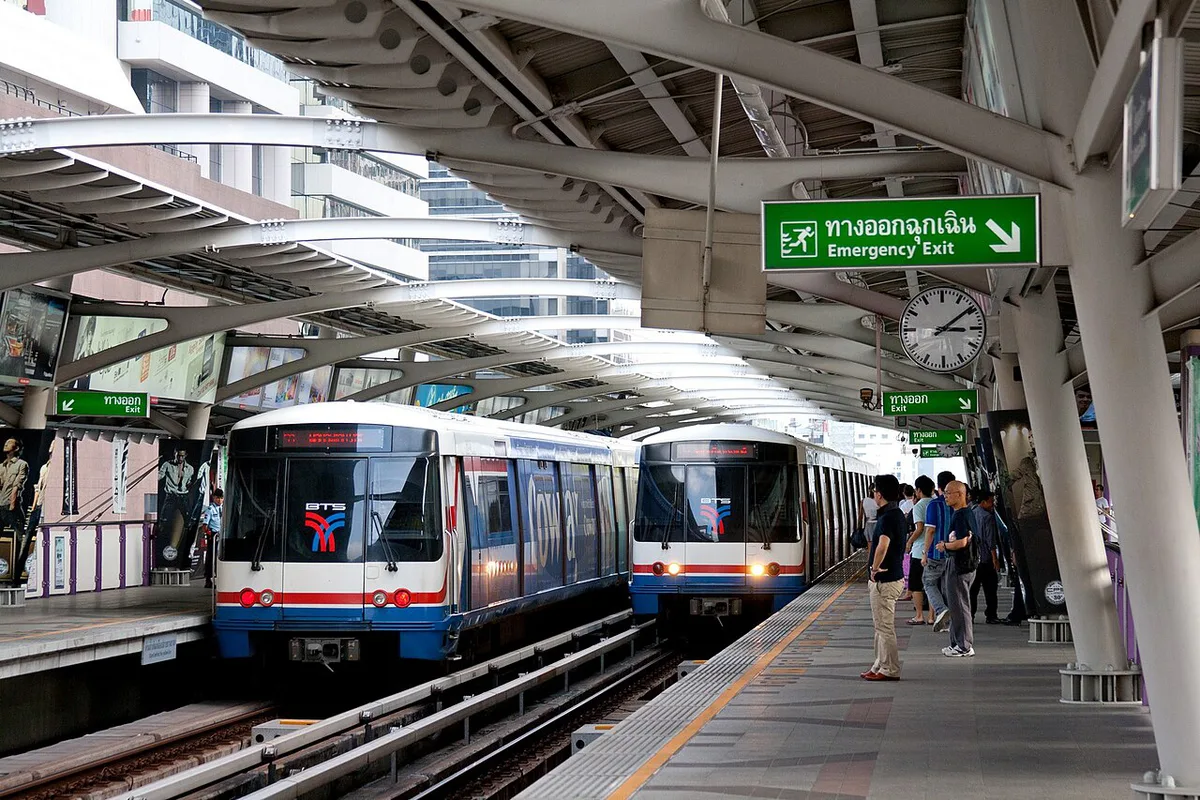
BTS Fares, Tickets and Cards
No verified fare figures were available for this update, so no baht amounts appear here. The operator's route and fare search lets you pick an origin and destination and returns the price. Run it before every unfamiliar trip.
Ticket choice depends on trip count. For one or two rides, a single-journey ticket from the station machine is the simple answer. For several rides across a multi-day stay, a stored-value card saves repeated machine queues. Confirm the current card types, and whether contactless or QR payment works, on the operator's site. Do not rely on older articles for this.
For a cost comparison, the BTS is generally cheaper than Grab on long cross-town hops in traffic. Compare on the day, because Grab prices vary with demand. A mobile data connection helps with this check, so consider a local data SIM before you arrive.
Operating Hours and Best Times to Ride
Train first and last departures are not confirmed in our sources, so use the operator's timetable page. One figure is verified. The Customer Relations Center answers on 0 2617 6000 every day from 06:00 to 24:00. That is the help line, not the train schedule.
Expect crowding in the morning and evening commute. Midday and mid-evening are usually calmer, but verify against what you see on the platform. After the last train, switch to a ride-hailing app. Grab's Thailand service is the usual fallback for late nights.
BTS vs Grab, Songthaew and Other Options
Cost levels below are relative, not quoted prices. Check the fare tool and the Grab app for numbers on the day.
| Trip | Best mode | Time risk | Relative cost | Caveat |
|---|---|---|---|---|
| Siam shopping | BTS | Low | Low | Interchange crowds at peak |
| Chatuchak | BTS to Chatuchak Park | Low | Low | Check exit on area map |
| Silom and Sathorn | BTS Silom Line | Low | Low | Last train cutoff |
| Chao Phraya riverside | BTS to Saphan Taksin, then boat | Medium | Low to medium | Verify pier connection |
| Late night | Grab | Low | Medium to high | Surge pricing possible |
| Heavy luggage | Grab | Medium | Medium to high | Stairs and gates on BTS |
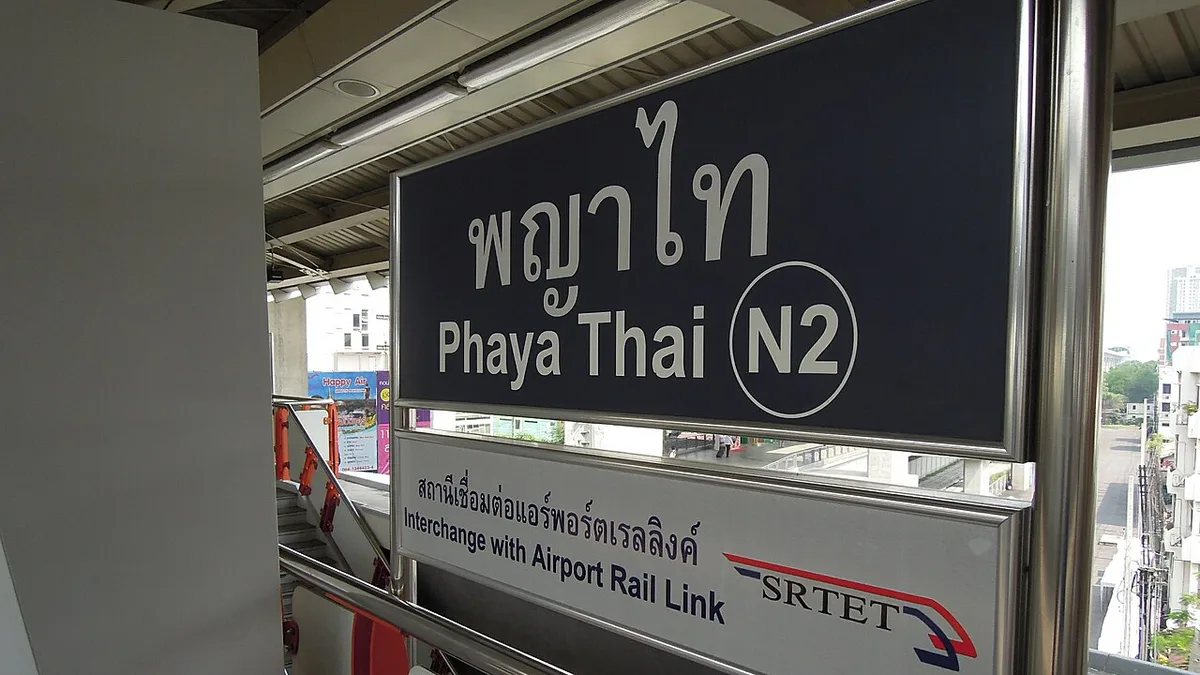
| Airport | Verify the current rail link | Varies | Varies | BTS is not confirmed as a direct airport route |
How to Ride Step by Step
The BTS has 2 core lines and 1 interchange, so most trips need only a few steps. Short songthaew hops work for outer neighborhoods, but not as a substitute for the BTS in the city core. See our shared songthaew trucks guide for that.
- Plan
- Enter your origin and destination in the operator's fare tool. Note the terminal station on your line.
- Buy
- Use the station machine for a single-journey ticket, or a stored-value card if you ride often. Carry the form of payment the machine accepts, and verify this on site.
- Tap and enter
- Tap in at the gate. Follow signs for the line you need.
- Pick the platform
- Read the terminal station name on the platform sign. That name sets your direction.
- Transfer at Siam
- For Sukhumvit to Silom trips, change at Siam. Follow the interchange signs and allow extra time at peak.
- Exit
- Tap out at your station and use the area map to choose an exit.
Where to Stay Near a BTS Station
Pick the station area that matches your trip. Siam suits shoppers and puts you at the interchange, so both lines are one stop away. Chong Nonsi suits the Silom and Sathorn side. Saphan Taksin suits river-focused plans. Chatuchak Park suits visitors based in the north.
No hotel names were verified for this guide, so check current listings by station. Walking distance from the station to the hotel matters more than the stop name, because Bangkok's heat and traffic make long walks tiring.
Mistakes to Avoid
Most first-time errors come from direction, change, and assumptions about connections.
- Wrong direction
- Check the terminal station name on the platform. Boarding toward the wrong terminus is the commonest slip.
- No change at the machine
- Machines may not accept every note or coin. Verify at the station, and keep small change or a card.
- Rush-hour crowding
- Siam is busiest at peak. Avoid carrying large bags through the interchange then.
- Assuming one ticket covers everything
- Gold, Yellow and Pink lines and BRT Sathorn may use different ticketing. Verify with the operator before you assume.
- Assuming the BTS reaches the airport
- Our sources do not confirm a direct airport link. Check the current rail options on the operator's and official sites before travel day.
- Skipping the MRT connection
- Asok is the Sukhumvit Line stop usually used to reach the MRT. Confirm the current transfer on the operator's map.
Building the rest of the trip? Our Bangkok attractions guide covers the sights, districts and logistics around this guide.
Frequently Asked Questions
How much does the BTS Skytrain cost?
Fares depend on your origin and destination. The operator's route and fare search gives the exact price. Verify it there before your trip.
What is the route of the BTS Skytrain?
The Sukhumvit Line runs from Kheha to Khu Khot. The Silom Line runs from Bang Wa to National Stadium. They meet at Siam.
Which is cheaper, MRT or BTS in Bangkok?
Our sources include no verified fares for either system. Compare the same trip on both operators' fare tools. The cheaper option depends on your route.
Explore More Bangkok Guides
Keep planning your Bangkok trip with these guides.
Bangkok Guides
- Thailand Trains: Routes, Classes & How to Book
- Songthaew Guide
- Longtail Boat in Thailand
- Grab in Thailand
- Thai SIM Card for Tourists
- Wat Saket (The Golden Mount) in Bangkok
- Jim Thompson House in Bangkok
- Ari, Bangkok
- Pak Khlong Talat
- Yaowarat Bangkok
- Museum Siam (Museum of Siam), Bangkok
- Lumphini Park, Bangkok
- Wat Pho Bangkok
- Erawan Shrine (Thao Maha Brahma)
- Chatuchak Weekend Market
- Grand Palace Bangkok
- Khao San Road, Bangkok
Notes for your Thailand trip
Optional updates when we add or change a town or island guide.
You might also like
Continue reading
More guides you'll find useful