
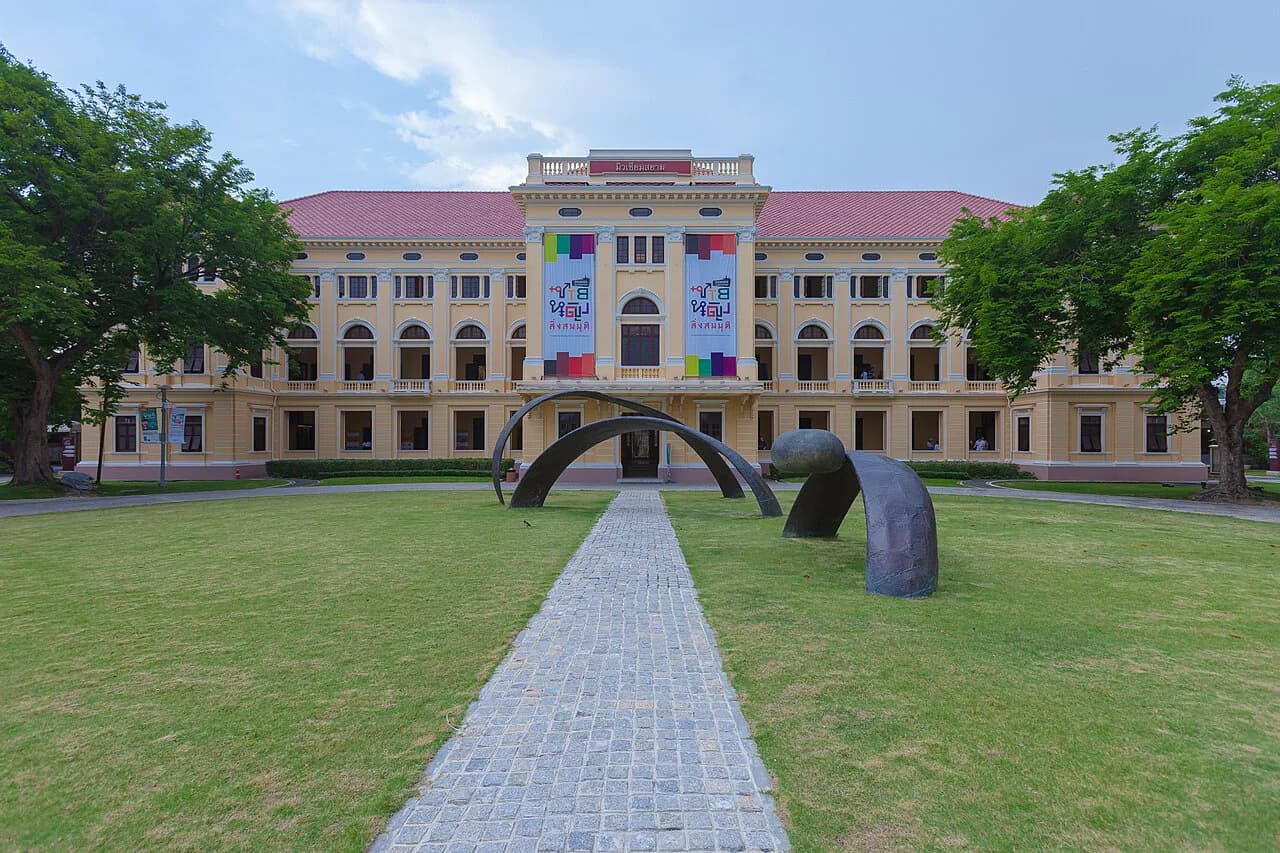
Museum Siam (Museum of Siam), Bangkok: A Practical Visitor Guide

Give Museum Siam two to three hours. It is an interactive discovery museum about Thai identity, everyday life and culture rather than a royal palace or a fine-art gallery, so it rewards people who want to touch, sit in and play with exhibits instead of reading labels behind glass. This guide covers where it sits in Rattanakosin, how to reach it, what the themed zones contain, how long to budget and which old-town sights fit around it.
What Museum Siam Actually Is
Museum Siam (มิวเซียมสยาม) describes itself through a simple formula, play plus learn, and the result is a museum built around participation. It examines Thai identity and history across 14 themed zones, according to one listing, which means the subject is the country's people and habits rather than a single dynasty or a sculpture collection.
That focus on ordinary life is the reason to choose it over the bigger institutions. One reviewer sums up the appeal as showing what regular Thai people saw in the past, from domestic settings to religious life, rather than the worlds of generals and statesmen.
Set expectations accordingly: if you are hunting antique bronzes or royal regalia, this is not that museum, and the nearby old-town temples will serve you better. If you want a plain-language explanation of why Thailand feels the way it does, this is one of the more efficient hours you can spend indoors.
Where It Sits in Rattanakosin
The museum stands at 4 Sanam Chai Road in Phra Borom Maha Ratchawang, Phra Nakhon, the historic Rattanakosin core of Bangkok. That address places it inside the old town rather than the modern downtown, walking distance from the river and the temple cluster that most first-time visitors come for.
Its immediate neighbours are the reason it works well in a schedule: Wat Pho and the Grand Palace sit close by, and the Wat Pho pier area is a short walk on for riverside restaurants and views toward the Temple of Dawn. Treat Museum Siam as the air-conditioned pivot of an old-town loop rather than a standalone destination across town.
Getting There by MRT and on Foot
MRT Sanam Chai is the station to aim for, and the museum is right by it, which makes the subway the simplest approach if you are coming from Sukhumvit, Silom or the riverside hotels. The Blue Line also connects this stretch of the old town with Chinatown and Yaowarat, so a morning here can roll into an evening of food streets without a taxi.
If you are already temple-hopping, plan the day in one direction instead of doubling back: Grand Palace and Wat Phra Kaew first thing, Wat Pho next, Museum Siam as the hot midday pause, then the river at Tha Tien. For the royal compound's layout, timed entry and ticket rules, work through the Grand Palace guide before you set out.
Walking between these points is realistic but exposed, and the distances add up in the afternoon heat. A short Grab ride or a metered taxi is a fair trade when you are moving from the palace gates to Sanam Chai Road with tired legs.
What's Inside: Themed Zones and the Play-and-Learn Approach
Inside, the museum strings together multimedia displays and physical sets that walk you through history, population, food and clothing, with English descriptions alongside the Thai text. The style is immersive rather than chronological, so you move through rooms that recreate periods and situations instead of following a timeline of dates.
The museum is air-conditioned throughout, which is precisely why it earns a slot on a hot old-town day. One practical tip from visitors: the ticket counter lends audio guides free of charge, useful for foreign visitors piecing together the Thai context.
Hands-On Rooms and Family Appeal
Almost every exhibit invites contact: you can touch, sit on and climb into the displays, which is unusual for a national-capital museum and changes how children behave in the space. The first floor includes drawing and play areas aimed at younger kids, and the whole place is pitched at curiosity rather than quiet reverence.
Traditional Thai costumes are available for trying on and photographing, which makes this an easy half-day for families who need a break from temple etiquette. If you are travelling with children and want one indoor anchor in the old town, this is the one to book around.
How Long to Allow, and When Half a Day Is Realistic
A sensible planning figure is two to three hours, which is the recommended sightseeing time shown on the museum's listing. That covers a relaxed pass through the themed zones plus a stop in the play areas or costume corner without rushing.
Anything longer turns into a half-day commitment, and that only makes sense if you are travelling with kids or using the museum as a rain-and-heat fallback rather than a quick stop. Reviewers who treat it as a couple of hours between temple visits tend to come away satisfied; those expecting a full afternoon of content may find the scale modest.
Tickets and Opening Hours: What to Confirm
Current listings show opening hours of 10:00 to 18:00, but the museum's own published schedule is the version to trust before you travel, since exhibition changeovers and public holidays can affect access. Check the official museum site or call the ticket line rather than relying on a cached listing.
The available sources do not state the current admission price, so check the rate, any child or student discount, and whether the audio guide requires a deposit at the ticket counter or on the official museum site before you commit. Third-party listings do not reliably carry up-to-date pricing, so treat any figure you see quoted online as indicative only and confirm with the museum.
What to Pair With Your Visit
After the museum, the obvious continuation is Wat Pho, whose reclining Buddha and grounds justify a good hour on their own, with the temple's layout and entry details covered in the Wat Pho guide. From there the river is a few minutes' walk, and Tha Tien pier is the launch point for crossing to Wat Arun (Temple of Dawn) or for a riverside dinner with the temple lit across the water.
If you still have energy, Pak Khlong Talat, Bangkok's flower market on Chak Phet Road, is close enough to wander through on the way back toward Chinatown. It is at its most photogenic after dark, which pairs neatly with an evening in Yaowarat.
Travellers who want a different flavour of indoor Bangkok can compare this with the Jim Thompson House in Bangkok, a teak compound devoted to art and architecture, or the Bangkok Art and Culture Centre for contemporary exhibitions. Both sit outside the old town, so pick one and build the day around it rather than trying to combine either with Museum Siam.
If your trip overlaps a weekend, the Chatuchak Weekend Market, Bangkok makes a logical next-day contrast to the museum's curated version of Thai daily life. It is a long ride north on the MRT and BTS from Sanam Chai, so give it its own morning rather than squeezing it in after the old town.
Should Museum Siam Make Your Old-Town Day?
Yes, if you want an air-conditioned, interactive explanation of Thai culture in the middle of a temple-heavy day, and you can spare two to three hours. Skip it if your limited old-town time is already stretched by the Grand Palace and Wat Pho, or if you are after royal history and classical art rather than everyday life.
Build the day as palace first thing, Wat Pho next, Museum Siam through the hottest hours, then the river at Tha Tien. Confirm the day's hours and the current admission rate with the museum before you go, and the rest of the plan fits together on foot and by MRT.
Explore more Bangkok guides
Frequently Asked Questions
Is Museum Siam worth visiting if I only have one day in Bangkok?
Only if you are already spending that day in Rattanakosin. The museum suits a two-to-three-hour slot between the Grand Palace and Wat Pho. With a single day centred elsewhere in Bangkok, the old-town temples deserve the time more.
Is Museum Siam the same as the National Museum Bangkok?
No. Museum Siam is a discovery museum about Thai identity and everyday culture, while the National Museum Bangkok is the traditional antiquities collection. They are separate buildings with separate tickets, and Museum Siam is the more interactive of the two.
Do I need to book Museum Siam tickets in advance?
The sources available do not confirm advance booking rules. Check the museum's official site or ask at the ticket counter, and keep the visit flexible rather than pre-paying through a reseller unless the museum itself confirms the arrangement.