
National Museum Bangkok: A Practical Visitor Guide

Allow roughly two to three hours for the National Museum Bangkok, and closer to half a day if you read the labels and linger in the chapel. It is Thailand's largest museum, spread across the former Wang Na, or Front Palace, a walled campus of halls and courtyards a short walk from Sanam Luang in Old Town. This guide covers where it sits, how to reach it, which three areas to prioritize, and how to fit it around a Grand Palace morning.
What the National Museum Bangkok actually is
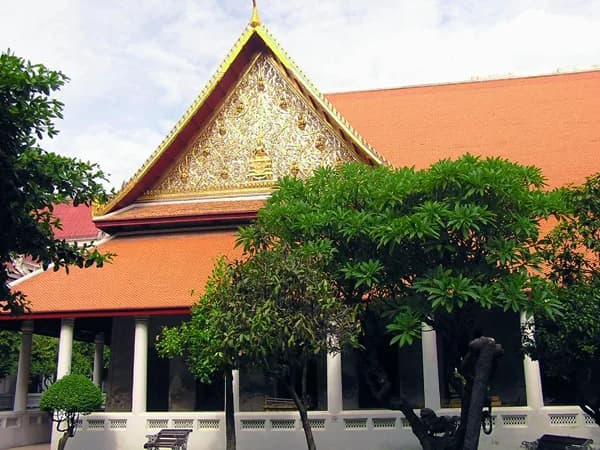
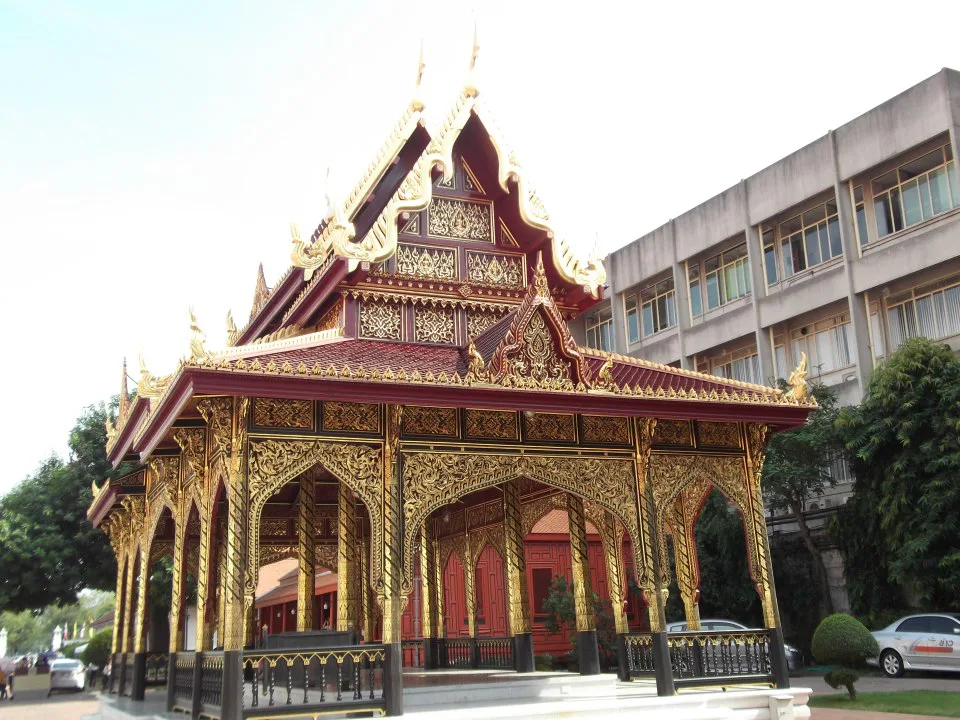
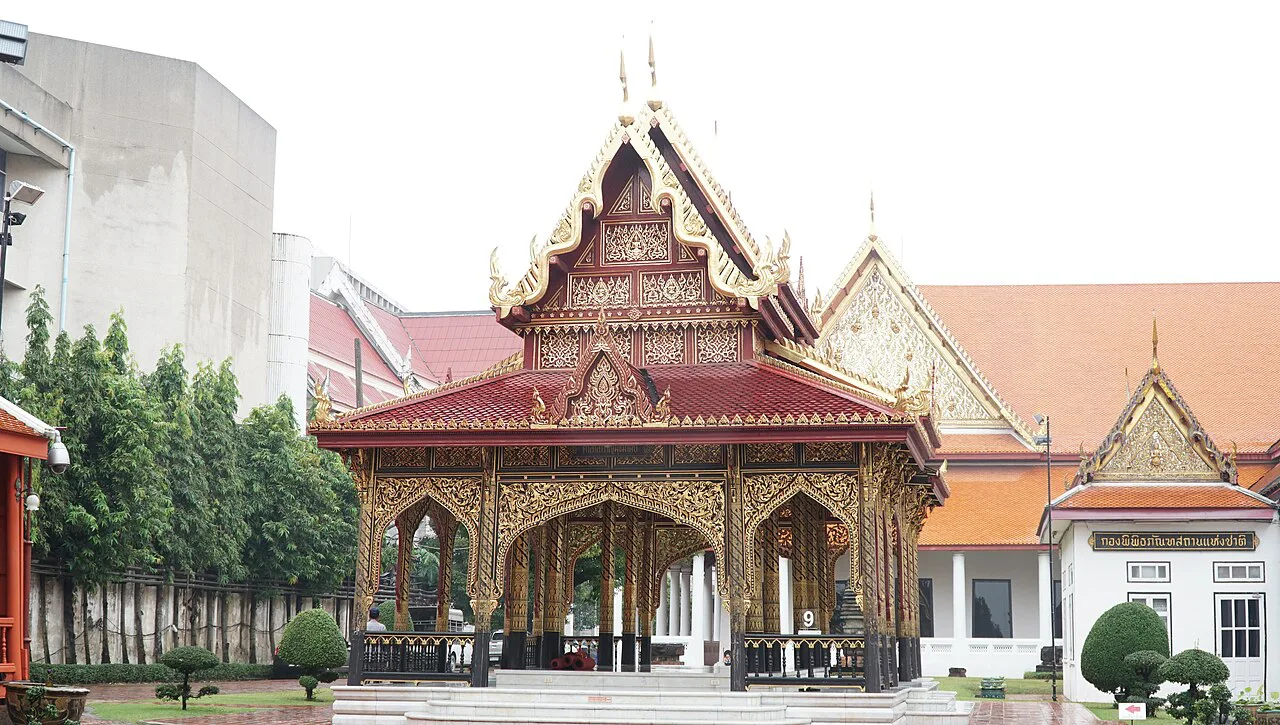
The museum occupies Wang Na, the palace that once belonged to the vice king, second in rank to the reigning monarch. That history explains the setting: carved gables, shaded courts and separate throne halls rather than a purpose-built gallery block. It has grown into the country's foremost collection of Thai art, archaeology and royal objects, which is why it is the natural next stop after the temples.
Treat it as a museum of the nation rather than a single-subject attraction. The holdings run from prehistoric tools and pottery through Dvaravati and Khmer sculpture to lacquerware, textiles and royal regalia, so the range is wider than most visitors expect. If you have already walked through Wat Pho and the Grand Palace, this is where the pieces you saw in temples get their chronology and context.

Where it sits in Old Town and how to get there
The complex sits on Na Phra That Road in the historic core, near the Grand Palace Bangkok and Wat Phra Kaew and just north of Sanam Luang. Two easy walking references: the Giant Swing at Wat Suthat, and the open field of Sanam Luang itself. From either, the museum gates are a short stroll.
By rail, MRT Sanam Chai is the closest station and puts you a few minutes' walk from the entrance, which makes the subway the simplest option in heat or rain. A tuk-tuk from guesthouses around Phra Arthit or Khao San takes only a few minutes; agree the fare first. Walking from that area takes roughly 15 to 20 minutes past the Giant Swing and Sanam Luang.
Old Town traffic is the main trade-off. If you are combining the museum with other sights, keep the day clustered here rather than crossing the river mid-afternoon. To see what else fits alongside it, use our Bangkok attractions: plan your days around temples and markets guide as a cross-check.
Orientation inside the complex
Expect a campus, not one continuous hall. Galleries are distributed among several buildings around lawns and courtyards, and you will walk outdoors between them. That layout changes how you pace the visit: pick two or three buildings to do properly rather than trying to cover every room.
Start with the Thai History Gallery to establish the timeline, then move to the decorative arts and ethnology displays, and finish at the Buddhaisawan Chapel. Save the chapel for last so the sacred space is not a rushed stop between cases. Signage in English is present in the main galleries, but the depth varies by room.

The Thai History Gallery
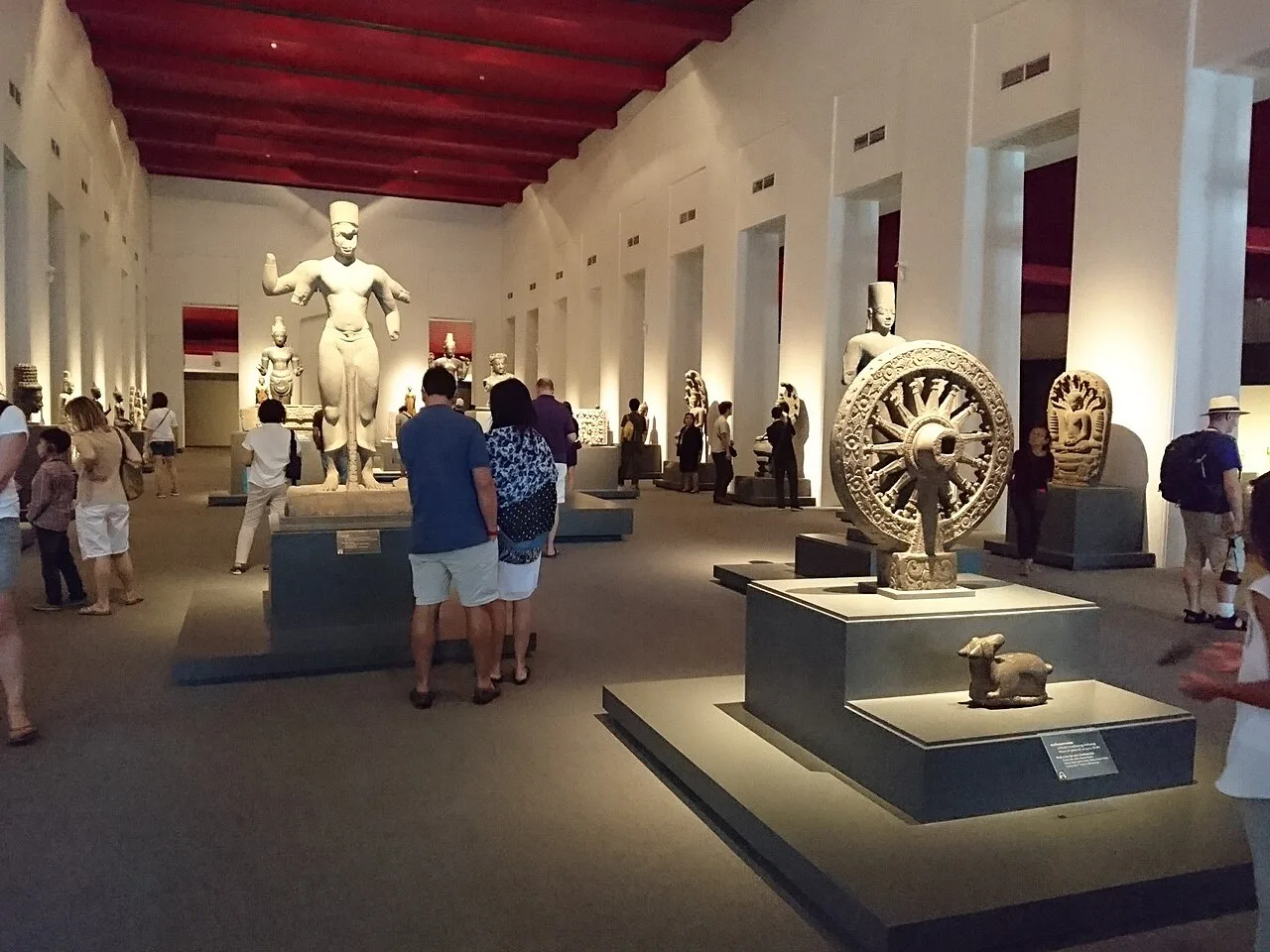
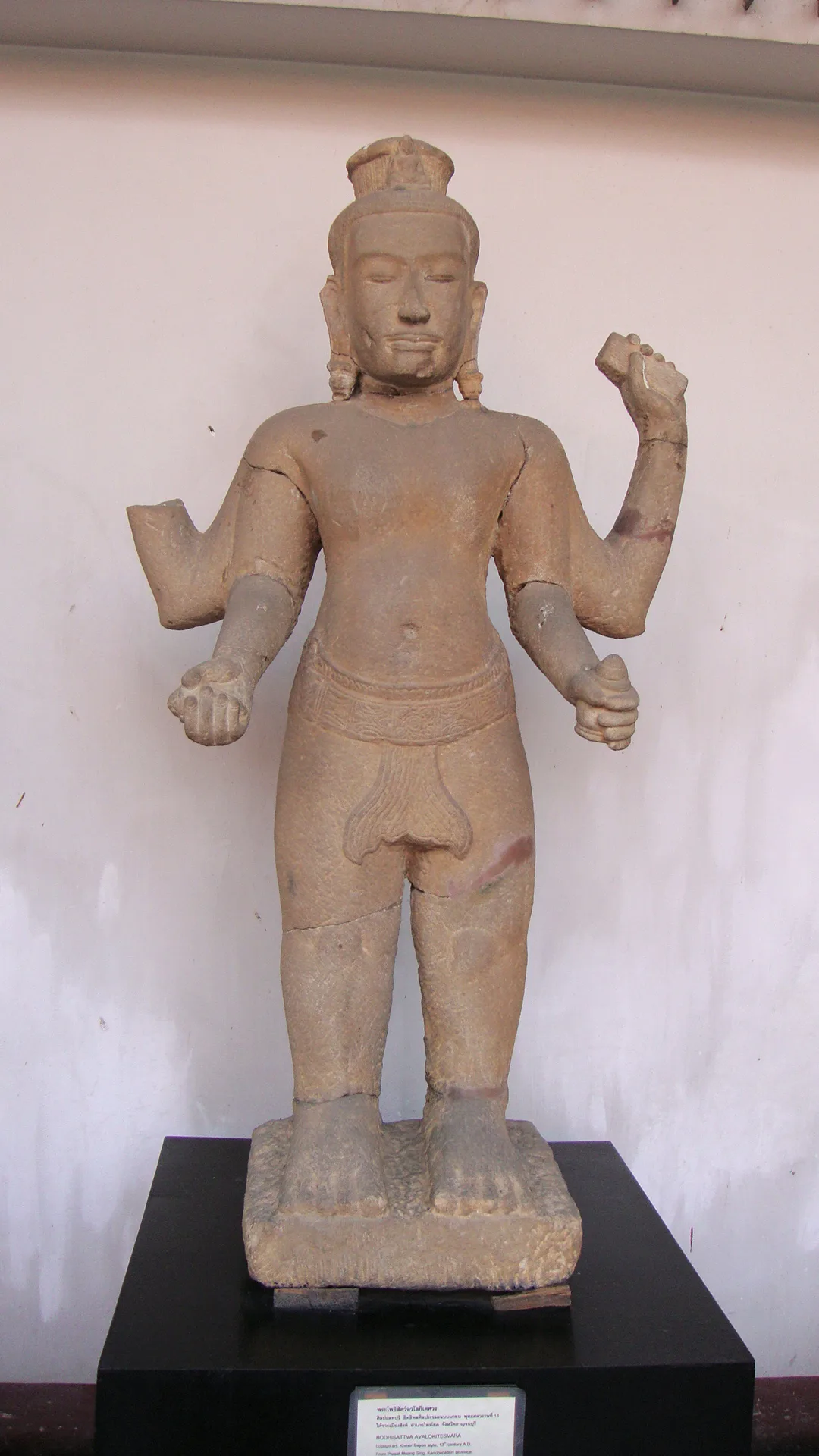
This is the chronological backbone of the museum, and the right first stop for a newcomer. Neolithic stone tools and pottery open the story, then Dvaravati and Khmer sculptures carry it through centuries of outside influence and local adaptation. Read the period labels here and the rest of the collection falls into place.
Budget 30 to 45 minutes if you read most panels, or 15 minutes if you are skimming for highlights. Photography is generally allowed in most areas, but flash and tripods are restricted, so plan on available light.
Decorative arts and ethnology
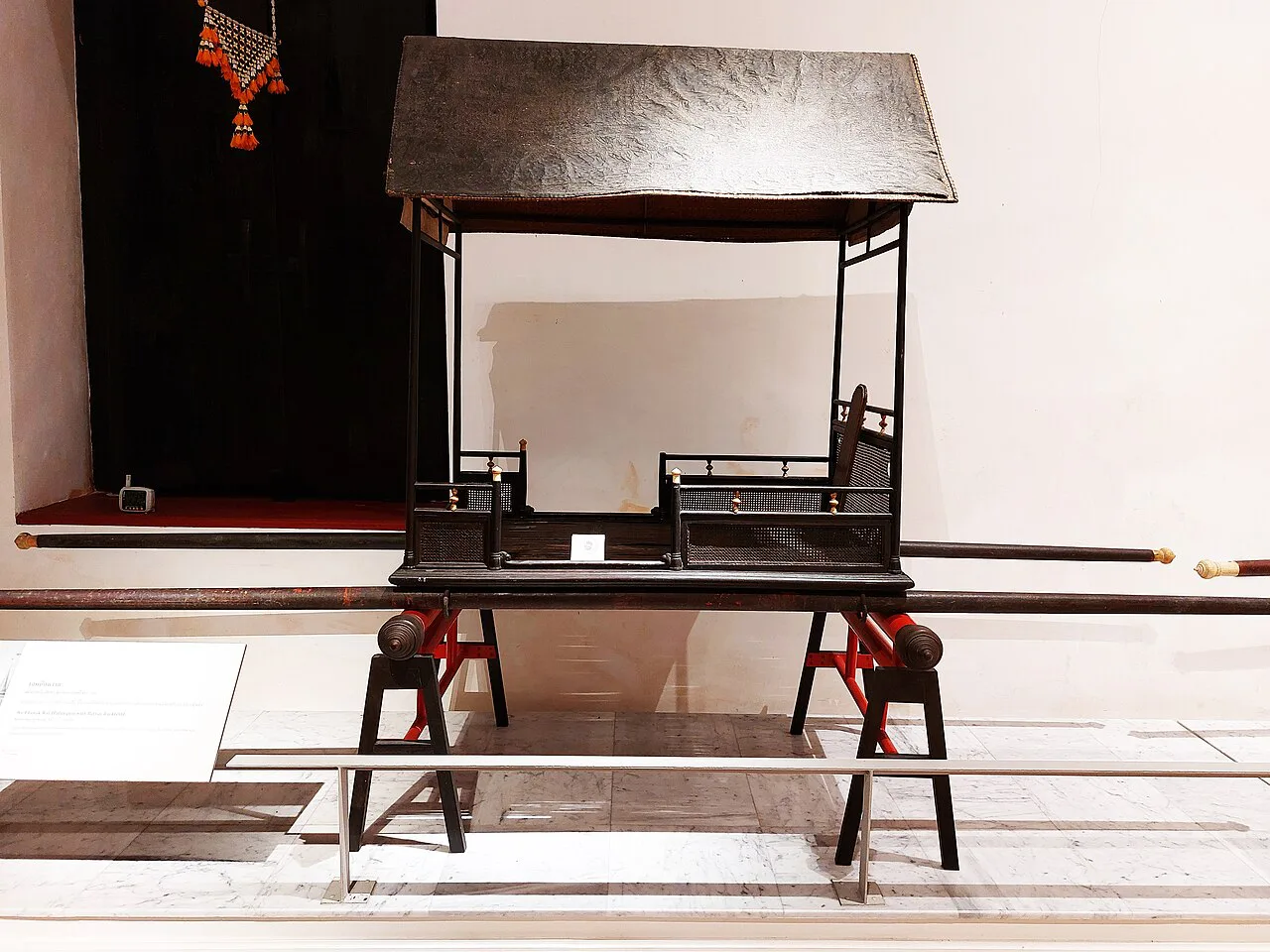
The second priority is the craft collection: mother-of-pearl inlay, lacquerware, fine textiles and detailed wood carving, alongside displays on regional dress and traditional homes. This section is where the museum feels most like a cabinet of Thai craftsmanship rather than a dynastic record. If you have limited time, choose this over the weaponry rooms.
The Buddhaisawan Chapel and Phra Phuttha Sihing
The Buddhaisawan Chapel is the museum's most sacred space and enshrines the Phra Phuttha Sihing Buddha image. Its walls carry murals dated to the late 18th century, making it both a place of worship and one of the artistic highlights of the complex. Visitors should dress modestly here, avoiding shorts and sleeveless shirts; the same standard applies across the site.
Allow 15 to 20 minutes, more if the chapel is quiet enough to study the murals. Keep voices low and step aside from anyone who is praying. It is the one room where slowing down matters more than coverage.
Royal regalia, Khon masks and weaponry
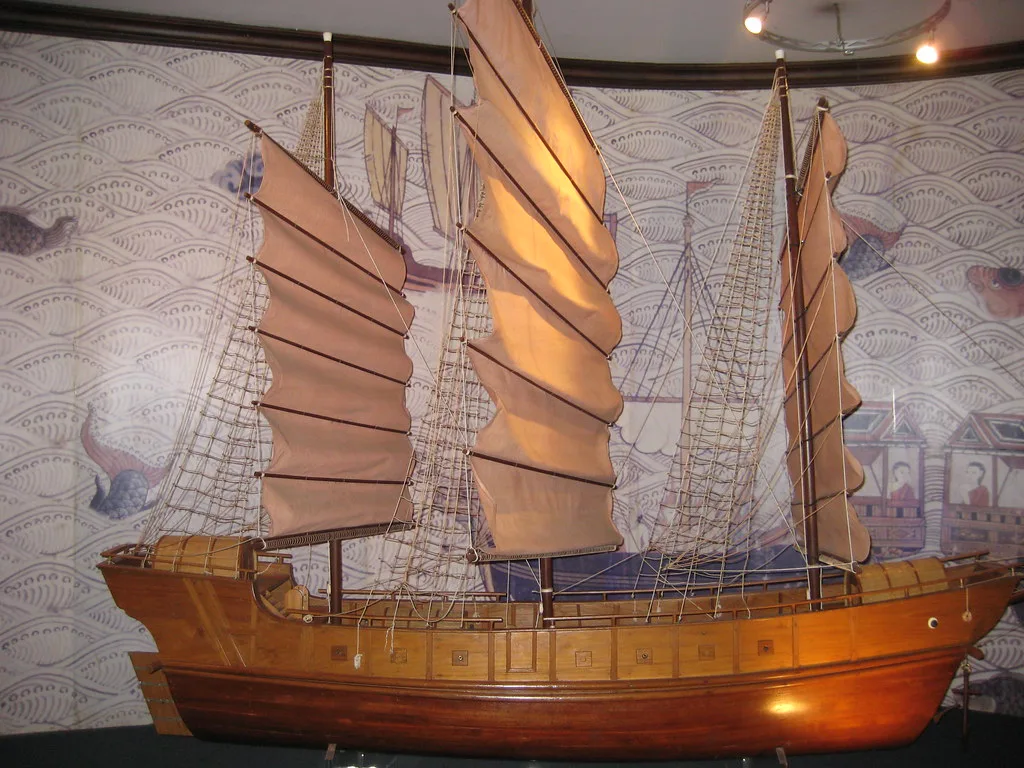
Beyond the three headline areas, the collection includes royal regalia, ornate weaponry and Khon masks, the latter tied to Thailand's masked dance drama. These displays are scattered rather than gathered in one hall, so check the room labels as you cross the courtyards. They reward a browse rather than a checklist, and they are the first thing to cut if you are running short.
Collections of this kind are described by the museum as national cultural heritage, with an emphasis on art, archaeology and cultural objects across periods. That framing is a fair guide to what you will see: objects of significance rather than entertainment-led exhibits.

How much time to allow, and pairing it with the Grand Palace
A focused visit takes about two hours; a thorough one takes three to four. The museum is a sensible afternoon pairing with a Grand Palace morning, since both sit in the same corner of Old Town. Do the palace early while it is cooler, eat nearby, then walk to the museum for the hotter part of the day, when its shaded courtyards and indoor galleries work in your favor.
If you only have one Old Town day, split it: palace and Wat Phra Kaew in the morning, lunch, museum in the early afternoon, and a riverside temple at sunset. Trying to add Chatuchak Weekend Market, Bangkok to the same day does not work, because it sits far north of Old Town and deserves its own block of time.
Hours, admission and temporary exhibitions
Opening times, admission charges and any exhibition schedule are the details most likely to change, and the museum's official channels are the place to confirm them. A hotel guide reports Wednesday to Sunday, 8:30 AM to 4:00 PM with Monday and Tuesday closures, but that is a secondary source, so verify before you build a day around it. The Fine Arts Department's virtual museum site is the official starting point.
No reliable figure for the foreign-visitor ticket appears in the sources here, so do not budget from a blog. Check the official site or the ticket desk for the current fee and whether combined tickets are offered. The museum also mounts rotating exhibitions with outside institutions, so ask what is on when you arrive.

Free English tours and on-site practicalities
Free English-language tours are organized by the National Museum Volunteers and run on certain days, not necessarily daily. Check the schedule at the entrance or on the museum's channels rather than assuming a fixed departure time. A guided hour is the fastest way to make sense of the chronology if you are short on time.
Photography is allowed in most areas, but flash and tripods are restricted, and some sacred spaces may have tighter rules. Carry water, since the walk between buildings is outdoors, and wear shoes you can slip off for the chapel. A single check of the official site before leaving your hotel covers both hours and any special closures.
What's nearby
The Grand Palace and Wat Phra Kaew are a short walk south, Sanam Luang is directly in front, and the Giant Swing is a few minutes northeast. Wat Saket (The Golden Mount) in Bangkok is a longer but flat walk east and works well as a late-afternoon climb. If you want more art after the museum, the Bangkok Art and Culture Centre (BACC) is a short MRT ride away at National Stadium.
For a different kind of museum, the Jim Thompson House in Bangkok sits across town near the National Stadium BTS stop and pairs with a shopping afternoon. Closer to the river, Wat Arun (Temple of Dawn) and Wat Pho are easy add-ons if you still have energy and daylight.
Is the National Museum worth your Old Town day?
Yes, if you care about the context behind the temples, and especially if you are already spending a morning at the Grand Palace. Two hours here turns a lot of beautiful but unexplained objects into a sequence. Skip it if your Bangkok time is only one packed day and temples matter more than museums.
Plan around a cooler afternoon, confirm hours and ticket price on the official site the day before, and start with the Thai History Gallery. If you are still deciding how to fill the rest of your stay, work through things to do in Bangkok by area so you are not crossing the city twice in one day.