Bangkok MRT Guide: Lines, Fares, Tickets & Tips
How the Bangkok MRT works for visitors: which line to take, how to pay by contactless card or token, BTS transfers, and mistakes to avoid.
On this page
Last updated November 2026. The Bangkok MRT is the city's underground metro, and it runs alongside the separate elevated BTS Skytrain. Visitors need three things: a way to pay, the right line, and the right transfer station. Our full Bangkok transport guide covers boats, buses and taxis too.
Featured image: Phornlert.gp, CC BY 4.0, via Wikimedia Commons.
Bangkok MRT at a Glance: Lines and What They Connect
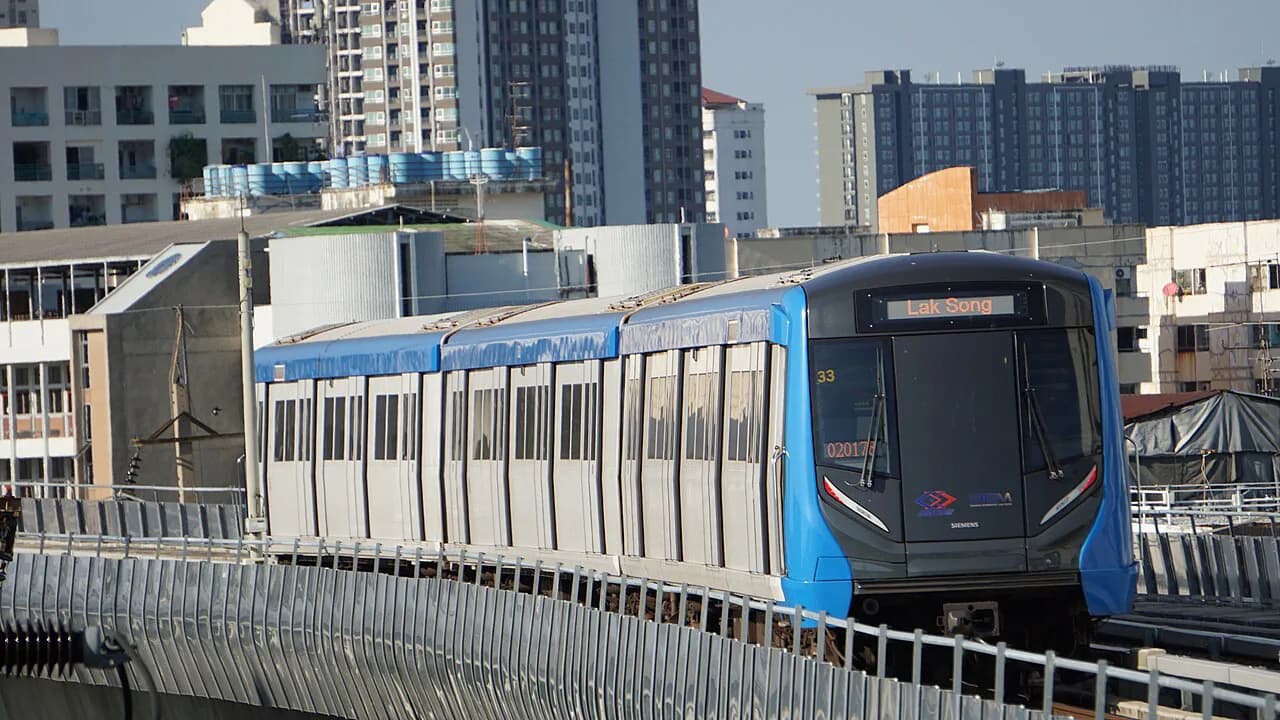
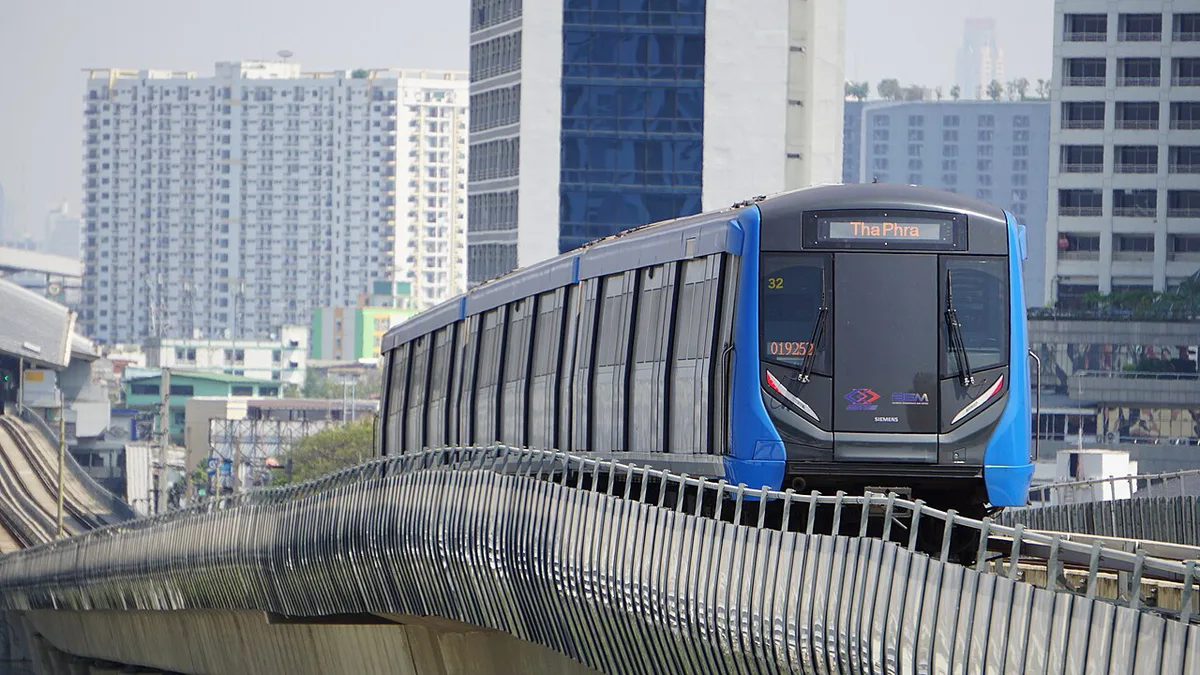
Two lines matter for this guide: the Blue Line and the Purple Line. Check the MRTA official site for the current line list, since extensions and new lines open over time. Station counts and route lengths also change, so confirm them there before quoting them. The table below sticks to what visitors can use to plan.
| Line | Useful for visitors | Key stations | Notes |
|---|---|---|---|
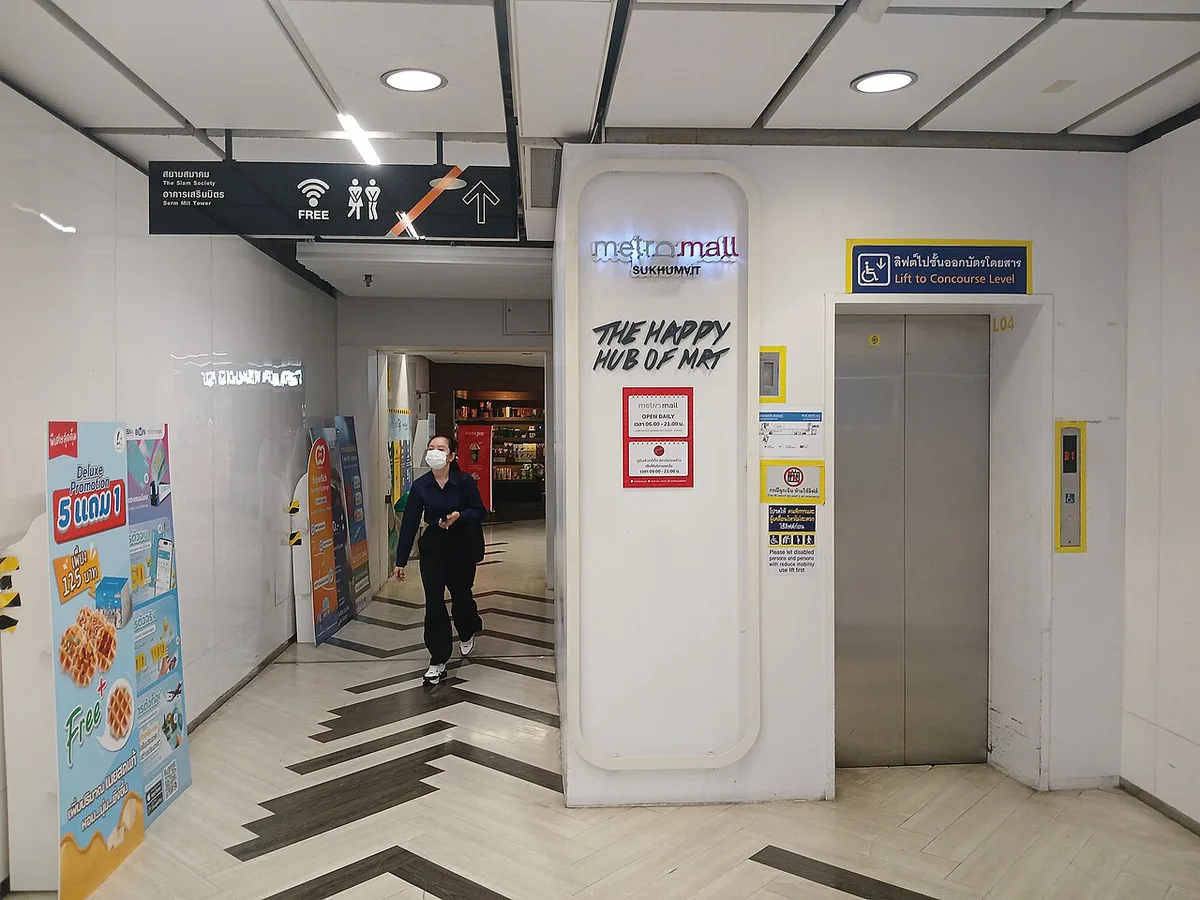
| Blue Line | Central Bangkok, rail station and Old Town access | Hua Lamphong, Sam Yot, Sukhumvit, Silom, Chatuchak Park | Links with the BTS at three interchanges |
| Purple Line | Reaching the wider city beyond the centre | Check the MRTA station list | Confirm the current route before relying on it |
MRT vs BTS: Which Should You Take?
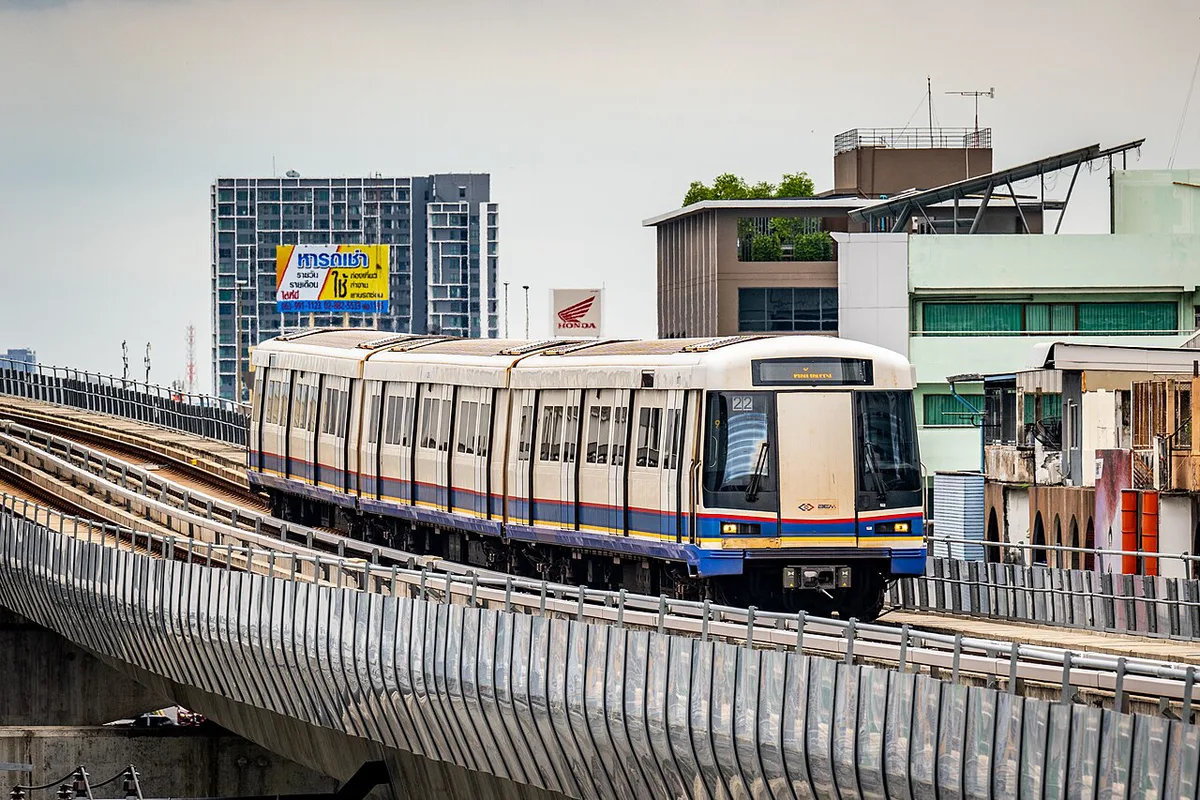
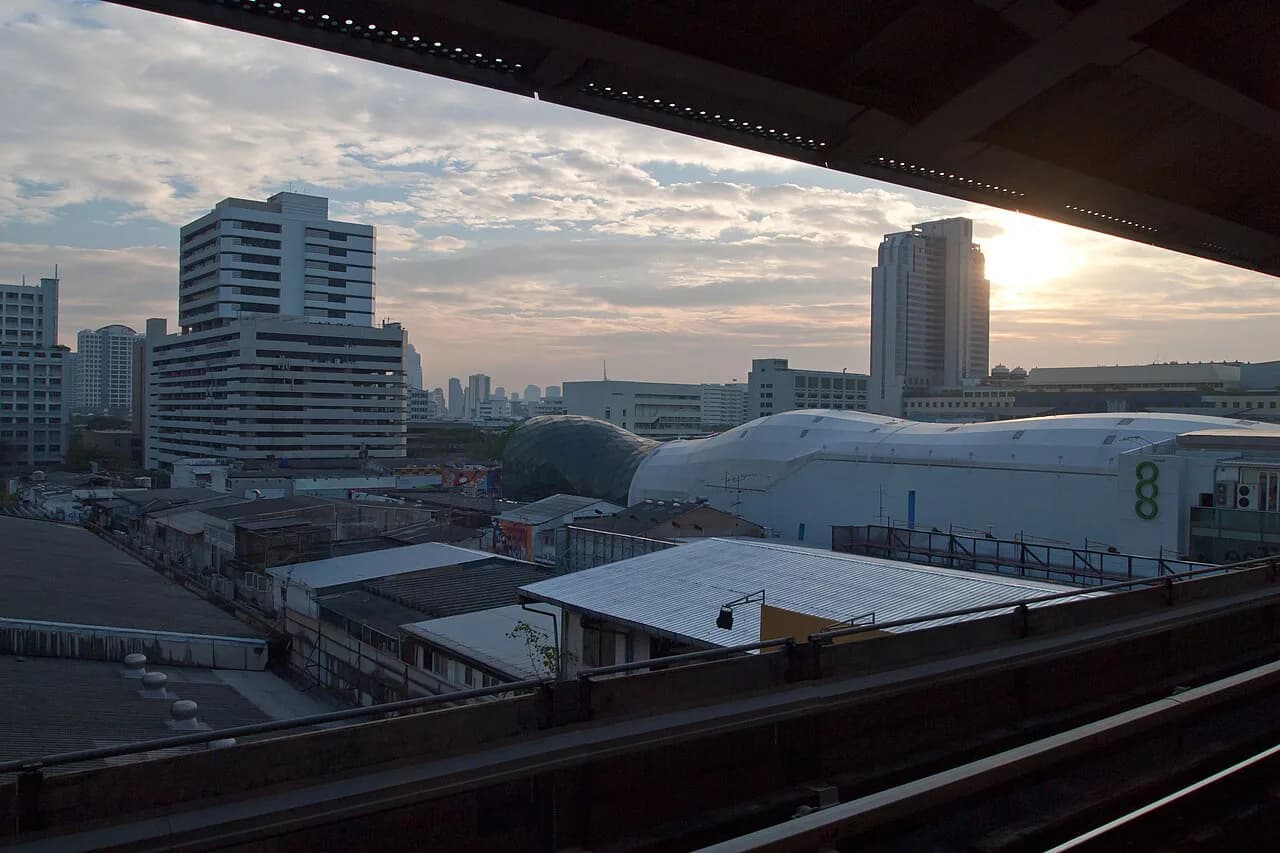
Pick by destination, not by habit. The MRT runs underground. The BTS runs on an elevated track above the street. Each system has its own operator, so check BTS Skytrain details for its fares and network. Three interchanges let you switch between the two. Expect a separate fare each time you change systems. Your hotel location usually decides the answer, and our hotel area guide helps with that.
Every switch between the BTS and MRT adds a new fare, and weekday rush runs 7–9 AM and 4–7 PM.
- Asok (BTS) links with Sukhumvit (MRT).
- Sala Daeng (BTS) links with Silom (MRT).
- Mo Chit (BTS) links with Chatuchak Park (MRT).
- Siam is a BTS-only station, so it is not an MRT transfer.
How to Pay for the Bangkok MRT: Card, Token or Stored Value
You can tap an EMV contactless bank card at the gate and tap again when you exit. One non-official source says all contactless credit cards work, including Visa and Mastercard. It also says only Krungthai and UOB debit cards work. Treat that as a time-sensitive claim and check current acceptance with MRT Bangkok Metro before you travel. Your home bank may add foreign transaction fees, so ask it first. If your card is declined, a single-journey token or a stored-value card is the fallback.
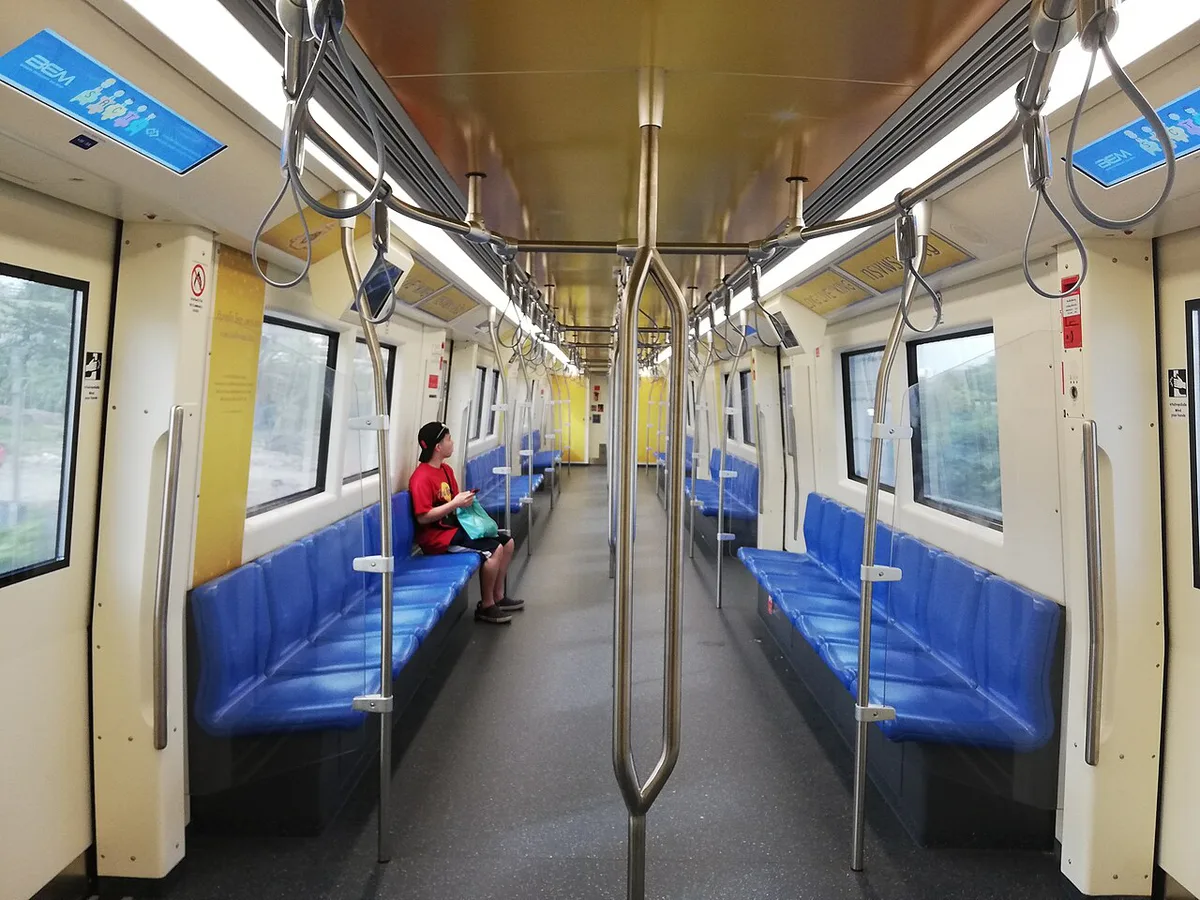
| Option | Best if | Trade-off |
|---|---|---|
| Contactless bank card | You have a compatible card and want no queue | Check current acceptance and your bank's foreign fees |
| Single-journey token | You ride once or twice | Queue at the ticket machine; coins may be needed |
| Stored-value card | You ride most days | Top up at stations; the BTS card does not replace it on the MRT |
Fares, Hours and Peak Times
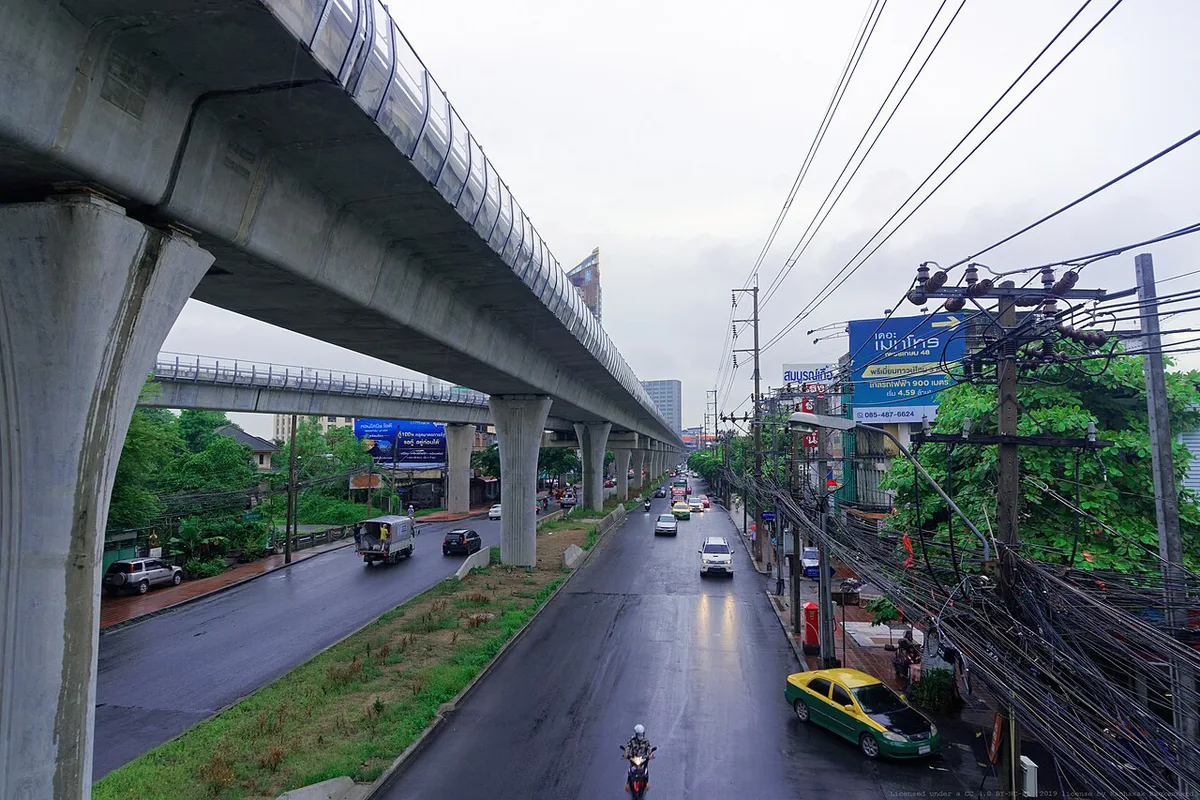
One non-official source lists MRT fares from ฿17 to ฿45 as of 2024. That figure may be stale, so check the current fare table on the operator's site. The same source gives roughly 6 AM to midnight as service hours. Verify first and last trains for your line and direction. Rush hours run about 7–9 AM and 4–7 PM on weekdays, with trains about every three minutes at peak. If you are heading to an evening market, plan your return before the last train. Our night market guide helps with that. Against a taxi or ride-hail car stuck in traffic, the MRT trades a short walk and a crowd for a predictable journey time.
MRT Stations for Visitors: Matching Lines to Sights and Hotels
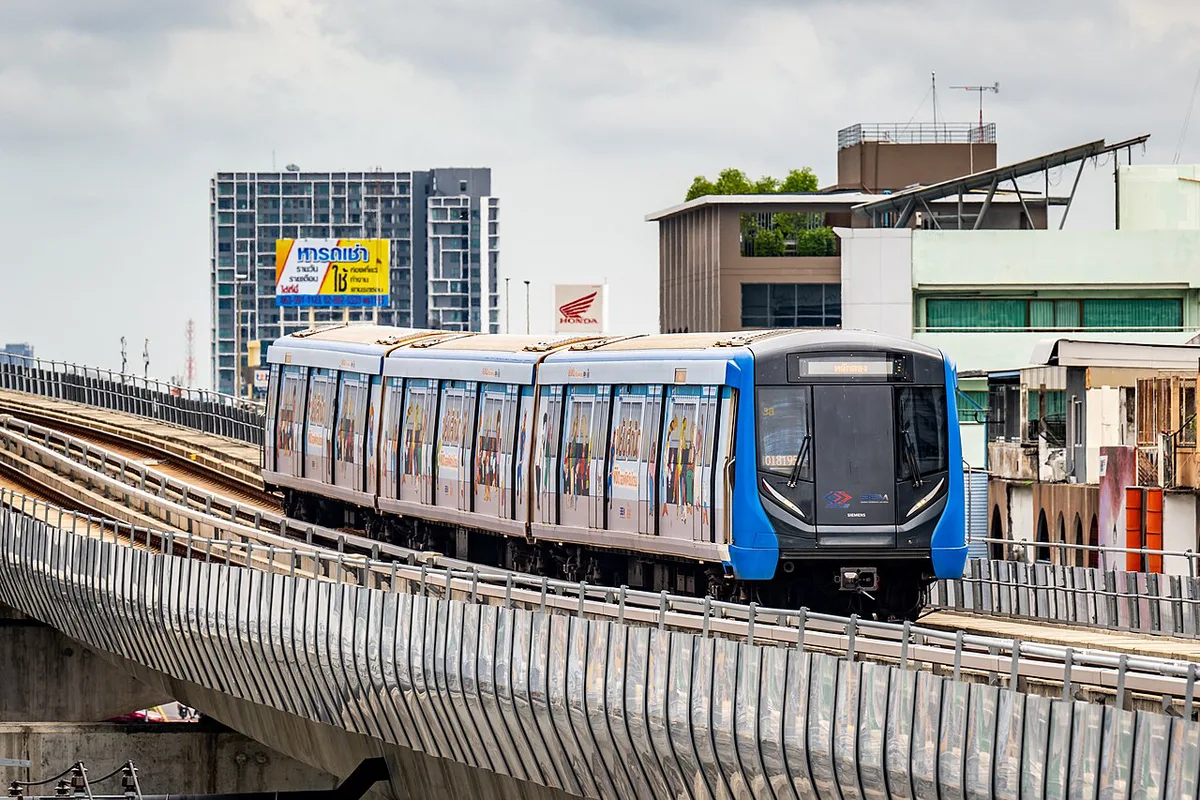
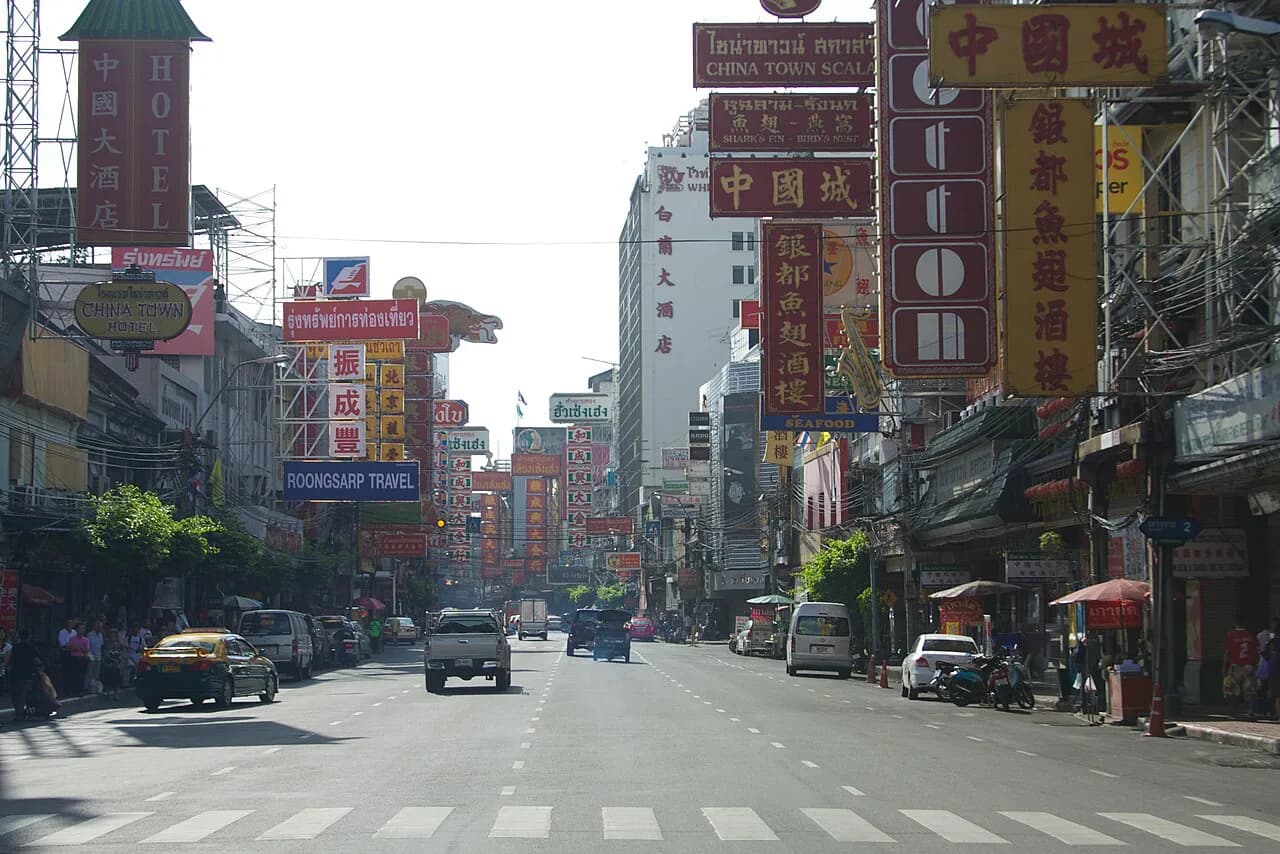
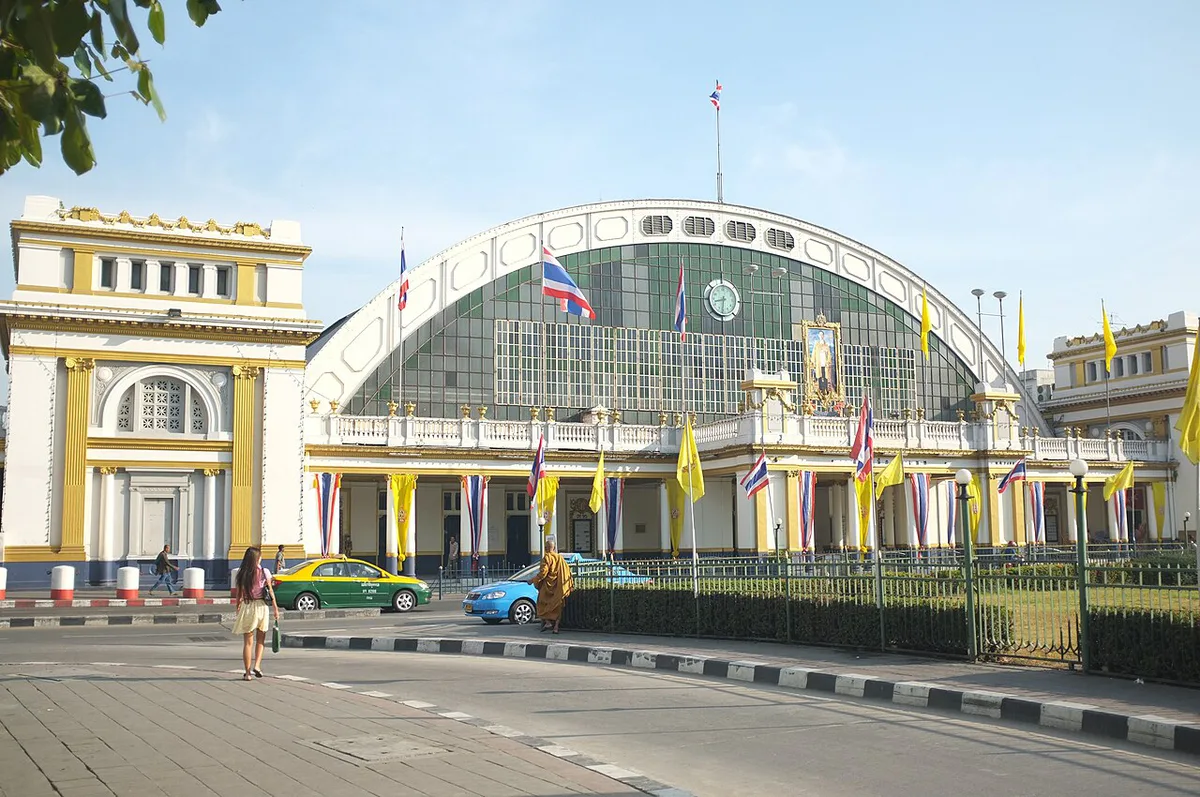
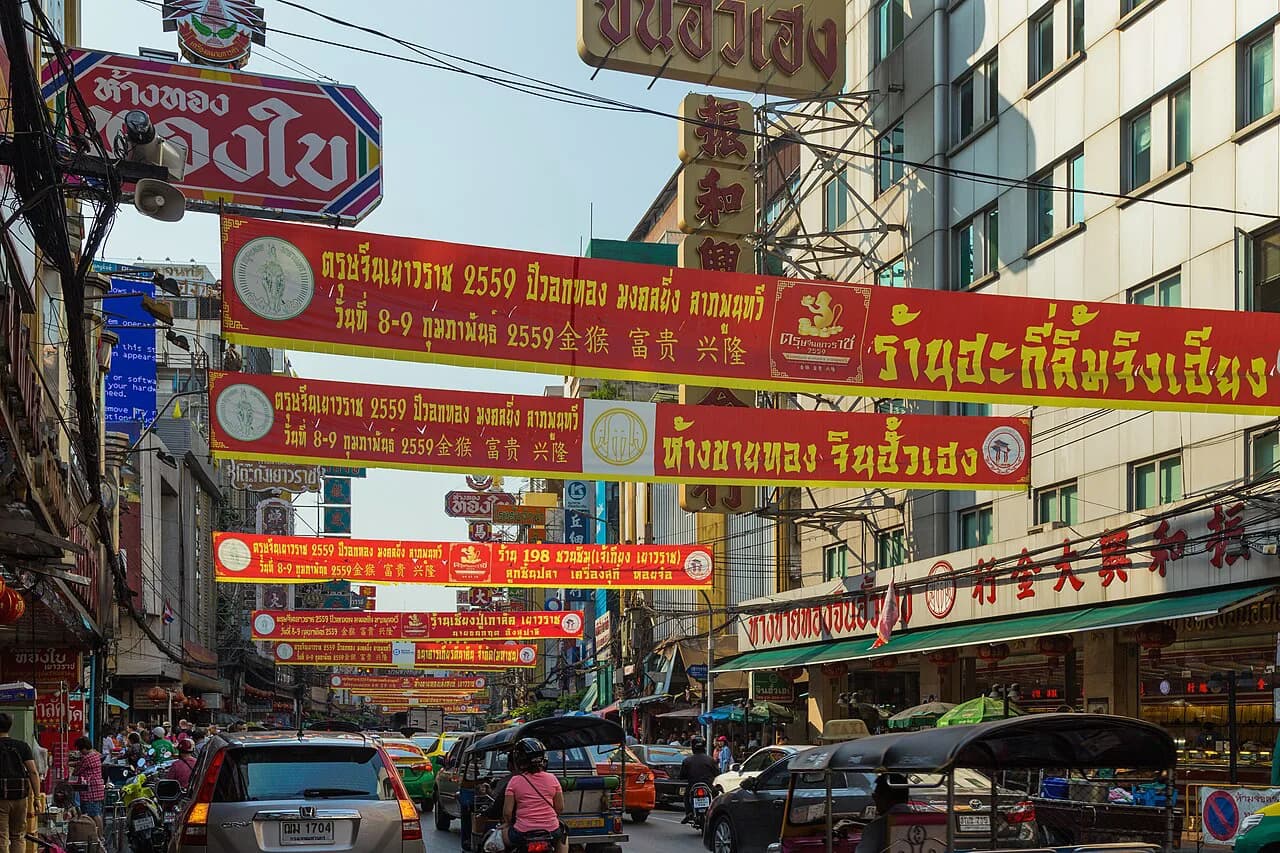
Hua Lamphong is a useful stop for the main rail station area. Sam Yot suits a visit to Bangkok's Old Town. For Chinatown, see our Chinatown guide and confirm the nearest station on the MRTA map. Chatuchak Park is the MRT side of the Mo Chit interchange for the weekend market area. Silom and Sukhumvit work as hubs when your hotel sits on the BTS. For the airport, see our airport transfer guide, because the Airport Rail Link is a separate service.
Common MRT Mistakes (and Fixes)
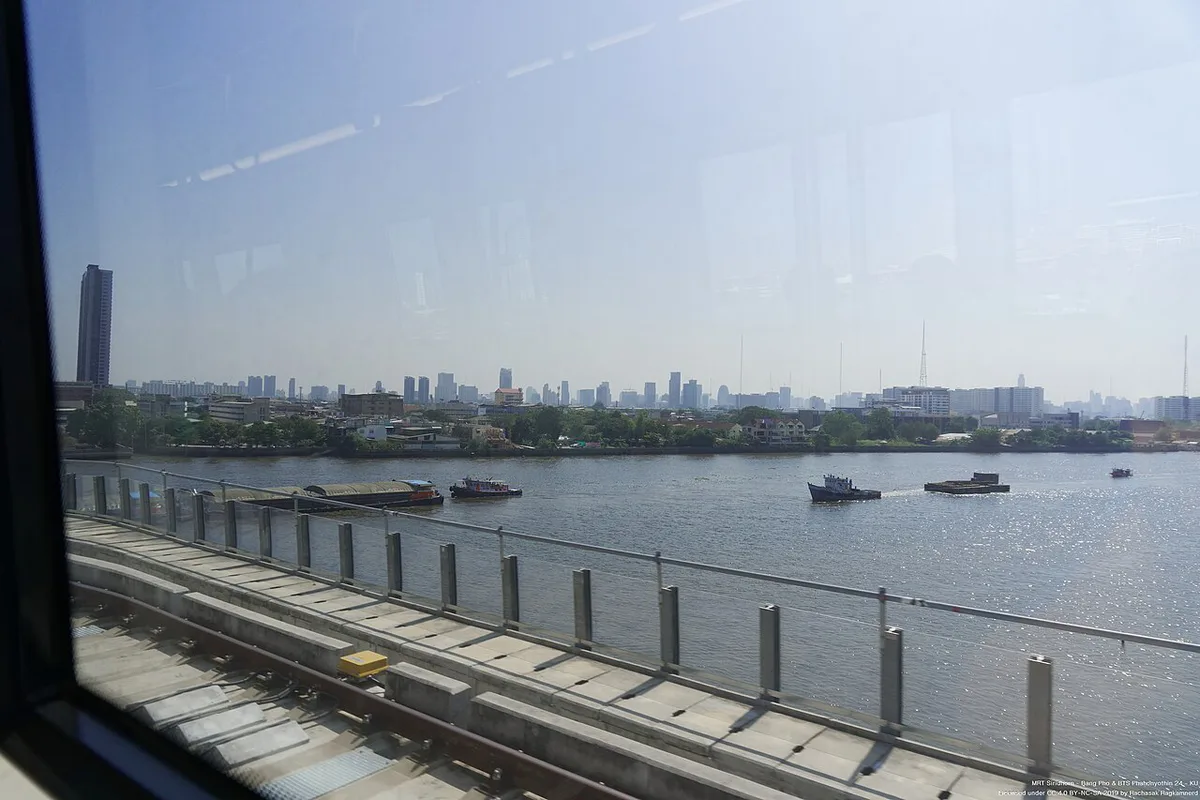
Most problems come from small habits carried over from other cities. Fix each one before you reach the gates.
Fares from ฿17 to ฿45 as of 2024 may be stale, so check the operator's table before budgeting for a second fare.
- Forgetting to tap out: tap your card again at the exit gate.
- Mixing up station names: Asok on the BTS is Sukhumvit on the MRT.
- Paying twice by surprise: a new fare applies when you switch systems.
- Assuming the BTS card works on the MRT: check before you load it.
- Hauling luggage at rush hour: avoid 7–9 AM and 4–7 PM.
Where to Go Next
Once you are comfortable on the MRT, our 8 Best Things to Do in Bangkok by Area and Time guide gives you places to ride to. For short hops off the rail grid, a tuk-tuk ride is an alternative.
Frequently Asked Questions
How to ride the metro in Bangkok?
Tap a compatible contactless bank card at the gate, or buy a token or stored-value card. Ride to your stop and tap out at the exit gate.
What are the operating hours of the Bangkok MRT?
One non-official source says roughly 6 AM to midnight. Confirm first and last trains for your line and direction on the operator's site.
Notes for your Thailand trip
Optional updates when we add or change a town or island guide.
You might also like
Continue reading
More guides you'll find useful