Getting Around Bangkok: BTS, MRT, Boats & Taxis
A practical guide to getting around Bangkok: which transport suits each trip, how to time rush hour, and what to carry for fares and boats.
On this page
Last updated November 2026: getting around Bangkok is simplest by BTS Skytrain or MRT for most trips, with boats for riverside sights and taxis or Grab for luggage and late nights. Tuk-tuks suit short hops if you settle the price before you get in. Use this guide to match each mode to the sight you are heading for.
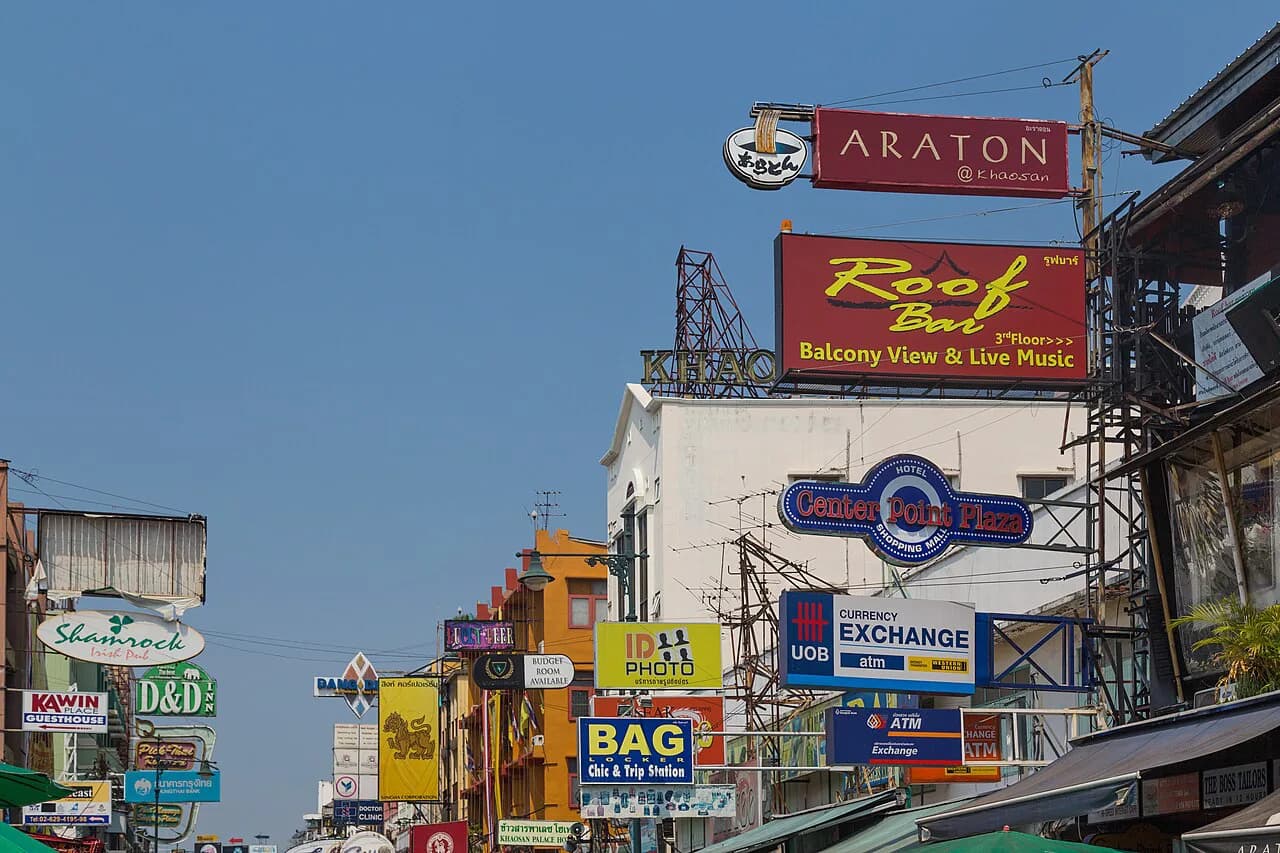
Featured image: kallerna, CC BY-SA 4.0, via Wikimedia Commons.
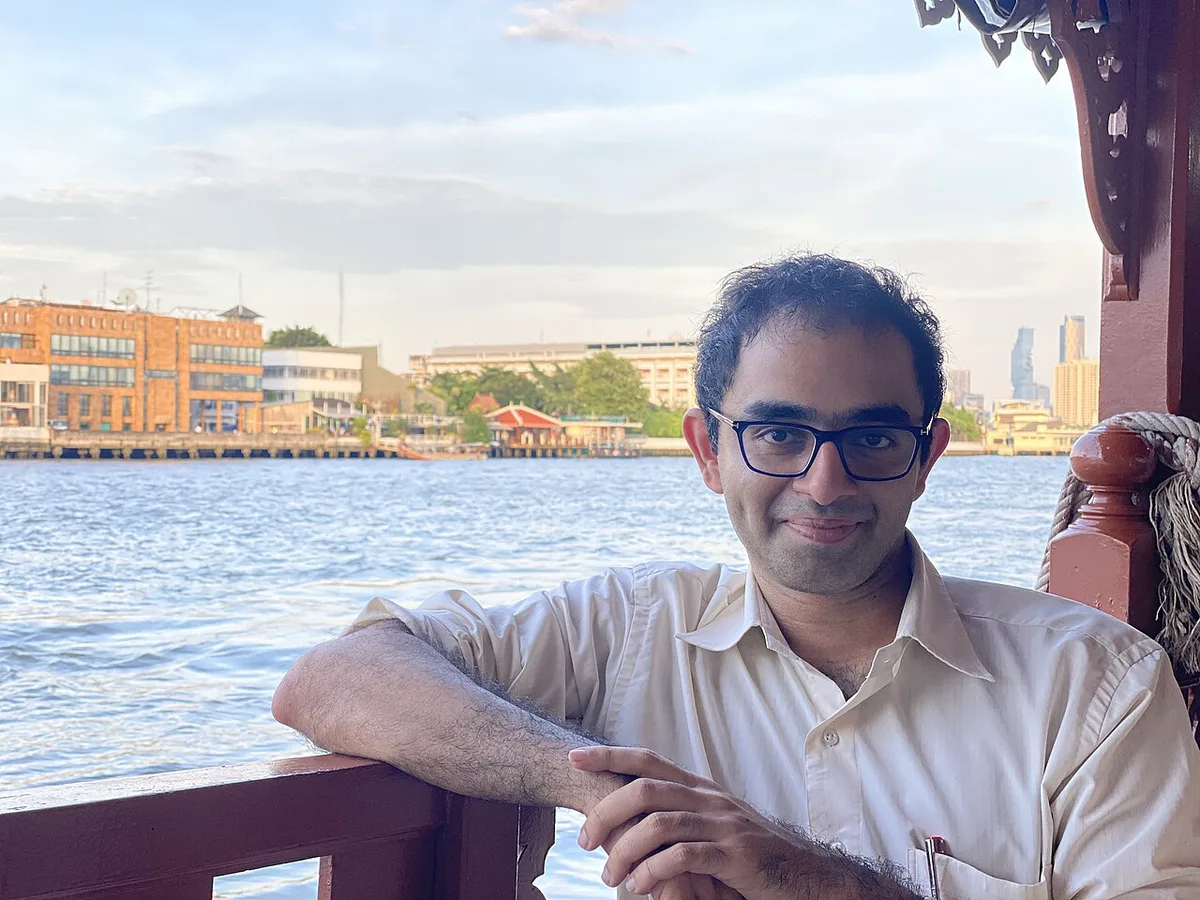
Quick answer: the best way to get around Bangkok
First-timers should treat rail as the default and add other modes to fill the gaps. Base yourself near a Skytrain or metro station and most major districts become easy trips. Temple visitors around Rattanakosin should add the Chao Phraya Express Boat. Travelers with big bags or a late arrival are better off with a metered taxi or a ride-hailing app. Tuk-tuks are an experience more than a transport plan. Our guide to choosing a base near rail explains how location changes every trip below.
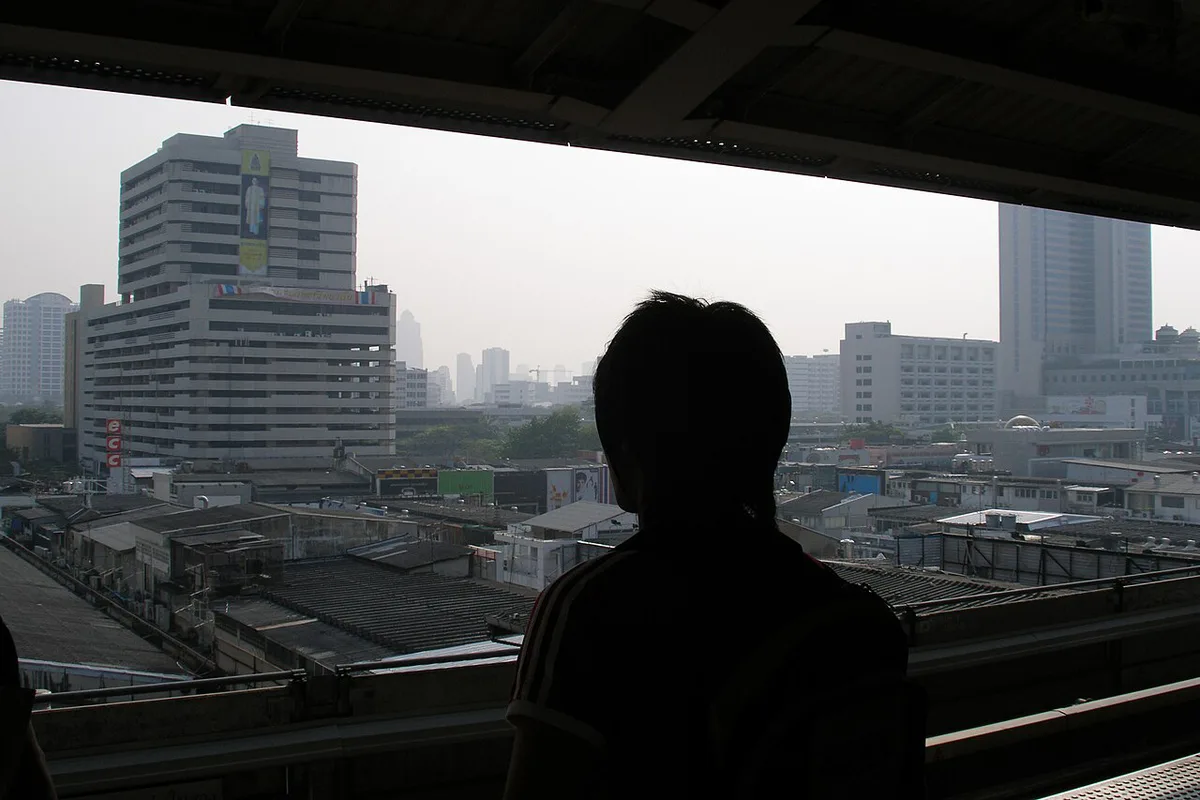
Bangkok transport at a glance
Use this table to pick a mode by trip. Treat it as an editorial rule of thumb, not a timetable. Journey times and fares change, so check each operator's site before you travel.

| Trip | Best mode | Fallback | Skip if |
|---|---|---|---|
| Hotel near the Skytrain to a temple area | BTS or MRT, then a river boat or short taxi ride | Grab or metered taxi | You dislike changing modes mid-trip |
| Old Town sightseeing | River boat, then walking | Taxi from the nearest station | You are traveling at midday heat and dislike walking |
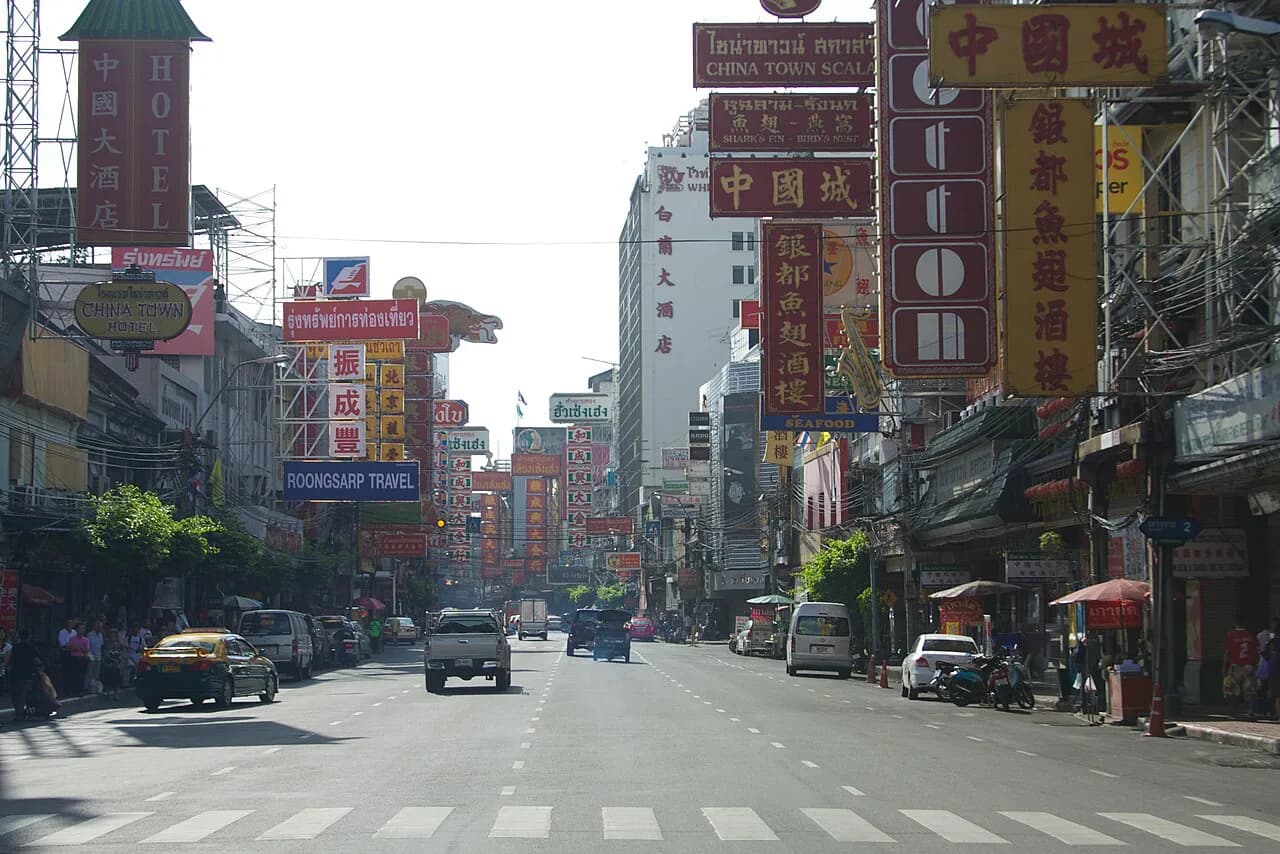
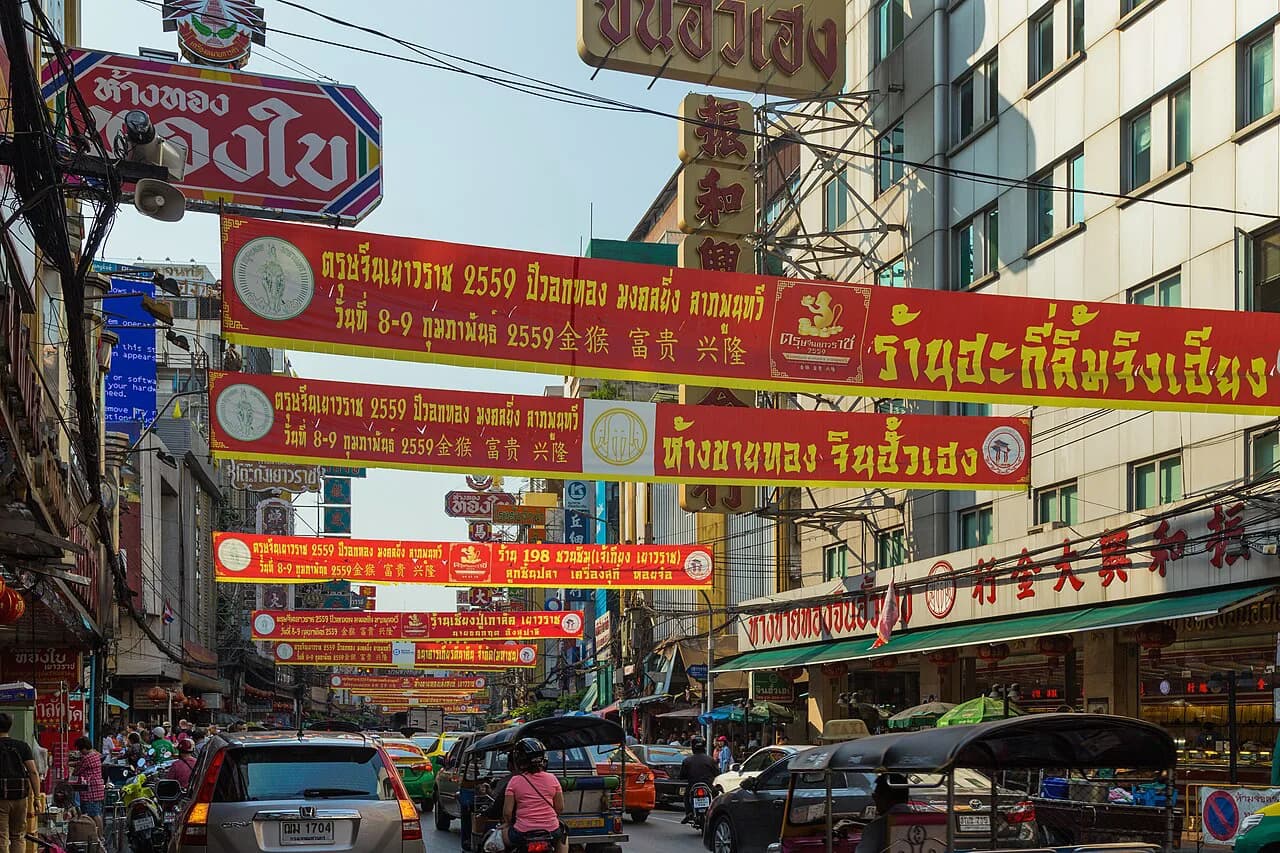
| Chinatown | MRT or river boat | Taxi, though traffic can crawl | You are carrying luggage and stairs worry you |
| Night market evening | BTS or MRT out, Grab home | Metered taxi | You plan to leave after rail service stops |
| Airport transfer | Airport Rail Link or taxi | Ride-hailing app | You have heavy bags and a tight connection |
BTS Skytrain and MRT
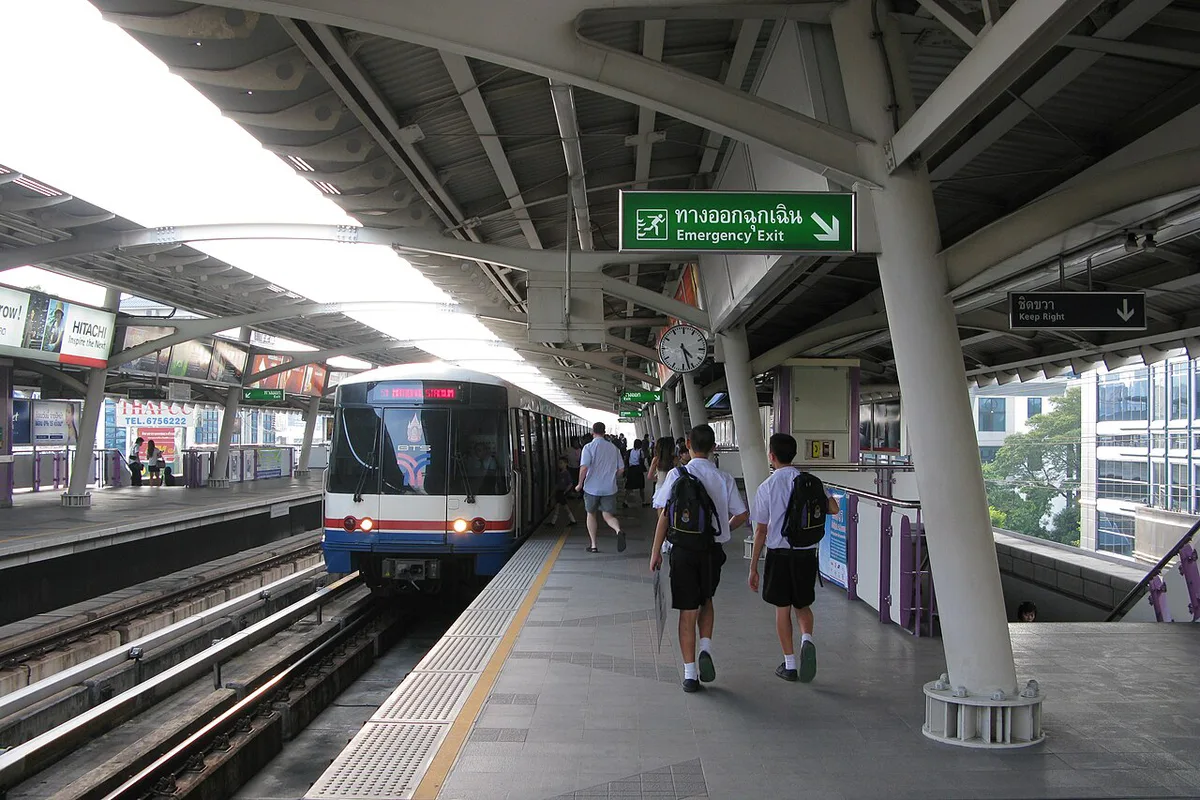
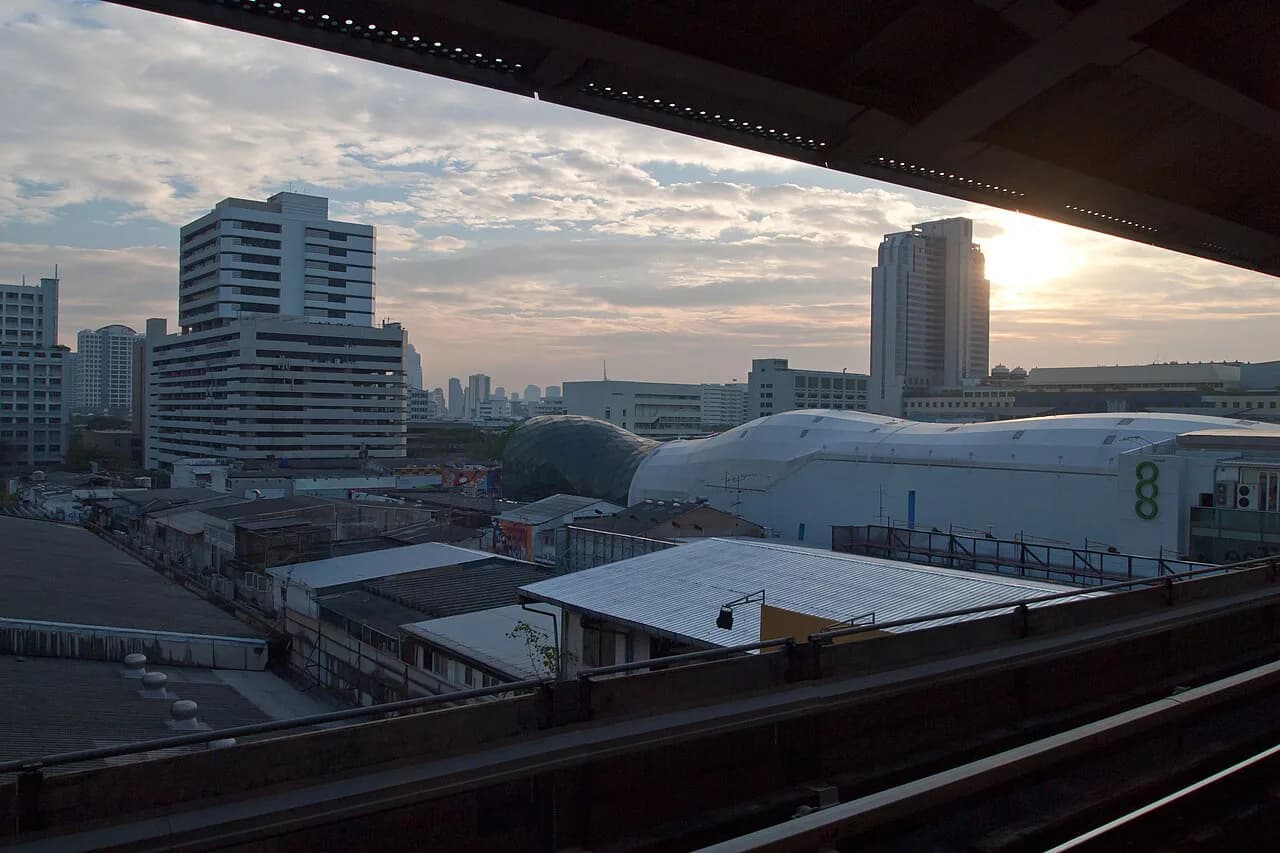
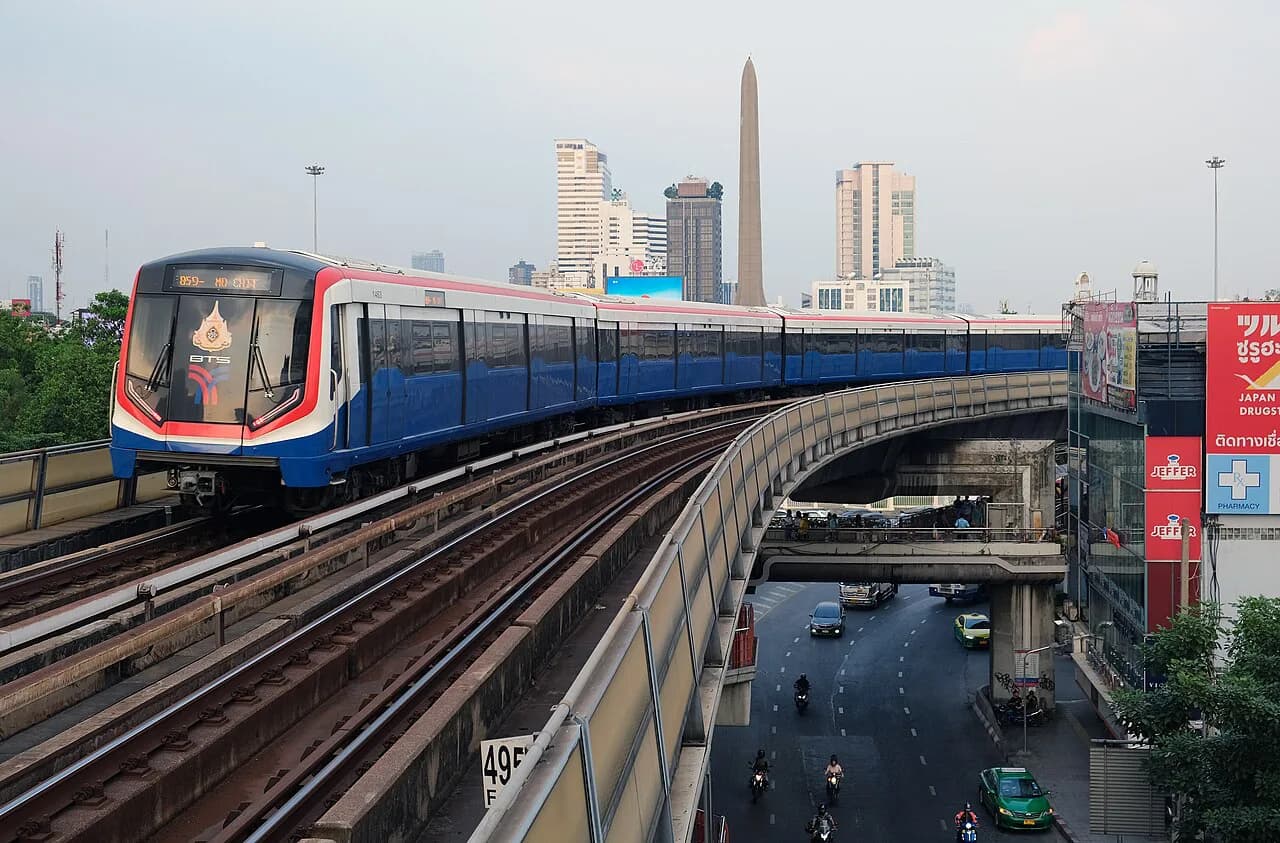
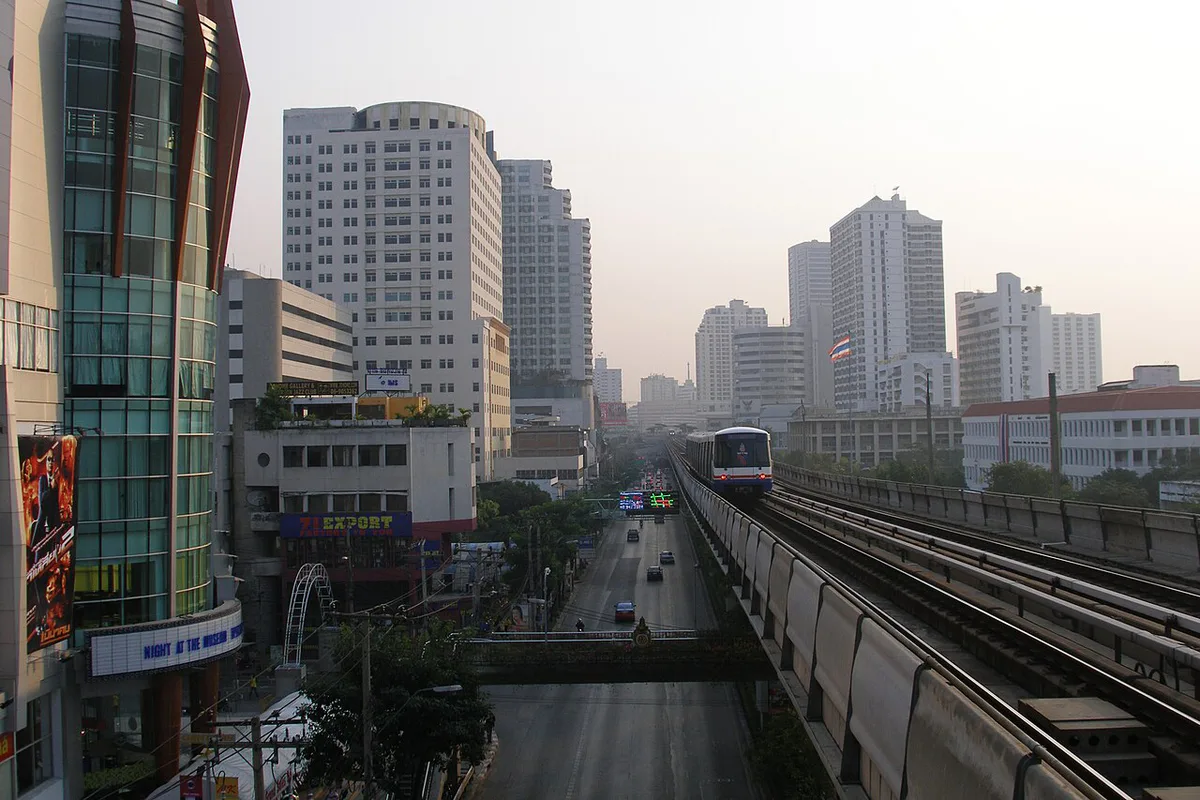
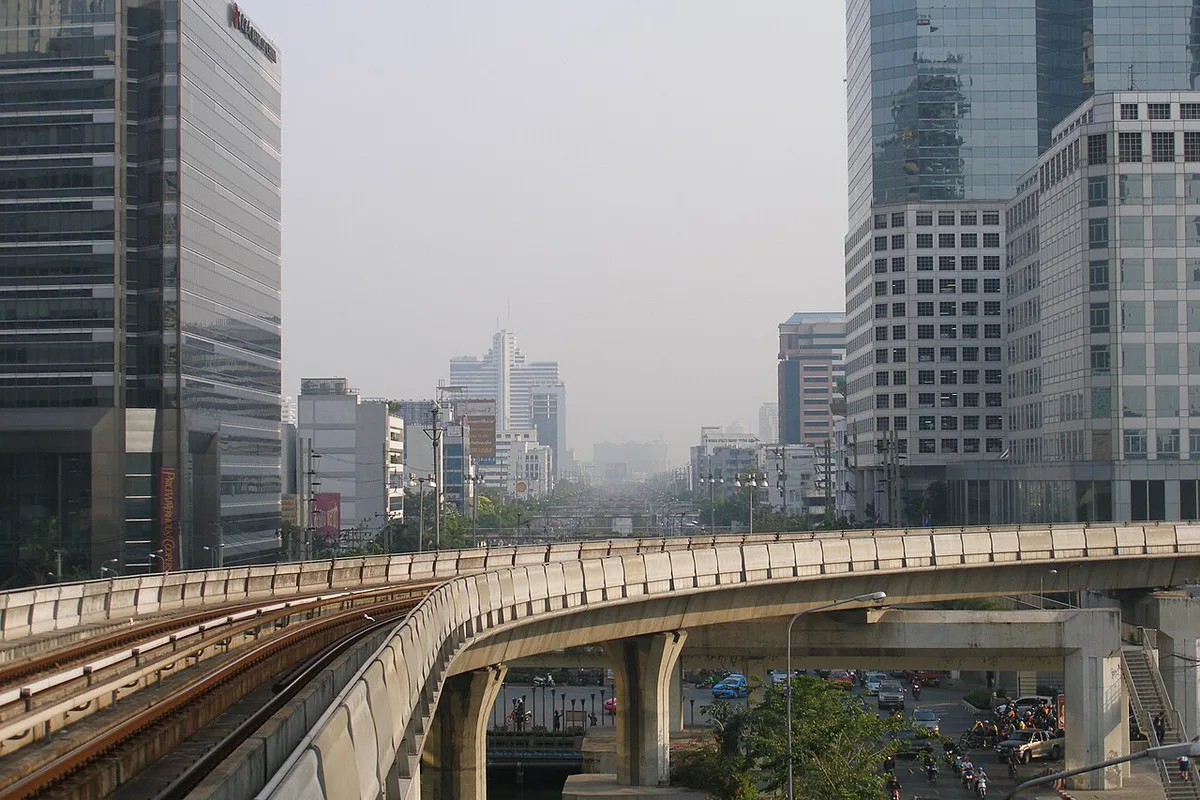
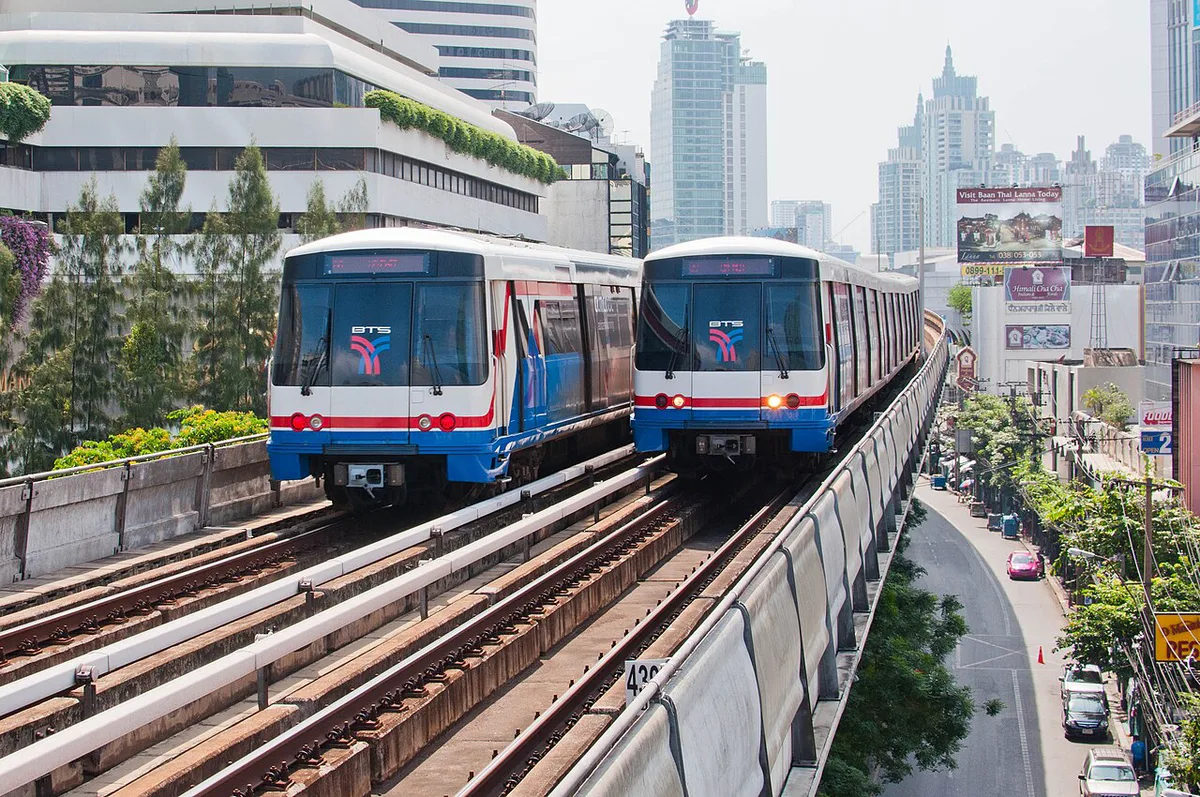
Rail avoids street traffic, which is why it beats every other mode on long cross-town trips. The BTS Skytrain operator's site lists lines and service details. Metro information sits on the MRT operator's page. Our MRT guide covers the underground network in more depth. Rail stops short of some sights, so Old Town and the river temples still need a boat, taxi or walk. Check a map before you commit to a station. Stairs and crowds can make rail awkward with large bags, and lift locations vary by station.
River and canal boats

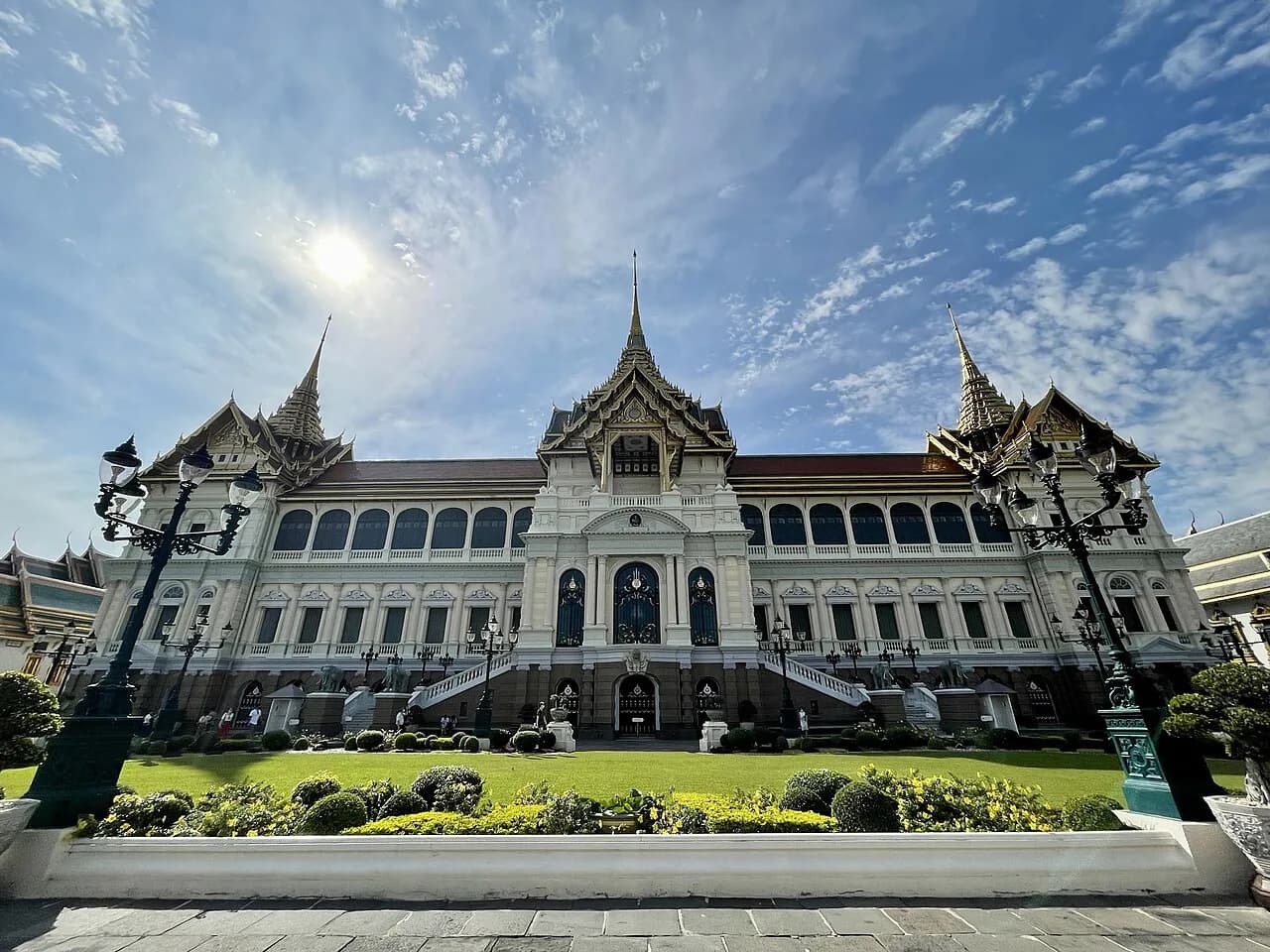
The Chao Phraya Express Boat is the best fit for riverside sights in Rattanakosin. Pick a pier near your target, then walk the last stretch. Check the Grand Palace official site for visiting rules before you plan the walk. Boats skip road traffic completely, and the breeze helps in the heat. They only help if your start and end points are both near water. Expect to carry cash for fares, and confirm pier names on the operator's page. Canal boats serve some commuter routes, but check current routes locally before relying on them.
Taxis, ride-hailing and tuk-tuks
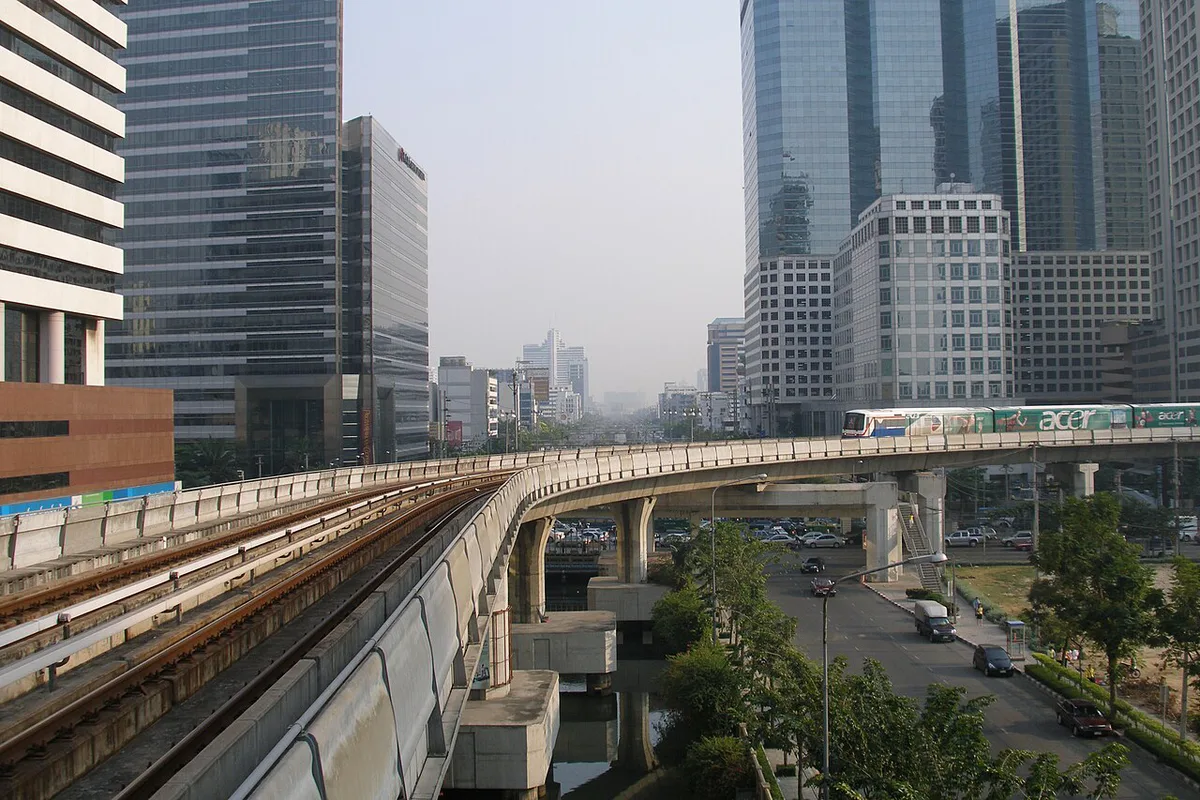
Metered taxis and Grab suit luggage, late evenings and heavy rain. Ask for the meter before you set off. If a driver refuses, step out and flag another cab. Ride-hailing shows the route and price up front, which removes the haggling. Tuk-tuks quote prices rather than run meters. Agree the fare and destination before boarding. Be wary of a driver who says your sight is closed today and offers a detour. Our tuk-tuk guide covers fair-price habits in more detail.
Songthaews and motorcycle taxis
Songthaews, the shared pickup trucks, and motorcycle taxis solve the last stretch between a station and your door. Use them for short hops down side streets that rail and buses skip. Ask the fare first, since neither runs a meter. Motorcycle taxis carry real safety risk, so skip them in rain or with luggage. Ask for a helmet and keep trips short. If any doubt remains, a taxi or Grab is the safer pick.
Rush hour, heat and rain: timing your moves
Weekday morning and evening peaks clog roads and fill trains. Confirm exact peak windows locally, because published ranges are unverified. Schedule temple visits early and use rail or boats to dodge gridlock. In midday heat, hop between air-conditioned stations rather than walking long stretches. When storms hit, rail and covered stations beat open boats and tuk-tuks. Our rainy-day ideas cover indoor alternatives.
Paying and passes: what to carry
We could not verify current fares, ticket types or card acceptance for this guide. Check the BTS, MRT and boat operator sites above, and keep small notes for boats and street transport.
Common mistakes to avoid
Most transport problems in Bangkok come from a handful of repeat errors. Avoid these and each day runs smoother.
- Taking a taxi across town at rush hour when rail would be faster.
- Assuming a rail station sits next to your sight, when a boat or taxi leg is still needed.
- Boarding a tuk-tuk without agreeing the price first.
- Accepting a closed-today pitch from a driver instead of checking the official site.
- Arriving at a pier with no cash for the boat fare.
- Hauling large bags up station stairs without checking for a lift.
Where to go next
With your transport mix sorted, start planning your days. Our Bangkok things-to-do guide maps the main sights. Our day trip ideas cover longer journeys beyond the city.
Explore getting around in other cities
Notes for your Thailand trip
Optional updates when we add or change a town or island guide.
You might also like
Continue reading
More guides you'll find useful