Bangkok Chinatown (Yaowarat) Guide: Route, Food and Timing
Plan Bangkok Chinatown (Yaowarat): what to see, when to go, how to get there, what to eat, and a walking route with timing tips.
On this page
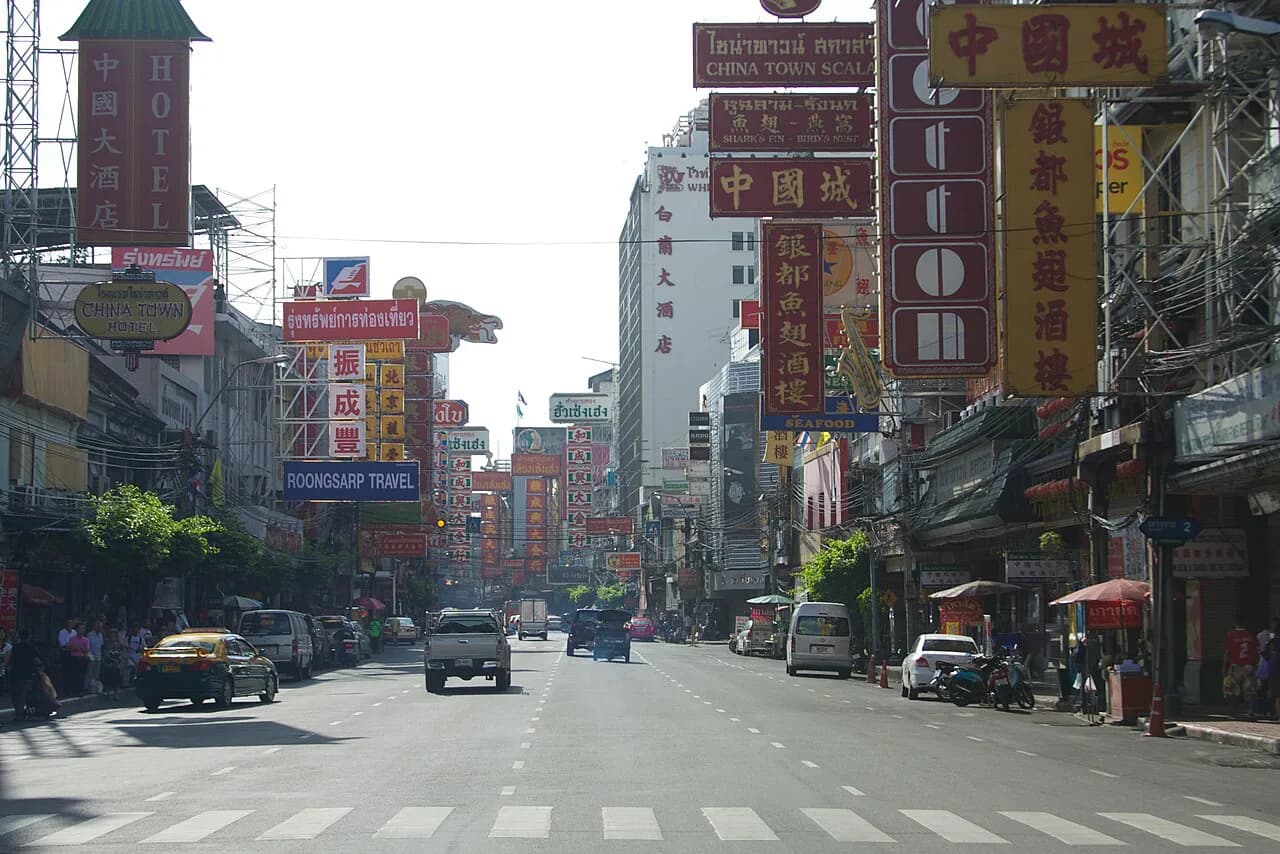
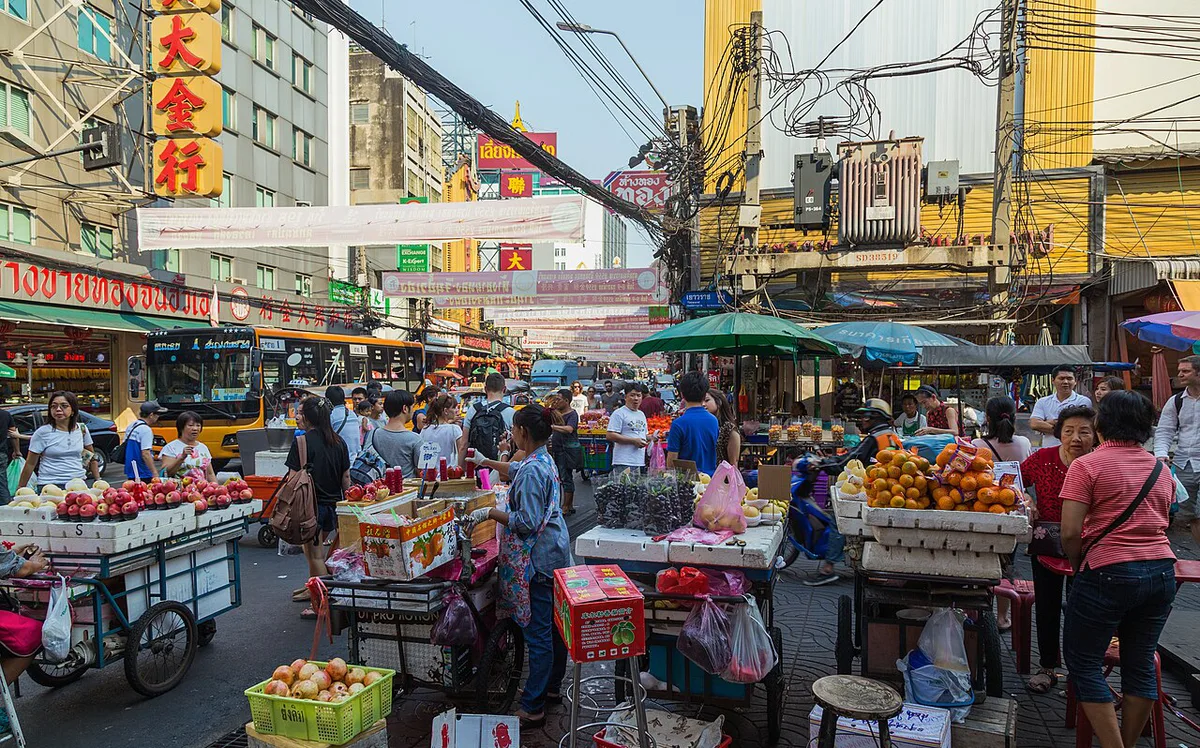
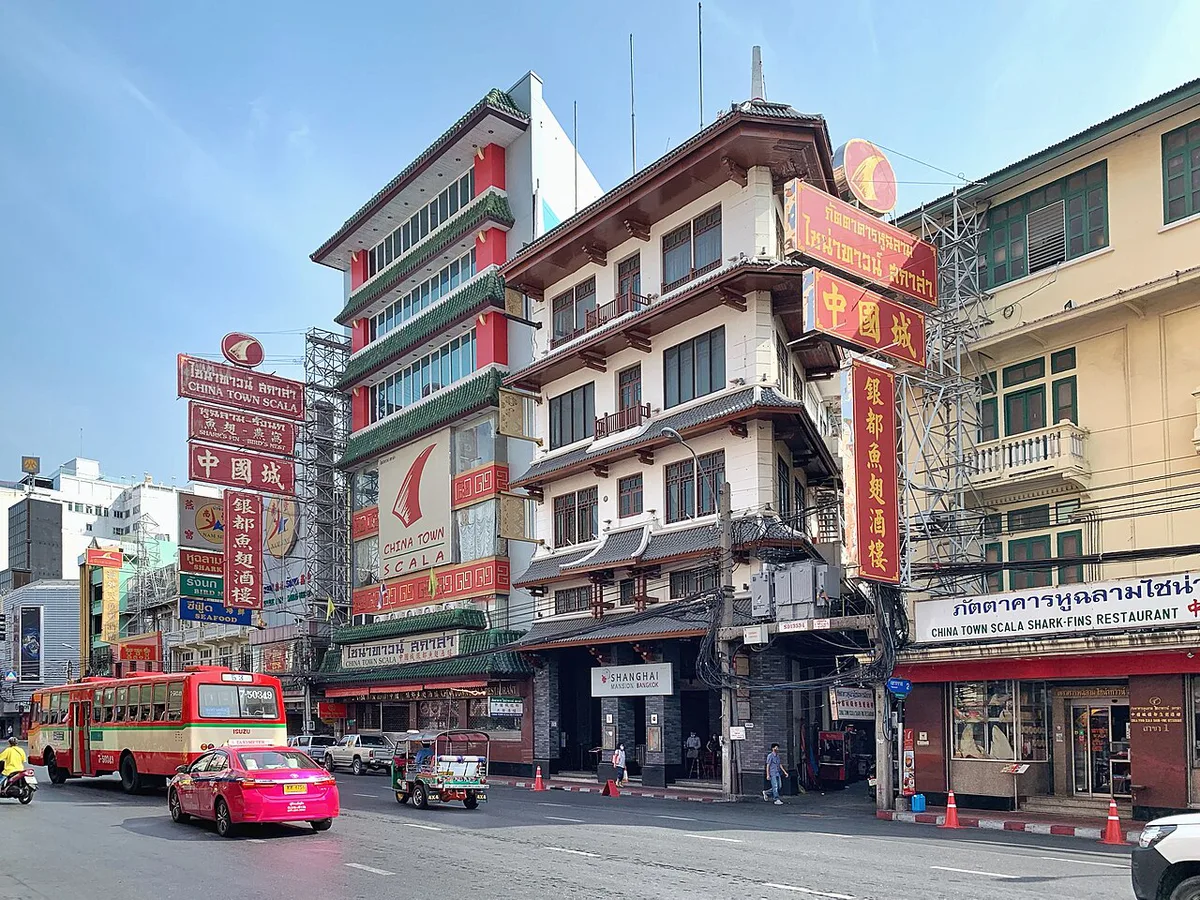
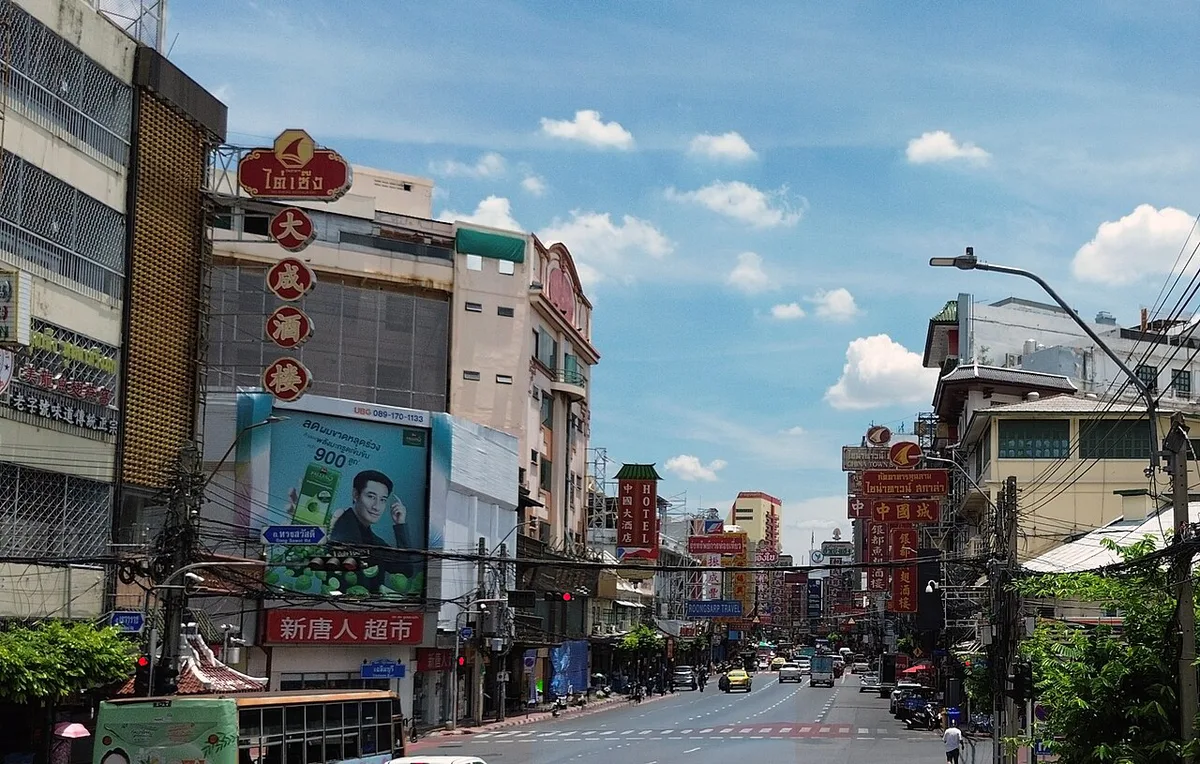
Last updated November 2026. Bangkok Chinatown centers on Yaowarat Road in Samphanthawong district, and it is known for temples by day and street food after dark. Plan a half-day or an evening, carry cash, and pick day or night before you leave your hotel. Our guide gives a walking route, a day-versus-night table, and stall-picking rules, as a spoke of our Bangkok things to do guide.
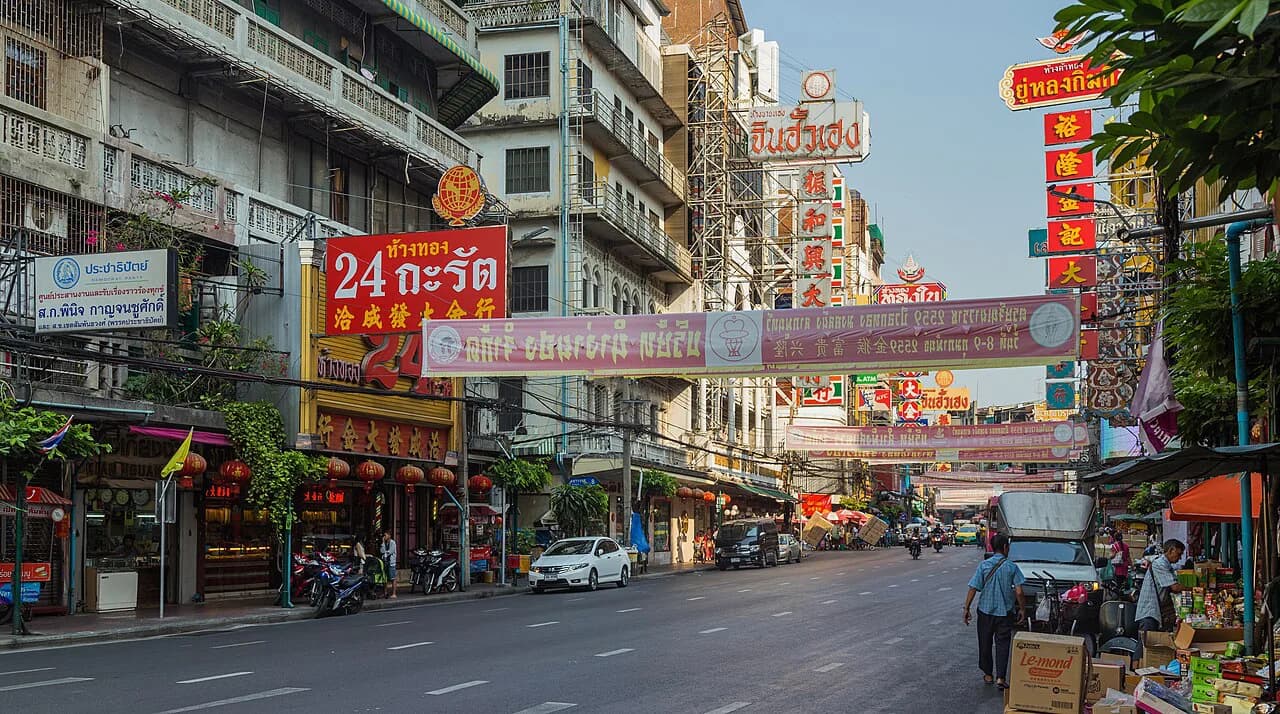
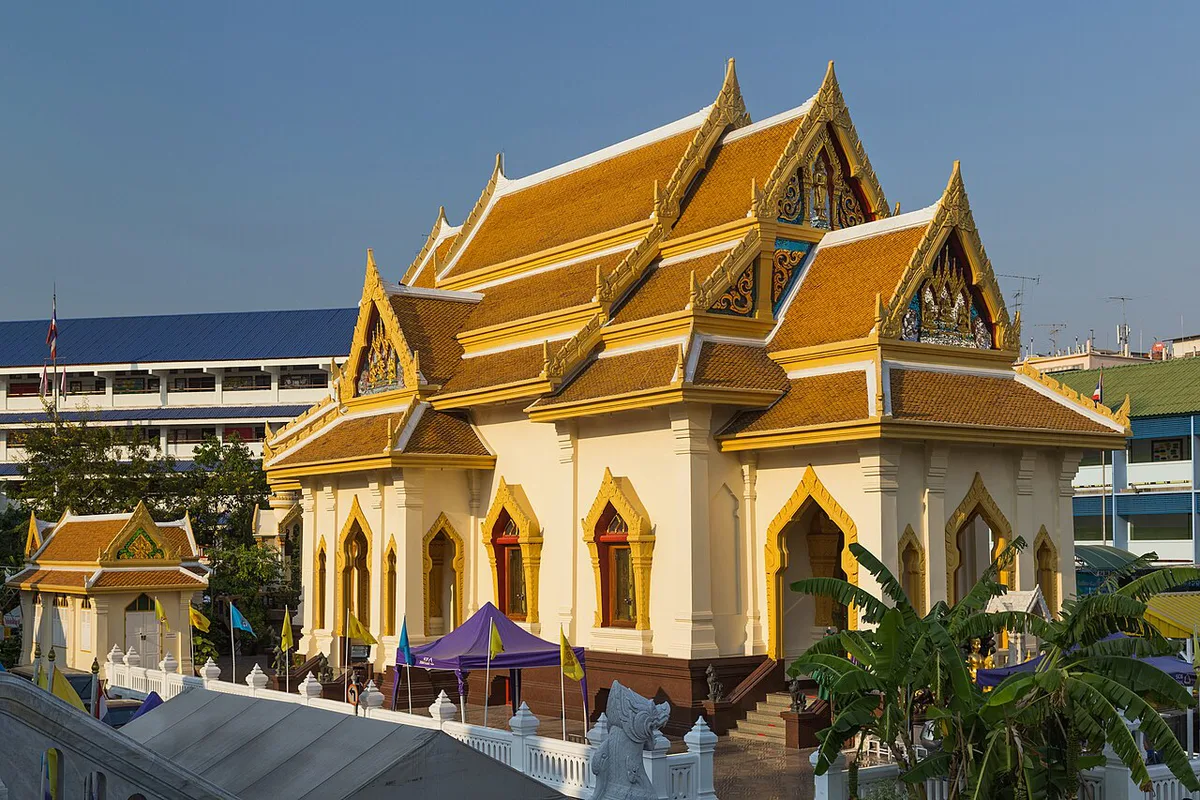
Featured image: Marcin Konsek, CC BY-SA 4.0, via Wikimedia Commons.
Bangkok Chinatown at a Glance
Yaowarat is a working trading district, not a theme-park street. Shops sell textiles, electronics, souvenirs and antiques. Food stalls multiply toward evening. Most visitors combine a temple stop with a meal. A half-day covers the main sights at an easy pace.
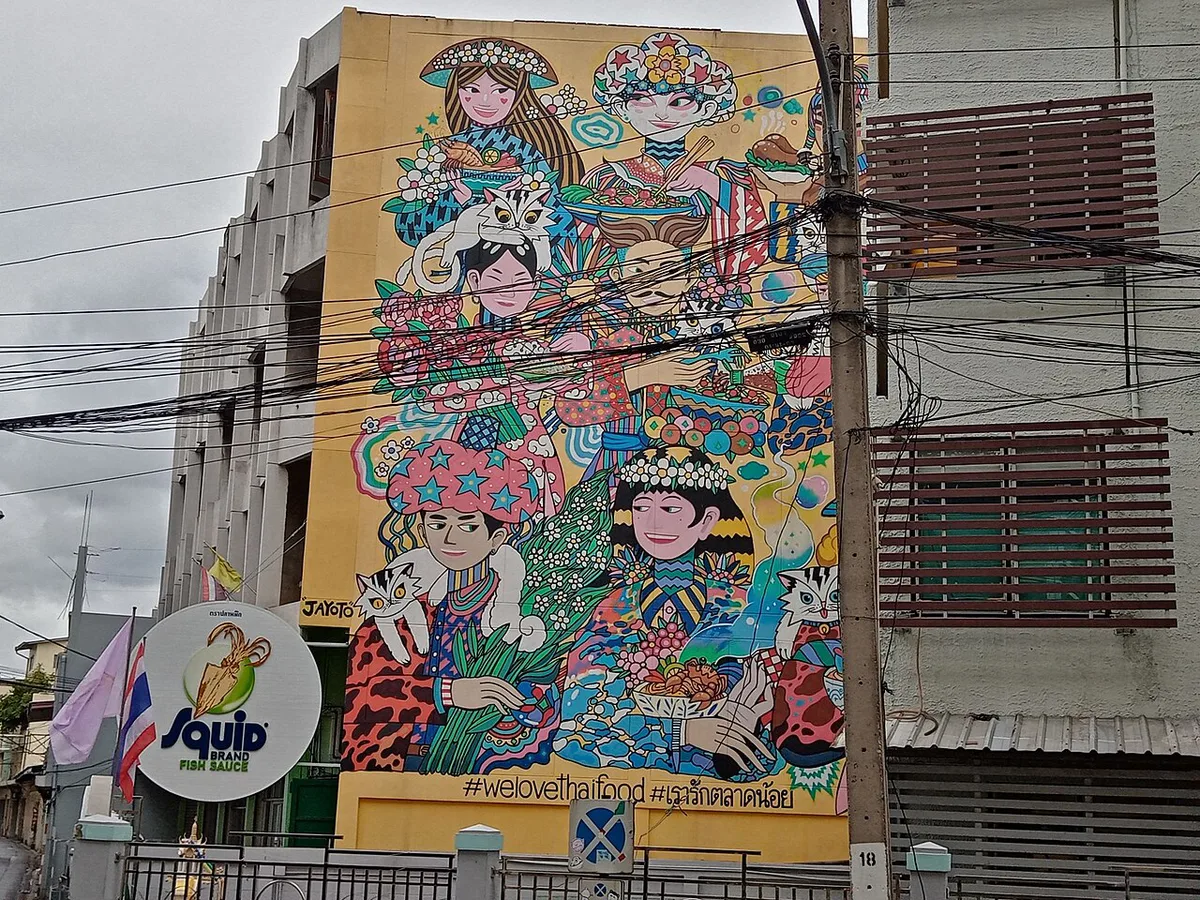
- What it is: Yaowarat Road and its side lanes in Samphanthawong district.
- Best for: temples, old shophouses, and street food after dark.
- Time needed: a half-day, or one evening for food only.
- Cash: plan on carrying cash, because many stalls reportedly skip cards.
- Access: MRT, BTS, tuk-tuk or taxi; see the transit section below.
Best Things To Do in Bangkok Chinatown (Yaowarat)
Each stop below comes with a decision cue. Skip any that do not match your interests. Chinatown rewards a loose plan better than a packed checklist.
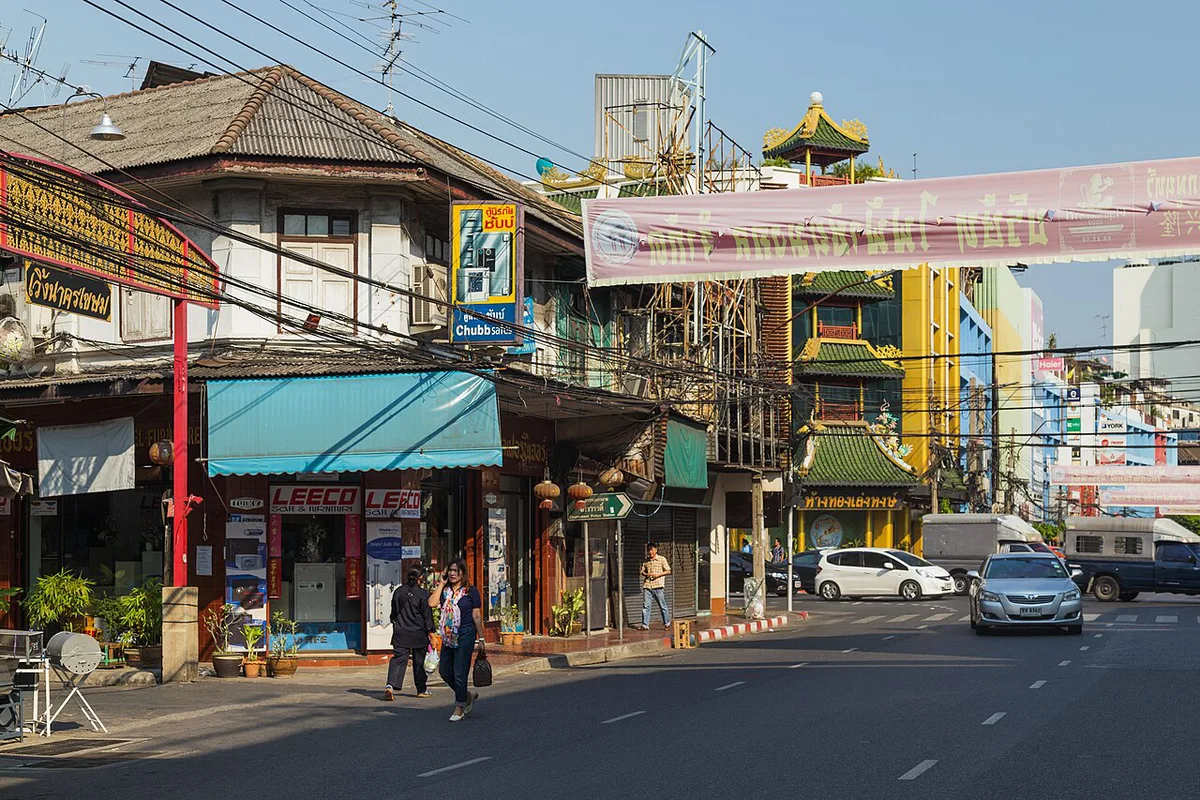
- Yaowarat gate: a large ornate Chinese-style arch marking the area. Worth it if you want an orientation photo before the walk.
- Wat Traimit: home to the Golden Buddha, a gold image that draws visitors across the day. Worth it if you like temple art and want a calm indoor stop.
- Wat Mangkon Kamalawat: a Chinese Buddhist temple in the central part of the district. Worth it if you want incense, offerings and local worshippers rather than a museum feel.
- Wat Chakrawat: a temple that visitors mention for its crocodile pond. Confirm the current setup before you plan around it.
- Street food on Yaowarat Road: stalls and restaurants fill the road at night. Worth it if food is your main reason to come.
A Walkable Route Through Yaowarat
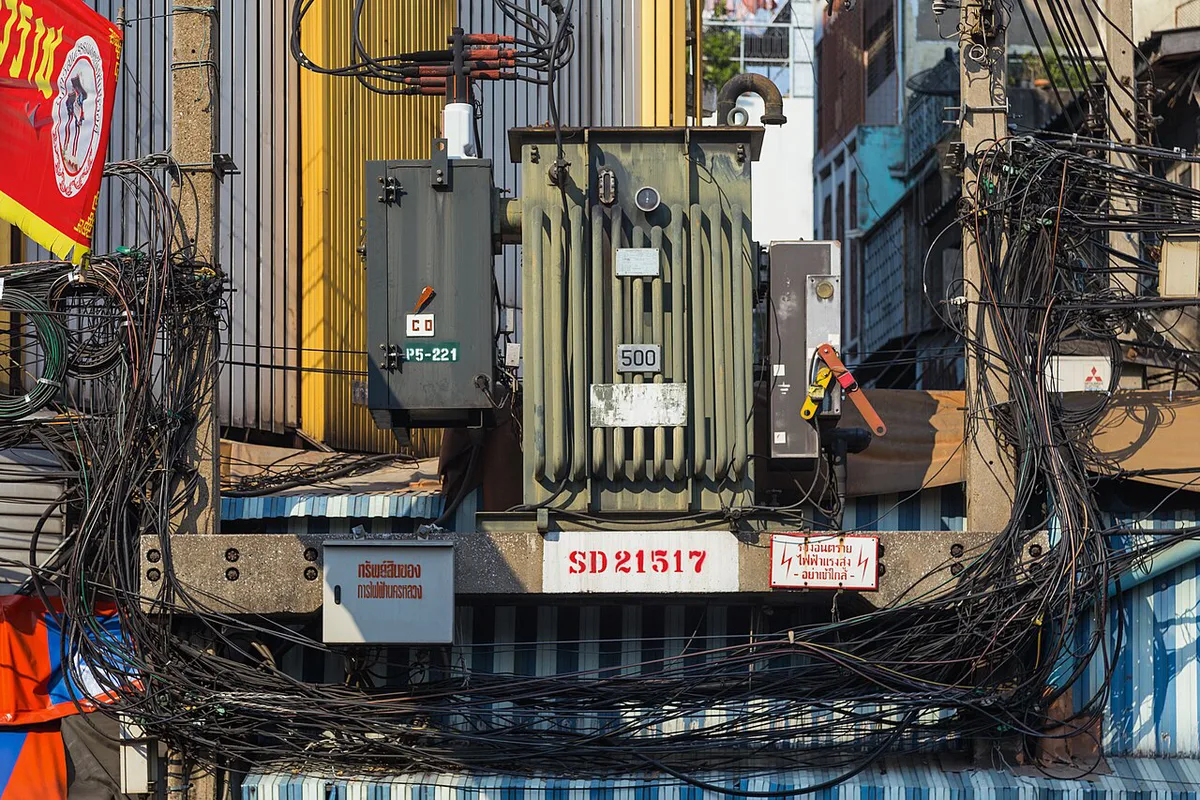
Order your stops geographically so you do not backtrack along crowded pavements. Check a map app before you set off, because lane names and one-way traffic change. Dwell times below are rough planning guides, not measured figures. Our Old Town walking guide pairs well if you want a longer day.
- Start at the Yaowarat gate: orient yourself and take photos. Skip if you arrive after dark and want to save energy.
- Continue to Wat Mangkon Kamalawat: allow a short temple visit and dress modestly.
- Walk or ride to Wat Traimit: see the Golden Buddha and take a seated break out of the heat.
- Browse the side lanes: Sampeng Lane and nearby alleys suit shoppers. Skip if crowds bother you.
- End on the Yaowarat food stretch: eat your way along the road as stalls open.
- Optional extra: Wat Chakrawat, if you have energy left and the temple is open.
Day or Night: When To Go
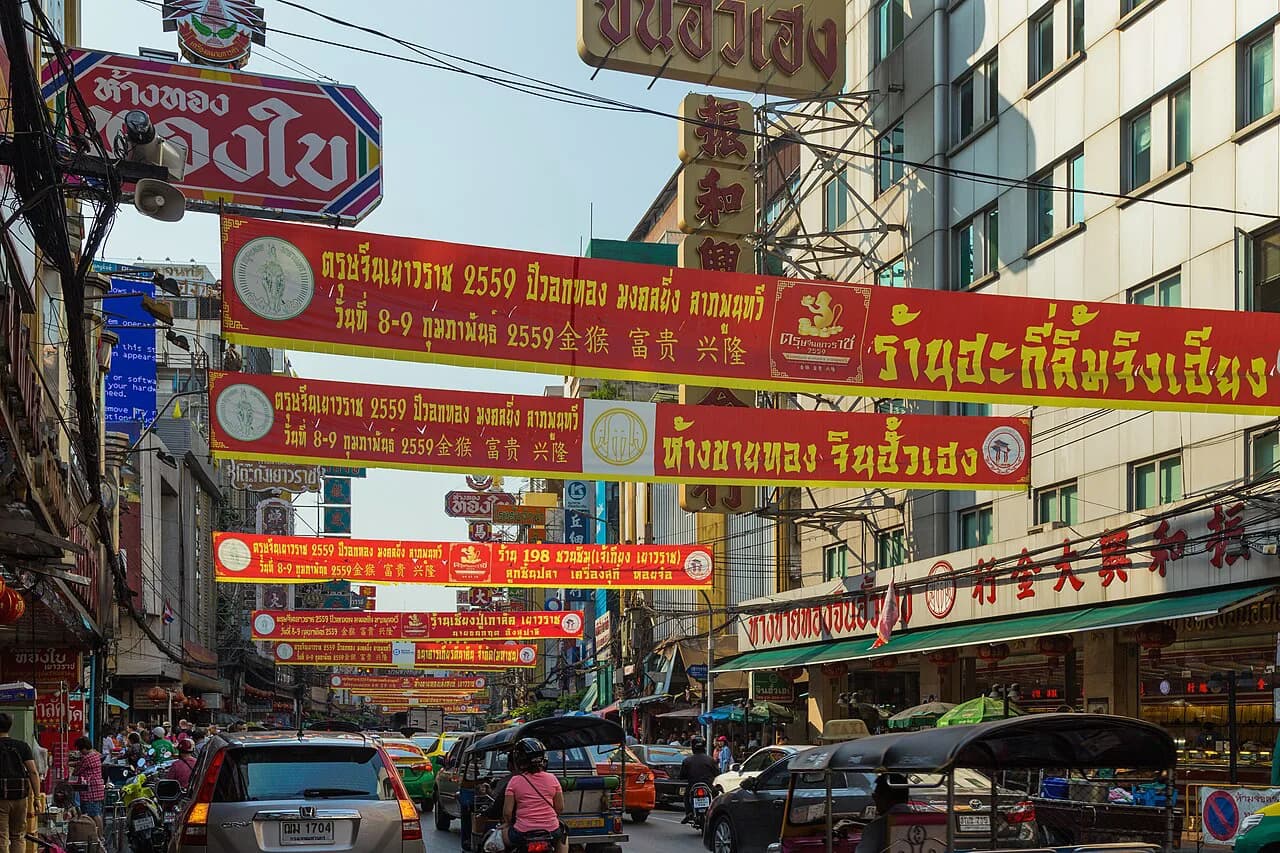
Yaowarat changes character after dark. Daytime suits temples, shops and slower photography. Evening suits food, neon signs and a busier street atmosphere. Opening patterns vary by stall and shop, so confirm on arrival rather than assuming.
| Factor | Daytime | Evening |
|---|---|---|
| Heat | Hotter and sunnier; carry water and a hat | Cooler, though humid and crowded |
| Crowds | Lighter in the morning, busier by midday | Heaviest on the food stretch |
| Best for | Temples, shops, side lanes | Street food, seafood, lit-up signs |
| Suits | Families, heat-tolerant sightseers, photographers | Food-focused travelers, groups, couples |
| Watch out | Some shops may close early or on certain days | Narrow pavements, scooters, tight stroller access |
What To Eat and How To Choose a Stall
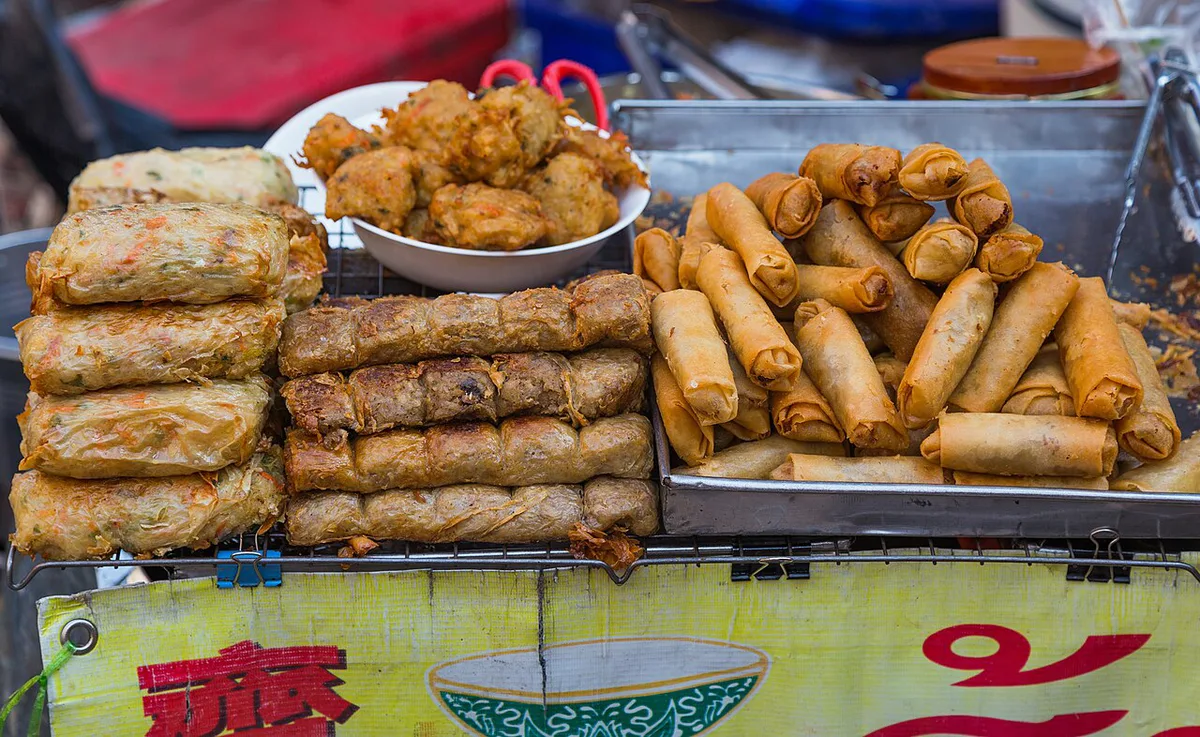
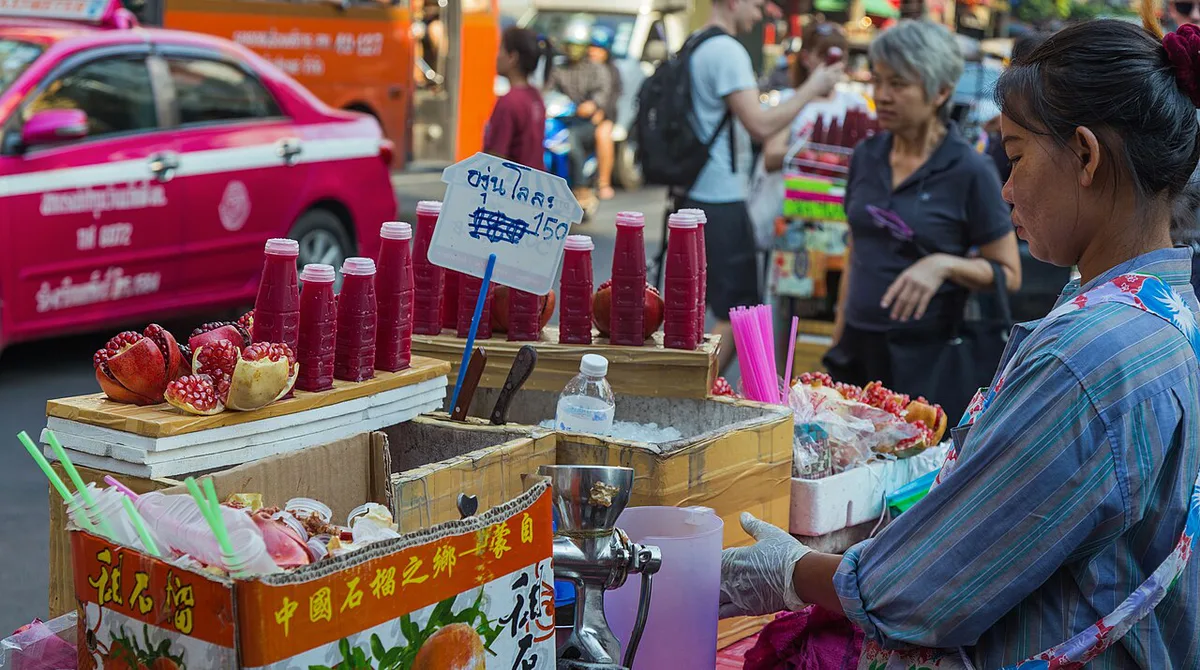
Pick stalls with a steady queue and fast turnover. Fresh cooking and visible ingredients are good signs. Watch what locals order before you point at the menu. First-timers can start with items that keep appearing in local guides, such as curry, fish maw soup, kway chap and coconut ice cream. Durian fans will find ice cream and sticky rice versions. Pork, shellfish and fish sauce are common, so vegetarians and allergy sufferers should ask each vendor and not assume. Check vegetarian-festival dates with an official Thai tourism source before you plan around them. Carry small notes, because many stalls are cash-first. For the wider after-dark picture, see our night market guide.
Costs, Hours and Cash
Walking the streets costs nothing. Temple entry fees and hours are not confirmed in our sources, so check each temple's current notice on arrival. One guide says Chinatown temples open from 9am. Treat that as a hint and verify it. Food prices are not confirmed either, so ask before ordering. Budget extra cash for taxis and snacks. For other no-cost ideas, see our free Bangkok activities.
Treat the 9am opening as a hint, not a schedule, and shift temple visits to the morning to dodge midday heat.
How To Get There and Around
Traffic around Yaowarat is heavy, so rail is usually the least stressful option. Competitor guides name the MRT's Hua Lamphong station as one access point. Confirm station names, exits and hours on the MRT operator's official site. BTS is another option, and its official BTS page lists current lines. Neither option reaches every lane, so expect a final walk or a short ride. Our Bangkok MRT guide explains the metro in more detail. A tuk-tuk is quick for short hops but needs a fare agreed first; see our tuk-tuk tips. For other modes, read Getting Around Bangkok: BTS, MRT, Boats & Taxis. River boats may also serve the area, but confirm the nearest pier before you plan on one.
Where To Stay Nearby (or Stay Elsewhere)
Staying in Chinatown puts you beside the food street, but nights can be busy and loud. Many visitors prefer to sleep elsewhere and visit for a half-day or evening. Compare areas in our Bangkok neighborhood guide. Check recent reviews for noise before booking anything close to Yaowarat Road.
Mistakes To Avoid
Most problems come from timing and overplanning.
- Arriving by car at peak traffic: choose rail or a short ride.
- Carrying no cash: many stalls expect it.
- Trying to see everything: pick a route and drop stops.
- Ignoring dress codes: cover shoulders and knees at temples.
- Assuming every shop and temple is open daily: check on the day.
- Visiting midday in full heat: shift temples to the morning.
Pair Chinatown With Other Bangkok Stops
Combine Yaowarat with temple stops from our Bangkok temple guide. Add a river-side Old Town afternoon if you want a second district. Skip Chinatown if you dislike crowds, travel with a stroller, or have a very short layover. Our Bangkok trip planning guide helps you decide how much time the city deserves.
Notes for your Thailand trip
Optional updates when we add or change a town or island guide.
You might also like
Continue reading
More guides you'll find useful