
Santitham, Chiang Mai: A Residential Neighborhood Guide

Santitham is worth choosing if you want to eat northern Thai food where locals eat and sleep a short ride from the old city; skip it if you want temples on your doorstep. The district sits in Chang Phueak, just northwest of the old city center, and reads as an everyday residential area rather than a tourist quarter.
What Santitham is and where it sits
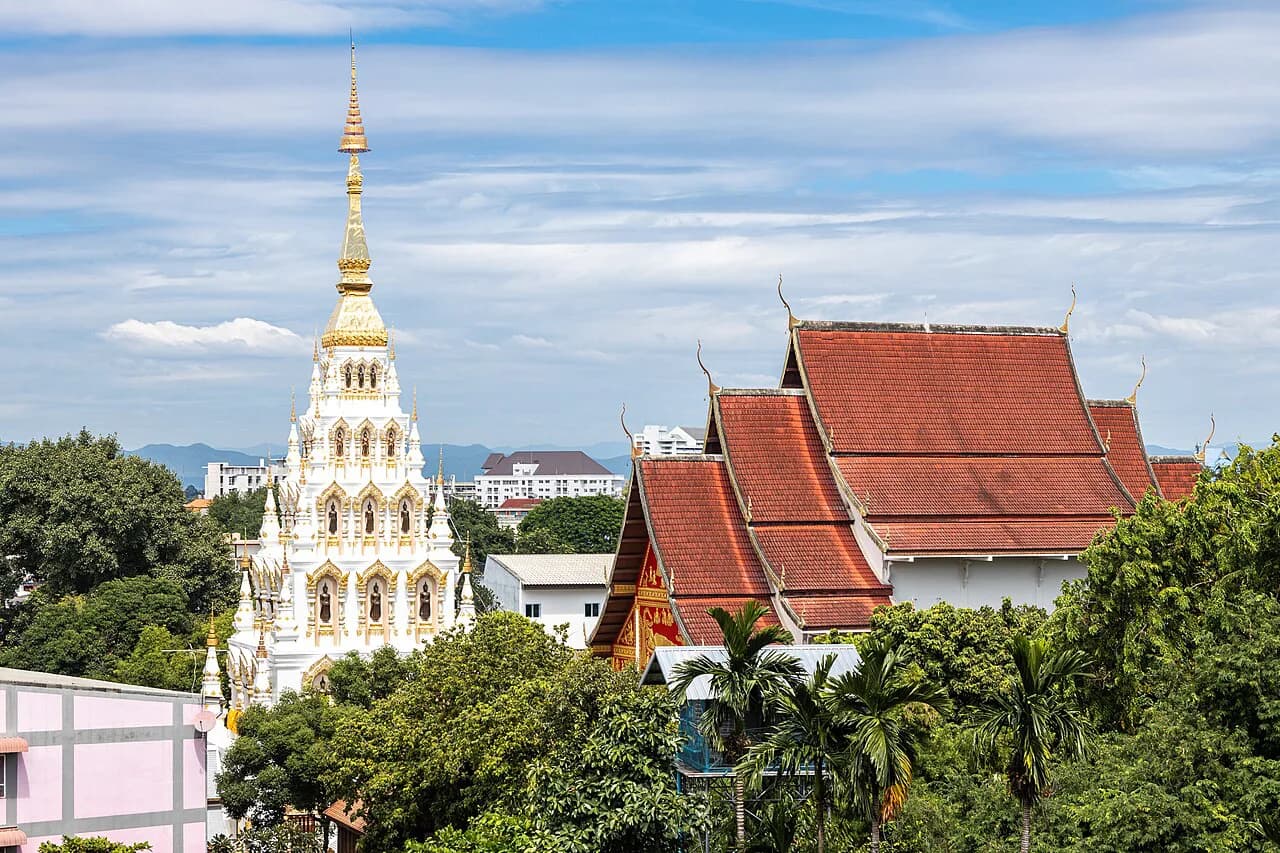
Santitham spreads across Chang Phueak district, northwest of the old city's water ring. Its two main spines are Santitham Road and Hussadhisawee Road, which carry most of the food stalls, shops and guesthouses. Wat Santitham sits on Santitham Road, giving the neighborhood a small local temple anchor rather than a headline sight.
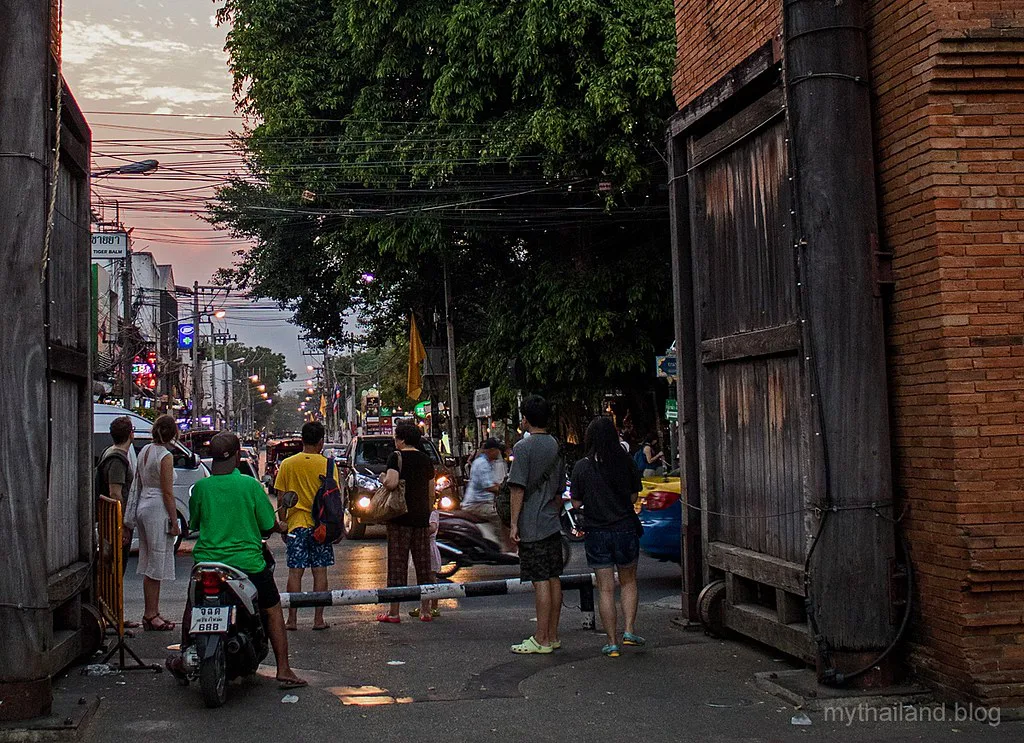
The draw is everyday street life: food stalls, small coffee shops and local customers rather than tour buses. One travel writer describes it as a lesser-known neighborhood where locals outnumber visitors and cheap food is the main event. Think of it as a base with good meals, not a checklist of attractions.
For the wider picture, Chiang Mai neighborhoods: pick where to stay and eat compares the old city, Nimmanhaemin, the riverside and the night bazaar side side by side. Read that first if you are still deciding which part of town to book.
Who Santitham suits — and who should pick elsewhere
Santitham suits travelers who plan meals around street food, want a quieter place to sleep, and Don't mind riding a few minutes to the sights. It rewards people staying several nights who want a routine: breakfast noodles, an afternoon coffee, dinner at the food court. If your trip is two nights and temple-heavy, the old city saves you daily transport.
Pick the old city instead if you want to walk out of your guesthouse into temple courtyards, accepting higher room rates and more visitors. First-timers with limited time often get more from staying inside the moat, then eating their way through Santitham on a single evening.
Pick Nimmanhaemin instead for modern cafés, bars and a walkable grid of design-led shops with a more polished feel; Santitham is the cheaper, more local counterpart a short ride away. Neither area matches the old city's density of temples, so choose on how you want to spend evenings.
How to get to Santitham and get around
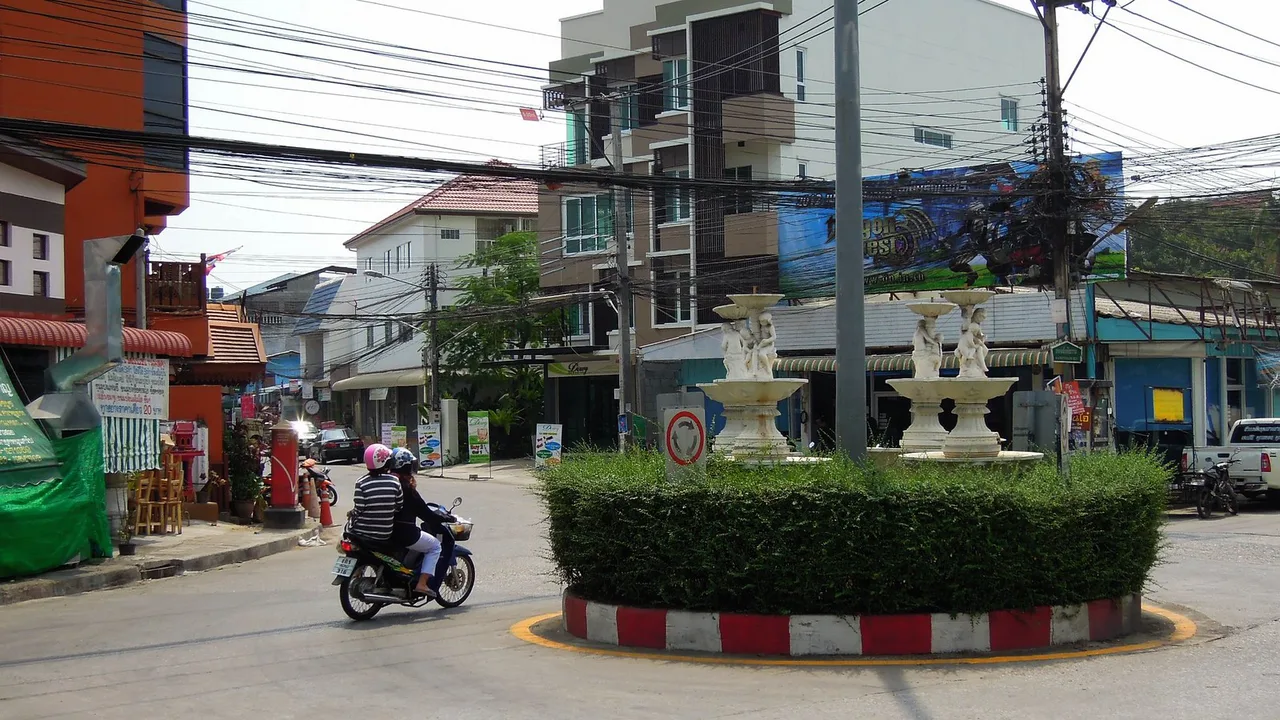
Most travelers reach Santitham by songthaew or Grab from the old city or the airport side, since the district has no rail line of its own. Red songthaews run along the main roads and you flag them down; agree on the fare before you get in, because prices are negotiated rather than posted. Grab is simpler with luggage or at night, since the app fixes the fare in advance.
Within the district, walking covers the core: Santitham Road and Hussadhisawee Road are close enough that a meal on one and coffee on the other is a short stroll. Cross the main roads with care, as traffic moves fast and crossings are limited.
From the night bazaar side of town, budget for a longer ride across the center; the Chang Khlan Road night bazaar area sits on the opposite, riverside side of the old city. Many visitors walk the old city first, then ride to Santitham for dinner.
What to see: Wat Santitham and everyday street life
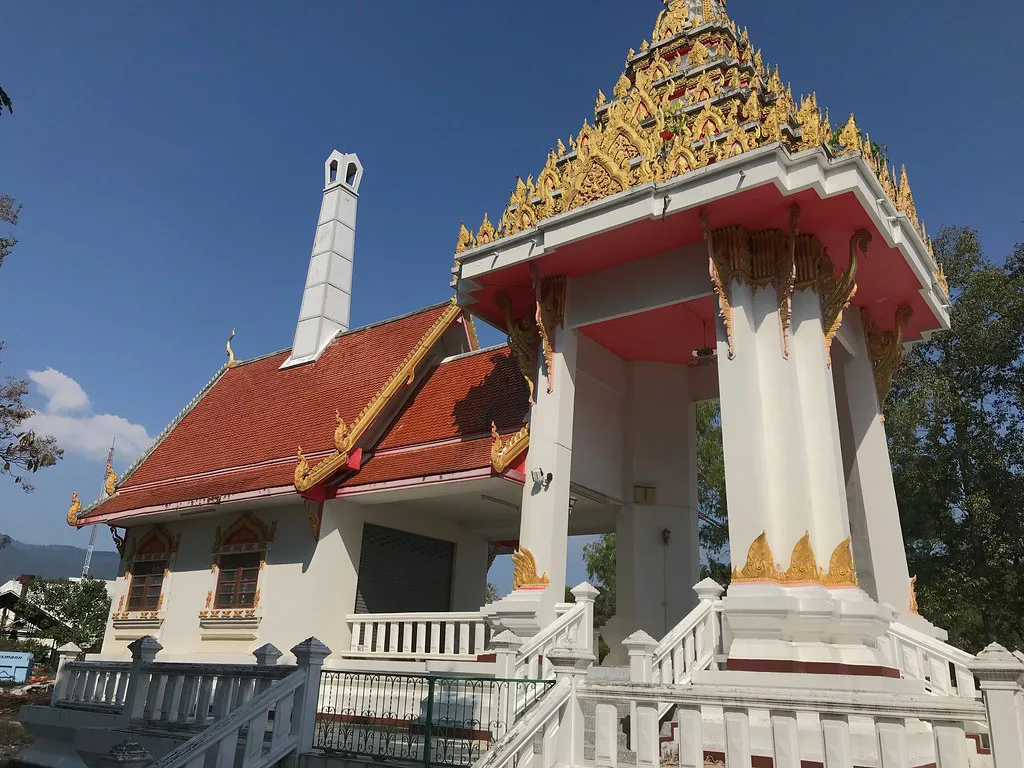
Wat Santitham on Santitham Road is the neighborhood's one named temple and the closest thing to a sightseeing stop inside the district. Treat it as a working local temple you drop into for a few minutes rather than a monument you schedule a morning around.
The rest of the sightseeing is the street itself: morning stalls setting up, grill carts in the evening, and small shops along Hussadhisawee Road. An hour of wandering around mealtimes shows you more daily life than a museum would, so build your meals around Santitham rather than a whole day.
What to eat in Santitham
Khao soi is the dish to order first: a coconut-milk curry noodle soup with chicken, yellow egg noodles, a nest of crispy noodles on top, and red onion and pickle to garnish. It is a northern Thai specialty that is hard to find outside the region. A travel writer who spent a month in Santitham called the Khao soi she ate there the best of her trip.
Beyond Khao soi, look for Sai ua, the spiced Chiang Mai sausage, and ga pow Moo, stir-fried pork with basil served over rice. Sai ua turns up at grill stalls and markets, while ga pow Moo is standard lunch-counter fare. Both are cheap, filling and a better introduction to Lanna cooking than anything on a hotel menu.
For breakfast noodles, look for clear-broth soup with duck or pork balls, rice noodles and vegetables. The same writer singles out a pork-ball stall on Santitham Road that fills with locals in the morning and adds crackers to the bowl. At the night food court on Hussadhisawee Road, the stall nearest the traffic lights was her pick for duck noodle soup.
Snacks are part of the routine: grilled corn and food on sticks, chosen from trays on ice and cooked over charcoal with a spice dab at the end, plus morning glory stir-fried with chilies. The same account puts grilled corn at 5 baht a piece and morning glory at 30–40 baht near Anusarn Market, but those are her dated notes rather than current menus. Check prices at the stall before ordering.

The Hussadhisawee Road night food court
The night food court on Hussadhisawee Road is the easiest dinner plan in Santitham: a cluster of stalls where you order at the counter, take a seat at a shared table and eat for very little. Arrive hungry and walk the stalls once before committing.
The writer who ate there repeatedly paid 40 baht for a bowl of duck noodle soup and rated the stall nearest the traffic lights the best of the bunch. That figure is her snapshot, not a quoted menu, so read it as a rough guide to the price level.
For a sit-down version, Bamboo Cafe on Ratvithi Road in the old city serves a large Khao soi with vegetable, chicken or pork and adds broccoli, carrot and cauliflower to the bowl. The same writer recorded about 69 baht there, again a dated figure. It is a sensible stop if you are already inside the moat, not a reason to leave Santitham.
Where to stay in Santitham
The room stock is small hotels and guesthouses rather than resorts. POR Santitham is one named option, reviewed as a family-friendly place with helpful staff, with an address listed in Si Phum. Use current booking reviews for room details and rates rather than taking any single description as gospel.
Long-stay rental listings you may see for Santitham apartments are monthly leases for residents, not nightly tourist rates, so ignore them when budgeting a visit. Book through a hotel platform or contact the property directly, and check the address on a map before you commit, because district names here overlap across Chang Phueak and Si Phum.
To put food first, pick a room within walking distance of Hussadhisawee Road so dinner is a stroll rather than a ride. If you plan to spend most days in the old city, weigh the cheaper room against daily transport; a short stay often favors the old city, a longer one favors Santitham.

What's within walking distance — and when to head into the old city
Inside Santitham, the walkable core is the two main roads: Wat Santitham, the morning food stalls, the night food court and a handful of small coffee shops sit within a modest stroll of each other. A Chiang Mai business directory lists Pig Ga Seal Coffee Shop, Princess Coffee, Master Ruma Vegetarian Food, Pun Pun Santitham, Lek's Corner and Santitham Breakfast & Chiang Mai Pizza within roughly a hundred meters of Wat Santitham.
Beyond that, you are leaving the district. The old city's Tha Phae Gate, the moat and the temple cluster inside the water ring are a short songthaew or Grab ride away, not a walk you want in the midday heat. Plan one ride out and one ride back rather than connecting them on foot.
If your priority list is temples and markets rather than food, browse the things to do in Chiang Mai guide and slot Santitham in as an evening instead of a base. That keeps your days efficient and still gets you the Khao soi.
Santitham vs the old city: the honest trade-off
The old city gives you temples, moat-side cafés and walkable sightseeing at a higher nightly rate and with more visitors around you. Santitham gives you cheaper rooms, local food and a quieter evening, at the cost of a ride whenever you want a landmark. Neither is better in the abstract; the answer depends on whether your trip is about sights or about eating.
A workable compromise for a first visit is to sleep in the old city and give Santitham one dinner and one breakfast. You get the food court, a bowl of Khao soi and a morning noodle soup without giving up walkable temple mornings. If you are returning to Chiang Mai, flip it: base in Santitham and ride in for the sights.
Should you base yourself in Santitham?
Base in Santitham if cheap northern food, a residential feel and a quiet room matter more than stepping out of your door into temples. Keep the old city for a two-night first trip, or split your stay and eat here on nights you want the food court. Either way, order the Khao soi and confirm prices at the stall rather than trusting any published figure.
Explore more Chiang Mai guides
Frequently Asked Questions
Is Santitham a good area to stay for a first trip to Chiang Mai?
It works if food and a local feel are your priorities and you Don't mind a short songthaew or Grab ride to the sights. For a two-night first visit built around temples, the old city is more efficient because you can walk to the main sights. Many travelers split the difference: sleep in the old city and come to Santitham for dinner.
Do I need a car to get around Santitham?
No. The core around Santitham Road and Hussadhisawee Road is walkable, and songthaews and Grab cover the ride to the old city and elsewhere. Agree on the songthaew fare before you get in, or use the app so the price is set in advance.
What food should I not miss in Santitham?
Start with Khao soi, the northern coconut-curry noodle soup, then try Sai ua sausage and ga pow Moo over rice. Look for clear-broth duck or pork-ball noodle soup in the morning and grilled corn or morning glory from the street stalls. The Hussadhisawee Road night food court is the easiest place to try several dishes in one sitting.