
Chiang Mai Old City: A Practical Guide to the Walled District

Sleep inside the moat if you want temples, markets and small guesthouses within a fifteen-minute walk, and accept that you will trade river views and easy night-market access for that convenience. The Old City rewards walkers and slow travelers more than anyone chasing a resort feel. This guide covers how the district is laid out, which temples are worth your time, which markets run on which nights, and where to stay and eat inside the walls.
What the Old City is and how it feels
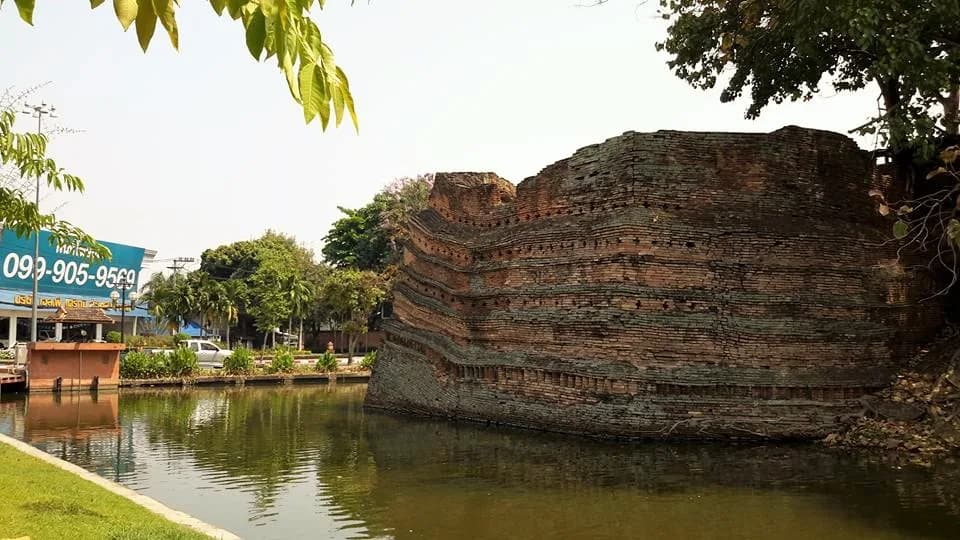
The historic center is roughly a square of lanes and low-rise blocks enclosed by a moat and remnant walls, with schools, family restaurants, boutique shops and guesthouses sitting right beside the temples. It reads as more local than the riverside strip outside the moat, and the pace is slow enough that wandering is the main activity. If you want the short version of what the broader city offers, our guide to Chiang Mai Neighborhoods: 5 Area Guides sets this district against the rest.
Chiang Mai served as the capital of the Lanna Kingdom for centuries, and the concentration of wats reflects that history rather than any single monument. One traveler counted around 117 temples inside the Old City alone, which is why most visitors stop noticing them after the first few. Treat that as permission to be selective: pick three or four and spend the rest of your time on the streets and markets.
Compared with Nimmanhaemin Road, the Old City is quieter at night and less oriented toward cafés and co-working. Nimman Chiang Mai suits anyone who wants modern coffee culture and air-conditioned comfort as a base; the Old City suits anyone who wants to step out of a guesthouse and be at a temple gate in minutes.

Getting your bearings at the gates and moat
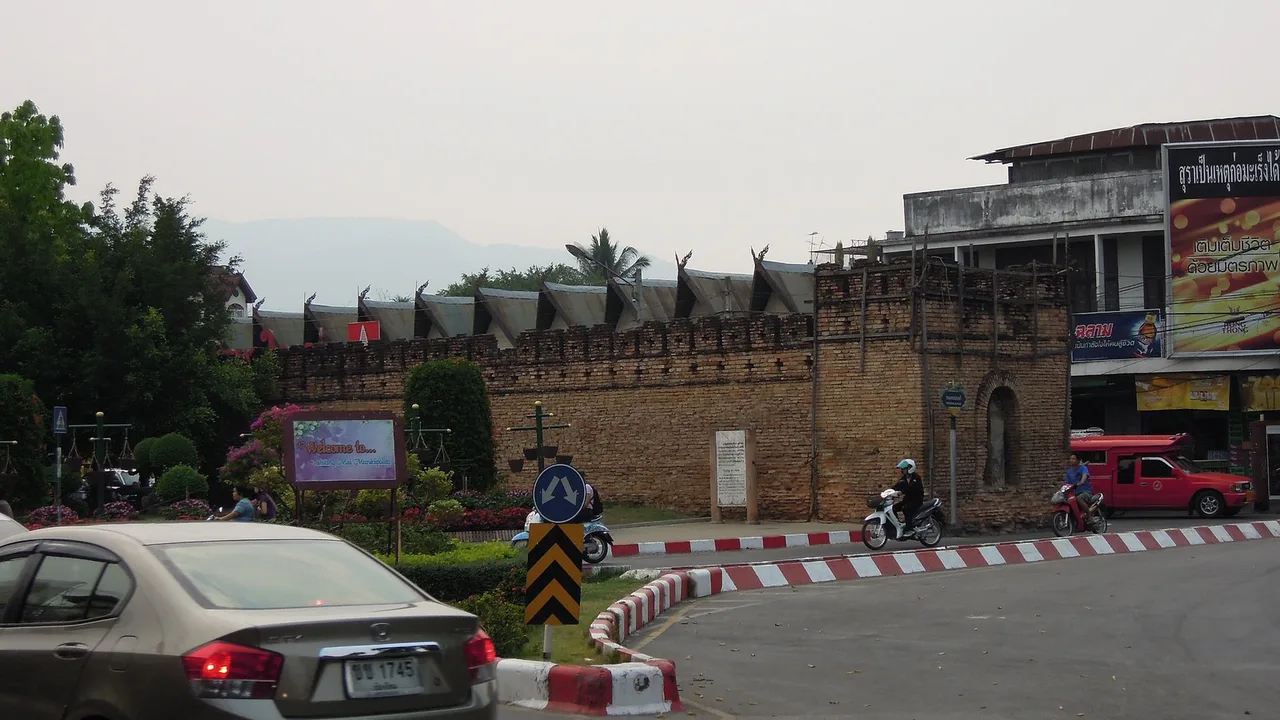
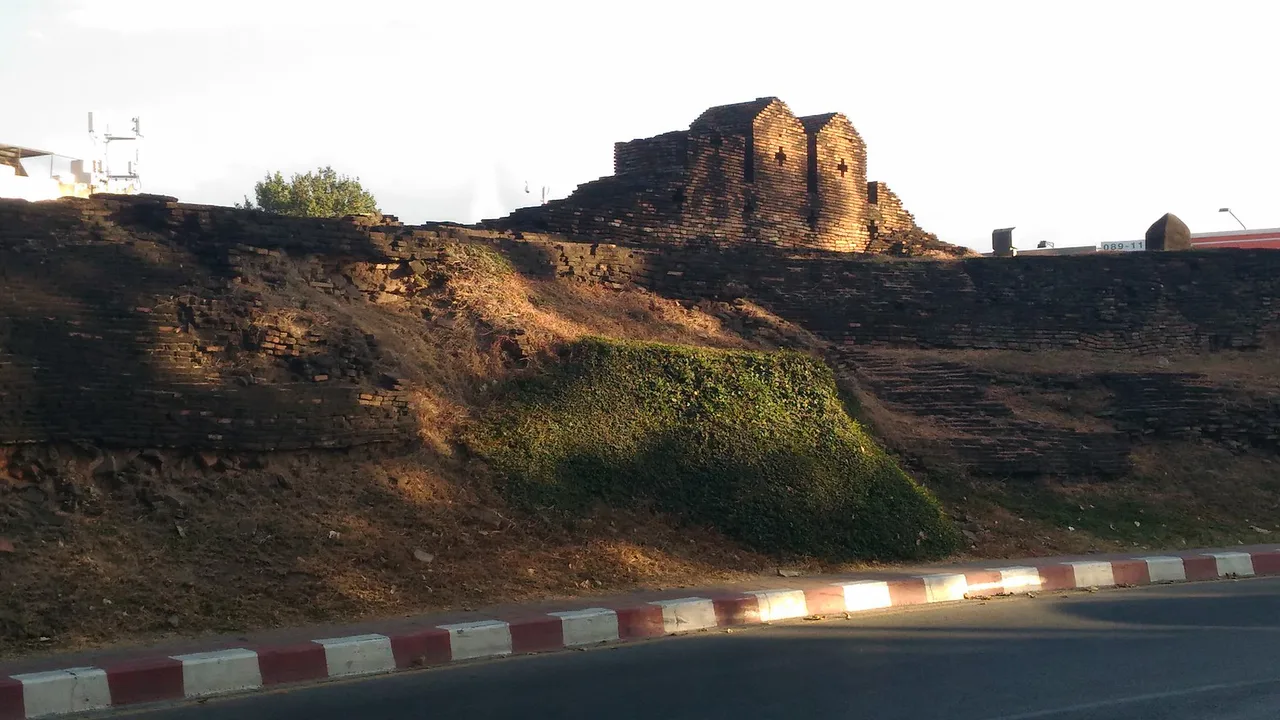
Tha Phae Gate on the east side is the natural reference point: it is the only one of the original five gates to be fully rebuilt, reconstructed in the 1980s from old photographs and drawings, and its authenticity is still debated. The rest of the wall is largely gone apart from the four corner ramparts, so do not expect a continuous rampart walk. Use the gate and the moat road as your compass, and everything else follows.
Inside the moat, the street grid is irregular and several lanes dead-end at temple walls, so a map app is more useful than a memorized route. Walking is the default for almost every crossing of the district; tuk-tuks and Grab cars make sense for hops to the river or the train station rather than for getting from one temple to the next.
A walking route from Tha Phae Gate
Start at Tha Phae Gate and walk north along the moat until you reach Sompet Market near the northeast corner, one of several fresh markets inside the walls. Take the small lane at the center of the market, pass behind Wat Laem Chang, and you arrive at Wat Chiang Man, the oldest temple in the city, dating back to the founding of Chiang Mai in 1296.
From Wat Chiang Man, exit the south side and turn right to reach Prapokklao Road just inside Chang Puak Gate. Heading south takes you past the old provincial hall, now the Chiang Mai City Art & Cultural Center, and the Three Kings Monument, which commemorates King Mengrai and his two allies credited with laying out the city. The monument square sits in front of that hall.
Continue south on Prapokklao Road to reach Wat Pan Tao, a small temple with an elegant wooden wiharn built in the late fourteenth century, and its much larger neighbor Wat Chedi Luang. From there, backtrack to Ratchadamnoen Road and turn left; the street dead-ends at Wat Phra Singh. The whole loop is walkable in an afternoon at an unhurried pace, with café stops.
The temples worth your time inside the walls
Wat Phra Singh is the one to prioritize if you see only one. It dates to the fourteenth century, is widely treated as a fine example of Lanna-style architecture, and its main chedi carries elephant figures on each face. The temple grounds are free to enter apart from the main viharn, which is where any ticket applies.
Wat Chedi Luang is the other essential stop, known for its massive ruined chedi, begun in 1391 and finished nearly a century later. An earthquake in 1545 brought much of it down, and the Emerald Buddha was once housed here before it moved to Bangkok. The shattered brick mass is more striking than a polished golden stupa, and it is still an active place of worship. Wat Phra Singh, which is free apart from the main viharn, and Wat Chedi Luang both operate on set daily hours rather than a single all-day opening, so check the times before you set out.
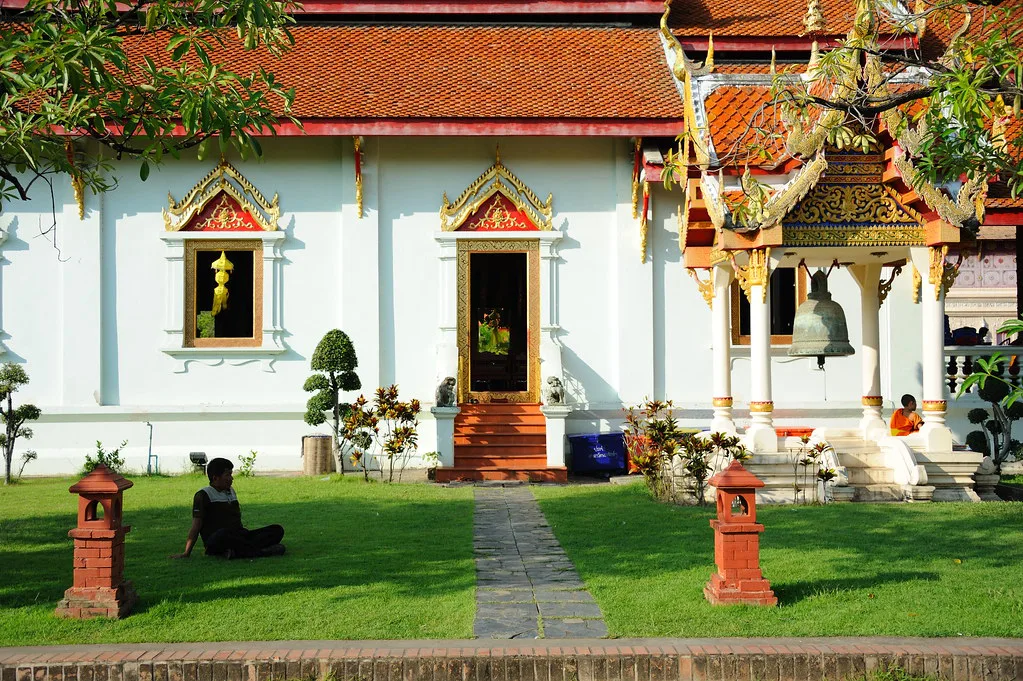
Wat Chiang Man earns its stop on age rather than scale: it is the city's first temple and holds two venerated Buddha images. Expect modest buildings and few crowds compared with Wat Phra Singh. Beyond these three, treat additional wats as optional rather than a checklist.
Beyond the walls: Wat Umong and Doi Suthep
Wat Umong Suan Phutthatham sits in forest just outside the city and is worth the trip for its underground tunnels, narrow walkways that end at a Buddha statue in each passage. It was established in 1297 and feels far removed from the busy center. A tuk-tuk or Grab is the practical way to get there; agree on the fare or check the app price before you set out.
For a half-day outing, follow Route 1004 up toward Wat Phra That Doi Suthep, one of Thailand's most sacred temples, reached by a long staircase and rewarded with views over the city. The drive is about 27 kilometers and scenic in its own right. Hiring a driver for the round trip is simpler than piecing together public transport, and you can ask to stop at Bhubing Palace on the way.
Closer in, Wat Lok Molee sits just outside the northern moat and takes only a few minutes to see, making it an easy add-on to a walk along Chang Puak Gate. Check current details at your guesthouse for any temple you plan around, since individual sites adjust access without much notice.

Markets: day stalls and the weekend walking streets
Sompet Market near the northeast corner is the everyday option, a fresh market serving locals with produce and cooked food rather than souvenirs. Go in the morning for the fullest stalls. This is the market to build into a walking route rather than a destination in itself.
The weekend walking streets are the big draw. Wualai Road, which starts just southwest of Chiang Mai Gate, closes to traffic and fills with vendors every Saturday from 5 p.m., in a lane that was once the center of the city's silversmiths. Ratchadamnoen Road, running from Tha Phae Gate, opens around noon on Sundays and expands through the late afternoon into an open-air food court.
Across the moat to the east, the Night Bazaar runs nightly and sells clothing, souvenirs and crafts at prices you can negotiate. If you want better-quality handicrafts, the Saturday and Sunday walking streets are the better bet. Our Chiang Mai Night Bazaar guide covers the layout and food stalls on Chang Khlan Road.
Where to stay: inside the moat or across it
Inside the walls you will find well over a hundred small hotels and guesthouses, mostly budget to mid-range, with few large resorts. That density means you can usually find a room on short notice, though the best places fill in the cool season. Book a place within a few lanes of the moat if you want to walk everywhere.
One option that illustrates the inside-the-moat experience is Amata Lanna Juangmuang, a small boutique property in the historic center that the same reviewer paired with its riverside sibling. Expect Northern Thai styling and a quiet retreat atmosphere rather than river views. Check current rates and availability directly with the hotel.
Across the moat, Chiang Mai's Riverside area has a livelier feel, with international restaurants, live music and the night markets clustered near the Ping River. The trade-off is concrete: from a riverside hotel such as Amata Lanna you can walk to the Night Bazaar and Anusarn Night Market within about ten minutes, and the hotel lends bicycles free to guests, but Tha Phae Gate and Wat Chedi Luang are roughly 1.5 to 2 kilometers away.
Eating and drinking in the district
Cafés are everywhere inside the moat, and many pour locally grown Chiang Mai coffee, which makes a mid-walk break easy to justify. Street food and small local restaurants sit alongside them, so you can eat cheaply at lunch and splash out at dinner without leaving the district. Look for stalls busy with Thai families rather than printed menus in five languages.
For an evening drink, North Gate Jazz Co-Op near Chang Puak Gate on the north side of the moat is the established live-jazz spot, usually with two bands a night. Arrive early if you want a seat; the room fills up as the night goes on.
North of the moat, Santitham is another option for eating, with more everyday neighborhood restaurants and lower prices than the tourist-facing lanes. It is a short ride from the Old City and worth knowing if you are staying a week or more.
Who the Old City suits, and who it doesn't
The district suits walkers, temple-goers and slow travelers who want to step out of a guesthouse into narrow lanes and reach a market on foot. It also suits anyone using Chiang Mai as a base for day trips, since the moat road makes a simple pickup and drop-off reference for drivers. If you want a pool, river views or a resort feel, stay elsewhere and visit.
It is less ideal for anyone with limited mobility or a dislike of heat: the walking is the point, and there are few shaded through-routes between sights. Travelers who want nightlife on the doorstep will prefer the Riverside or Nimman areas. Neither is wrong; the choice just sets the shape of your days.
How long you need
Give the Old City a half day for the core temples, walkable as a single loop from Tha Phae Gate via Wat Chiang Man, the Three Kings Monument, Wat Pan Tao, Wat Chedi Luang and Wat Phra Singh. Add an evening if your dates include a Saturday or Sunday, and the walking street becomes the main event of the day.
With a full day, you can walk the temples in the morning, rest through the hottest hours, and return for the market in the evening. Two or three nights makes sense if you also want a Doi Suthep morning and an afternoon at Wat Umong without rushing. Staying longer mostly means slower mornings and more café time.
Is the Old City the right base for your Chiang Mai trip?
Choose the Old City if you want to walk to temples and markets, eat well for modest money, and sleep in a small guesthouse rather than a resort. Choose Riverside if river views, live music and the Night Bazaar matter more, and accept the kilometer or two to the gates. If you are still deciding, our guide to Chiang Mai Attractions: 10 Visitor Guides helps you see how each area fits the sights you care about.
Explore more Chiang Mai guides
Frequently Asked Questions
Is Chiang Mai Old Town worth visiting?
Yes, for most first-time visitors. It concentrates the city's best-known temples, the weekend walking streets and a dense choice of small guesthouses into a walkable square, so you can see a lot without arranging transport. If you only have a day in Chiang Mai, spend it here and add Doi Suthep if time allows.
Why is Chiang Mai famous?
It was the capital of the Lanna Kingdom for centuries, which explains the density of temples and the remaining moat and gate layout. Today it is known as a slower, cheaper alternative to Bangkok, popular with long-stay travelers, and as a base for the mountains of the north.
Do I need a car in the Old City?
No. Walking covers nearly everything inside the moat, and tuk-tuks or ride-hailing apps handle trips to the river, the train station or outlying temples such as Wat Umong. A car is more trouble than it is worth for getting between sights in the center.
Sources
- The old city of Chiang Mai - what to do? - best of Thailand w/ Sweettravelbee
- Chiang Mai's Old City vs. Riverside with Secret Retreats - Explore Shaw
- Old City | Thailand For Visitors
- Go Temple Hopping in Chiang Mai Old City, Thailand | Will Fly for Food
- Cultural heritage of Chiangmai’s old town | THEE VIJIT