
Doi Suthep: How to Visit Wat Phra That Doi Suthep in Chiang Mai

Doi Suthep is worth half a day, not a full one. The temple itself, officially Wat Phra That Doi Suthep, is a compact mountaintop site above Chiang Mai; the trip is really the drive up, the dragon-flanked staircase and the view back over the city. This page covers where the temple sits, how to reach it, what you actually see inside and how to time the return.
Doi Suthep at a glance: temple, mountain, national park
Two names get tangled here. Doi Suthep is the mountain west of Chiang Mai, and Wat Phra That Doi Suthep is the temple near its summit. Travelers and drivers usually just say "Doi Suthep" for the temple, so repeat the full name if a driver looks unsure.
The temple is the most-visited attraction inside Doi Suthep-Pui National Park, which spreads across roughly 265 square kilometers and takes in the peaks of Doi Suthep and Doi Pui. That means you are entering park land, not just a city temple, and the road climbs through forest to get there.
Guidebooks push it hard, and that shapes expectations. Bloggers who visited admit the photos looked neither grand nor architecturally unusual next to the temples inside the old city, yet went anyway because of its cultural weight for local Thais. Treat it as a place of pilgrimage with a view, not a photogenic ruin.
Where it sits: 10 km northwest of the city
The temple sits on the mountain just outside Chiang Mai, roughly 10 km from the city and its walled Old City center. The national park entrance area and the temple are northwest of town, reached by a modern mountain road built in 1935; before that, pilgrims walked up.
Chiang Mai itself is about 700 km north of Bangkok and was the capital of the Lanna kingdom before Siam absorbed the region. That history is the reason a mountain hermitage became one of the north's most important shrines, so the location is part of the story rather than an inconvenience.
How to get there: songthaew, Grab, scooter or hired car
The shared red songthaews are the default for most visitors without wheels. Flag one on the street, say "Doi Suthep" clearly, and agree the fare before you board. One blogger negotiated ฿100 per person one way, more than the fare they had read about, and chose not to push for the last ฿25; treat any figure you hear as a negotiated rate, not a published tariff.
Expect the hand-off. The same blogger was moved out of one songthaew into another partway up so drivers could pool passengers heading the same way, with no explanation of how payment would work. It is normal coordination, not a scam, but keep your fare agreement in mind if you switch vehicles.
Grab works in Chiang Mai and is easier to price, though availability up the mountain can be thinner on the return leg. A rented scooter gives you the most freedom, but the road is a steady climb with switchbacks; the blogger's rental shop classified bikes by whether they could make it up to Doi Suthep. A private car or taxi tour is the low-effort option if you would rather not negotiate at all.
Allow roughly 30 minutes for the drive itself once you are moving, per one account of the switchback road, and longer on busy weekend mornings. A separate blogger driving from the old town on a Saturday took about an hour in traffic, so build in slack if your day is tight.
The Naga staircase: what the climb is like
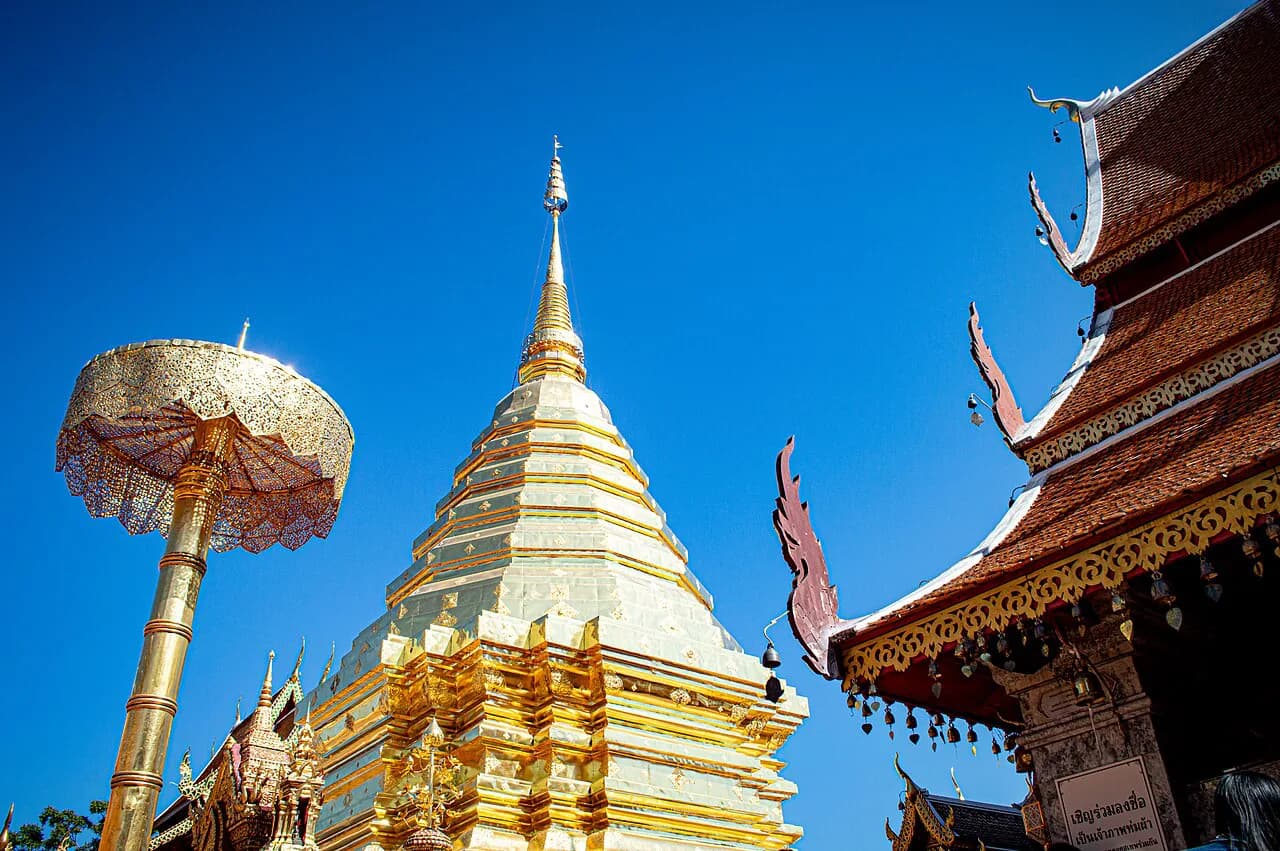
From the parking area, the route up is a long staircase flanked by mosaic-tiled Naga serpents, the guardian figures you see at many northern temples. Bloggers describe it as a hefty, seemingly endless climb, impressive for the tilework but genuinely tiring in heat.
Take the steps slowly and in the morning if you can, since the staircase is exposed and the exertion adds up. If stairs are a problem, ask on arrival about the lift or funicular alternative before committing to the climb; operators change these facilities, so confirm on site rather than trusting an old guidebook.
Inside the grounds: the golden chedi, bronze statues and the view
The centerpiece is the gilded chedi, the stupa that gives the temple its full name, Phra That. Around it, bronze statues catch the midday sun and monks bless worshippers who come to pray, which is why the site feels active rather than museum-like.
The reward beyond the chedi is the outlook. One blogger went primarily for the sweeping view over central Chiang Mai and found the temple itself smaller and bolder than expected, so budget time for the terrace as well as the shrine.
If you want more Chiang Mai temple context after this, Wat Phra Singh in the old city and Wat Umong on Suthep Road offer entirely different atmospheres, one polished and central, the other forested and quiet.
How long to allow: temple time versus total round trip
The temple itself takes about an hour at an unhurried pace: the staircase, the chedi courtyard, the statues and the viewpoint. Add 30 to 60 minutes for the drive each way, and you have a realistic half-day from the Old City.
If you stop at Bhubing Palace or a viewpoint on the way down, add extra time rather than an hour committed in advance, since palace hours vary. One blogger who drove stopped at a roadside viewpoint mid-descent for panoramic shots of the city, a cheap addition to the same trip.

Tickets and hours: what is published and what is not
A blogger visiting in the mid-2010s reported foreign visitors paying a modest entry fee in baht while Thais entered free, but that figure is old and should not be treated as the current price. Check the fee at the ticket window on arrival, in cash, or confirm ahead through the temple's own channels.
The temple keeps long daytime hours, but precise opening and closing times are not consistently published and can shift around religious observances. Rather than rely on a guidebook or blog, check the temple's own official site or ask your hotel the day before you go.
Because the temple sits inside a national park, park rules and any separate park charges apply to the surrounding area. Park information pages publish their own entrance conditions, so read those if you plan to continue beyond the temple.
Nearby stops that pair with the temple
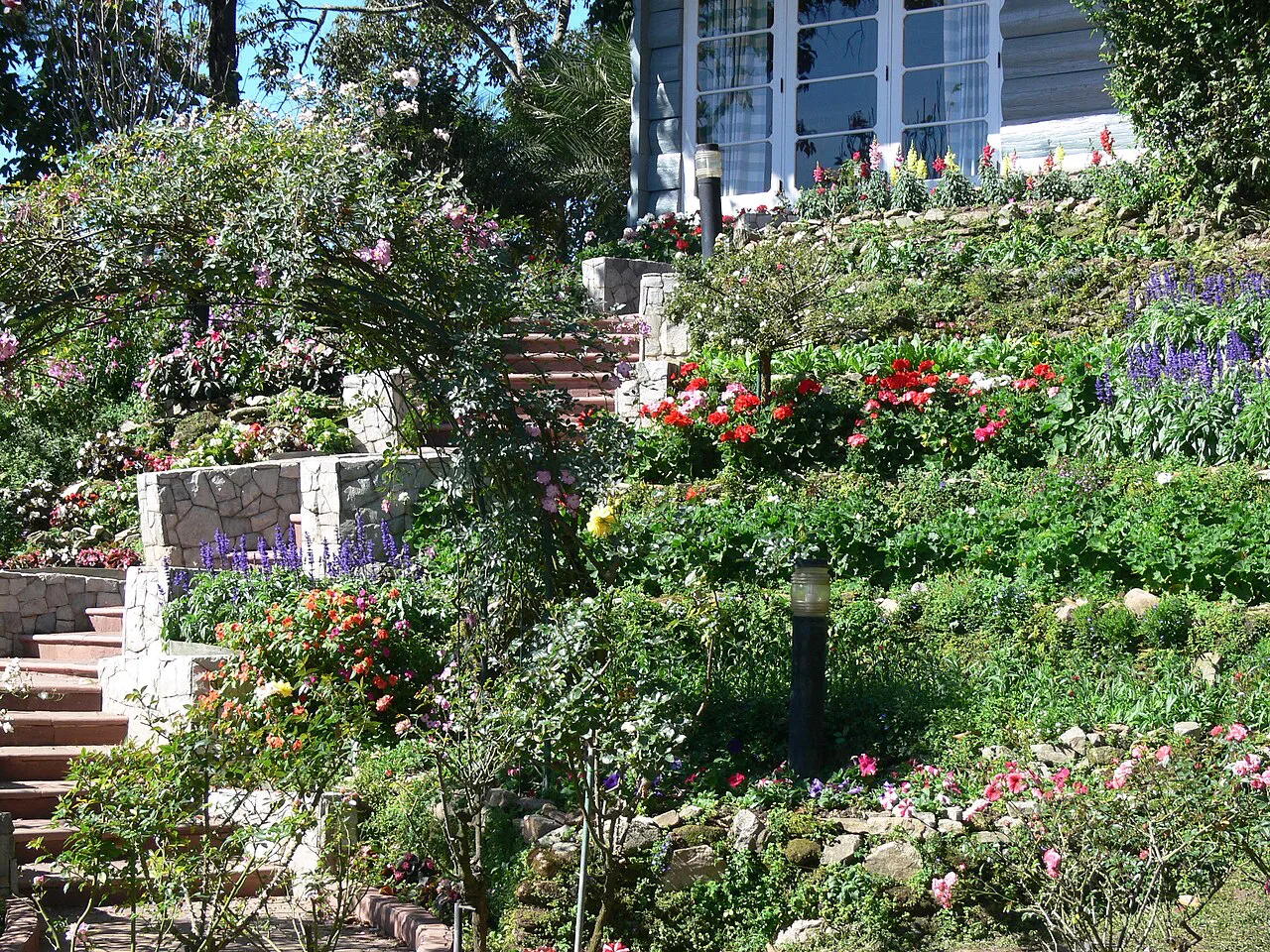
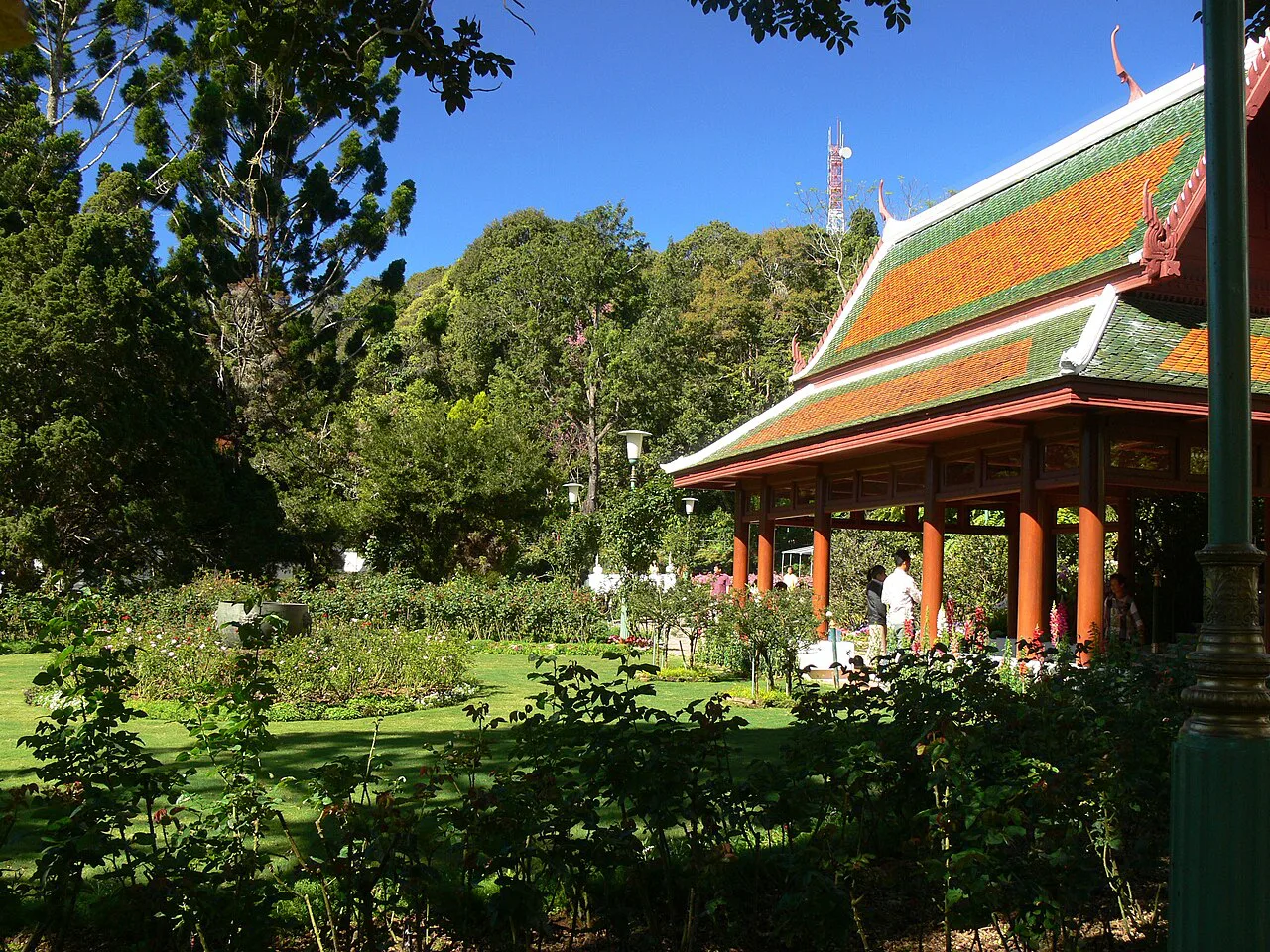
Bhubing Palace, the royal winter residence further up the same road, is the most common add-on. One blogger paid 30 baht per person for the palace gardens in an earlier era and found the gates closing mid-afternoon, so check current hours and ticket prices before building your day around it.
Huay Kaew Waterfall sits lower on the same mountain road and is often mentioned as a natural complement to the temple visit. It is a brief stop, not a destination in itself, so treat it as padding for the drive rather than a reason to extend the day.

Who should go, and who can skip it
Go if you want the north's best-known pilgrimage site and a view over the city from a single stop. Skip it if you have already seen several Chiang Mai temples and your remaining time is short, or if stairs and heat are a real obstacle; the compact grounds will not reward a strenuous trip.
Travelers who want Lanna history without the climb can spend the same hours at Wat Chedi Luang in the center or Wat Lok Moli on the north moat, both easier to reach on foot or by short ride.
Getting back down: songthaews, timing and a final viewpoint
Return songthaews wait near the temple entrance and fill up before departing, so accept a short wait at peak times. Agree the destination, such as Tha Phae Gate in the old city, before you sit down to avoid a detour.
If you came by hired car or Grab, arrange the return in advance or expect a longer wait for a pickup. Leaving before late afternoon also avoids the worst of the descent traffic on busy days.
Is Doi Suthep worth the half-day?
Yes, if you accept it on its own terms: a small shrine with outsized cultural weight, reached by a staircase and a mountain road that together take as long as the visit. Budget a half-day, go early, and confirm fees and hours on arrival rather than trusting a decade-old blog figure.
If the stairs and the songthaew negotiation sound like more effort than the payoff, the temples inside the old city give you a simpler morning. If you go, the view from the terrace is the part most visitors remember.
Explore more Chiang Mai guides
Frequently Asked Questions
How do I get to Wat Phra That Doi Suthep from Chiang Mai?
Most visitors take a red songthaew from the city, agreeing the fare before boarding. Grab and private cars are alternatives, and rental scooters work if you are comfortable on a winding mountain road. Allow around 30 minutes of driving each way, longer on busy weekend mornings.
How many steps are there to the temple?
Sources describe a long Naga-flanked staircase rather than a precise count. Treat it as a real climb of several minutes, and ask on site about the lift alternative if stairs are difficult.
Do I need to cover shoulders and knees?
As at other active Thai temples, modest dress is expected, and you should check the posted rule at the entrance. Bring a light layer to cover shoulders and knees rather than relying on loan clothing.
Can I combine Doi Suthep with Bhubing Palace?
Yes, Bhubing Palace is further up the same road and is the usual add-on. Its opening days and ticket rules change with the royal calendar, so confirm before you go rather than relying on an old guidebook.