
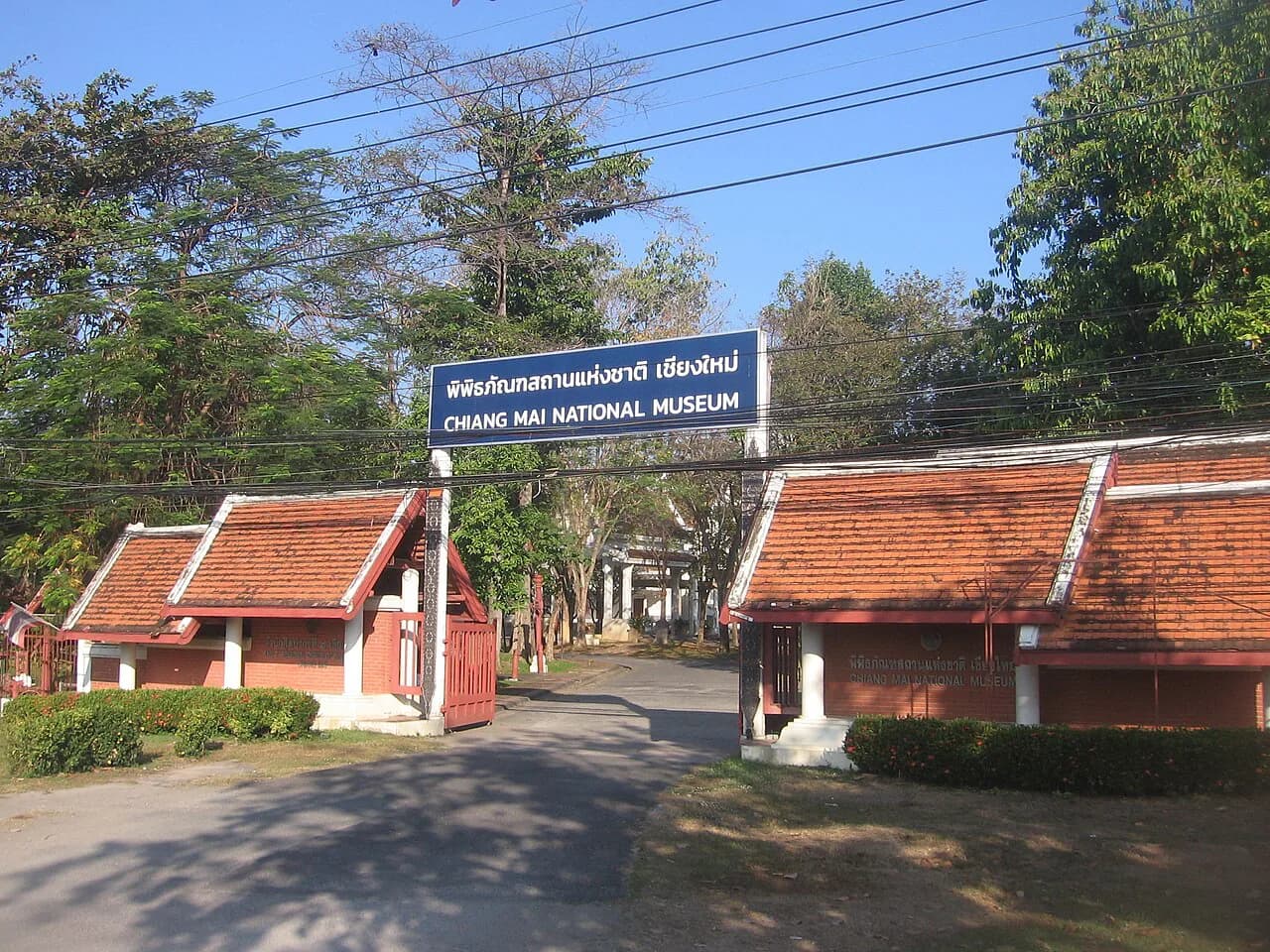
Chiang Mai National Museum: A Practical Visitor Guide

Allow one to two hours at the Chiang Mai National Museum, and treat it as a ride out of the Old City rather than a stop on a temple walk: it sits on the Superhighway beside Wat Chet Yot in Chang Phueak District. The collection runs from northern Thailand's prehistory through the Lanna era, with kilns, jewellery, Buddha images, weapons and farming equipment, and at least one description places the Lanna crafts upstairs. Opening days are reported inconsistently, so confirm before you ride out. This guide covers where it is, how to reach it, what to look at and how it compares with the culture museums inside the moat.
What the museum actually is
This is a national museum devoted to northern Thai history and Lanna art, not a city museum and not a shrine. Displays trace the region from prehistory to the present, with ancient jewellery, ceramics and kilns from the 14th century, Buddha images, period weapons and old farming equipment, plus a photograph exhibit upstairs. Think of it as the background reading for every temple you will visit in Chiang Mai, and you will get more out of the carved details and Buddha styles afterward.
The building is often described as two floors with Lanna crafts concentrated on the upper level, alongside the photo display and agricultural tools. Another account describes ten separate rooms walked in a set order, entered in small groups, with one room given over to personal photographs of the city through floods, earthquakes and daily life. Layout descriptions vary between accounts, so treat any fixed route as a rough expectation rather than a promise.
Where it sits and how to get there
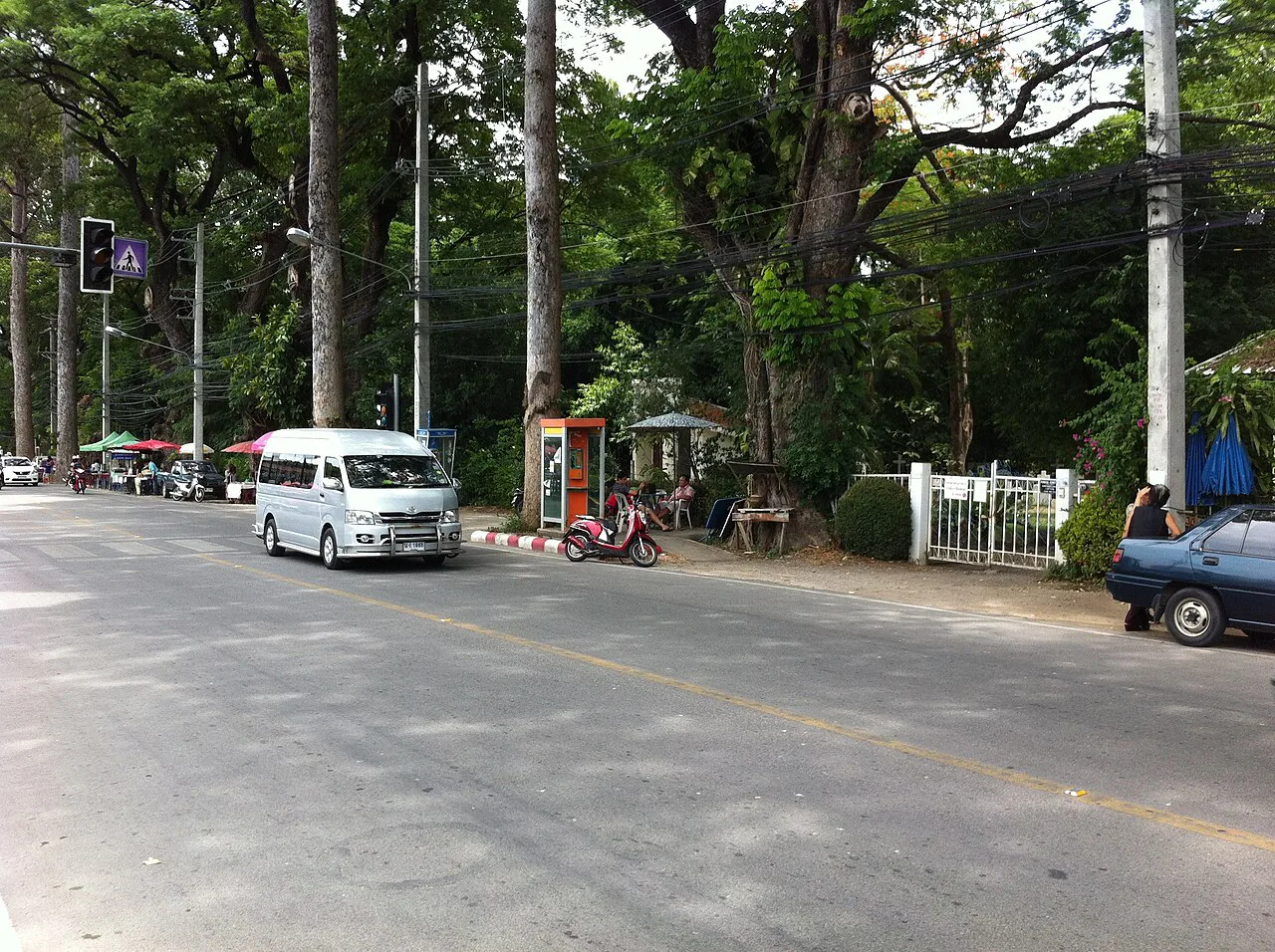
The museum stands on the Superhighway, the Chiang Mai–Lampang road, next to Wat Chet Yot in Chang Phueak District, north of the Old City and well outside the moat. That location is the key planning fact: you cannot fold it into a walk between Tha Phae Gate and the Old City temples, and you should not try. Build it as its own short outing with one temple attached.
From the Old City or Nimmanhaemin, a Grab car or a tuk-tuk is the straightforward choice, and the ride is short enough that you will spend more time inside than in transit. A songthaew running along the Superhighway can work if you know the route and are comfortable flagging one down. One directory lists a tuk-tuk fare of roughly 30 to 40 baht from the city centre, but that figure reads as a dated listing rather than a current quote, so confirm the fare before you get in.
If you are building a wider temple itinerary around the city, our Chiang Mai Attractions: 10 Visitor Guides covers the individual sites and how each one fits a day. The practical point for this museum is simply to book transport both ways rather than assume you will find a ride waiting at the gate on the Superhighway.
What to see inside
Start with the prehistoric and early material, then move into the Lanna sections where the collection gets its character. Look for the 14th-century kilns and ceramics, the ancient jewellery, and the weapons, which together say more about daily and courtly life in the north than any single Buddha image can. The Buddha images are the other thread: watch how faces, robes and pedestals change across the rooms rather than treating each figure as a standalone artwork.
The upper floor carries the Lanna crafts, old farming equipment and a well-regarded photographic exhibit that is often singled out as the most memorable part of the visit. If you have limited patience for vitrines, spend your time here. The museum's own floor plan, labels and any temporary displays are the authority on what is on show when you arrive, so check the room layout at the entrance desk rather than relying on any published order.
Signage is generally in Thai and English, though staff English can be limited, so read the panels. A third-party operator sells a small-group guided tour that includes admission and a local guide who walks you through northern Thai history, Buddhist art styles and the region's ethnic groups; that is a commercial product rather than museum policy, so book it through the seller and confirm the meeting point and language yourself.
How much time to allow
One to two hours is the realistic range. Budget the shorter end if you move briskly through ceramics and jewellery and linger only upstairs; take the longer end if you read panels, study the Buddha image sequence and sit with the photo exhibit. Because the museum is a single building with two floors, there is no sprawl to absorb and no risk of underestimating a large outdoor site.
Add Wat Chet Yot next door, which turns a museum stop into a half-day rather than a quick detour. Do the temple first if the day is hot and the museum second, since the air-conditioned galleries make a better finish than a start. Either way, one ride covers both and you are not paying for transport twice.
Hours and tickets: what to confirm
Sources disagree on opening days. One directory lists the museum open daily from 9:00 to 16:00 and closed on Songkran Day and New Year, while a museum roundup lists Wednesday to Sunday, 9:00 to 16:00, closed Monday and Tuesday. That is a real conflict, not a rounding difference, so check the day before you go instead of assuming a daily opening.
Admission figures are just as inconsistent. One listing gives 10 baht for Thais and 30 baht for foreigners with students free; another suggests around 100 baht for adults; a user post states 550 baht for adults and 330 baht for seniors including a drink from the on-site café, which may describe a different museum or a tour package rather than the National Museum's own ticket. Treat the high figure with suspicion and confirm the price at the ticket window or via the museum's own channels.
Bring small notes in baht so a modest cash ticket is not a problem, and do not build a plan around a café, gift shop or audio guide, since none of that is confirmed in the museum information available here. If a café matters to your day, ask at the entrance before you pay.

National museum or the Old City culture museums?
The trade-off is convenience against depth. The Chiang Mai City Arts & Cultural Center and the Lanna Folklife Museum sit on Prapokklao Road inside the Old City, so they slot into a walking day among the temples near Wat Phra Singh, Chiang Mai. The National Museum gives you a broader national collection and the kilns, jewellery and photo exhibit, but costs you a ride each way and a less walkable setting.
Choose the National Museum if you want the long view of northern Thailand and Buddhist art and you are willing to travel for it. Skip it if your trip is short, your interest in ceramics and dynastic history is casual, or you are already spending your culture hours at the Old City museums and the major temples. For contemporary art instead, MAIIAM Contemporary Art Museum is a separate drive east of the city and a different kind of outing entirely.

What pairs well with the same trip
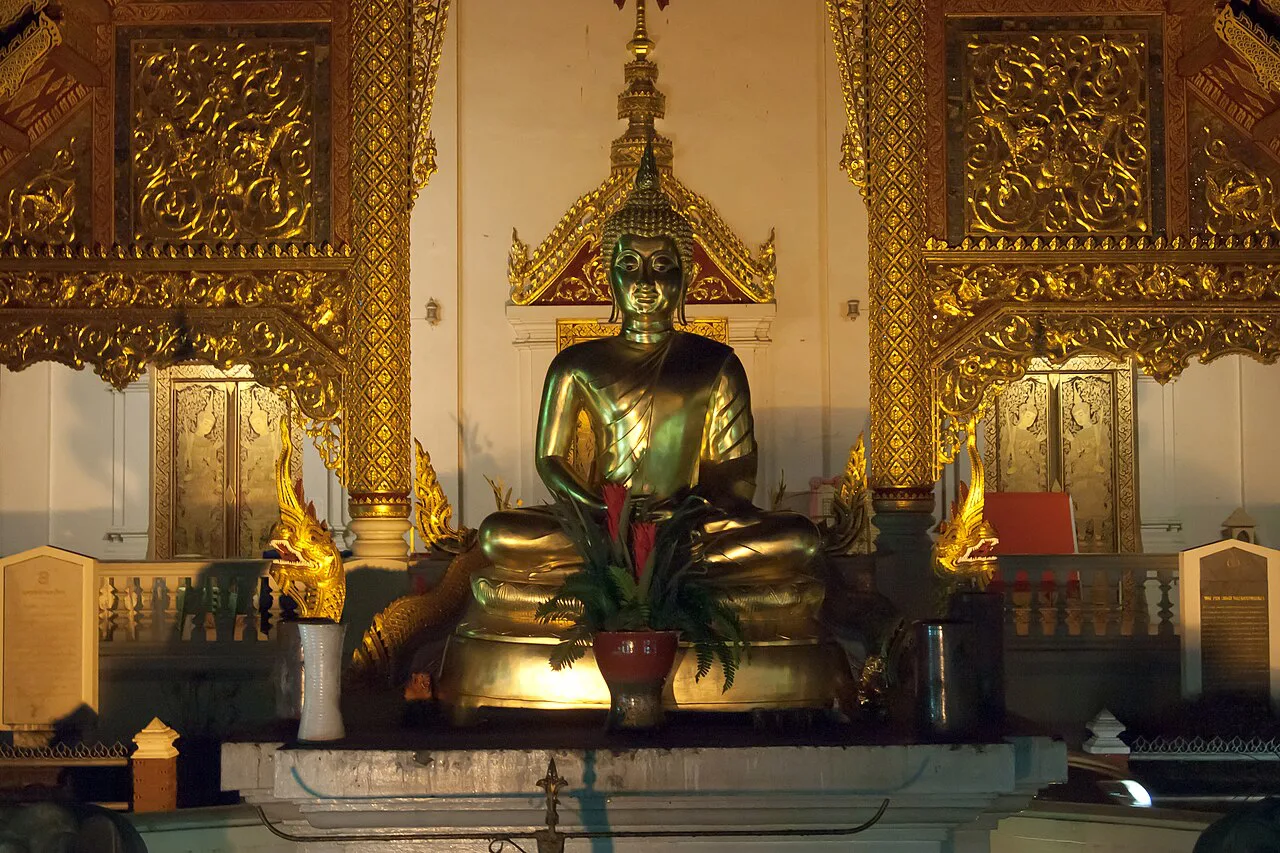
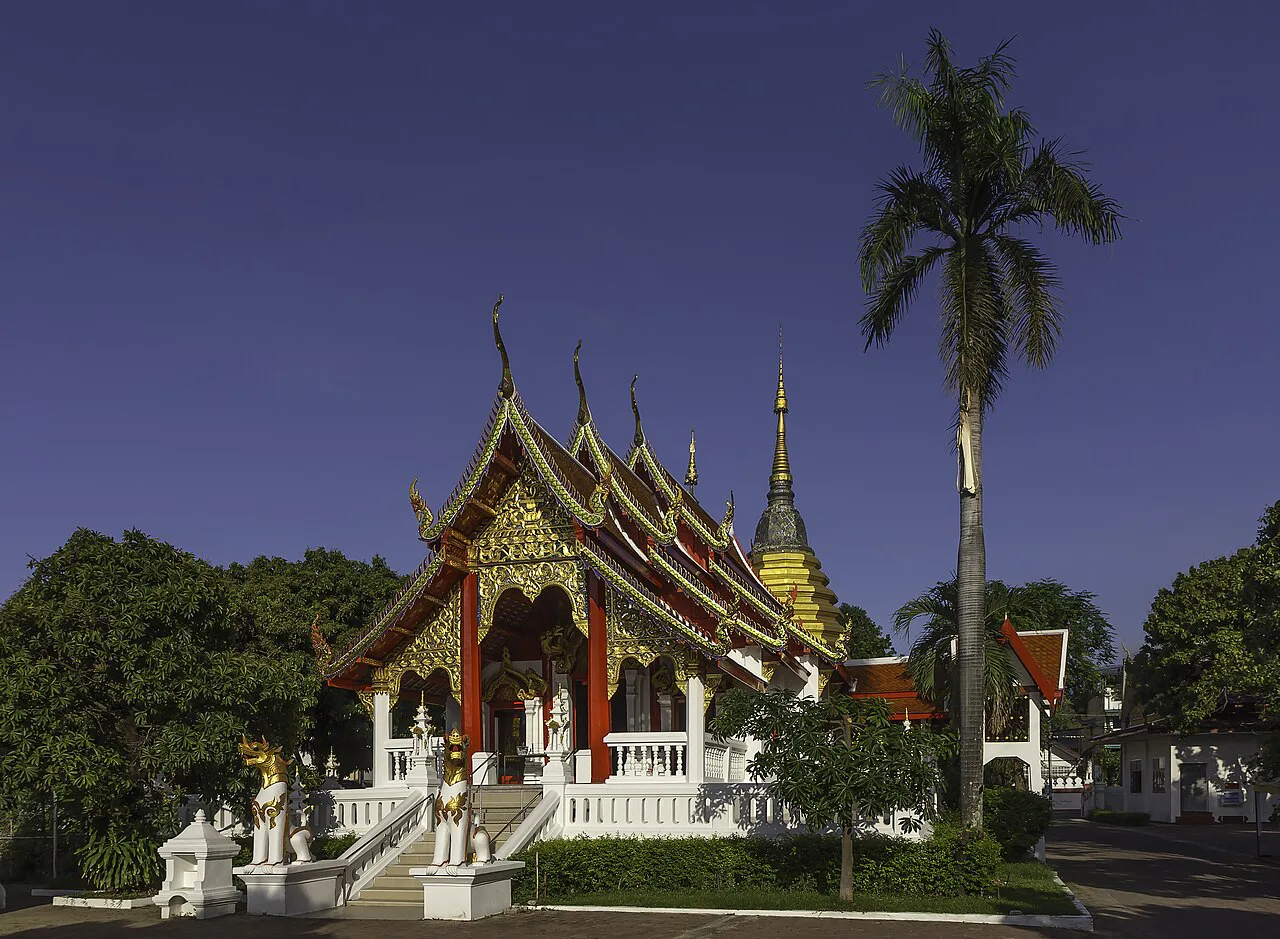
Wat Chet Yot is the obvious partner: it shares the Superhighway address, so you step out of the museum and into the temple grounds without another ride. Do not skip it on the assumption that you will come back; the whole point of coming this far north is that the two sites sit together.
If you want a longer loop, Wat Umong (The Tunnel Temple) in Chiang Mai is on the same side of town and pairs naturally with a Superhighway run. In the other direction, Wat Suan Dok on Suthep Road works as a stop on the way back toward the Old City, and Doi Suthep (Wat Phra That Doi Suthep) is the bigger half-day commitment you should not bolt onto the same morning.
Keep the museum as the anchor and pick one temple, not three. Transport on the Superhighway eats time, and a museum that rewards reading deserves a fresher eye than the end of a rushed temple crawl.

Is the Chiang Mai National Museum worth the ride?
Yes, if you want the historical frame for everything else you will see in the north, and no if you are squeezing culture into a single Old City morning. The kilns, jewellery, weapons and Buddha image sequence give context that the temples alone cannot, and the photographic exhibit is the part most visitors remember. Budget one to two hours, ride out with a plan for the return, and check the opening day and ticket price before you leave your hotel since sources disagree on both.
Pair it with Wat Chet Yot next door and you have a tidy half-day for one transport cost. If you would rather stay inside the moat, the Old City museums and temples are the better use of a short visit.
Explore more Chiang Mai guides
Frequently Asked Questions
Can you walk to the Chiang Mai National Museum from the Old City?
Not practically. The museum is on the Superhighway next to Wat Chet Yot in Chang Phueak District, north of the moat, so plan on a Grab car, tuk-tuk or songthaew in each direction and arrange the return rather than assuming one will be waiting.
Does a ticket include a guided tour or a drink?
Nothing in the museum's published information confirms a guided tour, audio guide or included drink. A third-party seller offers a small-group tour that bundles admission and a local guide, and one user post mentions a drink with a much higher ticket price, but that may describe a different museum or a package, so ask at the ticket window.
Is the museum air-conditioned?
Accounts describe indoor galleries across two floors, and visitors commonly treat it as a cooler break from temple-hopping. Conditions inside individual rooms are not published, so treat it as an indoor stop rather than a guaranteed escape from the heat.