
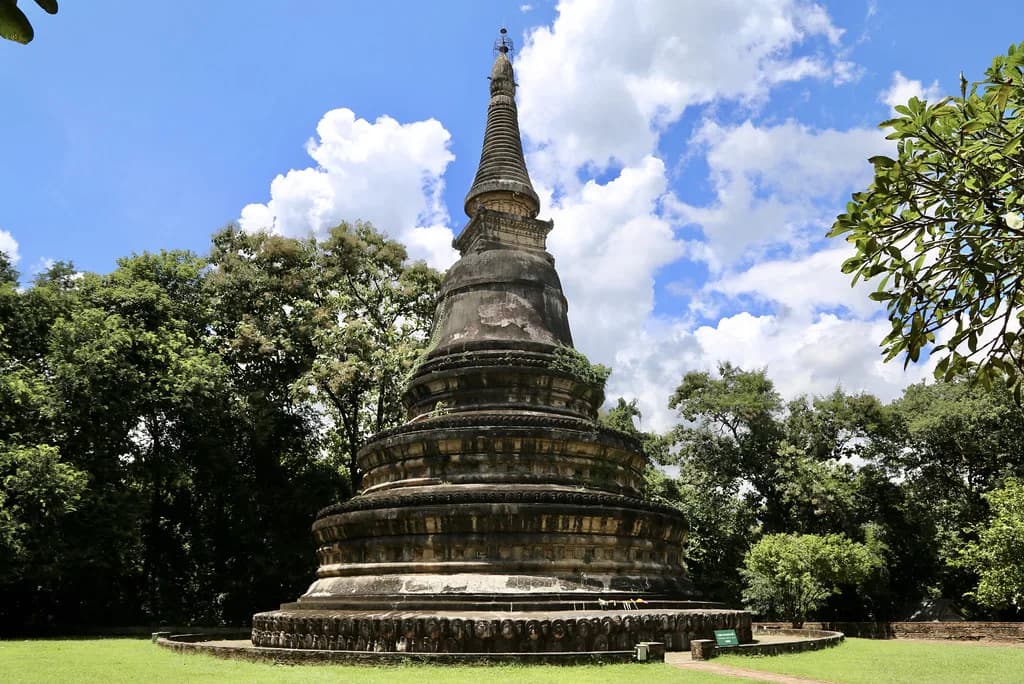
Wat Umong (The Tunnel Temple) in Chiang Mai: What to See and How Long to Allow
Wat Umong is worth roughly two hours if you want the tunnels, the chedi above them, and a slow loop past the pond, and it is the rare Chiang Mai temple where the atmosphere rather than gold and glass does the work. It is a forest monastery at the foot of Doi Suthep, nicknamed the Tunnel Temple for the low brick passages dug beneath its stupa. This guide covers where it sits, how to reach it, what to look for inside the grounds, and what to expect if you are weighing it against the Old City temples.
One thing to settle before you go: Wat Umong Suan Phutthatham, the forest temple west of town, is a different place from Wat Umong Maha Thera Chan, which sits inside the old city. Search results and ride-hailing pins mix them up, so confirm your destination is the Suthep Subdistrict address before you book a car.
What Wat Umong actually is
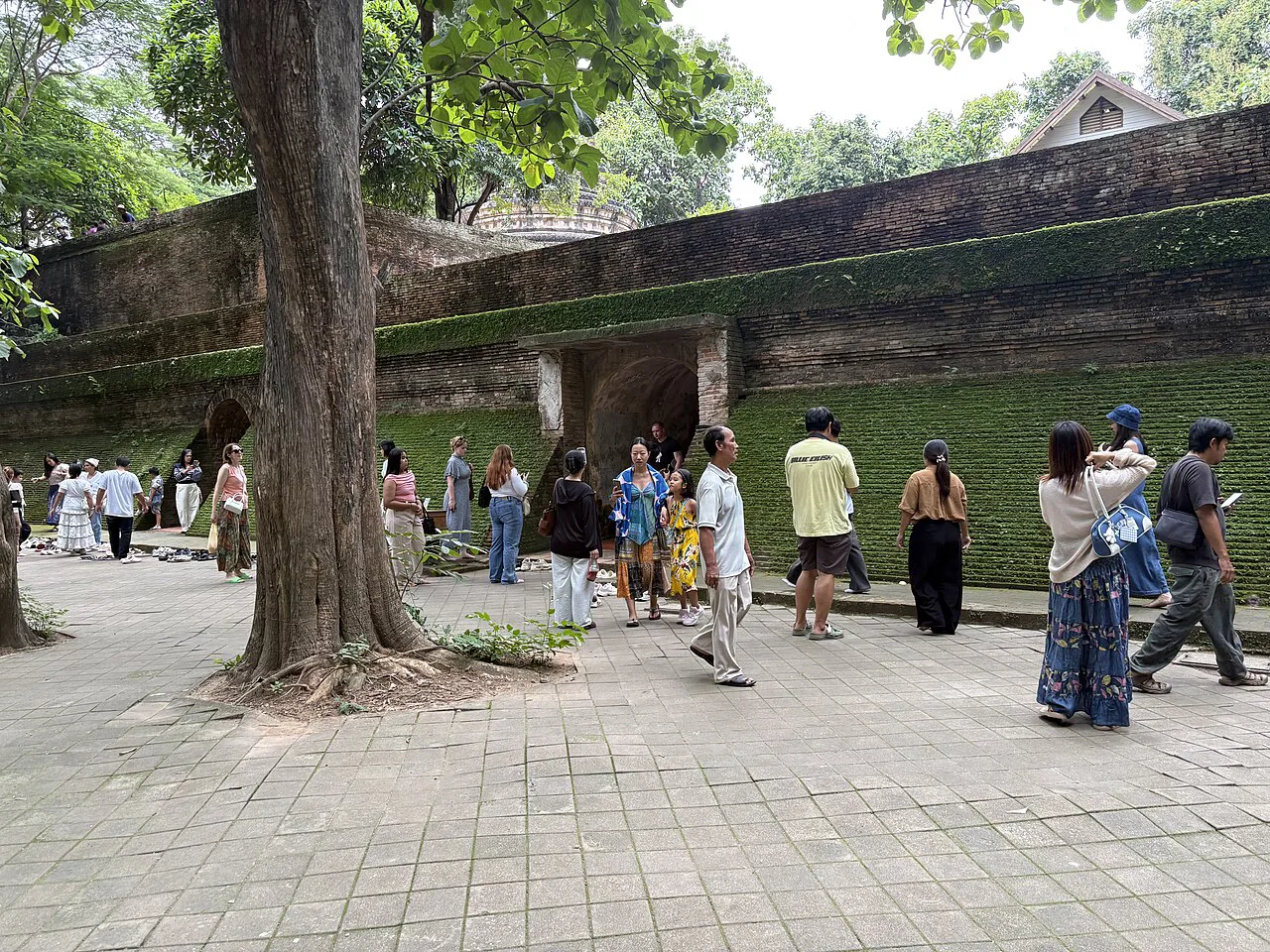
Wat Umong Suan Phutthatham is a working forest monastery, not a museum piece: monks live and practice here, and the grounds double as a meditation center. Its age is usually given as roughly 700 years, dating to the 13th or 14th century, though published accounts disagree on the founder and the exact year, so treat any single date with suspicion. What matters for a visit is the layout, which is compact and green rather than monumental.
The nickname Tunnel Temple is literal: Umong means tunnel in Thai, and the passages cut into the hillside are the reason people come. The site spreads across wooded ground west of the city, with the chedi crowning the tunnels and a lake-and-pond area below. If you are expecting the gilded, crowded set pieces of the city center, recalibrate.
Where it sits and how to get there
The address is 135 Moo 10, Suthep Subdistrict, Mueang Chiang Mai District, about 4 kilometers from the city center on the road that climbs toward the mountain. That short distance is deceptive in traffic; budget more time than the map suggests, especially late morning.
Practical options are a red songthaew from the old city, your own motorbike or car with parking at the site, or a Grab. A rideshare is the least fiddly if you do not know the songthaew routes; if you ride, the approach runs through Suthep Road neighborhoods and takes about fifteen minutes from the city side.
Wat Umong sits on the forested western edge of Chiang Mai toward Doi Suthep, and a common pairing is to climb higher up the mountain afterward to Doi Suthep (Wat Phra That Doi Suthep): Chiang Mai Temple Guide. Just check the return leg first, since songthaews thin out as the day goes on and a Grab back from the mountain can take a while.
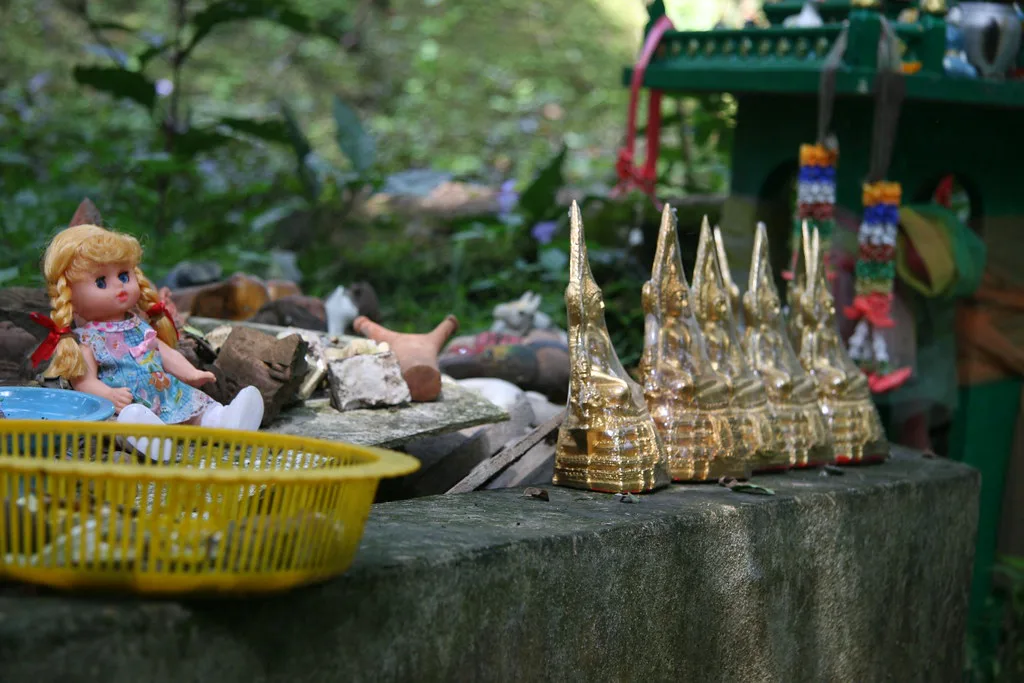
The tunnels under the chedi
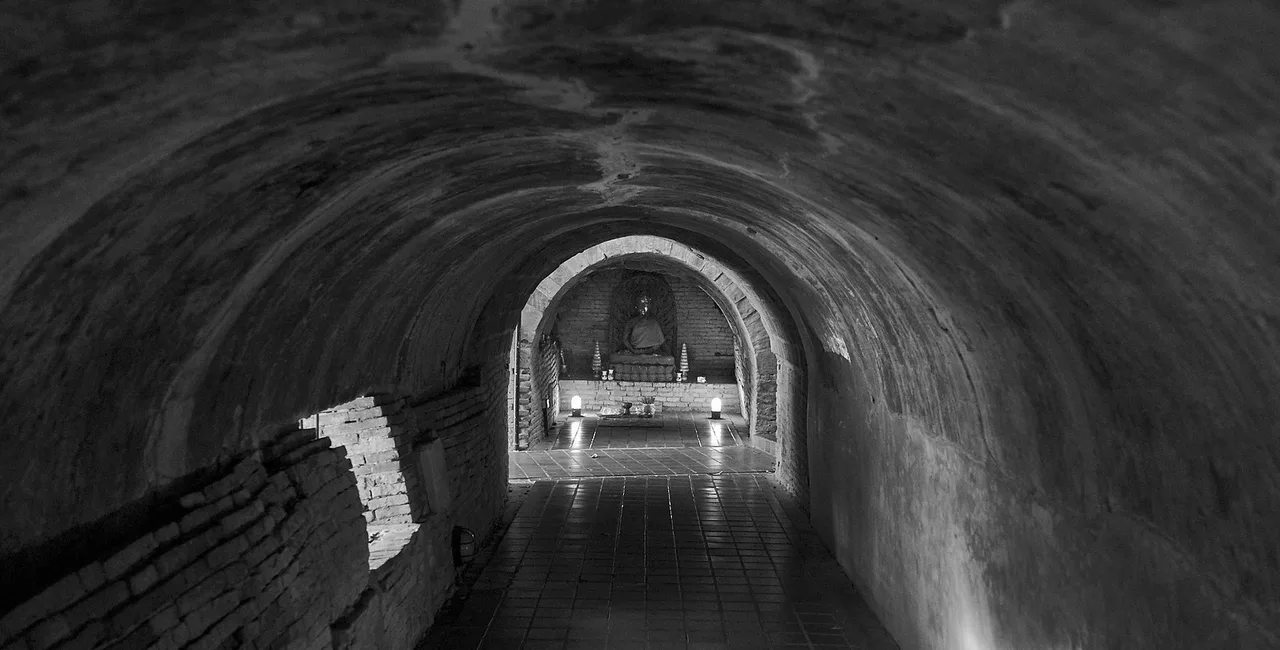
Start with the tunnels. The passages were originally dug so monks could meditate in seclusion, and today they are lined with Buddhist teaching images that give the dim corridors a narrative as you walk. Several small shrines and statues sit in alcoves off the main route.
The ceilings are low, and tall visitors will spend the walk ducking; that is the one physical constraint worth knowing in advance. The tunnels are cool and dim, which makes them a genuinely pleasant place to slow down on a hot afternoon rather than a box to tick.
The chedi and the grounds above
Above the tunnels stands the bell-shaped chedi, an example of Lanna-style construction, with old statues and stone slabs inscribed with Buddhist teachings scattered around it. Walk up slowly and look at the inscriptions rather than just circling the stupa; they are part of what makes the site feel like a teaching place.
The grounds are full of what visitors call talking trees: signs hung in the woodland carrying proverbs and short reflections. They reward a wander rather than a route, and they are the clearest sign that this is a place built for contemplation rather than spectacle.
The pond, the forest paths, and the live monastery
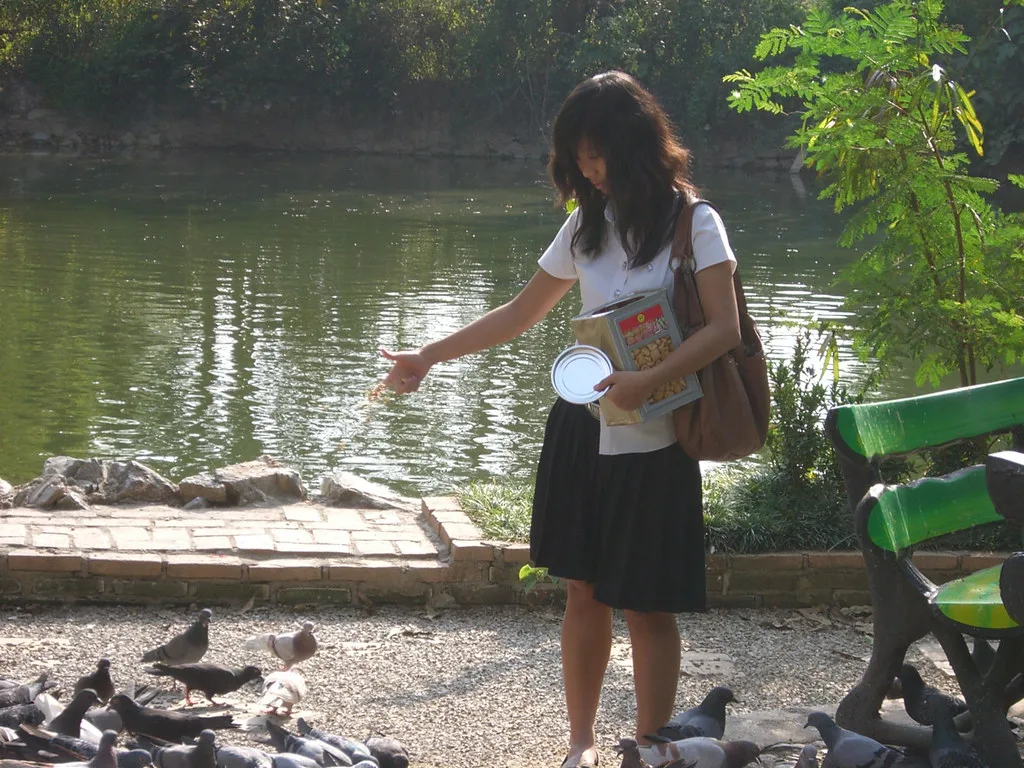
Below the chedi, paths loop past a pond where turtles and fish gather, and the shade makes this the most comfortable part of the site on a hot day. This is also where you are most likely to hear monks chanting, which is a reminder that you are a guest in a working monastery.
A small on-site collection adds context, and informal monk chat sessions give visitors a chance to ask questions in English if a monk is available. Treat both as optional extras rather than guaranteed features of a visit; ask at the temple rather than planning your day around them.

The meditation center is a separate commitment
The meditation center at Wat Umong runs its own courses, and this is not something you drop into between temples. Courses run 3 to 15 days, with registration from 8:30 a.m., and participants follow a set daily schedule from a 5:30 a.m. wake-up through evening chanting.
Fees at the center are quoted per day for food, facilities and bedding, with white clothing available to buy or rent, and the center asks you to contact it by phone or email before arriving. Note also that practitioners are asked to remain on the temple grounds, with the gates open from 5 a.m. to 8 p.m.; those gate hours belong to the meditation center, so do not read them as general visiting hours.
How long to allow and what to check
Two hours covers the tunnels, the chedi and a pond loop at an unhurried pace; add another half hour if you sit with the grounds or talk to a monk. It is a small site, so it does not fill a day on its own.
Opening hours, entry expectations and any donation practice are not published consistently across sources, so check the temple's own channels or ask your hotel before you set out. One visitor account describes general entry as free with donations welcome, but treat that as a visitor report rather than an official policy.
What to pair with it nearby
Baan Kang Wat, the artists' village next door, is the obvious add-on and turns a short temple stop into a half day of craft shops and coffee. Build it in after Wat Umong rather than before, so you meet the tunnels while you are still fresh and the heat is lower.
If you want more temples in the same outing, Wat Palad sits on the same forested slope, and the Old City sights such as Wat Phra Singh reward a separate morning rather than being crammed in. Save the city temples for a day when you are staying inside the moat and can walk between them.
Is Wat Umong worth the detour?
Yes, if you want a quiet, green, atmospheric stop of roughly two hours and are willing to trade spectacle for stillness. It is also a sensible first stop on a morning that continues toward Doi Suthep, since it takes a fraction of the time.
Skip it if your Chiang Mai list is built around gold, glass and photo-ready set pieces, or if you have very limited time and would rather concentrate on the Old City. The temple is modest, and its appeal is the mood of the tunnels and the woods.
Explore more Chiang Mai guides
Frequently Asked Questions
Where can I find a Buddhist retreat in Chiang Mai?
Wat Umong's own meditation center runs courses of 3 to 15 days with a fixed daily schedule and registration from 8:30 a.m., and it asks prospective participants to contact it by phone or email before arriving. Do not treat it as a walk-in activity; check the center's current requirements directly.
Is Wat Umong the same as Wat Umong Maha Thera Chan?
No. Wat Umong Suan Phutthatham is the forest temple with tunnels in Suthep Subdistrict, west of the city toward Doi Suthep. Wat Umong Maha Thera Chan is a separate temple inside the old city moat, so confirm the destination before giving a driver or ride-hailing app an address.