
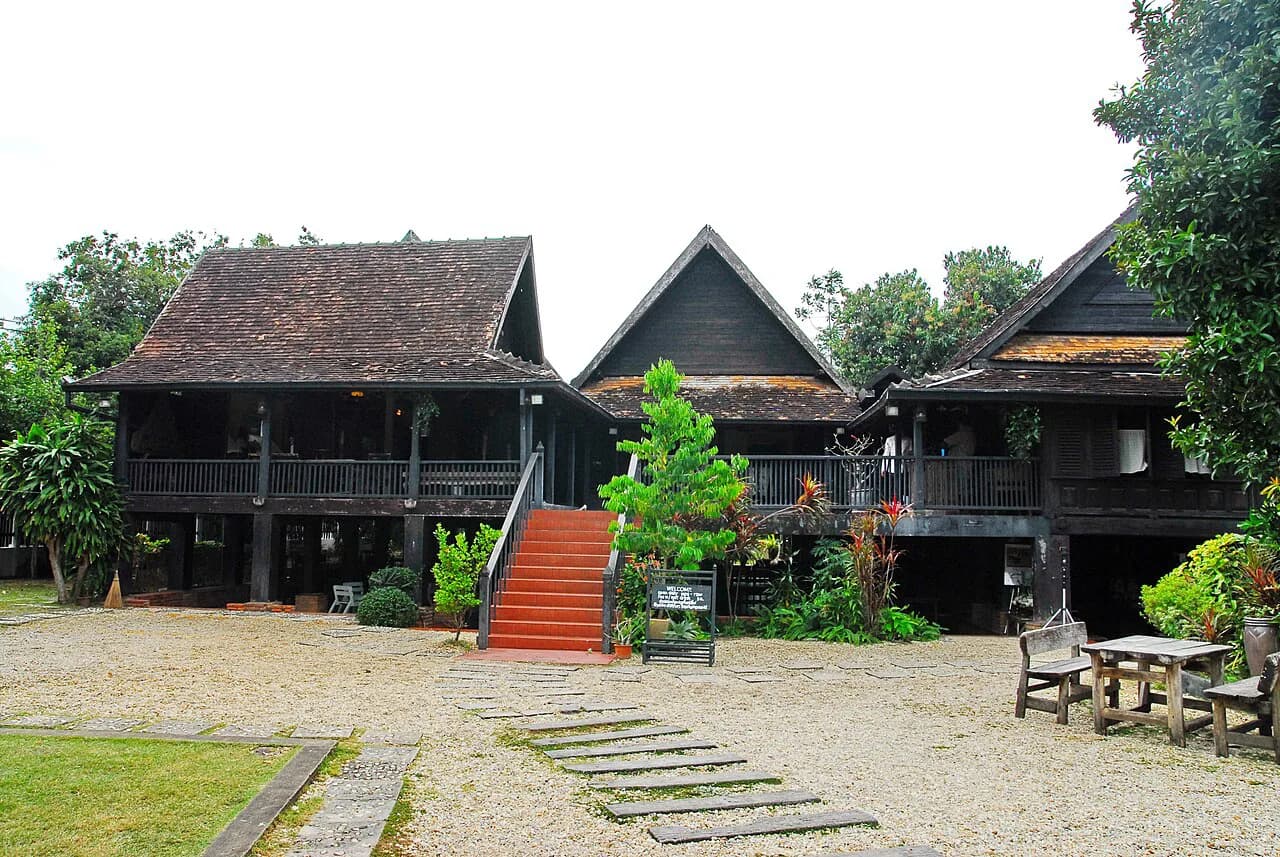
Baan Sao Nak in Lampang: What to See at the 116-Pillar Teak House

Baan Sao Nak deserves 30 to 60 minutes of your Lampang day, not a half-day. It is a teak house raised on 116 posts, built in 1895 and left furnished as a lived-in home rather than restaged as a museum, which is exactly why it lands differently from the town's temple sights. For the broader picture of what else is in town, see Lampang Attractions: 7 Visitor Guides.
This page stays on that one house: where it stands in Wiang Nuea, how to arrive from the old town or the bus station, what to look at once you are through the door, and how it fits alongside the rest of the Lampang Attractions: 7 Visitor Guides.
An 1895 teak house that still behaves like a home
The name translates roughly as "house of many pillars," and the count is the story: 116 teak posts carry the whole structure. The building dates to 1895, when Lampang was a timber-trade town flush with teak money, and it combines northern Lanna building habits with Burmese detailing picked up from the trading links across the border.
What separates it from a formal museum is the arrangement. Lacquerware, silver, ceramics and family photographs sit where the household left them, and the space under the raised floor is still used the way it always was. Treat it as a house you are walking through, not a gallery of labelled cases, and the visit makes far more sense.
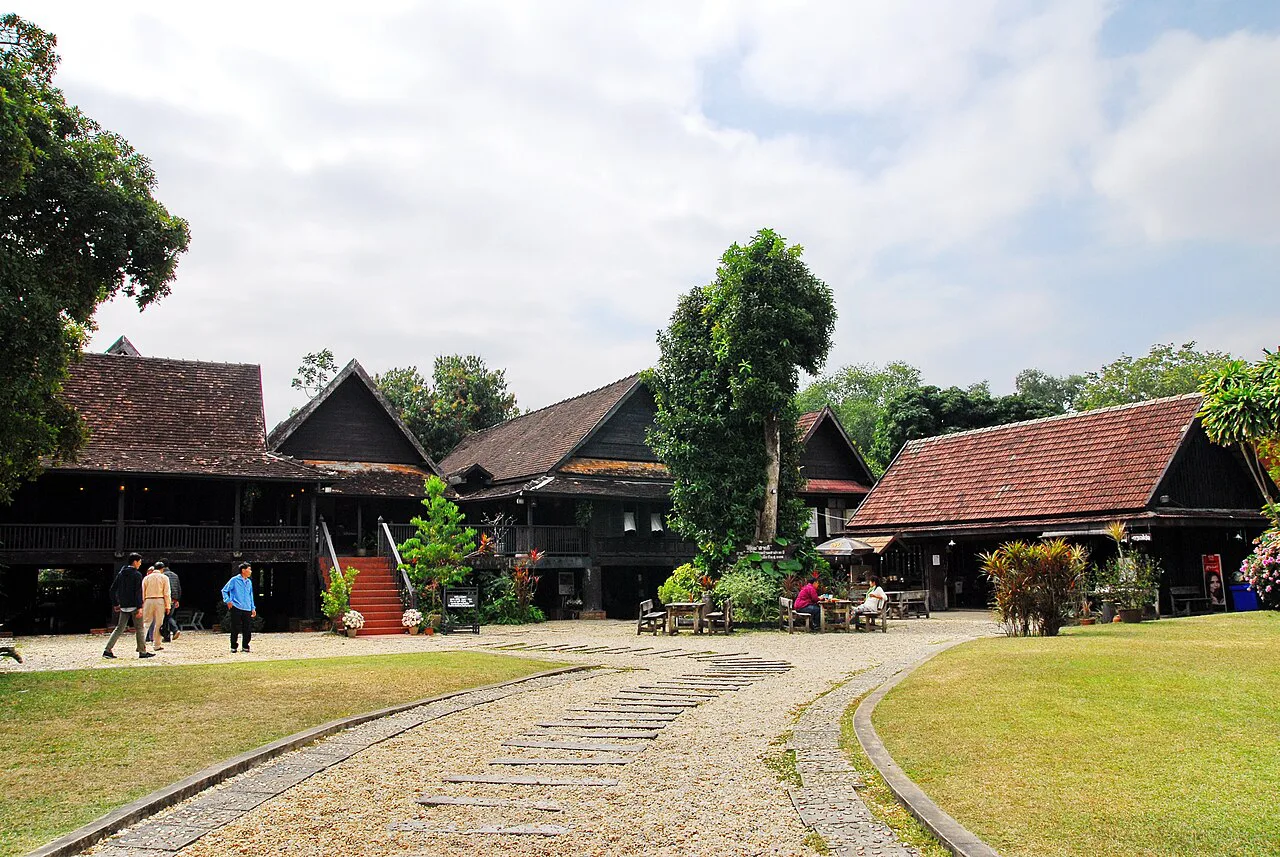

Where Baan Sao Nak sits in Lampang's old quarter
The address is 6 Rat Wattana in Wiang Nuea sub-district, Mueang Lampang district, among other surviving teak houses of the old quarter. Because the old grid is compact, you can walk here from much of the historic centre, though the tropical heat makes even a short walk feel longer than the map suggests.
One practical wrinkle: there is no official website for the house, so phone enquiries are the reliable route. The listed number is +66 54 227 653, and a call is the quickest way to confirm someone is on site before you commit a tuk-tuk fare.
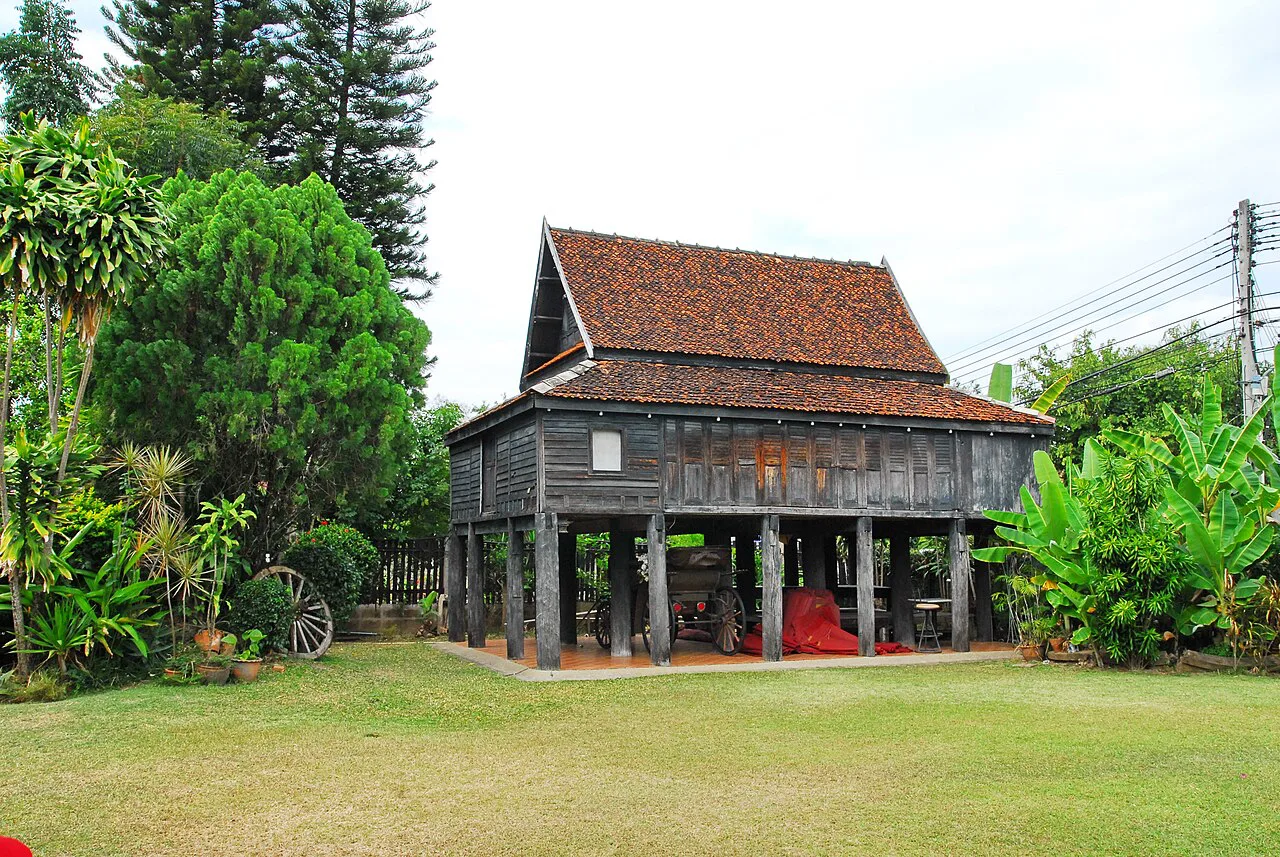

Getting there: walk, songthaew or horse carriage
From Lampang's bus station or the airport, the straightforward options are taxi, tuk-tuk or a shared songthaew, which put you at the gate in roughly 10 to 20 minutes. The airport sits further out, so build in more time and agree the fare first rather than negotiating on arrival.
The arrival worth paying for is the horse-drawn carriage, Lampang's signature mode of transport and the one working example left in Thailand. Drivers know the house by its nickname and will drop you at the entrance, so it doubles as a short old-town tour rather than a separate outing.

What you actually see inside
The rooms hold period furniture, silverware, ceramics and the small domestic objects that make a house legible: old record players, fans and irons, many of them close enough to inspect rather than sealed behind glass. The collection is not ostentatious, but it is carefully placed, which says more about how the household lived than a row of display labels would.
Visitors walk up to the second floor, where the plank stairs and floors are part of the experience, so expect to remove shoes or wear the slippers provided indoors. Give the upstairs rooms a slow pass and save the grounds for afterwards.
The architecture worth slowing down for
Strip away the furnishings and the building itself is the exhibit. The floor is lifted well clear of the ground in the northern manner, the walls are shuttered, and a broad shaded verandah wraps around the exterior. That combination of stilts and shutters is a cooling strategy as much as a style, and standing on the verandah in the middle of the day makes the point quickly.
The 116 posts are best appreciated from underneath, where the grid reads as structure rather than decoration. Walk the perimeter once at ground level before going up, and the interior will make more sense.

Hours, tickets and the current status problem
Opening details are genuinely unsettled right now, and it is worth knowing that before you build a morning around the house. One major booking listing shows the property as temporarily closed with opening hours listed as to be determined, while a separate guide reports that interior rooms may be shut even though past visiting hours ran from 8:00 AM to 5:00 PM daily. Treat both as unconfirmed and call ahead on +66 54 227 653 the day before you go.
No source gives a reliable current ticket price, so do not budget from a blog figure. Ask about the entry fee when you call, and carry cash in Thai baht in case the ticket window does not take cards.

How long to allow, and what's nearby
Plan on 30 to 60 minutes for the house and grounds, stretching toward an hour if you linger over the joinery. Booking platforms suggest a recommended sightseeing window of one to two hours, which is generous but reasonable if you are travelling with someone who reads every caption.
The house slots neatly into a compact old-town loop. Wat Phra Kaeo Don Tao has a Burmese-style mondop and makes the obvious next stop, and the Dhanabadee Ceramic Museum adds the town's other famous trade with its Chicken bowl displays. Evenings belong to Kad Kong Ta Walking Street, the weekend street market in the old quarter.
If you have wheels or a driver for the afternoon, Wat Phra That Lampang Luang, the walled temple south of town in Ko Kha district, is the finest surviving wooden Lanna building in the country. It is a half-day on its own, not a quick add-on, so pair it with Baan Sao Nak only if you start early.
Is Baan Sao Nak worth the stop?
Yes, provided you go in expecting a house rather than a headline attraction. It is under an hour, it sits inside the walkable old quarter, and the mix of Burmese-influenced teak architecture with a family's actual belongings is not something the bigger temples offer.
The catch is access: confirm by phone that the interior is open before you set out, and keep the visit flexible so a closure does not derail the day. If the house is shut, the surrounding teak streets, Wat Phra Kaeo Don Tao and the ceramic museum fill the same half-day comfortably.
Explore more Lampang guides
Frequently Asked Questions
How much does it cost to visit Baan Sao Nak?
Published sources do not give a reliable current entry fee, so there is no figure worth planning around. Call the listed number for the house before you go and ask about the ticket price, and carry some cash in Thai baht in case cards are not accepted at the entrance.
Can you go inside Baan Sao Nak?
When it is open, visitors go in and walk up to the second floor, where the rooms are furnished with the household's furniture, silver, ceramics and photographs. Access has been reported as inconsistent, with one listing showing the property temporarily closed and another noting interior rooms may be shut, so phone ahead before travelling to the old quarter.