Thai Coffee Guide: What to Order, Where to Try It
Learn what Thai coffee is, how to order kafae yen, oliang and kafae tung, and how to find traditional cloth-filter coffee in Bangkok.
On this page
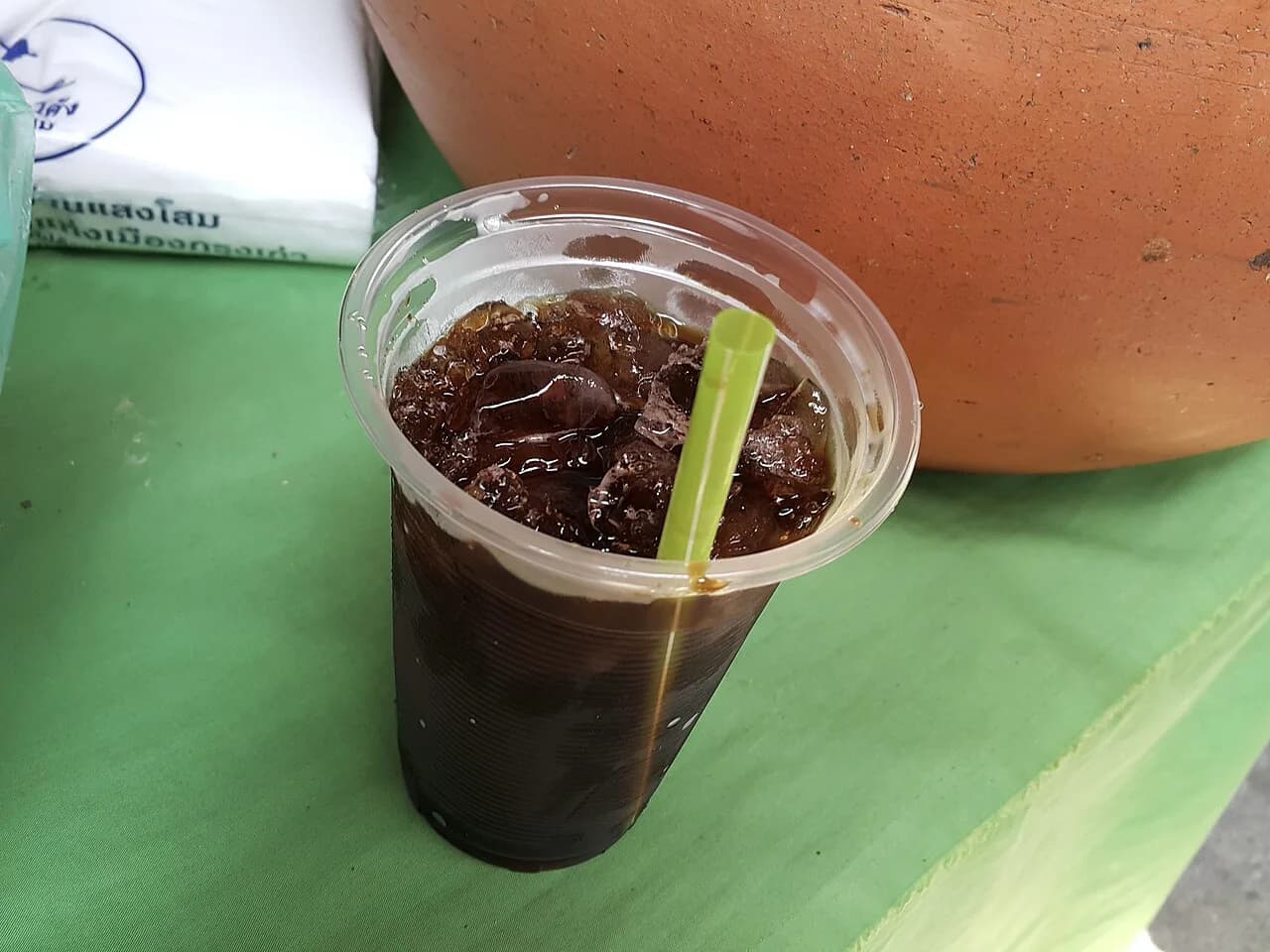
Last updated November 2026: Thai coffee is usually dark-roast, cloth-filtered coffee served sweet, most often iced, with condensed and evaporated milk. Learn the four orders that matter, kafae Yen (iced), kafae rawn (hot), oliang and kafae tung. Use this Bangkok-first guide to order with confidence, pick between a roadside cart and a café, and brew a version at home.
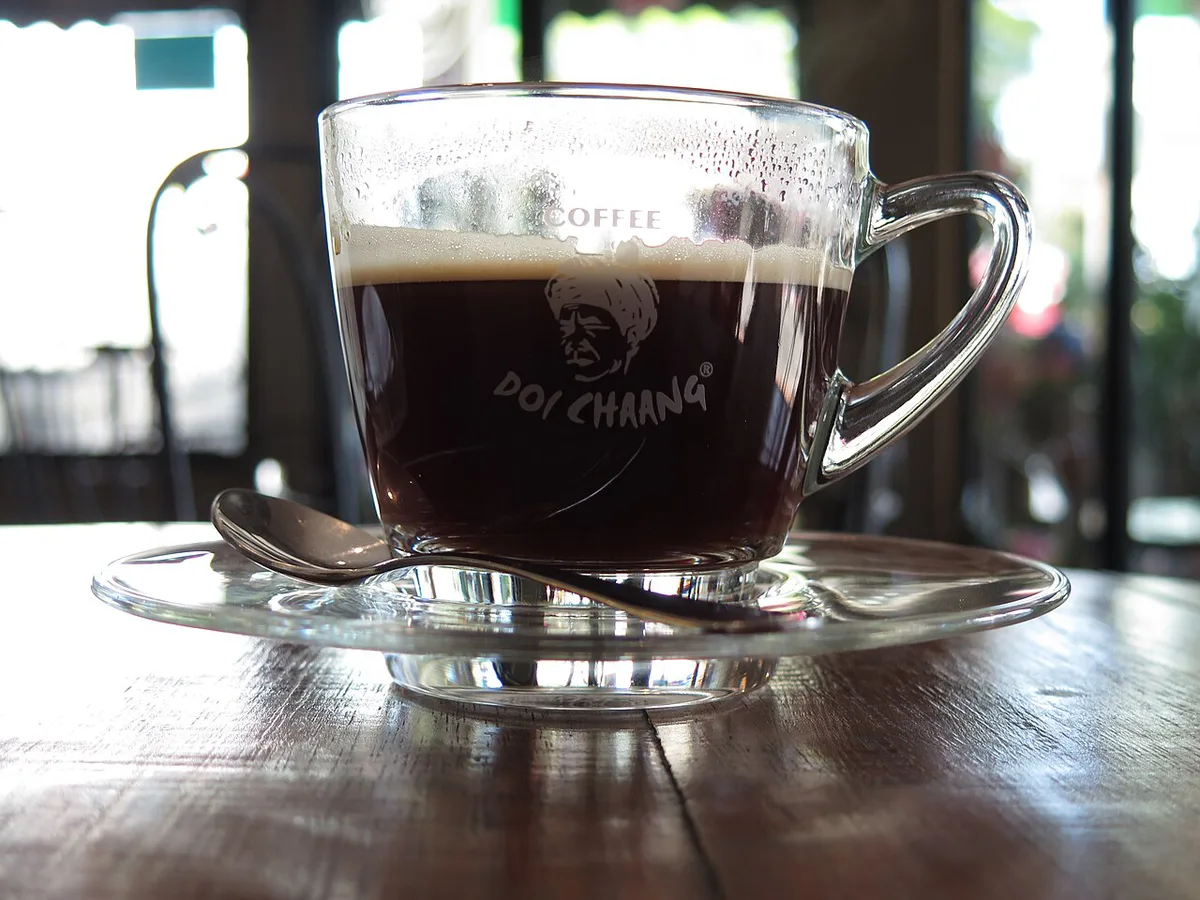
Featured image: Chainwit., CC BY-SA 4.0, via Wikimedia Commons.
What Is Thai Coffee?
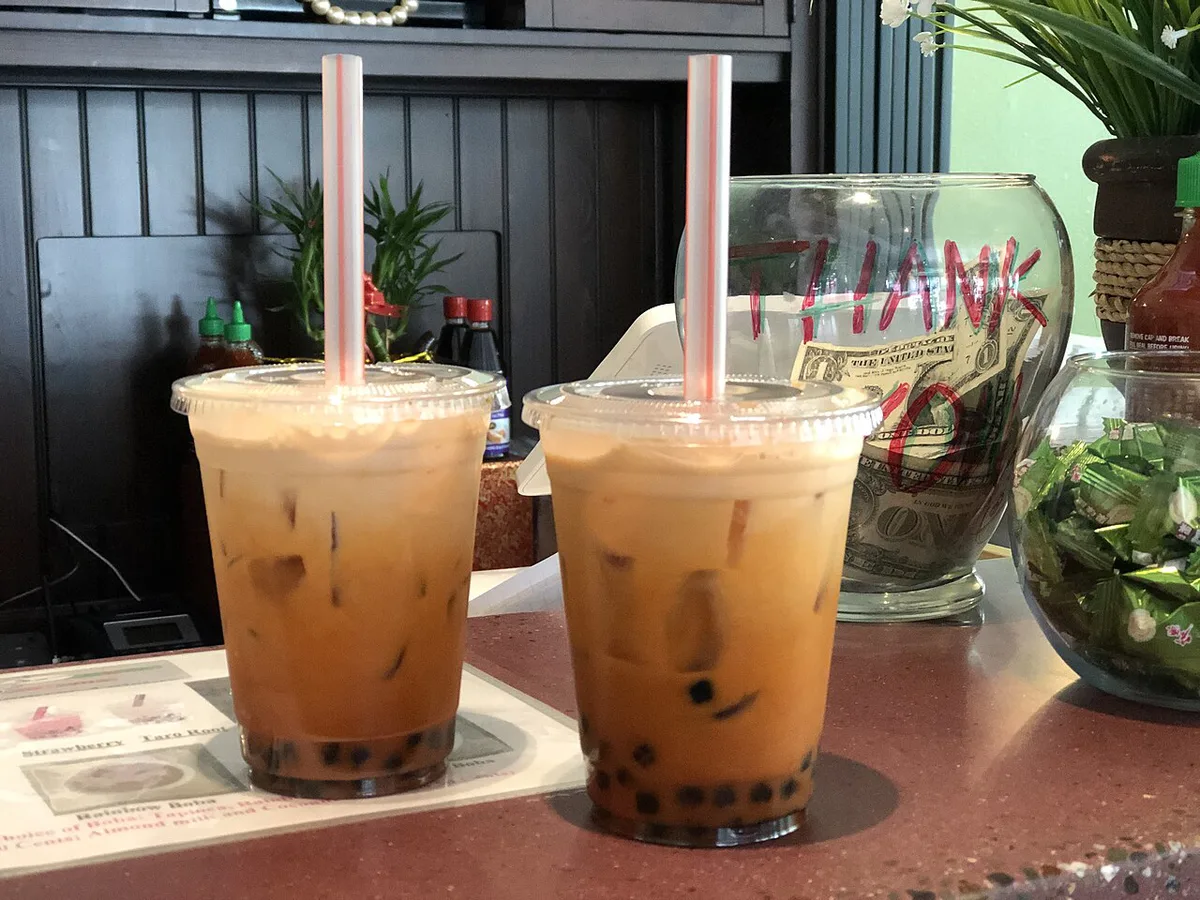
Traditional Thai coffee is brewed through a cloth filter that resembles a wind sock. Saveur describes dark-roasted robusta beans, a distinctly burnt aroma, plenty of caffeine and a light body. Iced coffee is close to the standard in Thailand's heat, per the same source. Evaporated milk mellows the intensity, and sweetened condensed milk or sugar adds the sweetness many Thais prefer. Sources disagree on the exact blend, so treat any single recipe as one vendor's version. Specialty cafés now sit alongside the roadside carts, which gives you two very different cups to compare in one city.
How to Order Thai Coffee
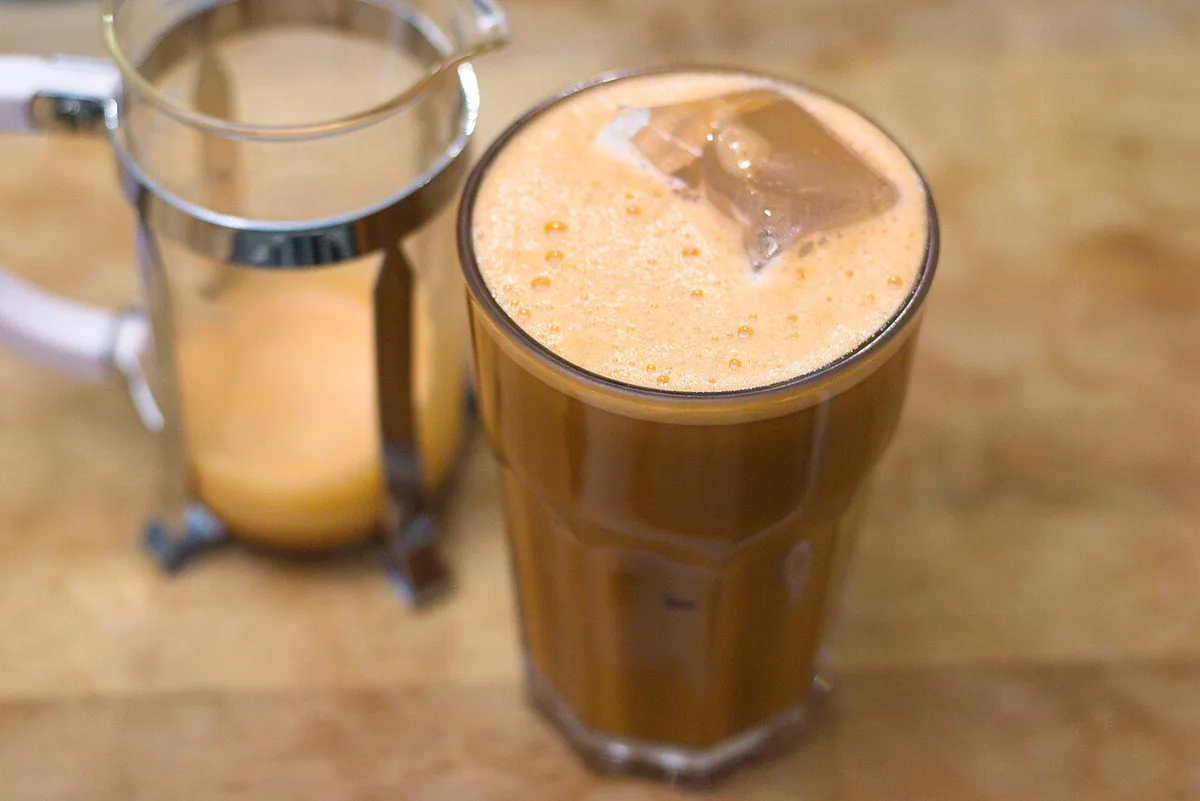
Start with temperature, then sweetness, then takeaway. Spelling varies between sources, so the romanizations below follow Thaizer and Saveur. Listen for the vendor's own pronunciation and point at the glass if you get stuck. Sweetness defaults differ from stall to stall. Say the no-sugar phrase every time if you want less sweet coffee, and expect some milk to arrive anyway unless you ask for black.
| What you want | Say | What you get |
|---|---|---|
| Hot coffee | kafae rawn | Hot coffee, often in a small glass |
| Iced coffee | kafae Yen | Coffee over ice, usually sweet |
| Traditional cloth-filter coffee | kafae tung | Bag-filtered coffee with milk and sugar |
| Old-style iced coffee | oliang | Sugar but no milk, per Thaizer |
| Black coffee | kafae Dam | Coffee without milk |
| No sugar | Mai Sai nam-taan | Sugar left out |
| With sugar | Sai nam-taan | Sugar added |
| Takeaway | Sai tung | Coffee to go, often in a bag |
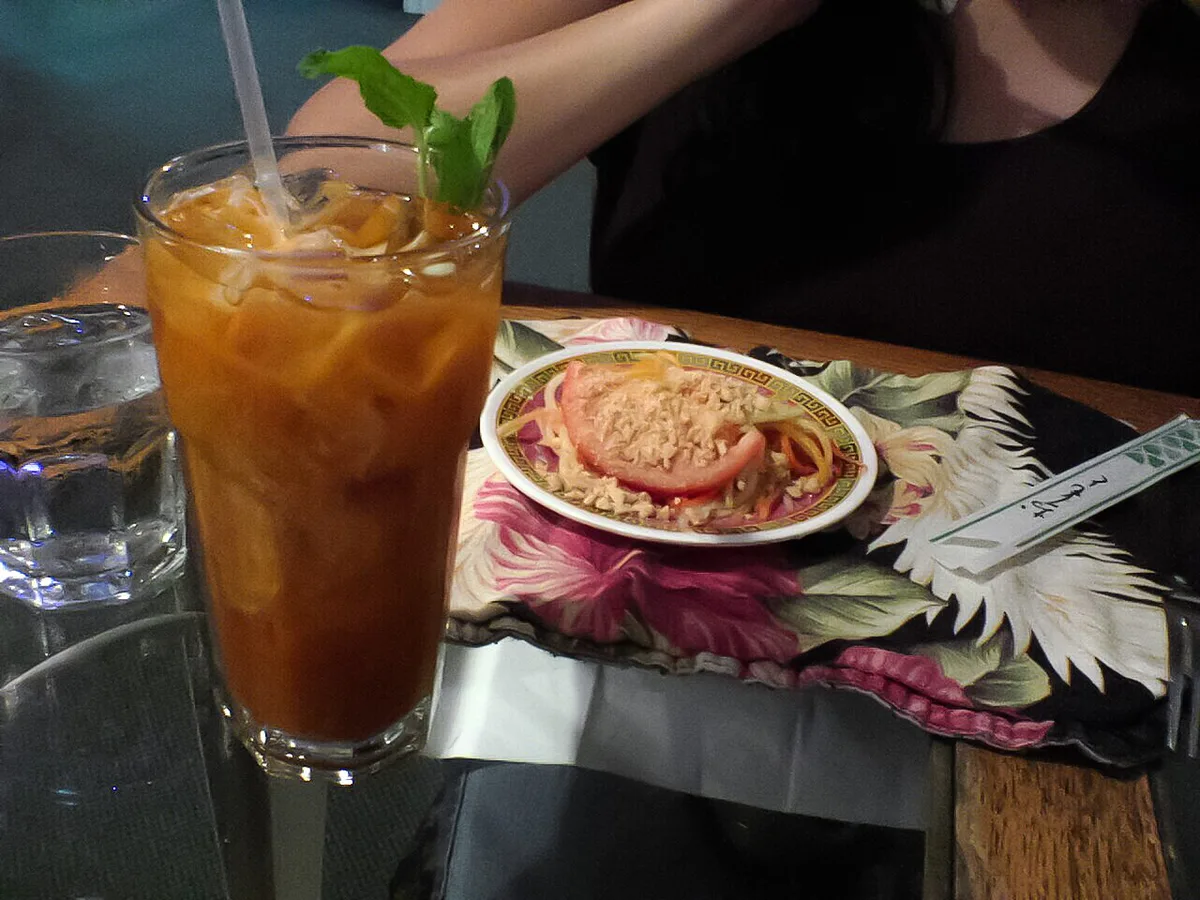
Traditional Cloth-Filter vs Café Coffee
Roadside vendors and specialty cafés serve different drinks under the same name. Thaizer reports fewer old-style vendors in tourist areas than before, so verify what you find rather than assuming a cart will be there. Price tiers below are relative only, because the sources supply no baht figures. Pick the cloth-filter cup for tradition and the café for control over sweetness.
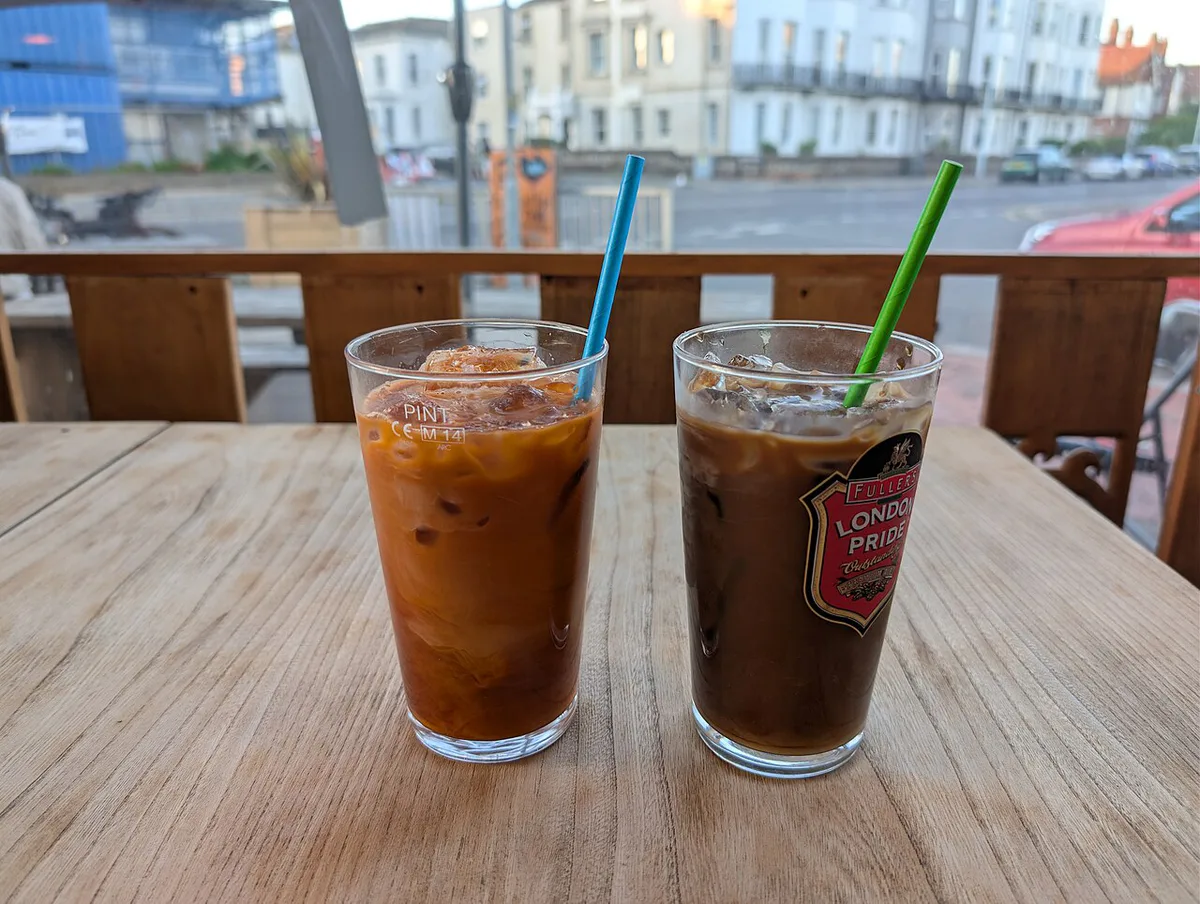
| Factor | Roadside cloth-filter vendor | Specialty café |
|---|---|---|
| Flavor | Dark, burnt, strong, light body | Varies by roast and brewer |
| Sweetness | Sweet by default, often condensed milk | Usually adjustable |
| Price tier | Typically the cheaper option | Typically the pricier option |
| Language | Phrases above help a lot | Menus more often in English |
| Best for | Travelers chasing the traditional cup | Anyone wanting less sugar or a quiet seat |
Where Thai Coffee Comes From
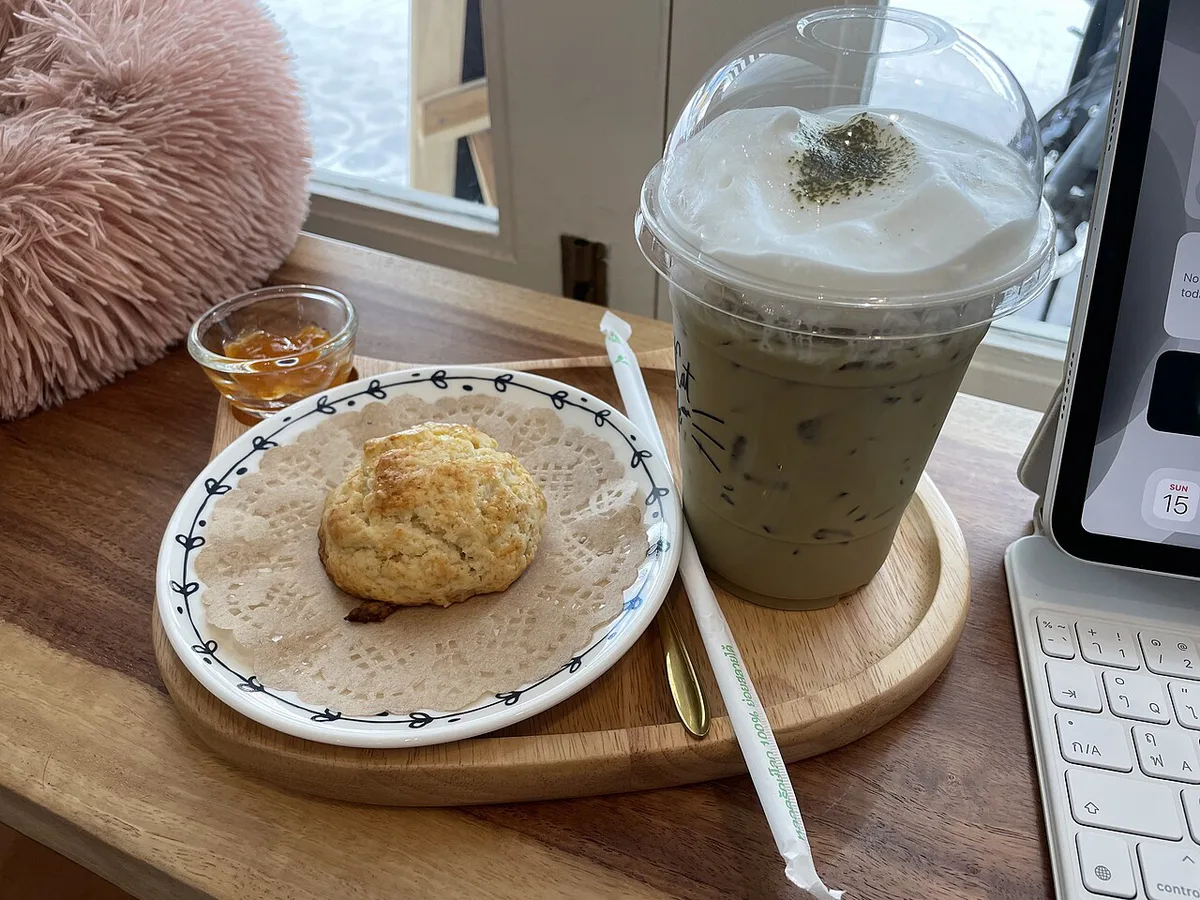
Thaizer says some of the best Thai coffee is grown in the mountain provinces of the north and sold across the country. The same page names Chiang Mai in the north and Trang in the south as places with distinct, differing coffee cultures. It also names Doi Chaang and Wawee as shops that champion locally produced coffee. Confirm both are still operating before you plan a stop around them. In parts of southern Thailand, Thaizer notes that kafae tung is sometimes called ko-pii. Check current local naming with the vendor.
Where to Find Thai Coffee in Bangkok
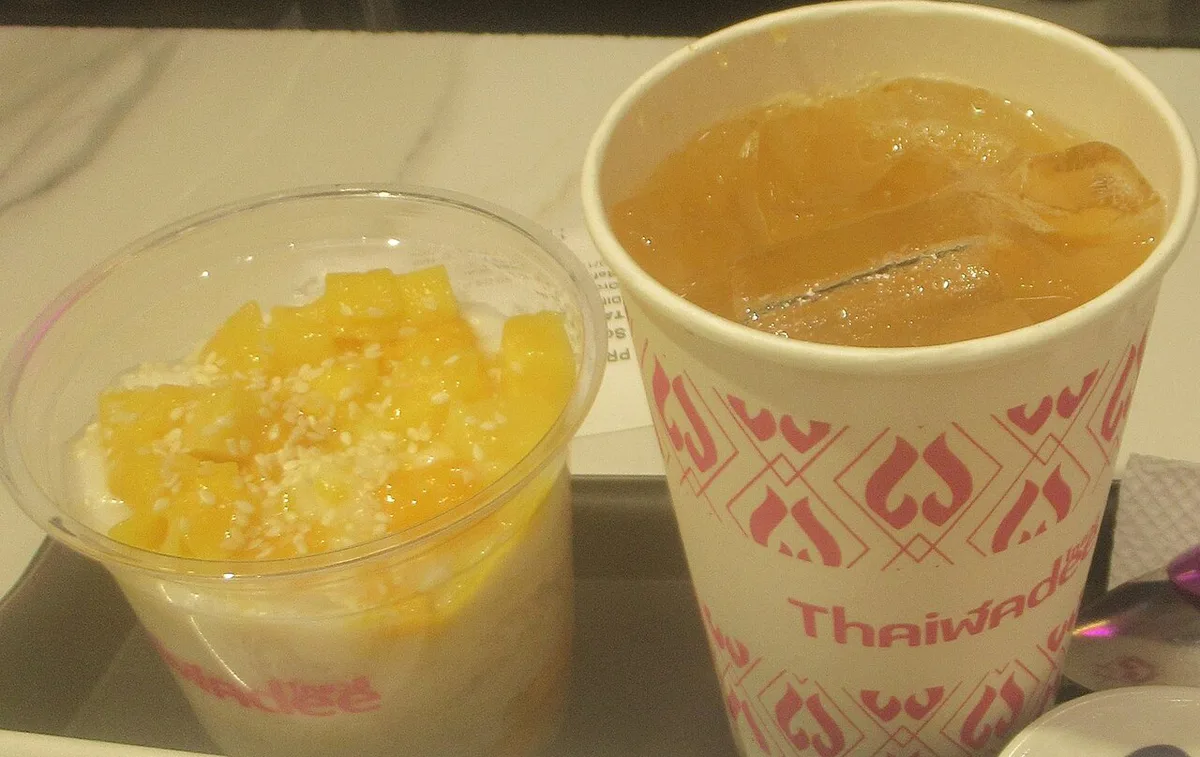
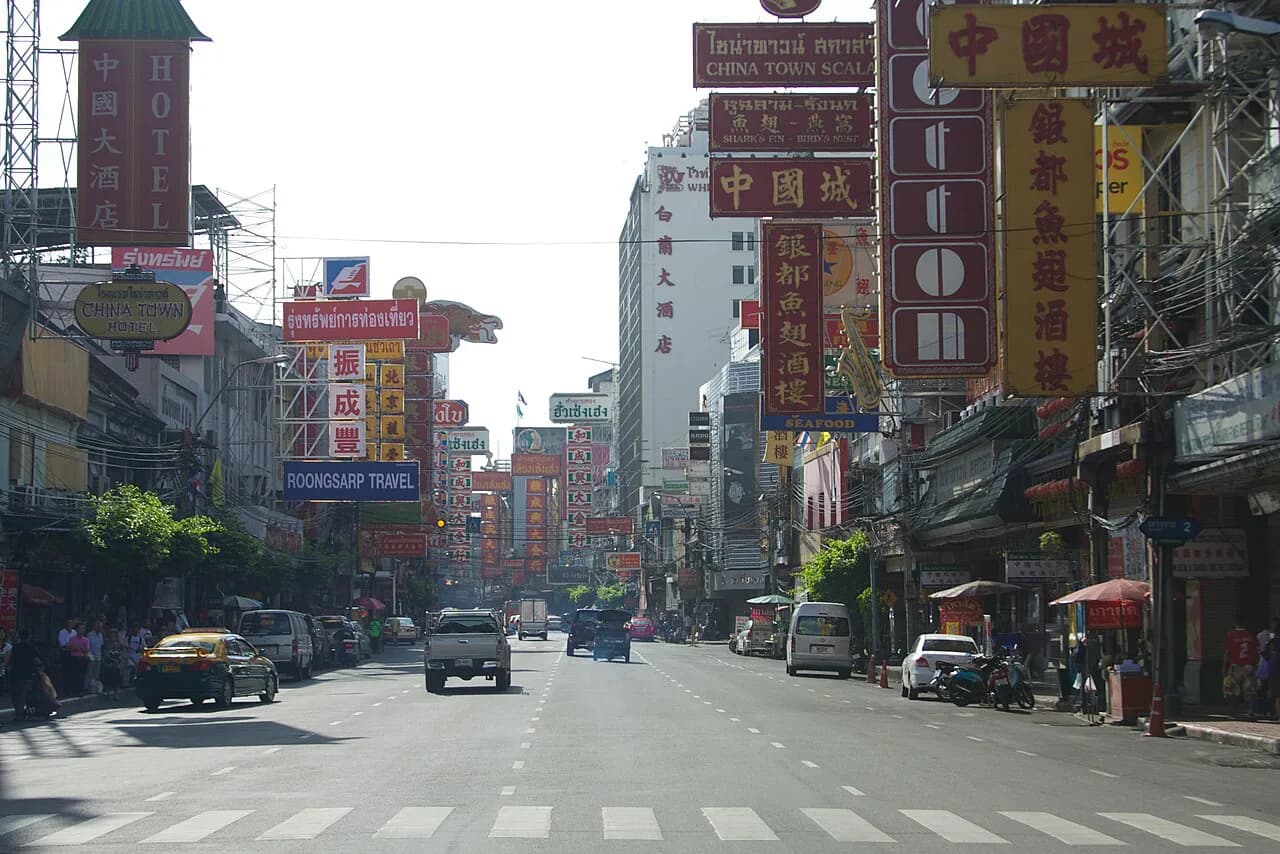
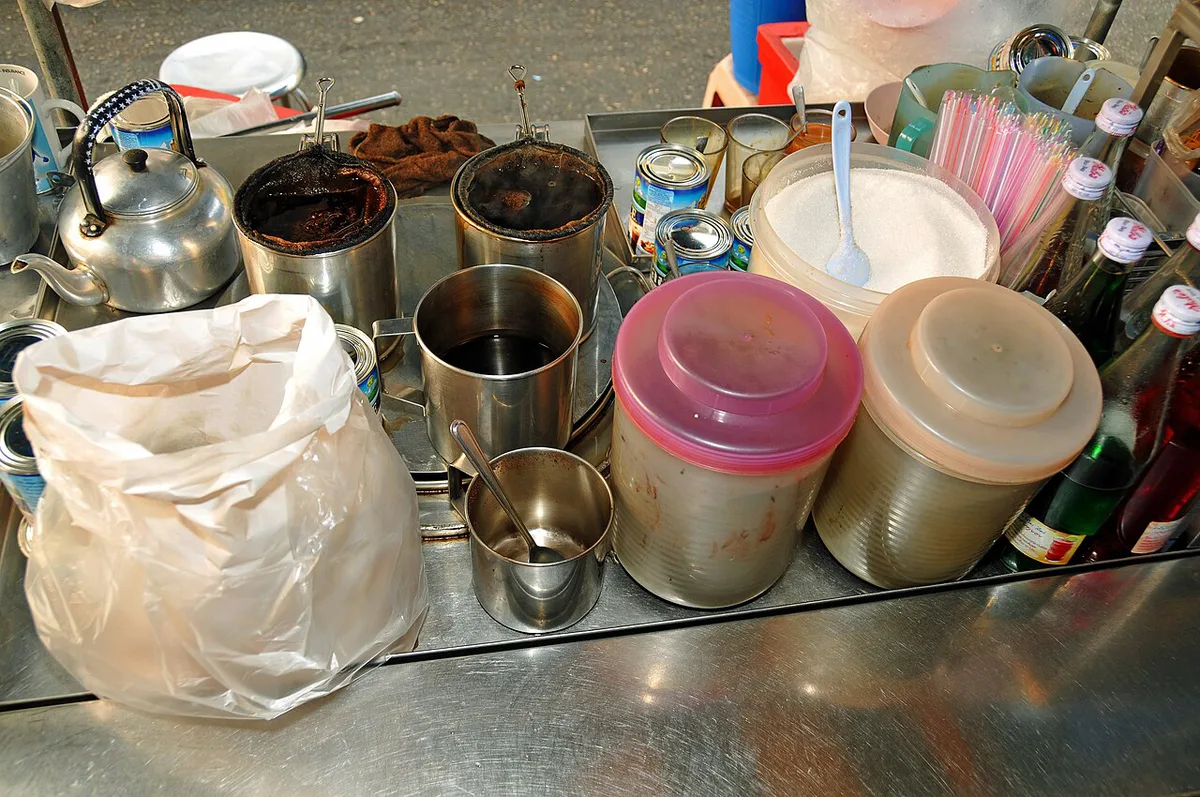
Our brief points to Hokkien-style kopi stalls in Chinatown and Old Town. The sources name no individual stall, so treat those districts as areas to explore and check current status before you travel. Look for a vendor with a cloth filter hanging over a pot, a cooler of ice and a row of small glasses. Morning suits hot coffee with pa Thong Koh, the Thai doughnuts Thaizer pairs with it. Iced orders make more sense once the day heats up. If you want sit-down options, specialty cafés are easy to find in most Bangkok neighborhoods. Verify hours with each venue, since the sources list none.
What to Eat With Thai Coffee
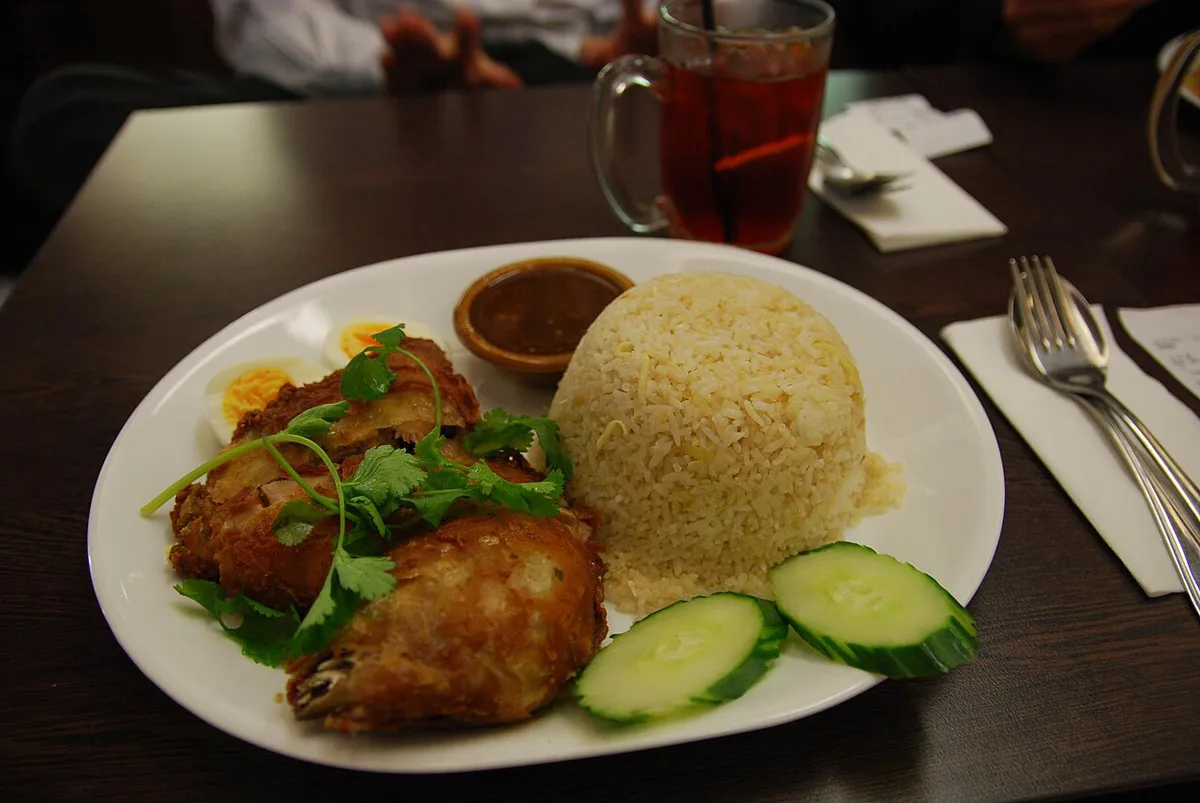
Start the day with pa Thong Koh and hot coffee, then read our Thai breakfast guide for more morning orders. Sweet iced coffee also works with dessert stops, so browse Thai dessert ideas before you go. Competitor recipe pages suggest mango sticky rice and coconut pudding as pairings. For savory meals, our overview of 6 Thai Street Food Dishes to Try First in Bangkok sets the wider scene. Our list of Thai Street Food Dishes: What to Order in Bangkok helps you pick what to eat alongside. Evening drink vendors turn up around Thai Night Markets: Best Picks by City, Day and Budget, though coffee is not guaranteed. Floating markets also have drink sellers, but confirm coffee is sold before you count on it. See our floating markets guide for context.
Make Thai Iced Coffee at Home
Saveur's recipe takes about 10 minutes and makes two glasses. It steeps the grounds for 1 minute, while another recipe page says 5 to 7 minutes. Start short and adjust to taste. A Thai Cooking Class in Bangkok: How to Choose & Book (2026) can show the technique in person. The steps below follow Saveur's version.
Saveur's 1 minute steep and another page's 5 to 7 minutes are both worth trying, since sources vary on the blend.
- Boil 2 cups of water and moisten a cloth coffee filter.
- Add about ¼ cup plus 2 tablespoons of coarsely ground dark-roast robusta to the filter.
- Steep the filter in 1½ cups of the boiling water for 1 minute.
- Fill two tall glasses with chipped ice.
- Pour the coffee through the filter into the glasses.
- Add sugar or sweetened condensed milk to taste.
- Top with evaporated milk and serve immediately.
Common Mistakes and Quick Tips
Most surprises come from sweetness and presentation. Thaizer notes that iced coffee may arrive in a plastic bag of ice with a straw. Hot coffee may come in a small glass picked up by the rim. Robusta also means plenty of caffeine, per Saveur, so go easy on a second cup.
- Say Mai Sai nam-taan if you want no sugar.
- Choose sweet and creamy: kafae Yen.
- Choose strong and less sweet: kafae Dam with no sugar.
- Choose traditional and non-dairy: oliang.
- Hold a hot glass by the rim.
- Ask for Sai tung when you want to carry your drink.
Frequently Asked Questions
What is unique about Thai coffee?
Brewing is the main difference. Vendors traditionally filter dark-roasted robusta through a cloth bag, per Saveur. Sweet condensed and evaporated milk then round out the burnt, strong flavor.
Notes for your Thailand trip
Optional updates when we add or change a town or island guide.
You might also like
Continue reading
More guides you'll find useful