Thai Cooking Class in Bangkok: How to Choose & Book (2026)
Which Bangkok Thai cooking class suits you? Compare market-tour, home-kitchen and private formats, with costs, timing and booking tips.
On this page
Last updated November 2026. A Thai cooking class in Bangkok usually combines an ingredient or market stop, hands-on prep, cooking, and a meal you eat at the end. The real choice is between market-tour and kitchen-only formats, and between group, home-kitchen and private settings. This guide shows how to pick one, what to ask before paying, and how to fit it around the rest of your Bangkok days.
What a Thai Cooking Class in Bangkok Involves
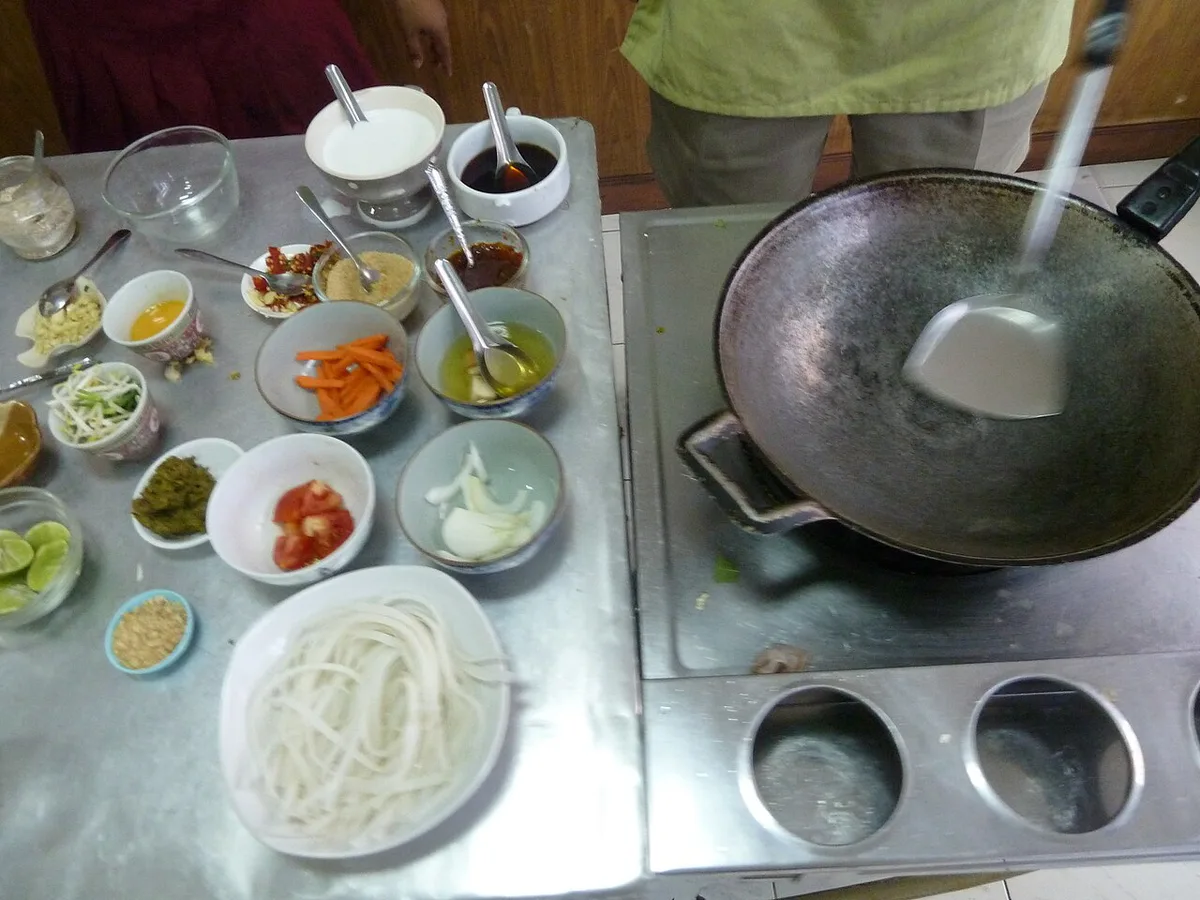
Most Bangkok cooking classes follow one flow. You are greeted, shown the ingredients, then prep and cook your dishes at your own station. You finish by eating what you made. Some classes start with a market walk to explain herbs, curry pastes and fish sauce. Others skip the market and begin at the stove.
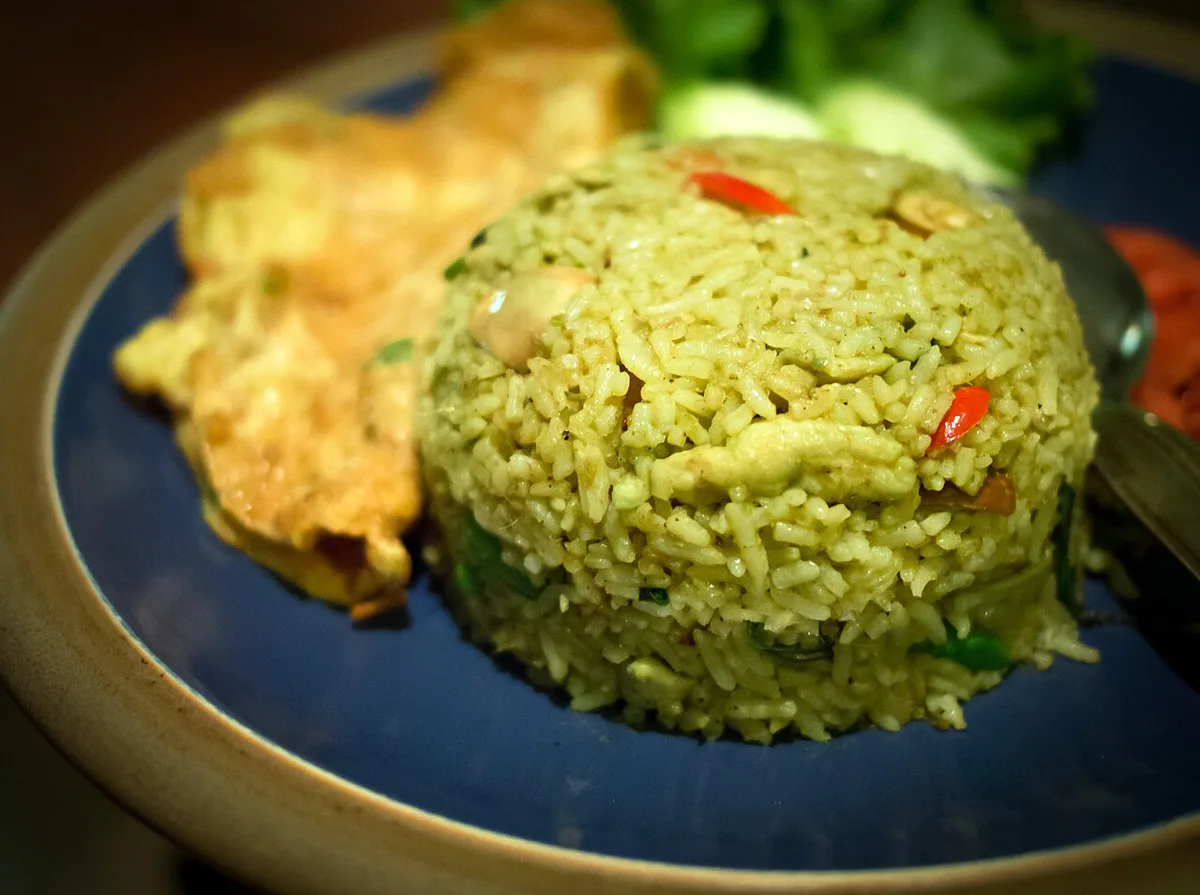
You do not need cooking experience or any knowledge of Thai ingredients. A good operator explains the mortar and pestle, the wok and the jasmine rice routine from scratch. Confirm the schedule on the booking page before you pay, because duration and dish count differ by operator.
Thai Cooking Class Types Compared
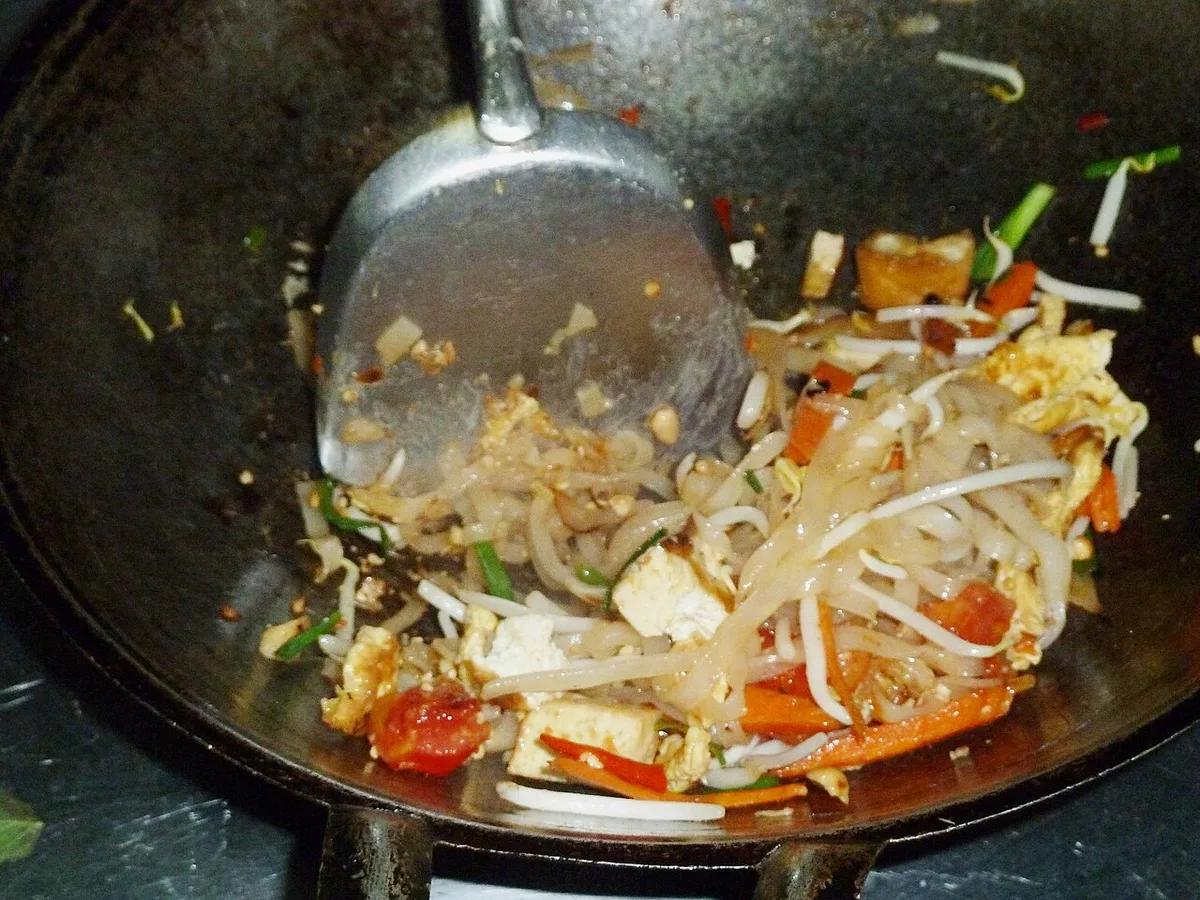
Formats differ in setting, group size and how much time you spend cooking versus watching. Use the table to match a format to your trip. Farm-based classes outside Chiang Mai are a separate, countryside option, and you would build a day around them. Bangkok classes cluster near Silom, Sukhumvit and the riverside.
| Class type | Best for | Main drawback | Ask the operator |
|---|---|---|---|
| Market-tour class | First-timers who want to learn ingredients | Market stop uses class time and adds morning heat | How long is the market visit, and is it included? |
| Kitchen-only school class | Short stays and tight schedules | Less context on ingredients | Is every guest cooking, or is it partly a demo? |
| Home or family kitchen | Small groups and a personal feel | Harder to find; meeting points can confuse | Where exactly do we meet, and who is the host? |
| Private class | Families, couples, special requests | Needs advance booking and clear terms | Can the menu be changed for dietary needs? |
| Farm-based class near Chiang Mai | Travelers already heading north | Needs a full day away from the city | Is transport from the old town included? |
Five Questions to Ask Before Booking
Reading the schedule beats judging a class by its thumbnail. Send these questions before you pay.
- Is the class hands-on for every guest, or a chef demonstration?
- What is the group size cap, and is English instruction guaranteed?
- Can the menu change for vegetarian, vegan or allergy needs?
- Is hotel pickup offered, or do you go to a meeting point?
- What are the cancellation terms, and how recent are the reviews?
Costs, Duration and What's Included
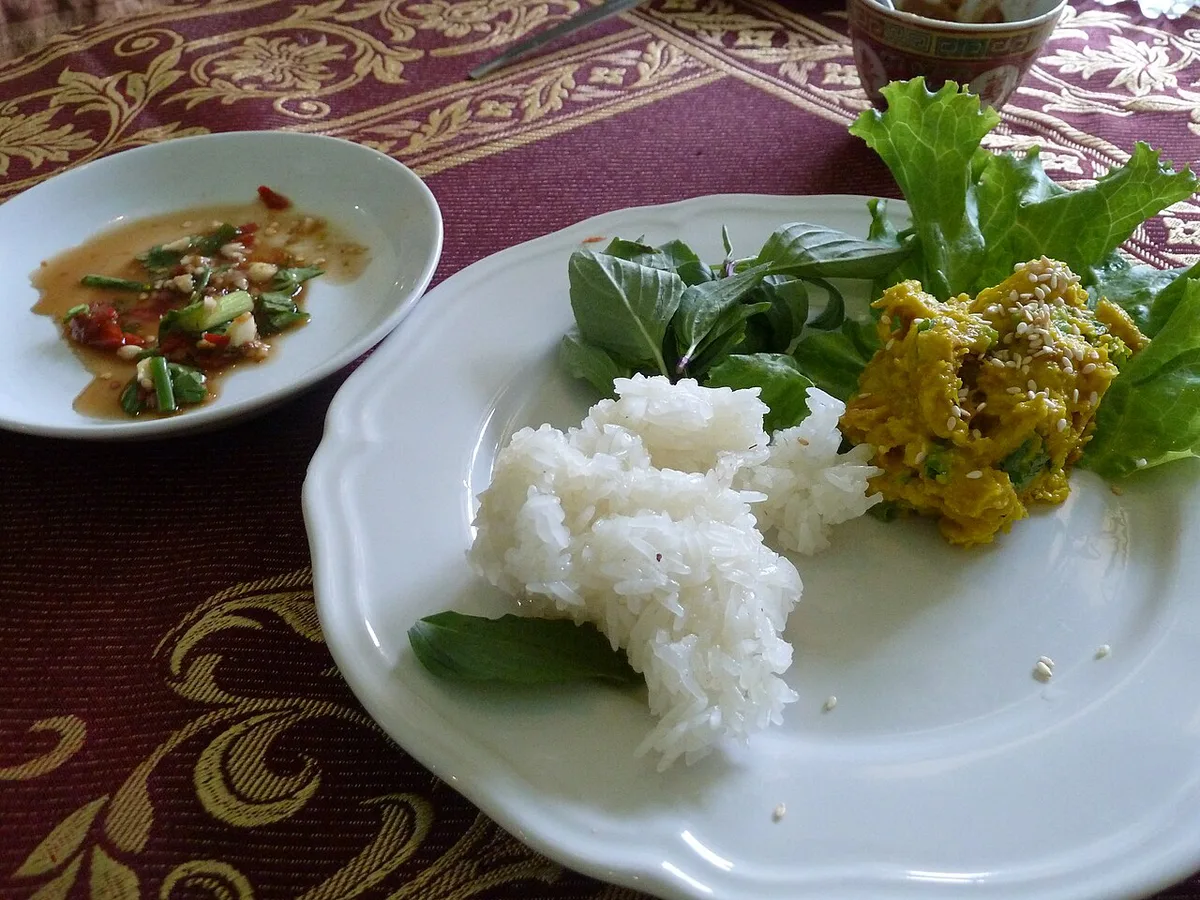
Our brief has no verified Bangkok prices or durations, so none are quoted here. Check the operator's own booking page for price in baht, hours, inclusions and cancellation terms.
Getting There and Timing Your Class
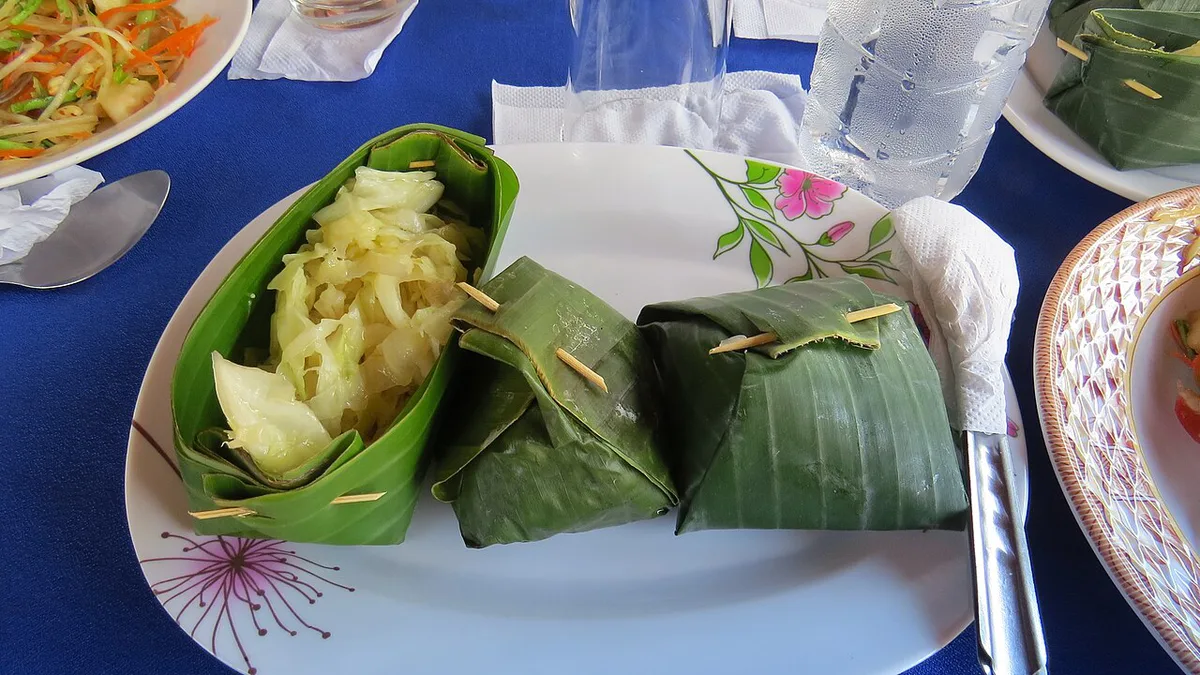
Our sources give no verified transit routes or meeting-point details for Bangkok classes. Confirm access with the operator, then check current BTS, MRT and Chao Phraya boat information on their official sites.
Where a Class Fits in Your Bangkok Trip
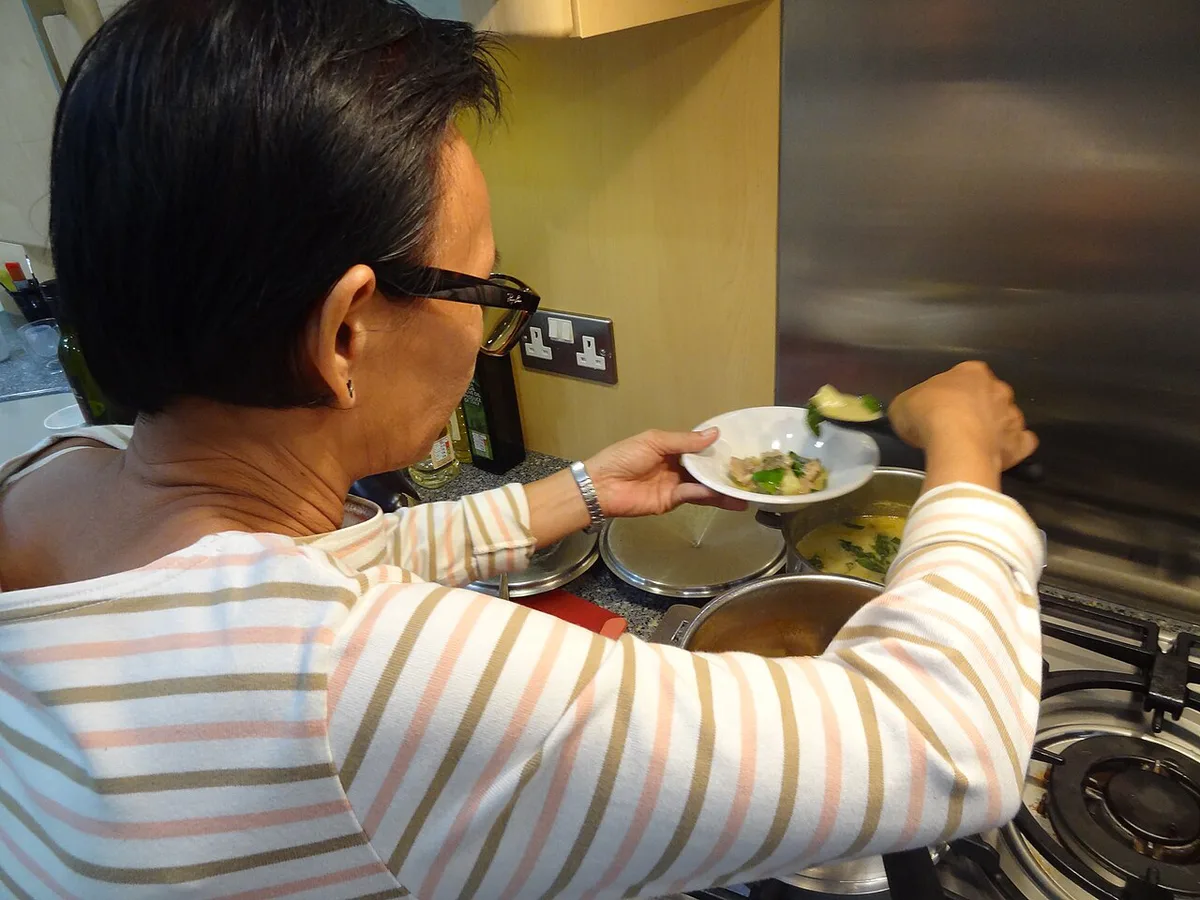
Book a class early in your stay if you can. It teaches you the vocabulary of Thai menus before you start ordering. A rainy day also suits a class, since most of the activity is indoors. A market-tour class pairs well with an floating market day on a different date, so you do not repeat the same morning.
An evening class suits travelers who want daytime for sightseeing. Skip a late slot before a flight, because cooking and eating can overrun. If you cook in the morning, save the evening for an night market visit and compare your own dishes with the stalls.
What You'll Cook
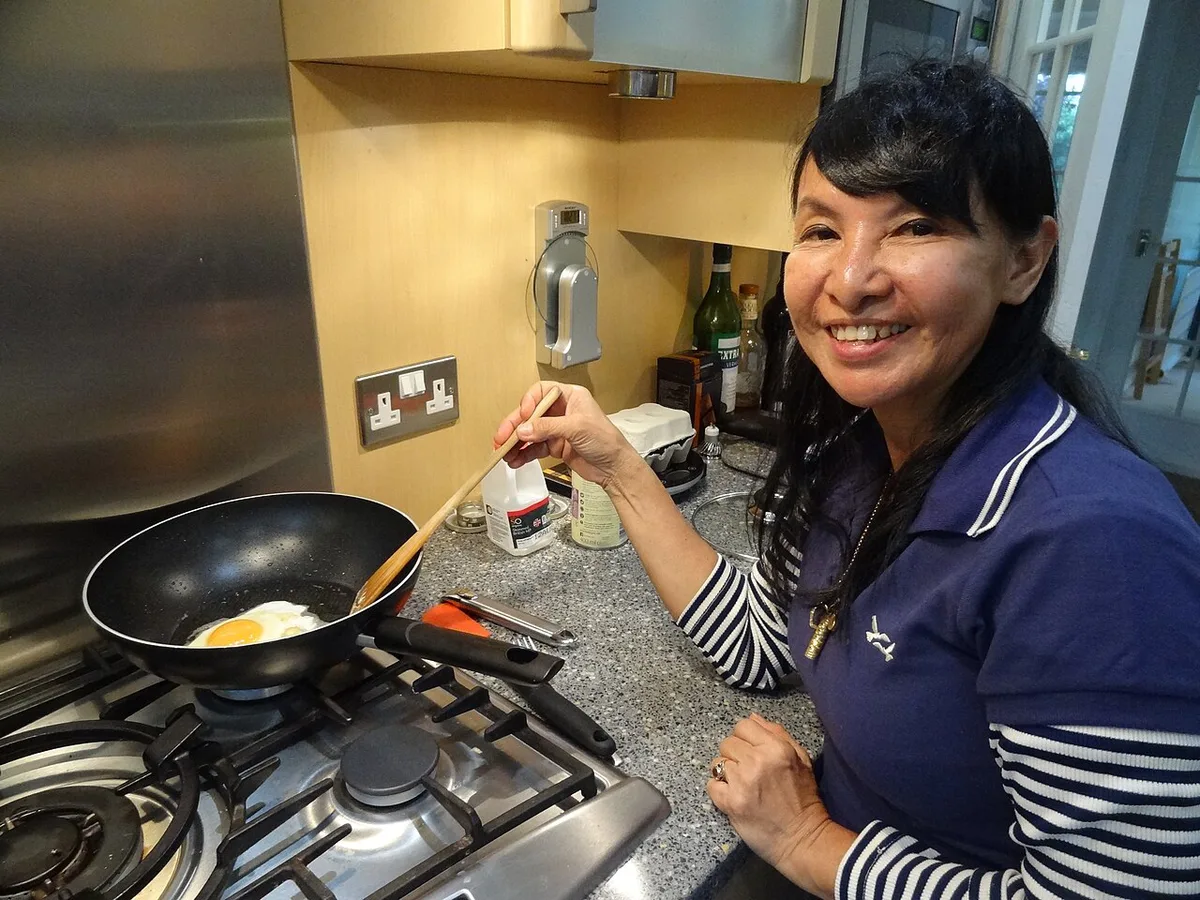
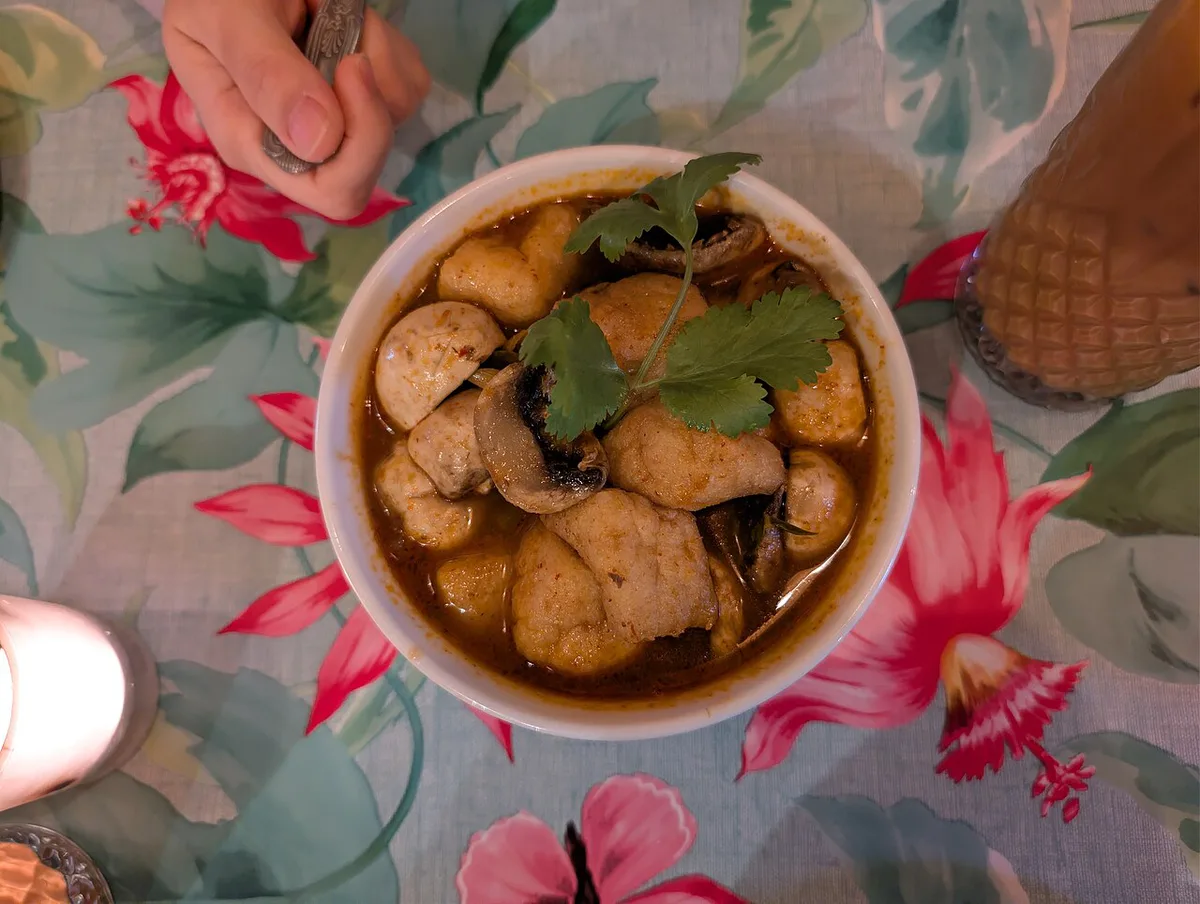
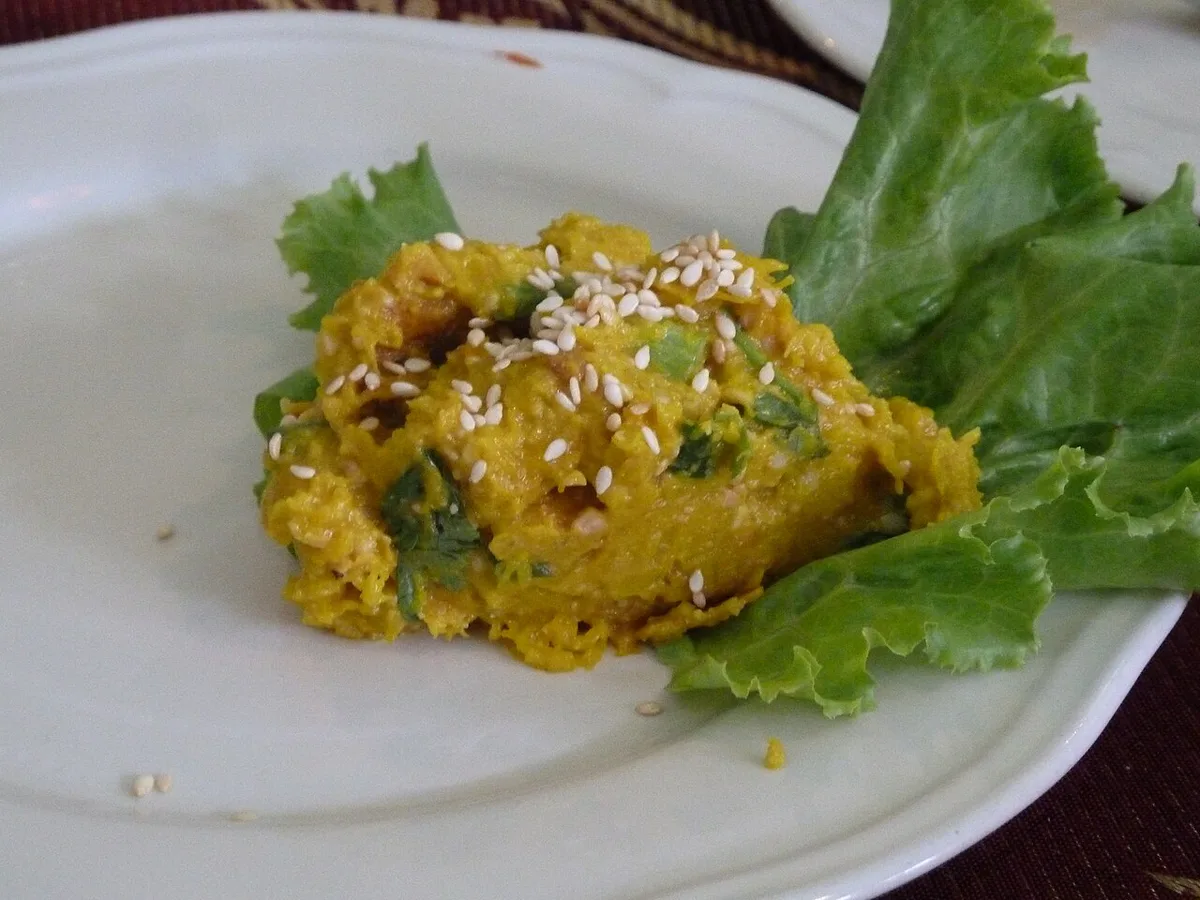
Menus usually cover a curry, a stir-fry, a soup, a salad and a dessert. Curry paste is often pounded by hand in a mortar and pestle, which shows how fragrant the base is. Rice is served alongside, and jasmine rice is the standard. Exact dishes vary by operator, so ask for the sample menu.
Eat before you cook if you can. Our street food guide shows what to try first. Our list of classic street dishes helps you recognise them on a class menu. Some operators teach northeastern recipes, which our guide to Isaan regional cooking explains. For the sweet course, see our dessert course ideas. Mango sticky rice is a common hope, but confirm it is taught before you assume.
The Michelin Guide Thailand selection is useful for seeing which dishes professional kitchens are recognised for.
Dietary Needs and Allergies
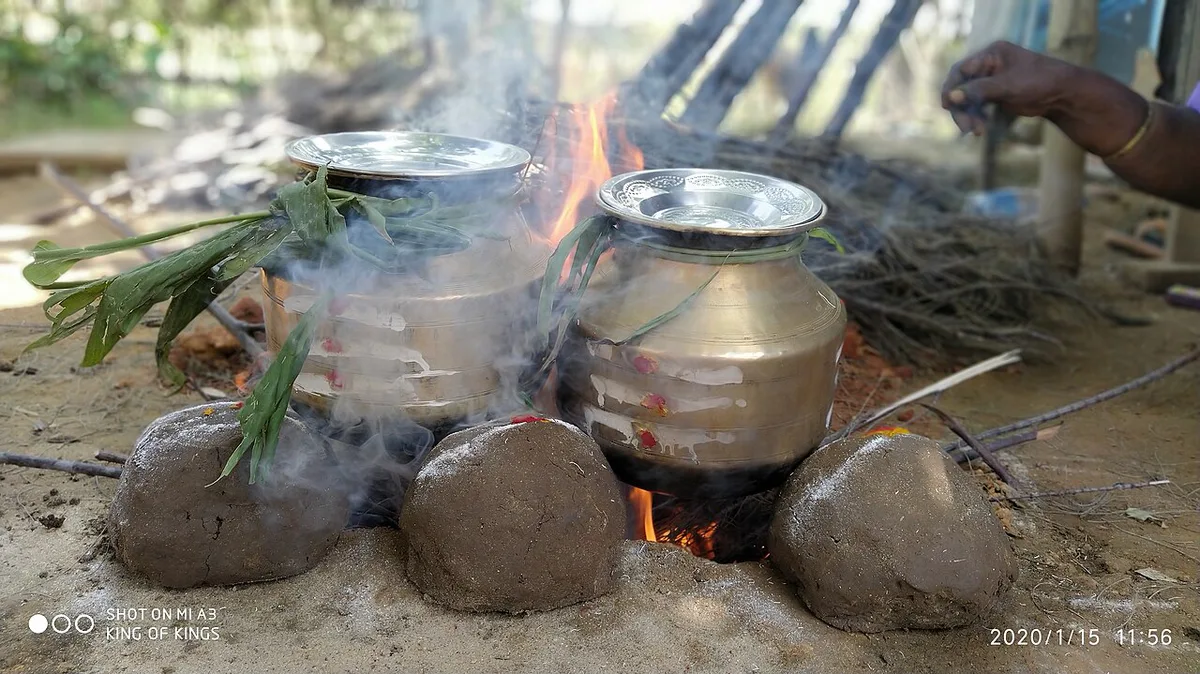
Fish sauce, shrimp paste and oyster sauce appear in many dishes that look vegetarian. Ask the operator how a vegetarian or vegan menu is handled. Ask whether substitutes are used for those three sauces. Share allergies in writing when you book, not on arrival.
Mistakes to Avoid
Booking a demo-only class by accident is the most common error, so read the description for words like hands-on. Another is ignoring spice level. Tell the instructor how much heat you want, because a pounded paste is hard to dial down later. Booking only from a photo without reading the schedule leaves you guessing about timing and inclusions. Skipping dietary notes can leave you with a menu you cannot eat. Finally, check that the meeting point matches the confirmation message, since home-kitchen classes can be hard to find.
Notes for your Thailand trip
Optional updates when we add or change a town or island guide.
You might also like
Continue reading
More guides you'll find useful