Thai Culture: Etiquette, Customs and Values for Visitors
Understand Thai culture before you go: the values behind Thai etiquette, temple and wai basics, festivals, and what to do and avoid in Bangkok.
On this page
Last updated November 2026: Thai culture rests on Buddhist-rooted values, respect for hierarchy, a calm manner and a taste for sanuk, which means fun. Bangkok shows all of it within a few hours, from spirit houses outside malls to temple courtyards and the Jim Thompson House. Learn the principles first, then apply them at specific places in the city.
Featured image: Don Christie, CC BY-SA 4.0, via Wikimedia Commons.
What Thai Culture Is in a Nutshell
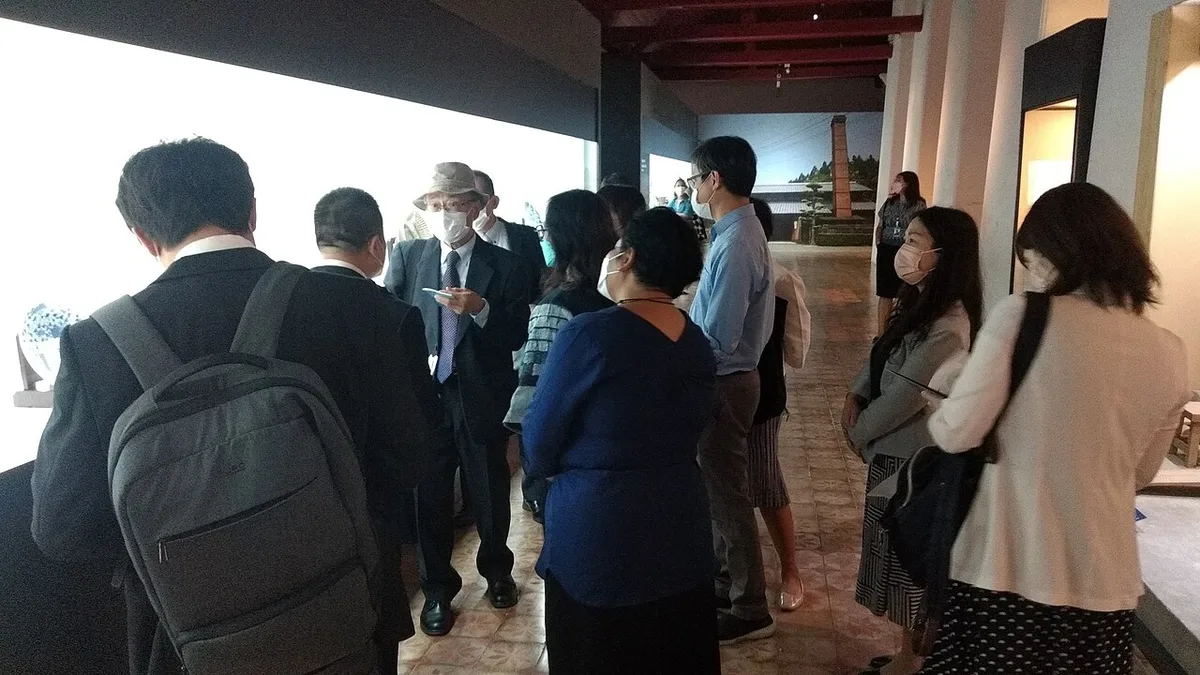
Thai culture blends Theravada Buddhism, older spirit beliefs and a strong sense of rank and courtesy. Harmony matters more than winning an argument. Calm voices, smiles and indirect answers are the everyday result. Regional and generational variation is real, so treat every rule below as a strong tendency rather than a law of nature. Keep these five points in mind.
- Stay calm. Raised voices and visible anger lose face for everyone involved.
- Dress modestly at temples and take your shoes off when you see a row of them.
- Treat the head as high and the feet as low.
- Return a wai with a smile, a nod or a wai of your own.
- Speak about the monarchy and Buddha images with care.
The Values Behind Thai Etiquette
Most rules make sense once you know a handful of ideas. Kreng jai means not wanting to impose, which is one reason a polite yes may not be a firm yes. Jai Yen, the cool heart, is the goal in conflict. Jai rawn, the hot heart, is what you avoid. For a broader rulebook, read our guide to everyday Thai etiquette. Expect to meet the ideas below within your first day.
| Concept | Rough meaning | When you will meet it |
|---|---|---|
| Sanuk | Making things enjoyable | Markets, shared meals, jokes with vendors |
| Kreng jai | Consideration, not imposing | A vague answer to a direct question |
| Jai Yen | Cool heart, staying calm | Queues, delays, bargaining |
| Mai pen rai | Never mind, no problem | After a small mishap or apology |
| Nam jai | Generosity, water from the heart | Offers of food or help |
| Sabai sabai | Comfortable, relaxed | Cafes, massage shops, slow afternoons |
Greetings and Respect: the Wai, Hierarchy and Polite Speech
The wai places the palms together near the chest with a slight bow. Younger people usually wai first, and elders often answer with a lighter gesture. Visitors are not expected to master it. A smile and a returned wai is the safe default. Our note on how to return a wai covers hand height in detail. At the end of a sentence, men add krub and women add ka. Learn a few polite Thai words before you land. Thais also use family terms such as pii for an older person and Nong for a younger one, even with strangers.
Temples and Spirituality
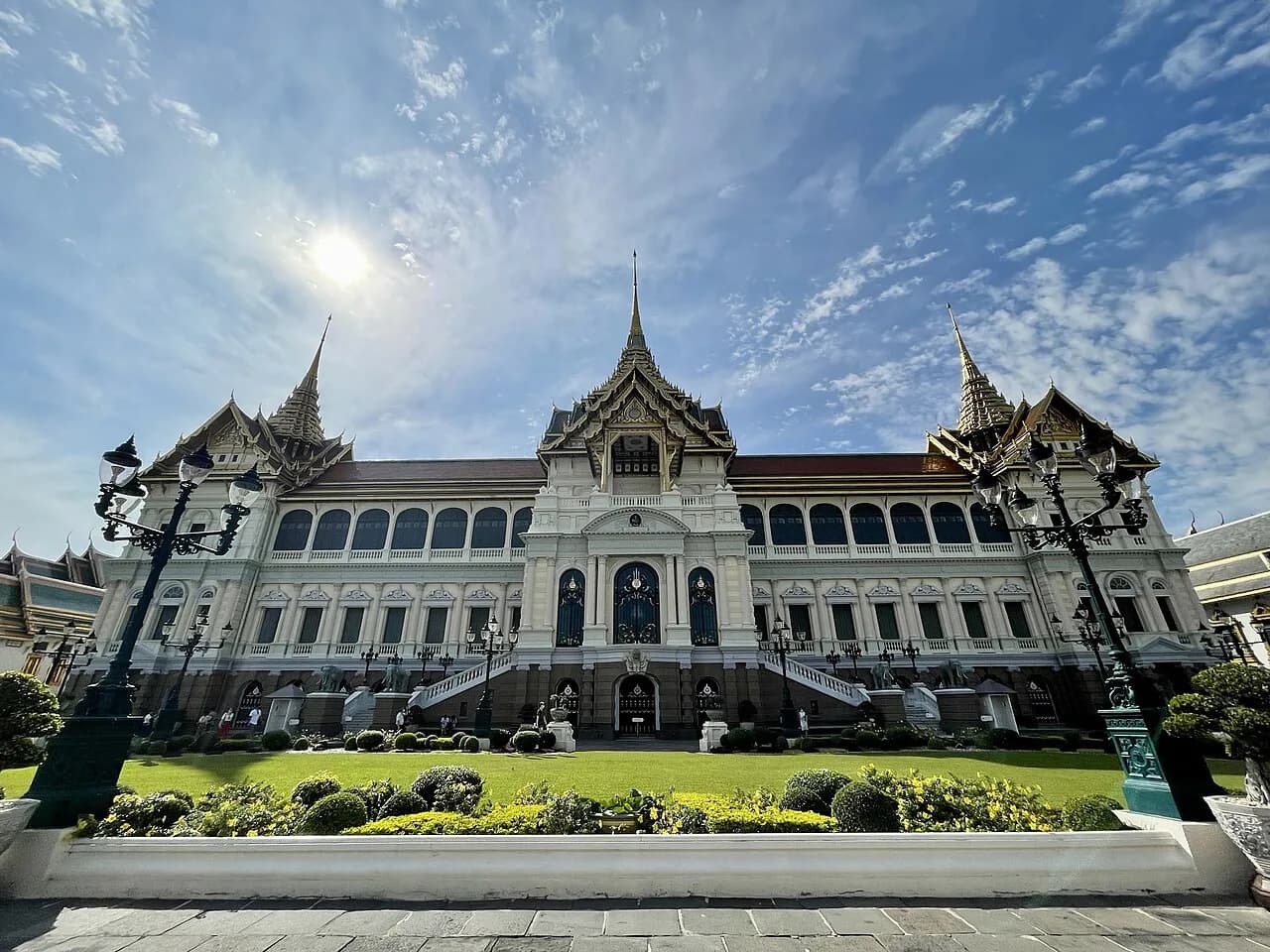
Wats are active community places, not only landmarks. Monks collect alms early in the morning, and you can watch quietly without blocking their path. Cover your shoulders and knees, and remove your shoes before entering a hall. Dress rules differ by temple. Check the official page of the specific site before you go, because no rule is universal. Spirit houses stand outside many homes, hotels and malls. People leave flowers, incense and drinks such as red soda for the spirits, so never move or touch the offerings. Plan your route with our guide to visiting Thai temples. For a wider view, see Buddhist temples across the country.
Do's and Don'ts at a Glance
Rules shift with the setting. Use this table as a quick reference. In every case, an apology and a smile fix most slips.
| Setting | Do | Avoid | If you slip |
|---|---|---|---|
| Temple | Cover shoulders and knees, remove shoes, speak softly | Pointing your feet at a Buddha image, climbing or touching it | Step back, wai lightly, adjust |
| Home | Remove shoes at the door | Stepping over people or food | Apologise and move on |
| Street or market | Stay calm while bargaining | Touching heads, even of children | Smile and apologise |
| Public ceremony | Stand quietly when others stand | Chatting or filming during the ceremony | Stop and follow the crowd |
Royalty, the Anthem and Where Etiquette Becomes Law
Etiquette is soft and forgiving. A few topics carry legal weight. Thailand has laws that protect the monarchy, and Buddha images are treated seriously. Avoid jokes, criticism and commentary on royalty. Pictures of the royal family are common in public spaces, so treat them respectfully. Sources commonly report that the national anthem plays in public places at 8 am and 6 pm. Verify current practice locally, because it can vary by place. If music starts and people stop, pause and stand quietly. Check official government sources for the exact legal wording, because penalties are best confirmed first-hand.
| Topic | Etiquette or law? | Practical response |
|---|---|---|
| Wearing shorts to a Wat | Etiquette, with possible refusal at the gate | Carry a scarf or long layer |
| Pointing feet at people | Etiquette | Tuck your feet under you |
| Monarchy remarks | Legal exposure | Stay silent on the subject |
| Climbing Buddha statues | Etiquette and potential legal trouble | Photograph from a respectful distance |
Food, Money and Everyday Social Customs
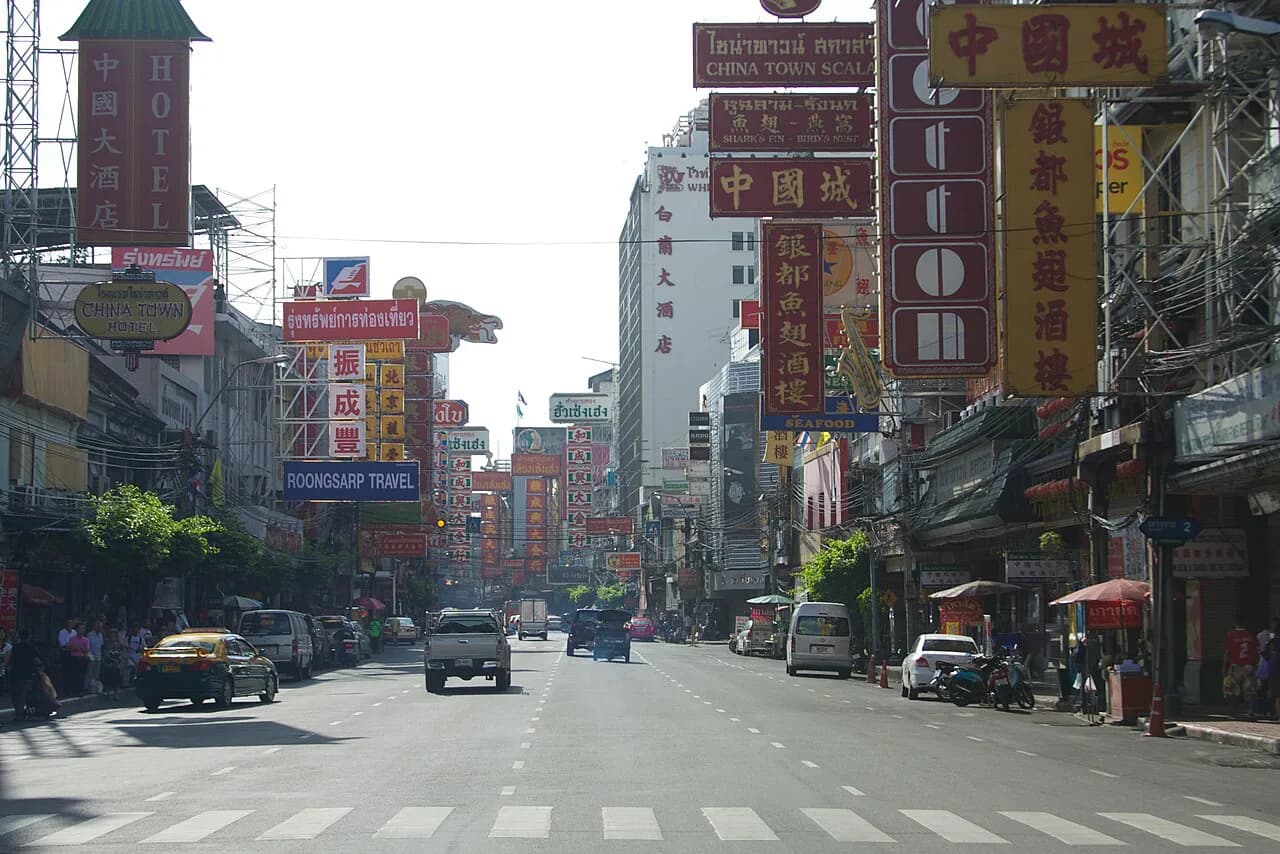
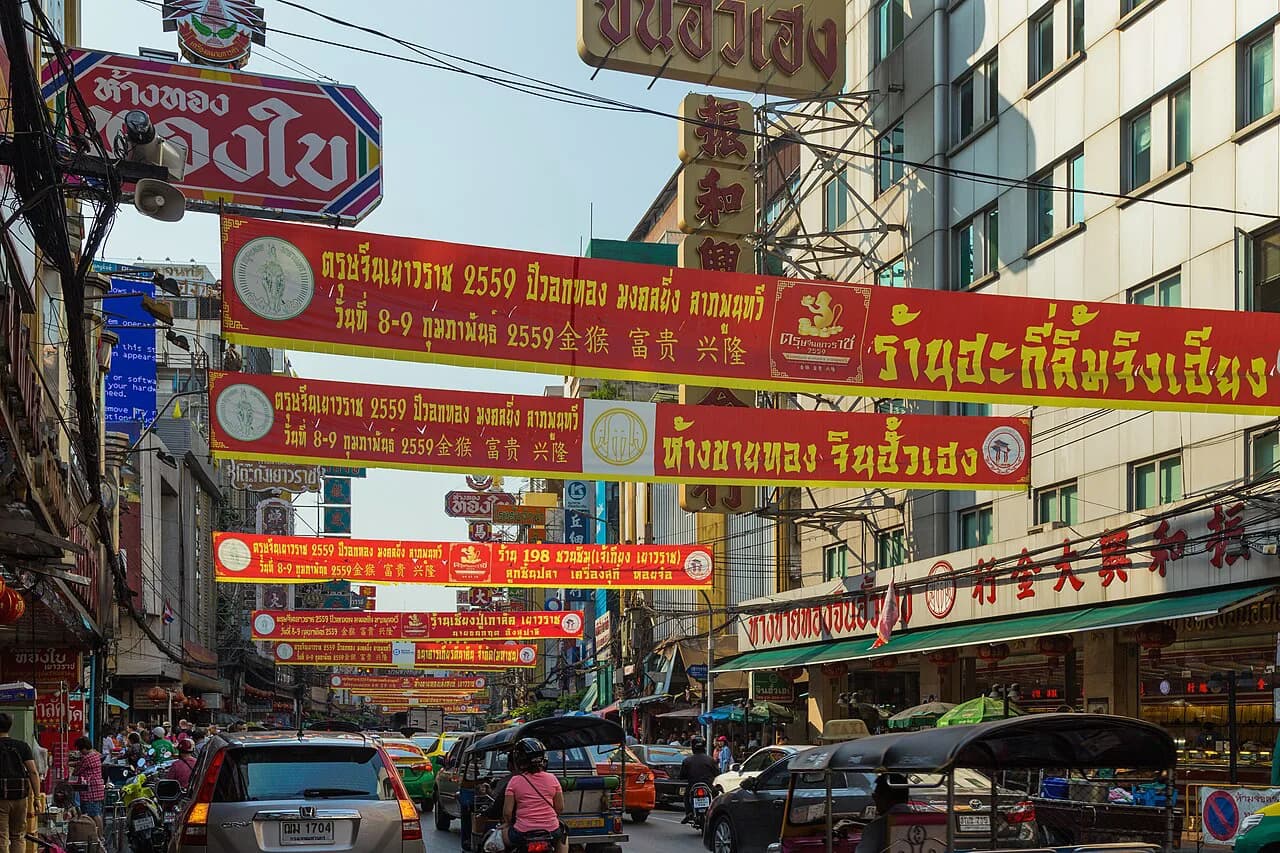
Thai meals are shared. Dishes land in the middle and everyone helps themselves. Street food is a daily habit, from stools along Yaowarat Road to market stalls near your hotel. Use a spoon for rice and a fork to push food onto it. Wait for older companions to start eating. Hosts often insist on paying, and your polite counter-offer is part of the ritual. For small extras, read our page on tipping norms. Check current rates there rather than trusting an old figure.
Festivals and Traditional Arts
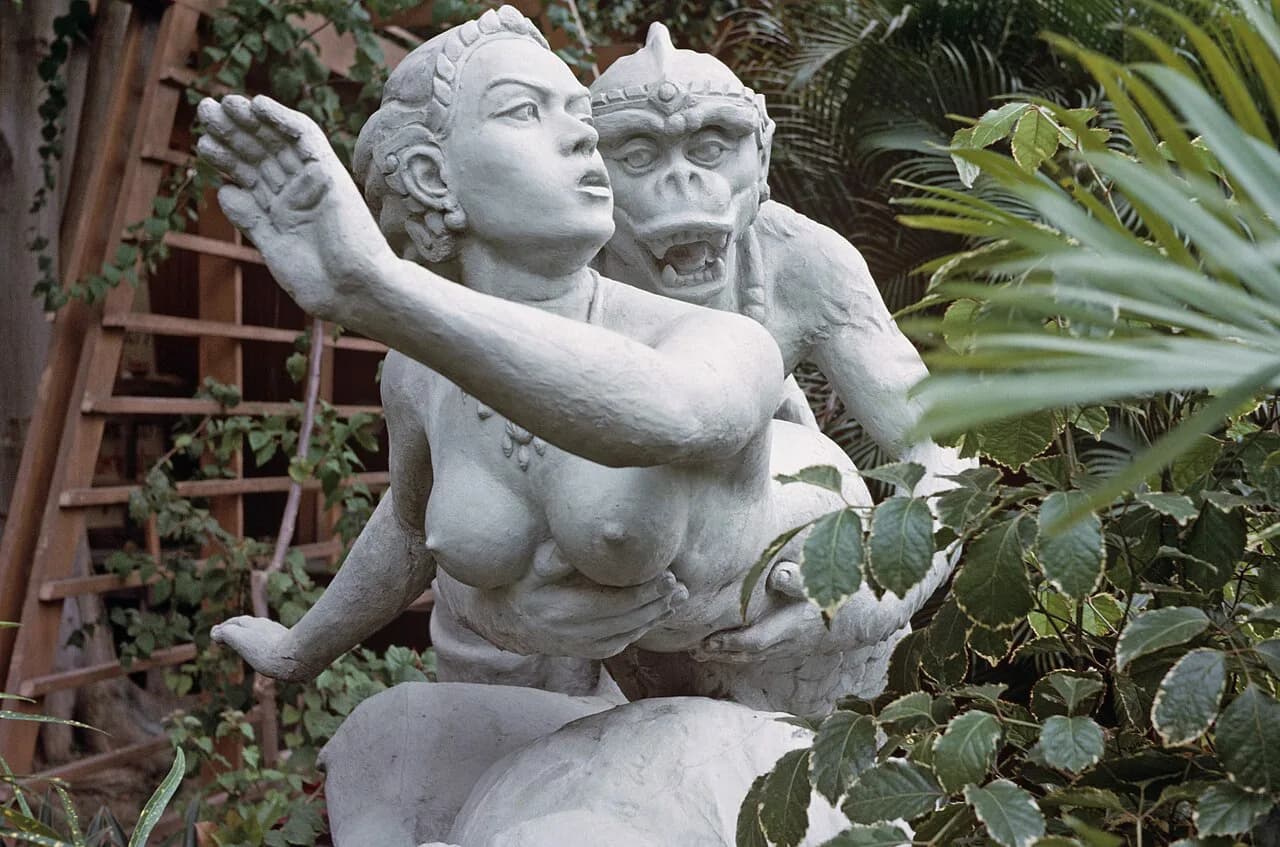
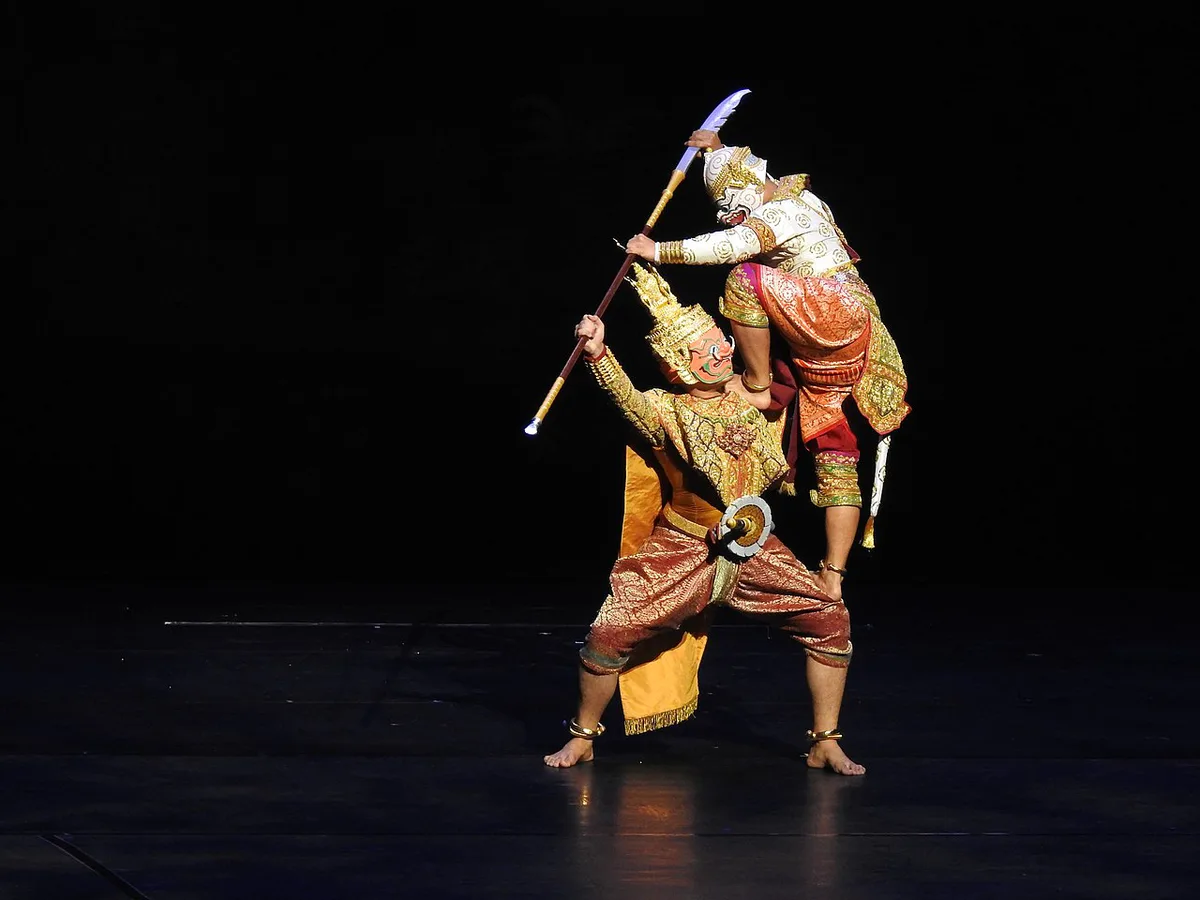
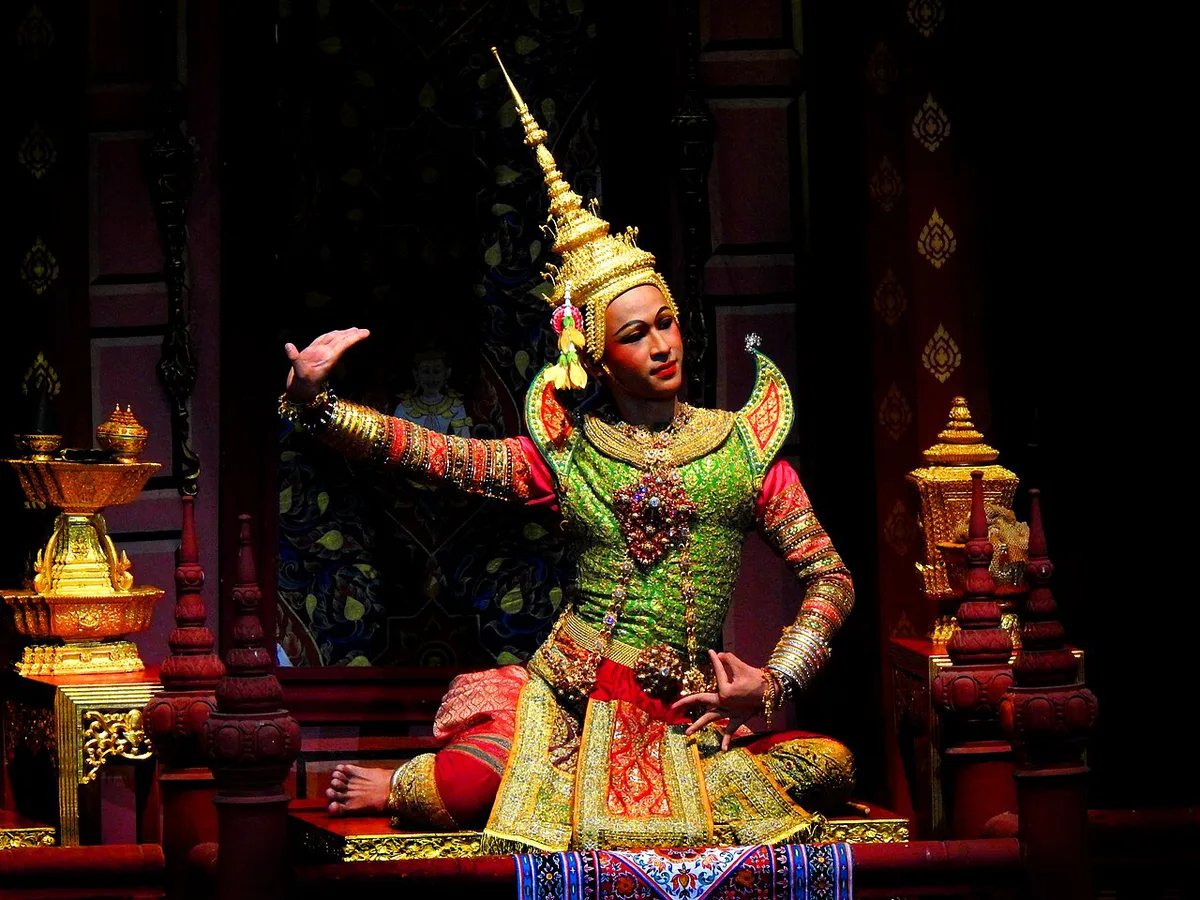
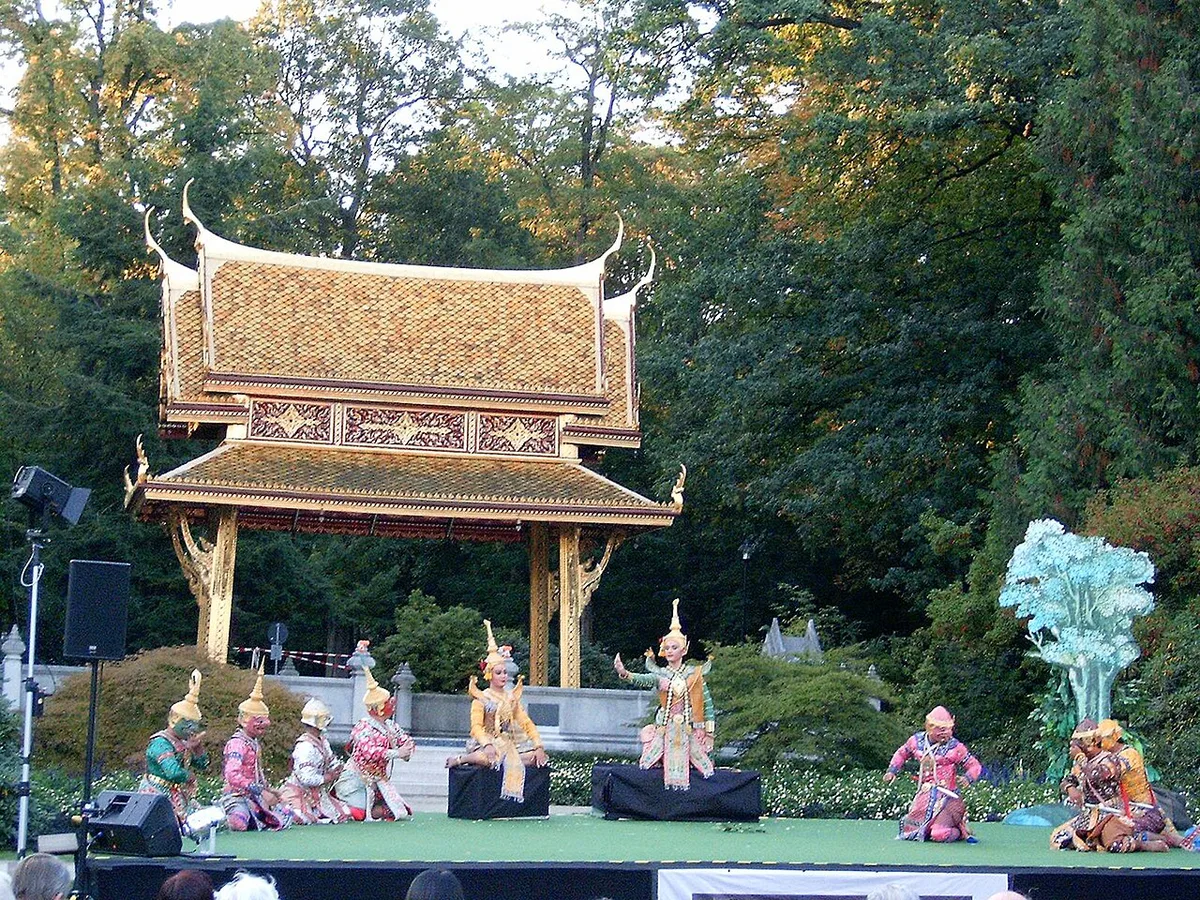
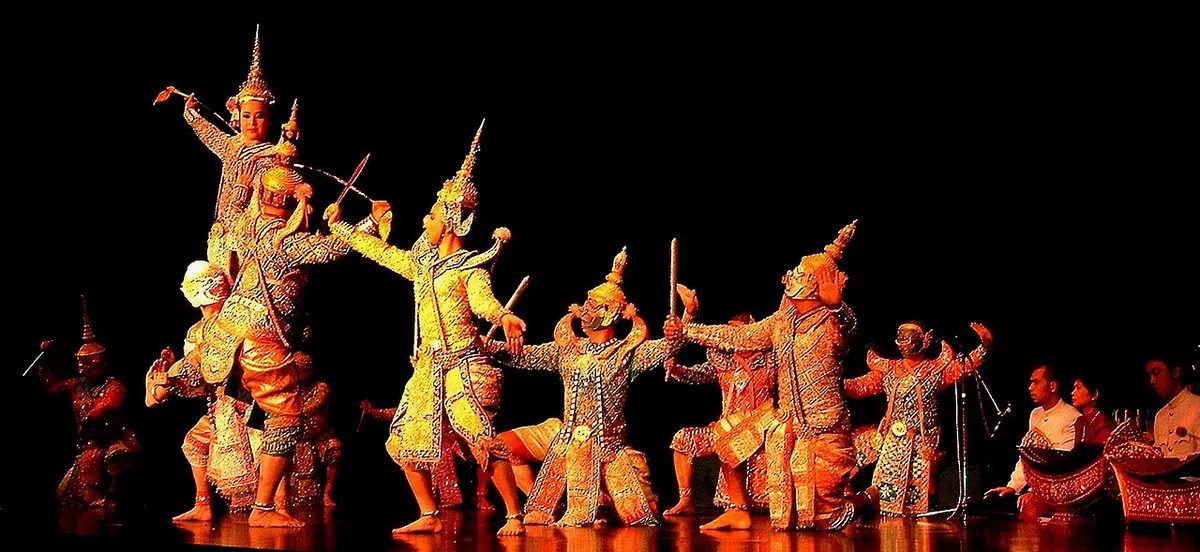
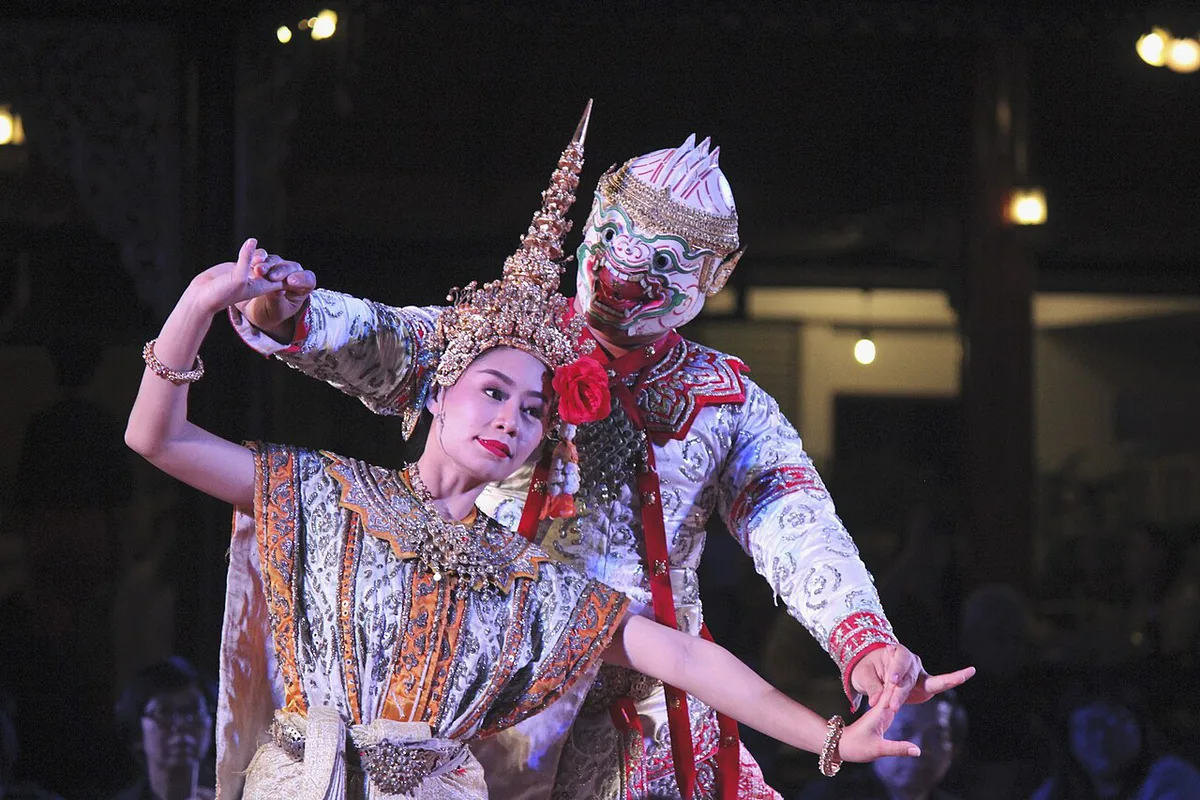
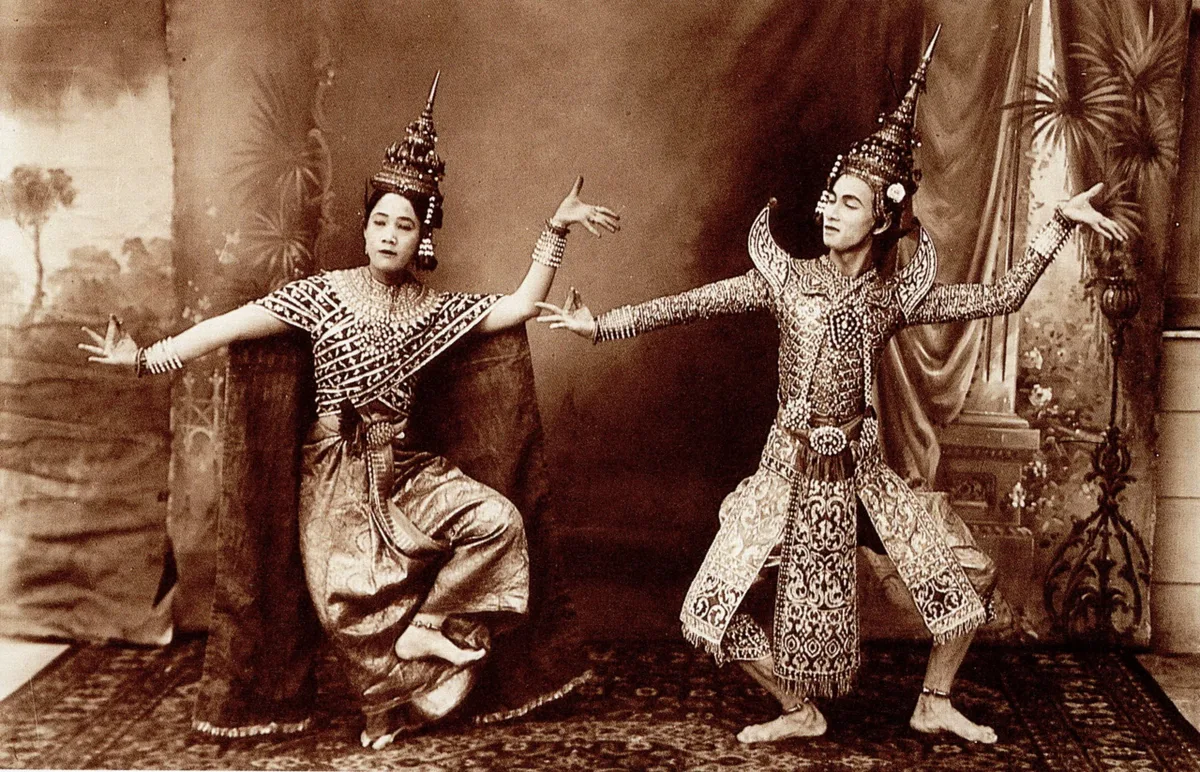
Songkran, the Thai New Year, falls in April. Water fights are the famous side, while the ritual pouring of water on elders is the quieter one. Loy Krathong usually falls in November, when people float small candlelit offerings on rivers and lakes. Confirm the current-year dates with the tourist authority before you book, and expect crowds and some closures. The classical Khon dance tells stories from the Ramayana and was once performed for royalty. The fingernail dance, fawn lep, belongs to the Lanna north. Thai silk weaving became internationally known through Jim Thompson. Read about silk weaving traditions before you shop. Then browse craft souvenirs that support makers. Muay Thai is also a living tradition with its own etiquette. Visit Muay Thai training gyms only after learning the greeting rituals. UNESCO's Thailand country page is a good place to check heritage recognition.
Culture in Bangkok: A Practical Half-Day Plan
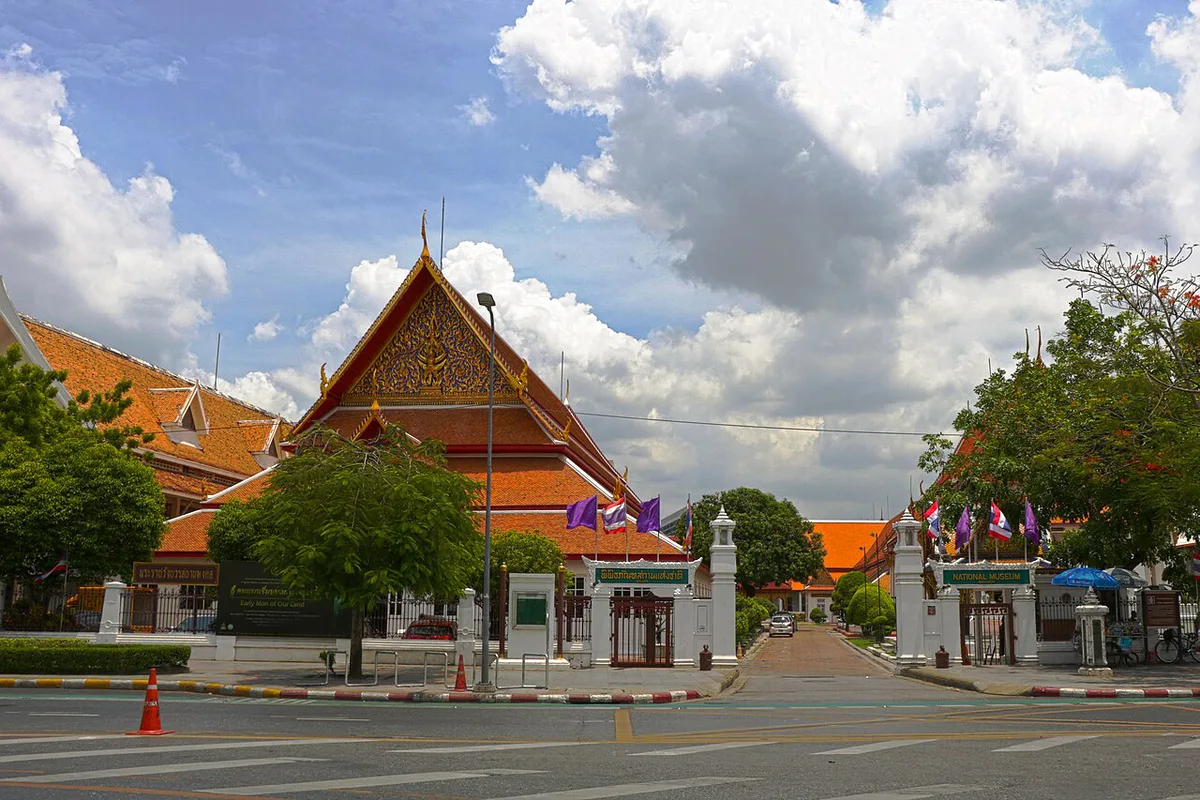
Official sources are the only safe place for hours, fees and dress rules, so none are quoted here. Check the Jim Thompson House Museum site and the Fine Arts Department for the National Museum before you set out.
Around 8 am and 6 pm, the anthem may play during the morning temple stop in the half-day plan.
- Morning: visit a working temple and observe the dress rules posted at the gate.
- Midday: eat at a street stall on Yaowarat Road.
- Afternoon: tour the Jim Thompson House and see Thai silk in context.
- Alternative: spend the afternoon at the National Museum.
Common Mistakes and What To Do If You Slip
Everyone makes small errors. Common ones include touching a head, pointing a foot or wearing the wrong clothes at a temple gate. Stop, apologise quietly, smile and offer a light wai. Do not over-explain. Mai pen rai usually means the moment has passed, though a smile can also cover discomfort, so watch body language. Elsewhere, the north, Isan and the Muslim south have their own customs, so adjust as you travel.
Frequently Asked Questions
What happens at 6pm in Thailand?
Many public places are commonly reported to play the national anthem at 8 am and 6 pm. If you hear it, pause and stand quietly with those around you. Practice varies by location, so follow local cues.
Notes for your Thailand trip
Optional updates when we add or change a town or island guide.
You might also like
Continue reading
More guides you'll find useful