Thai Customs & Etiquette: What Visitors Need to Know
Thai customs for visitors: the wai, temple shoes-off rules, feet and heads, the royal family and anthem times, with Bangkok examples and recovery scripts.
On this page
Last updated November 2026: Thai customs for visitors come down to six habits. Return a wai, take your shoes off at the door, keep your feet low, and cover your shoulders and knees at temples. Stand still for the anthem and never joke about the monarchy. Looking for border customs? We cover airport rules in a short section below.
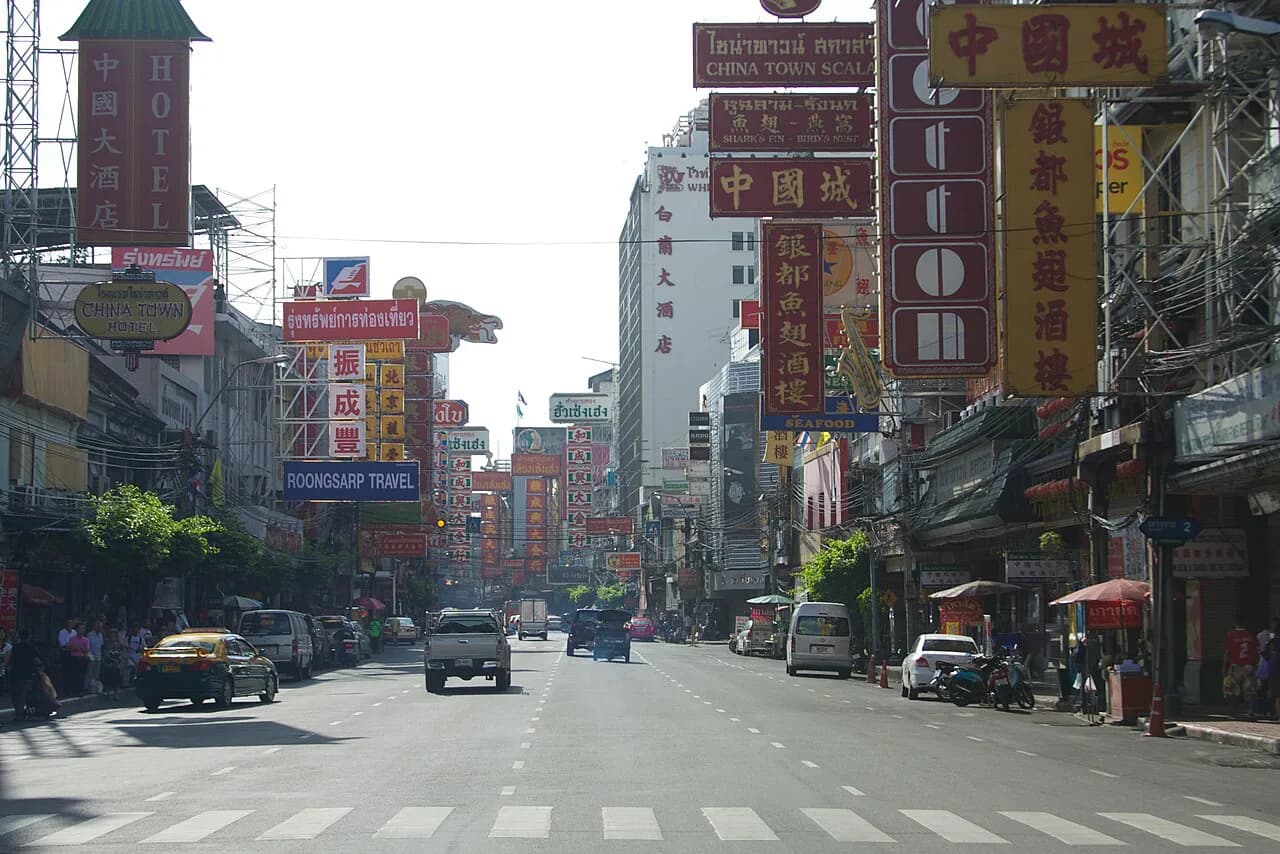
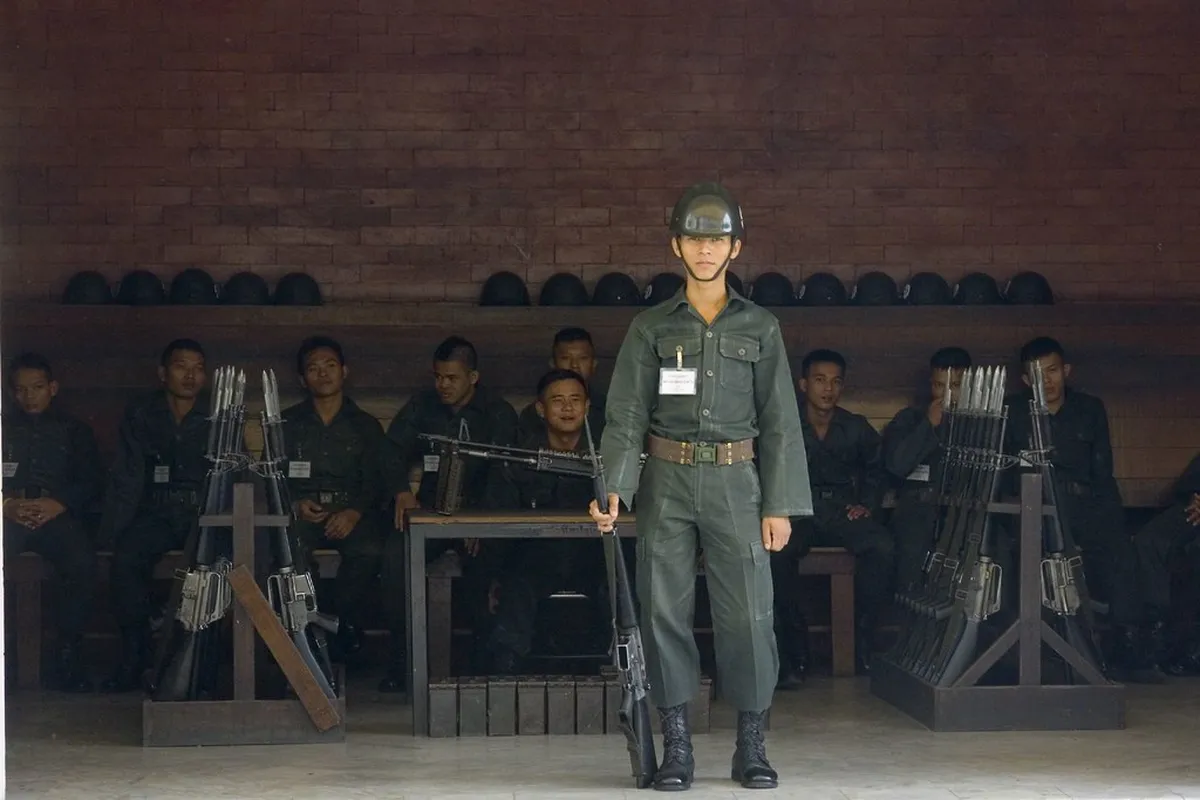
Featured image: Deror Avi, CC BY-SA 3.0, via Wikimedia Commons.
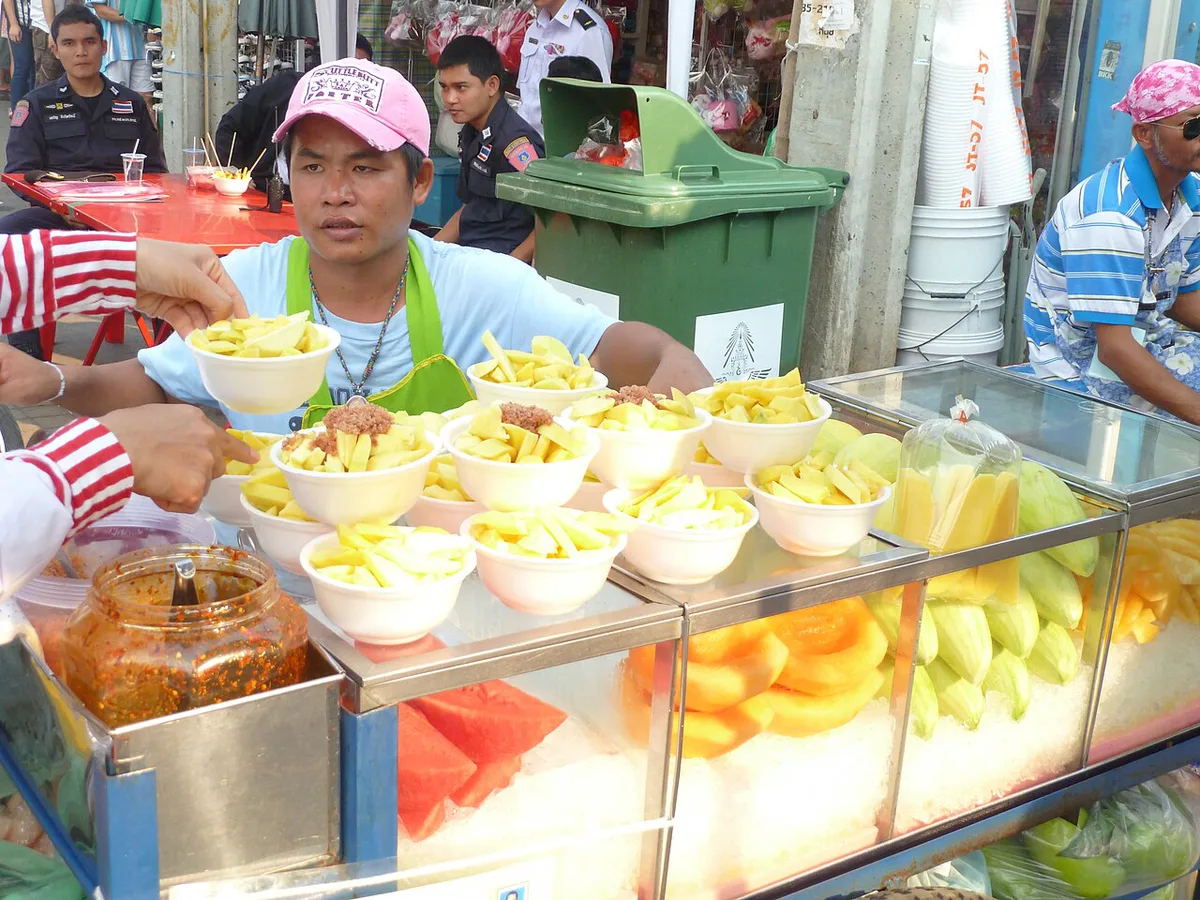
The Thai customs visitors most often get wrong
We'd treat this table as a Bangkok cheat sheet. Customs vary by region and generation, and enforcement is relaxed in tourist areas. Still, these habits cost nothing and earn goodwill fast.
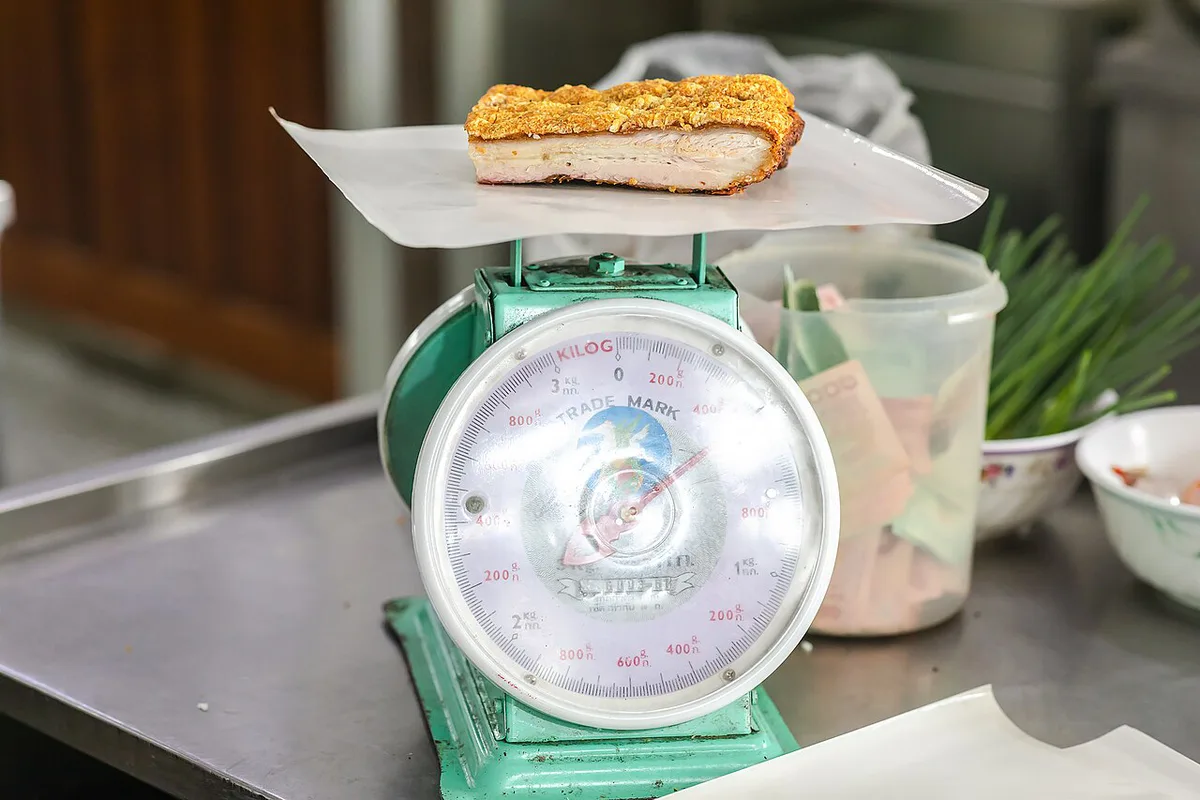
| Custom | What to do | What to avoid |
|---|---|---|
| The wai | Return a wai at the same height | Waiing back to children or shop staff is not expected |
| Shoes | Take them off if a pile sits at the door | Walking onto a temple floor or into a home in shoes |
| Feet | Tuck them behind you when sitting on a temple floor | Pointing soles at people, monks or Buddha images |
| Head | Leave heads alone, including children's | Patting or touching anyone's head |
| Temple dress | Cover shoulders and knees; carry a light scarf | Sleeveless tops and shorts at the gate |
| Monks | Give them space and let them lead | Casual physical contact; check temple signs |
| Royal family | Stay respectful and neutral | Jokes or criticism, in person or online |
| Money | Treat notes with care | Stepping on a dropped banknote |
| Voice | Stay calm and smile | Raised voices in a dispute or taxi negotiation |
Greetings and the wai: who wai-s first
Hands together at chest height with a small bow is the greeting, the thank-you, the apology and the goodbye. Hands rise with respect: chest height for peers, nose height for elders and bosses, and forehead height for monks and the royal family. Our guide to the How to Wai in Thailand: Thai Greeting Etiquette for Visitors covers hand shapes in more detail. Return a wai you receive. Hotel staff, waiters and children usually wai first, and a smile and a nod is the right answer. Heights are general guidance, and individuals vary.
- Peer: wai back at chest height.
- Elder or boss: wai first, hands near nose height.
- Monk: a deeper wai, hands near forehead height.
- Hotel or shop staff: smile and nod.
- Child: smile and nod.
Temples and monks: shoes, dress and posture
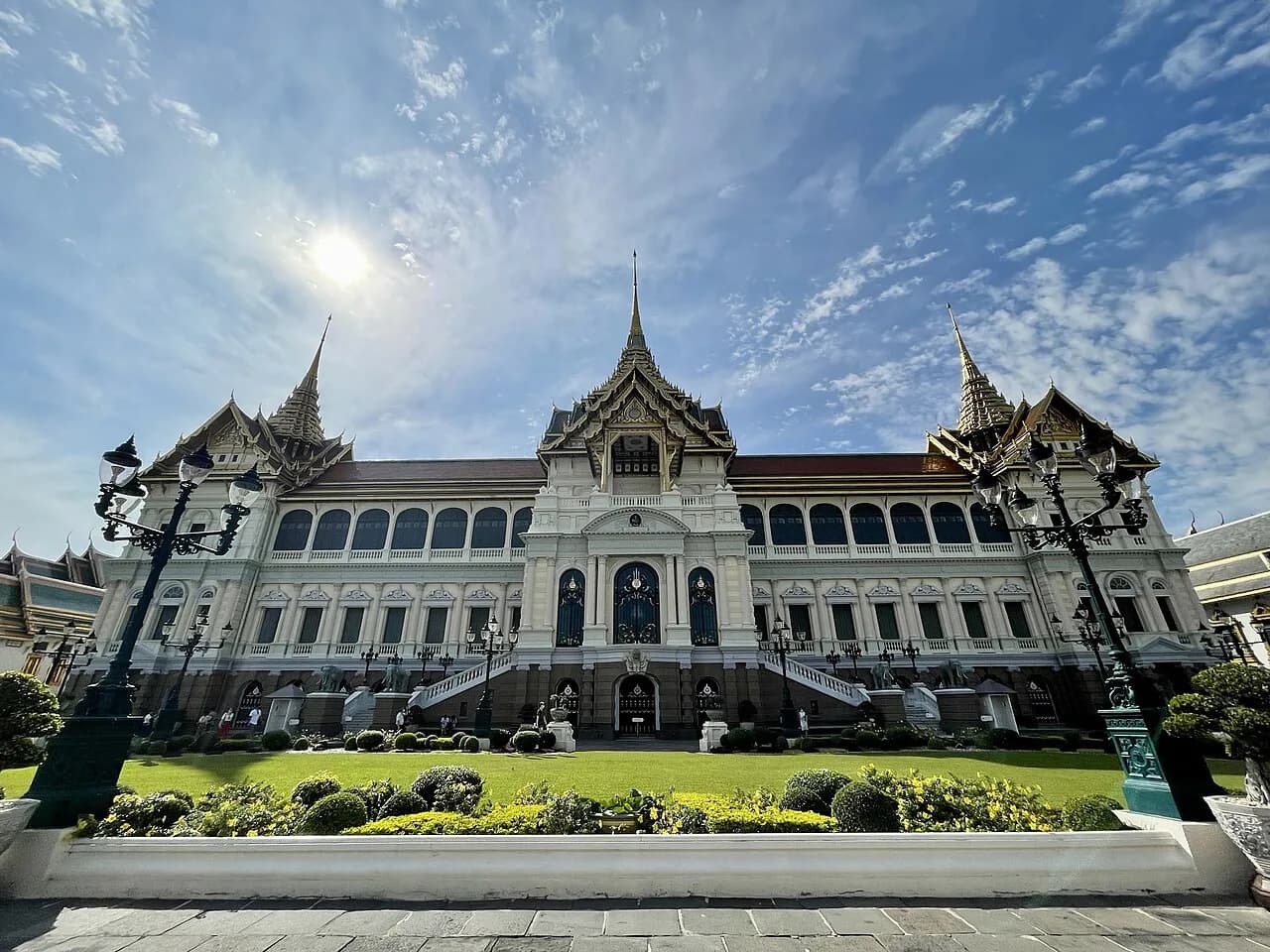
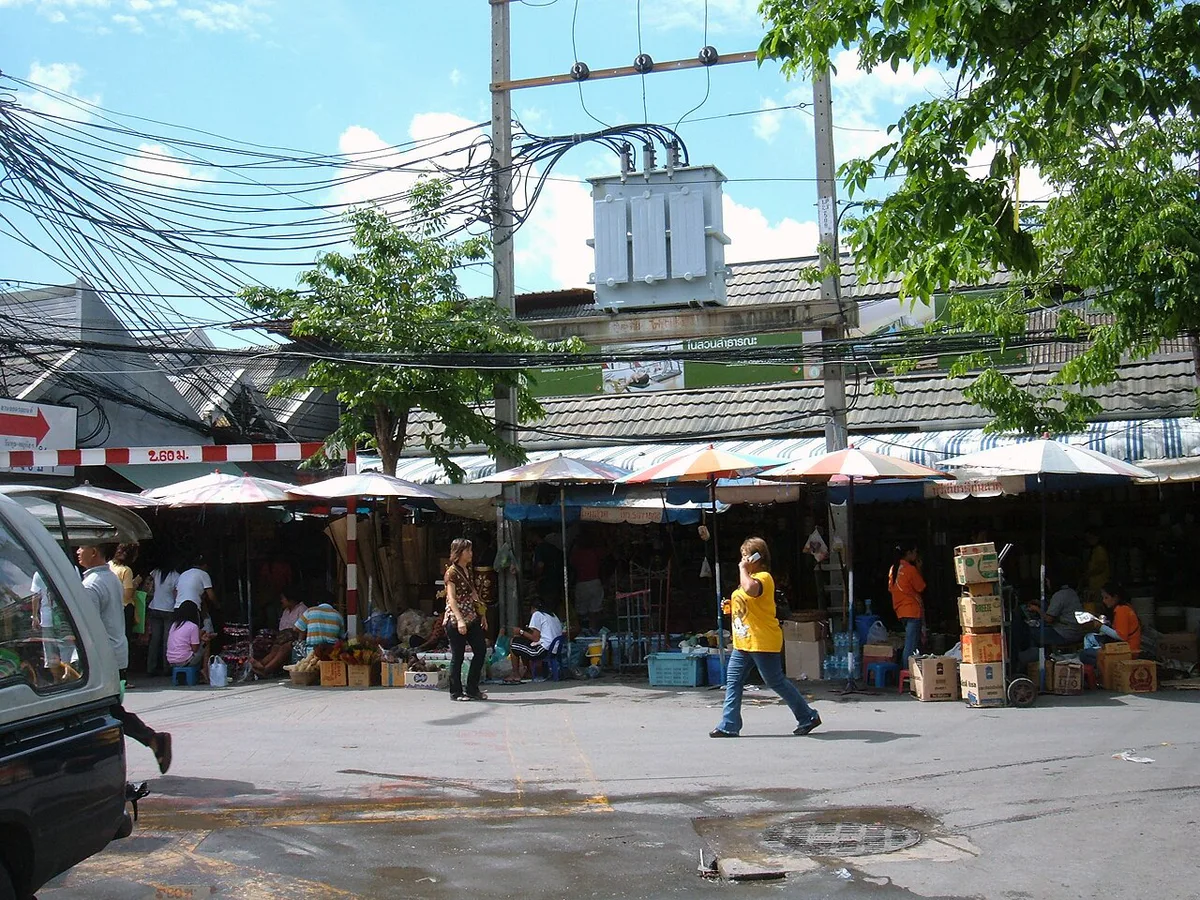
Shoes come off at temple halls, homes, many guesthouses and some shops. If a pile of shoes sits outside, add yours. Shoulders and knees should be covered at temples and the Grand Palace, and a light scarf in your bag solves most gate problems. Getting dress wrong can mean a detour to buy cover-ups, so pack them before you leave the hotel. Our guide to 8 Thai Temples: Best Wats by Region, Costs and Etiquette lists what to see. Our overview of Buddhist Temples in Thailand: Where to Go and How to Visit adds the regional picture. Sitting on a temple floor, tuck your feet behind you. Check each site's current dress rules, since policies change.
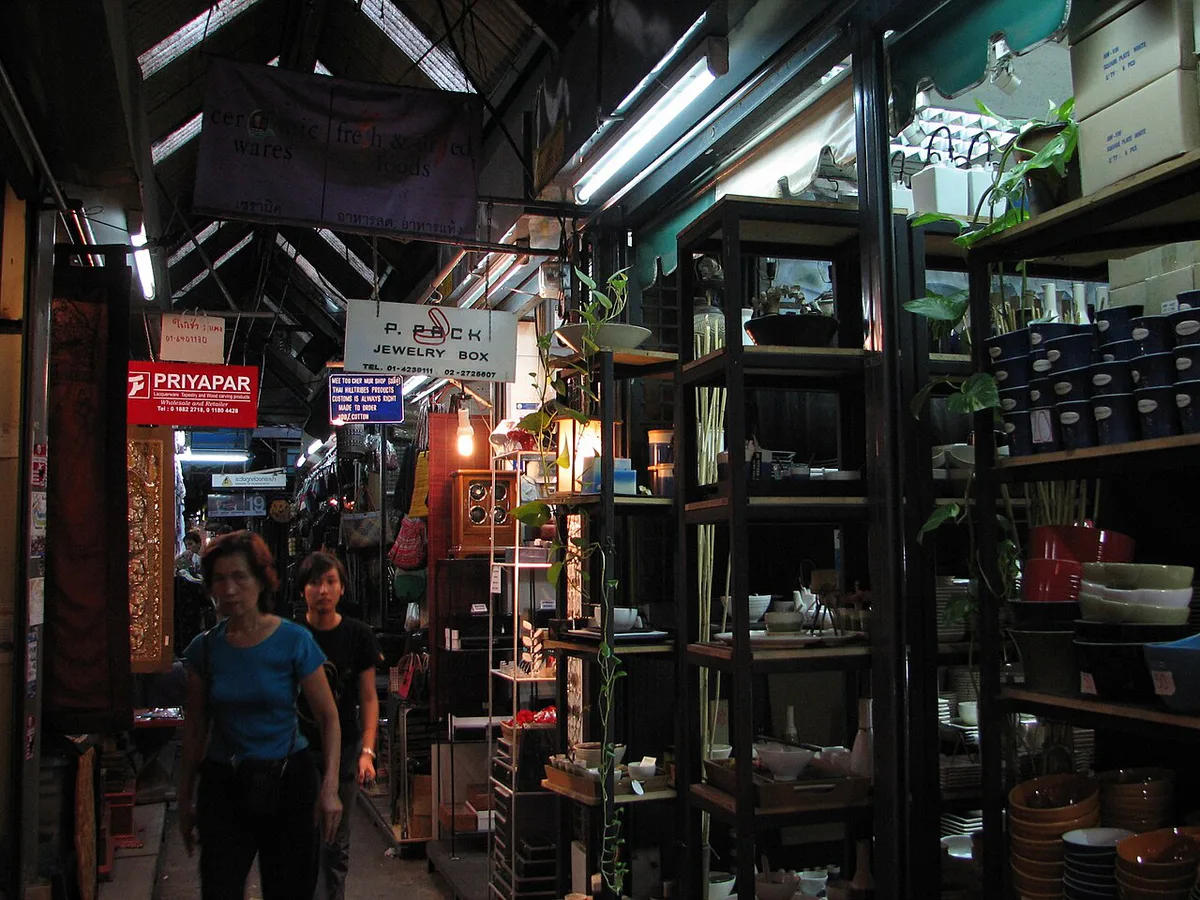
- Carry a scarf or light long trousers in your day bag.
- Remove shoes before the hall, not at the altar.
- Give monks space and avoid physical contact.
- Silence your phone inside the hall.
Head, feet and body language
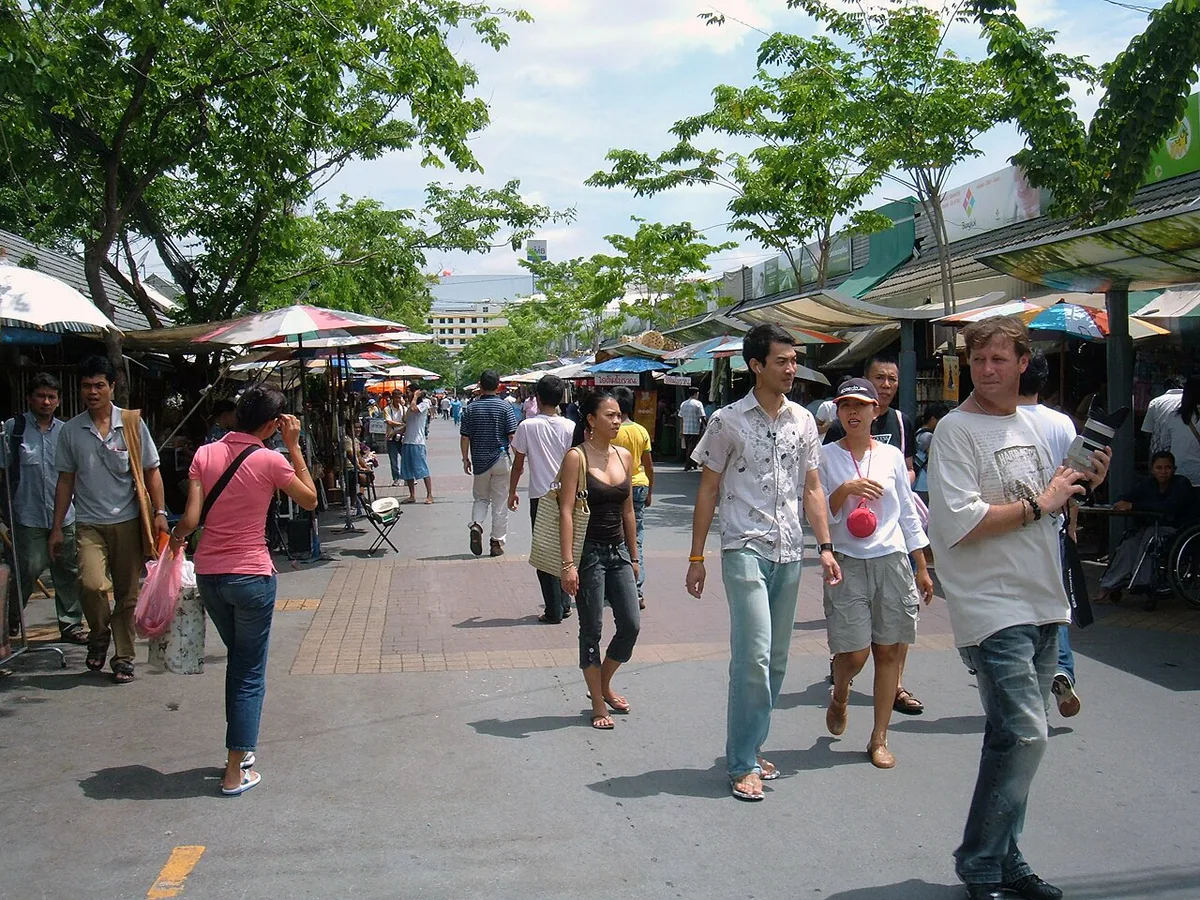
The head is the highest and holiest part of the body, and the feet are the lowest. Do not touch anyone's head. Do not point your feet at people, monks or Buddha images. Skip stepping over people or food, and never push a door shut with your foot. On a crowded Skytrain or in a street-food stall, tuck your feet in rather than stretching them out. Banknotes carry the King's face, so never step on one to stop it blowing away.
The anthem at 8am and 6pm, and the monarchy
At 8am and 6pm the national anthem plays in schools, stations, parks and government buildings, and on television and radio. Everyone stops and stands still until it ends, and it lasts under a minute. If you are walking, stop. If you are eating, pause and stay still. Nobody minds a tourist who is unsure, but everyone notices one who keeps walking. Cinemas also play a royal anthem and tribute video before films. Stand with everyone else and sit when they do. Criticising or joking about the monarchy is a criminal offence under Thailand's lèse-majesté law, and it applies to visitors and social media posts. Leave the subject alone.
Spirit houses, amulets and daily beliefs
The small shrines on a plinth outside almost every building are spirit houses. They are homes for guardian spirits, and the offerings of red Fanta, rice and garlands are replaced daily. Look, but do not touch and do not step on offerings. Amulets, sacred tattoos and day colours belong to the same everyday spiritual life. Our Thai Culture: Etiquette, Customs and Values for Visitors guide goes deeper. Thais often use a one-syllable nickname, so use it instead of struggling with the full name. If you train at a gym, our Muay Thai Camps in Thailand: How to Choose (Bangkok Guide) guide explains ring etiquette.
Money, tipping and staying calm
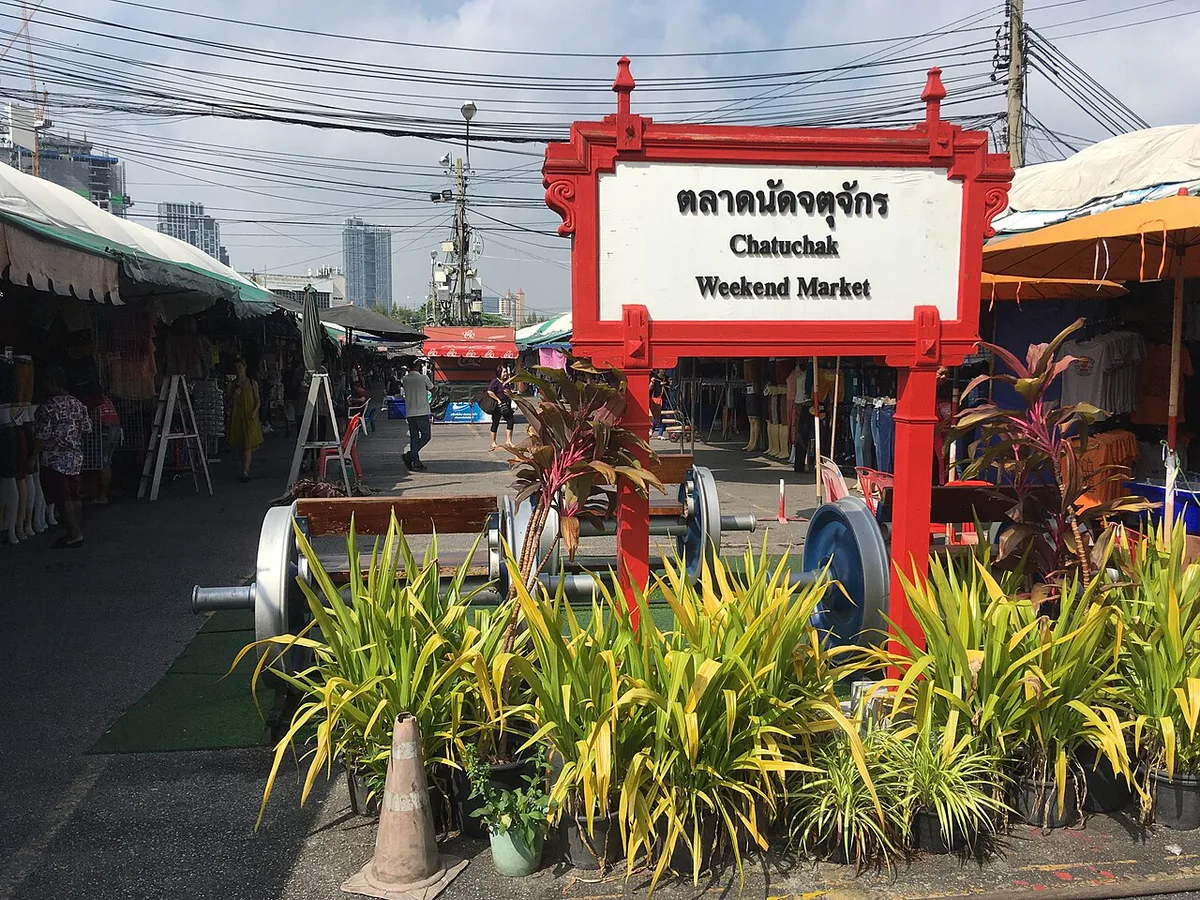
Raised voices and public anger lose face for everyone involved. A smile and patience work far better in a dispute, a queue or a taxi negotiation. For tipping habits, read our guide to Tipping in Thailand: How Much, Who and When (2026). We'd keep bargaining friendly and brief, and walk away politely if the price does not suit.
Bringing Buddha images and souvenirs through airport customs
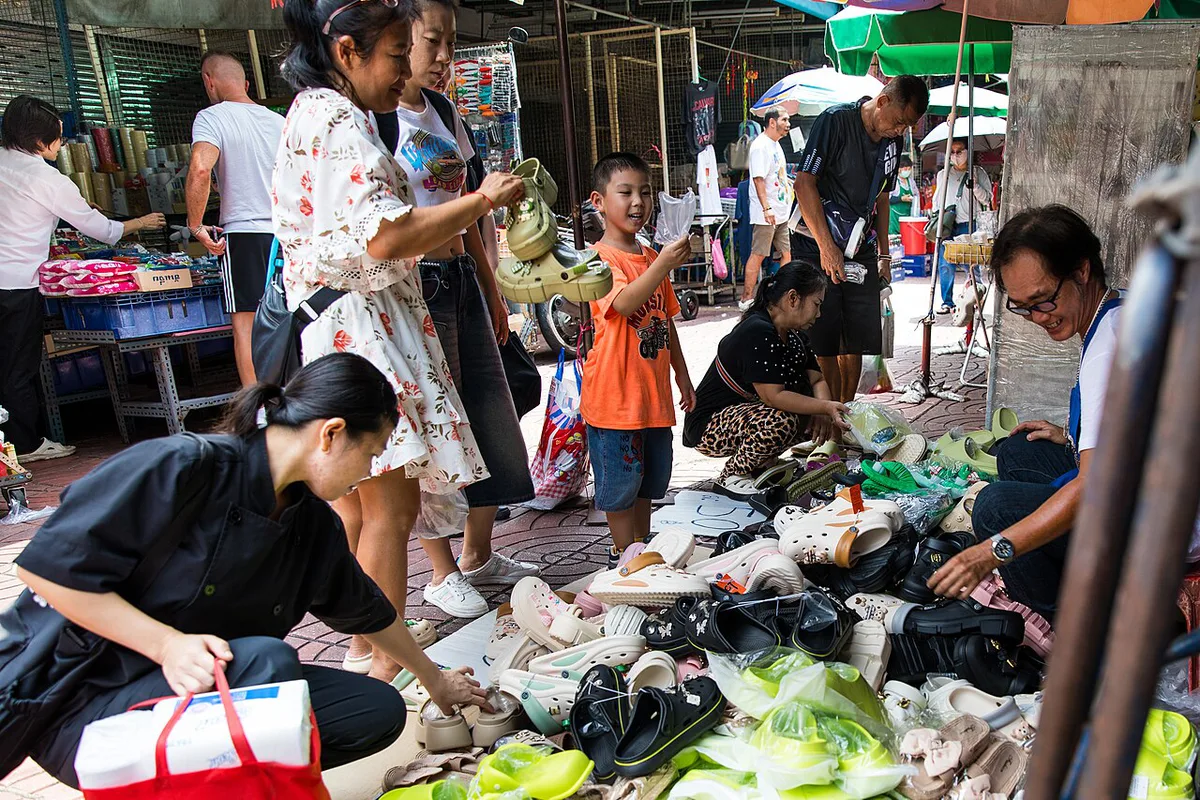
We could not verify current export rules for Buddha images and amulets, so check the Fine Arts Department before buying one. Browse our Thai Souvenirs: What to Buy in Bangkok (and What to Skip) guide for safer picks.
- Allowances and border rules: confirm on the Thai Customs Department site.
- Fabric alternative: see our guide to Thai Silk: Spot the Real Thing and Where to Buy.
Common mistakes and how to recover gracefully
If you already made the mistake, stay calm. Smile, give a small wai and apologise. Say "khor thot" for sorry, then move on without fuss. Our list of Thai Phrases for Travelers: Pronunciation and Etiquette has more polite lines. Pointed a foot at someone? Pull it back, wai slightly and say sorry. Kept walking during the anthem? Stop where you are and stand still. Turned away at a temple gate? Buy a cover-up nearby or come back dressed properly.
Stations and parks play the anthem at 8am and 6pm, so a walk through either at those hours is the moment to stop.
- Foot or head slip: small wai, "khor thot".
- Shoes left on: step back, apologise, remove them.
- Awkward wai: smile and wai again at chest height.
Frequently Asked Questions
What is Thai culture known for?
Visitors mostly notice the wai, Buddhist temples, spirit houses and respect for monks. Courtesy, calm manners and respect for the monarchy shape daily life too.
Notes for your Thailand trip
Optional updates when we add or change a town or island guide.
You might also like
Continue reading
More guides you'll find useful