How to Wai in Thailand: Thai Greeting Etiquette for Visitors
Learn how to do the Thai wai greeting: hand height, who to wai first, when to skip it, and common tourist mistakes, with Bangkok examples.
On this page
Last updated November 2026: the wai greeting is a palms-together gesture with a slight bow that shows respect, thanks, or apology. Foreigners are not expected to wai, but a correct one is appreciated. When unsure, we'd offer a smile, a nod, and a friendly sawatdee.
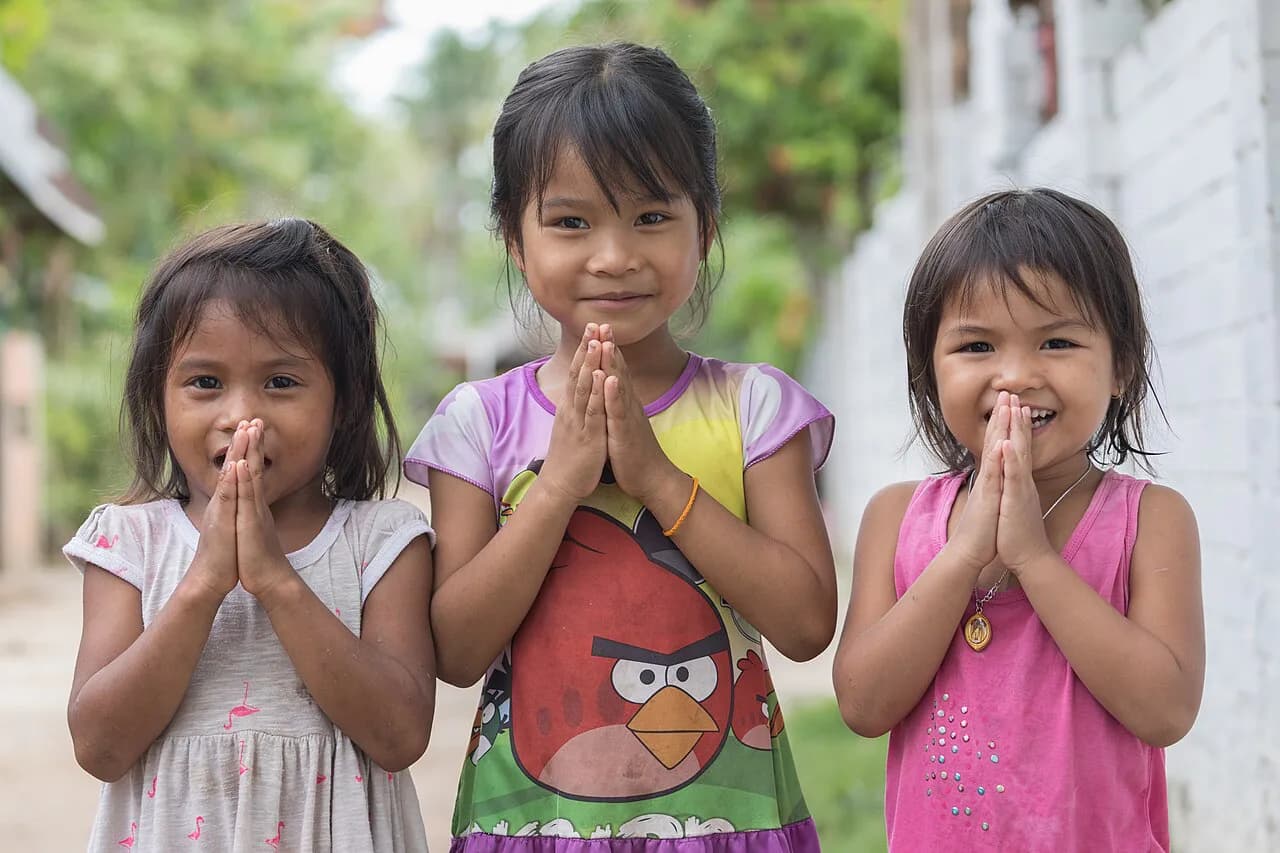
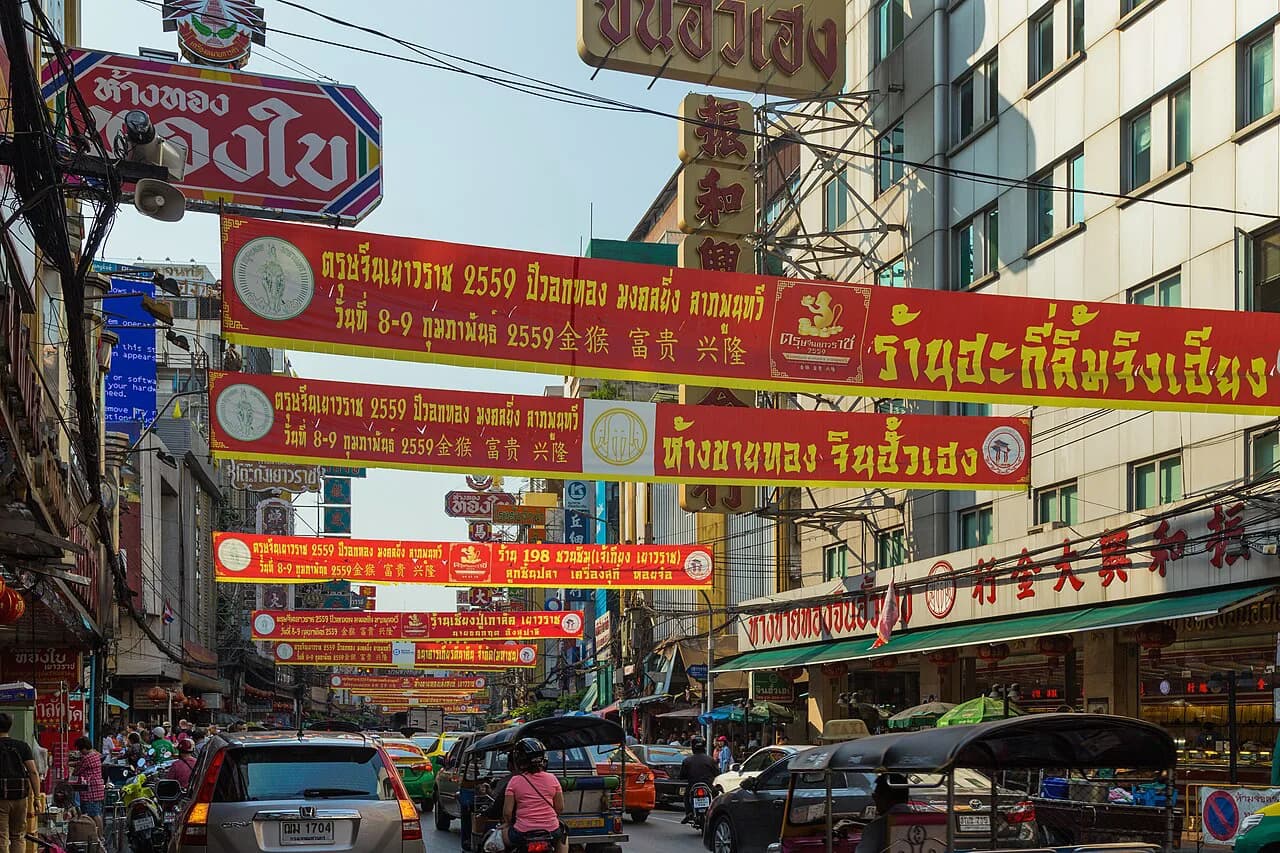
Featured image: Basile Morin, CC BY-SA 4.0, via Wikimedia Commons.
What the Wai Greeting Means
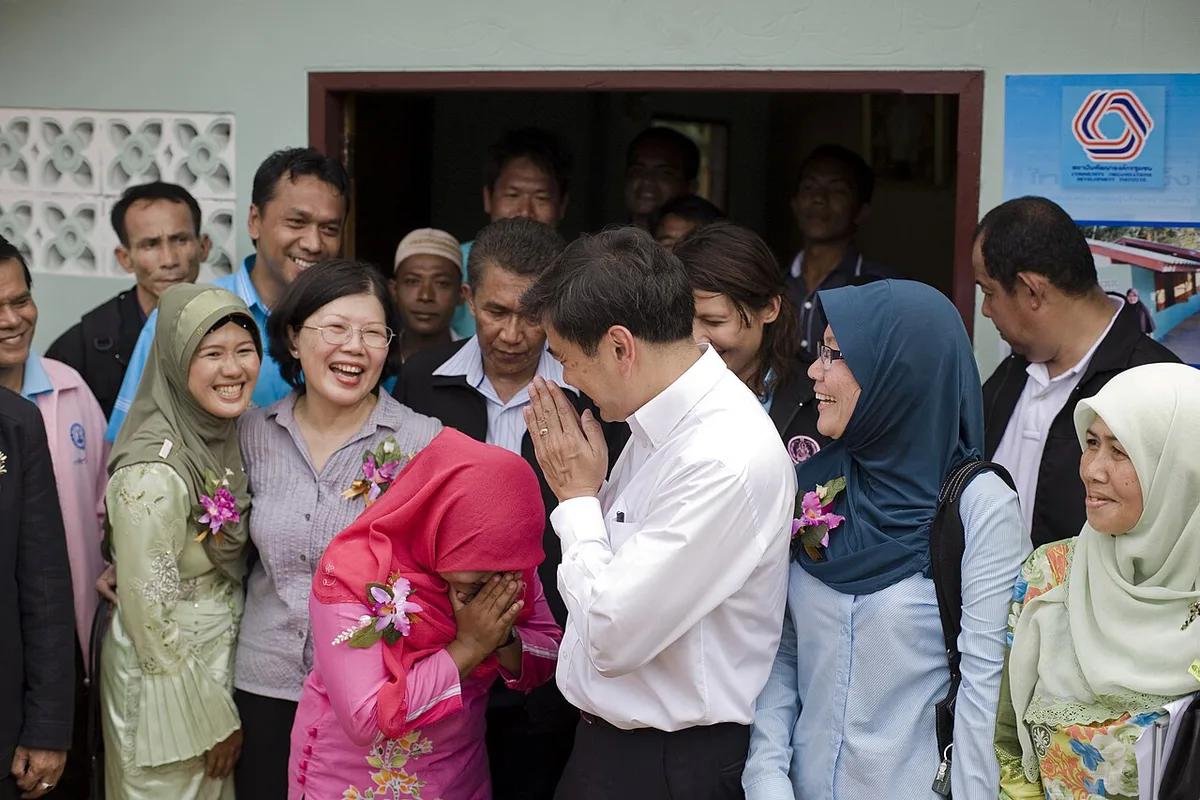
Quick answer: press your palms together in front of your chest and bow your head slightly. Thais use the gesture to say hello, goodbye, thank you, and sorry. Visitors can wai first only to clearly older people, monks, and Buddha images. Everyone else gets a nod and a smile. A Thai dictionary from the Royal Society, dated 2011, defines wai as a gesture of respect made by putting hands together, as described by Thailand Foundation. Greeting is only one of its jobs. Our reading of the sources is that respect, not hello, is the core idea. For the wider picture, see our notes on everyday Thai etiquette and wider Thai culture.
How to Do a Wai Step by Step
A good wai is small and calm. Rushing it or making it theatrical looks worse than a simple nod. Follow these steps.
- Stand or sit upright and keep your elbows close to your sides.
- Bring your palms together flat, fingers pointing up, in front of your chest.
- Lower your head slightly toward your thumbs as you bow.
- Say sawatdee khrap if you are a Man, or sawatdee Kha if you are a woman.
- Lower your hands and smile.
Wai Hand Height: A Simplified Guide
Higher hands signal more respect. Sources disagree on the details, so treat this as a simplification. One source describes four positions: chest, chin, nose, and forehead. Another describes three variants for monks, for revered elders and parents, and for everyone else. We'd use two rules. Keep your hands at chest level for most people. Raise them toward your forehead only for monks and Buddha images. If you cannot judge someone's status, a middle height with a modest bow is the safe choice.

Who Should You Wai? Age and Status
Younger or lower-status people wai first. Age and status are the two things to weigh. A younger monk will not wai you, and you are expected to wai him. Teachers and parents often answer with only a nod, so do not read that as a slight. Service workers may wai a younger customer, and returning the gesture is not unusual. Foreign visitors are not expected to wai at all. Hugging or kissing as a greeting is the thing to avoid. Between friends and equals, a wave has largely replaced the wai, so you will not need it often.
Should I Wai? Quick Table for Visitors
Use this table as a starting point. Situations vary, and we'd always follow the lead of the person in front of you.
| Situation | Action | Hand height | Notes |
|---|---|---|---|
| Monk | Wai first | Near forehead | Bow slightly; stay respectful |
| Buddha image | Wai | Near forehead | Do so quietly and with empty hands |
| Older person or host | Wai first | Chest to nose | Add sawatdee khrap or Kha |
| Hotel or restaurant staff | Nod and smile | None | Staff wai routinely as part of the job |
| Taxi or tuk-tuk driver | Nod and smile | None | Skip it if your hands are full |
| Child | Smile only | None | Do not wai children |
| Unsure of status | Nod, or a modest wai | Middle | Follow what locals do |
Wai Situations in Bangkok
Bangkok gives you plenty of chances to practice. Here is how we'd handle each setting.

- Hotel check-in: staff may wai you. Nod, smile, and say sawatdee. A full wai back is optional.
- Taxi or tuk-tuk: a nod and a thank-you work. Drivers rarely expect a wai.
- Market stalls: smile and nod to vendors. Save any wai for an older vendor you want to thank.
- Restaurants: acknowledge a wai with a nod. See tipping hotel and restaurant staff for the money side.
- Spa or massage: staff often wai at the start and end. Return it lightly with a nod and a thank-you.
- Temples: wai quietly toward Buddha images and monks, as covered below.
- Homestay or family dinner: wai older family members first, before they wai you.
Wai at Temples and for Monks
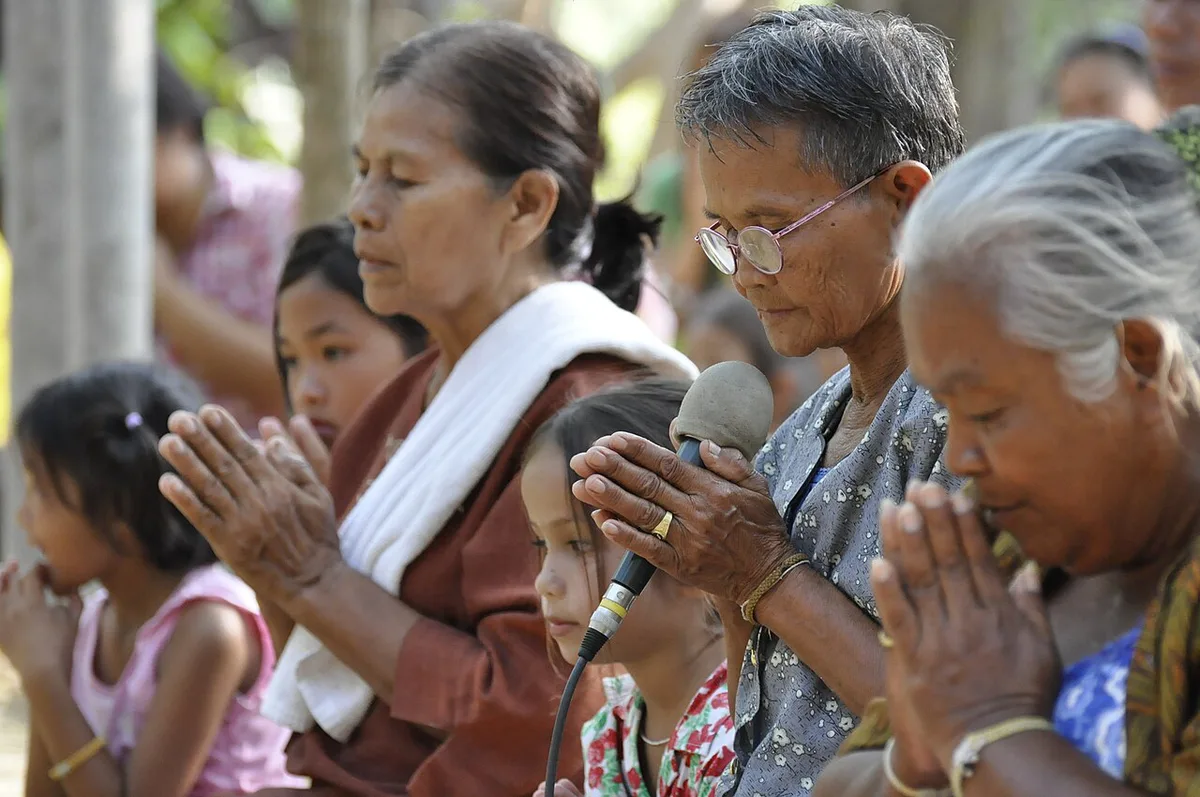
Temples are where the highest wai belongs. Thais wai Buddha images whenever one is in sight, with hands raised toward the forehead. Visitors do not need to match this at every shrine. A quiet wai toward the main image is enough. When a monk is present, wai him first and keep your head lower than his if you can. Do not expect a wai back. Cover your shoulders and knees, and remove your shoes where signs ask. Our temple visiting rules cover dress and conduct in detail. For regional variety, see Buddhist temples around the country. For the Grand Palace, check the official conduct rules before you go, since we have not verified them here.
Thank You, Sorry and Goodbye: Other Uses of the Wai
Thais wai when they part, too. An old saying, Pai la ma wai, means to wai both when leaving and when greeting. They also wai when saying thank you or sorry. Pair the gesture with the right words. Say khop Khun khrap or Kha for thanks. Say khor thot khrap or Kha for sorry. If someone wais to thank you, Mai pen rai works as a reply. It literally means it's nothing. Romanization varies between sources, so check our greeting phrases page for spellings. A wai while apologizing tends to sound more sincere, as Thailand Foundation notes.
Common Mistakes to Avoid
Most Thais forgive tourist errors. These slips are still worth skipping.
- Waiing while holding a phone, drink, or bag. Put the item down first, or nod instead.
- Exaggerated or mocking waiing. Insincere waiing is the one thing that clearly offends.
- Mixing in a namaste, a Japanese-style bow, and made-up words all at once.
- Waiing children or people of clearly lower status.
- Waiing back to every service worker. A nod is enough.
- Bowing too low. A slight bow is enough.
Handshake or Wai? What to Do When Unsure
Foreigners often shake hands, and Thais sometimes offer a handshake to foreigners. The two gestures can collide. Many people avoid this by nodding, smiling, and bowing slightly. That is our default too. Offer a smile, a nod, and a sawatdee. If the other person extends a hand, shake it. If they wai, answer with a nod and a light wai only if the setting is formal.
Brief Origins and Related Gestures
The wai traces back to the Indian anjali mudra, a gesture of devotion and respectful greeting. In Thai art, the Thep phanom motif shows celestial figures with palms together. The wai khru ceremony lets pupils honor teachers. Muay Thai fighters perform a related ritual before training and bouts, which we cover when discussing training at a Muay Thai camp. Cambodia has a similar gesture called sampeah, and Laos pairs its sabaidee greeting with a comparable one. Thailand Foundation says the standard word sawatdee came into widespread use in the early 1940s.
Frequently Asked Questions
What is the standard greeting in Thailand?
Sawatdee is the standard spoken hello, usually paired with a wai. Men add khrap and women add Kha.
What does wai mean?
Wai is a gesture of respect made by pressing the palms together with a slight bow. Thais use it to greet, thank, apologize, and say goodbye.
What does sawadee ka mean?
Sawatdee Kha is how a woman says hello or goodbye in Thai. A Man says sawatdee khrap instead.
Notes for your Thailand trip
Optional updates when we add or change a town or island guide.
You might also like
Continue reading
More guides you'll find useful