Buddhist Temples in Thailand: Where to Go and How to Visit
Which Buddhist temples in Thailand are worth your time? Compare Bangkok, Chiang Mai and Sukhothai picks, with etiquette, dress code and cost checks.
On this page
Last updated November 2026: Buddhist temples in Thailand range from working monasteries in Bangkok to ruined capitals at Sukhothai. Start with Wat Pho and Wat Arun on the Chao Phraya River, then add Chiang Mai or Sukhothai if you can spare nights. This guide is for first-time visitors who want a clear plan rather than a pilgrimage.
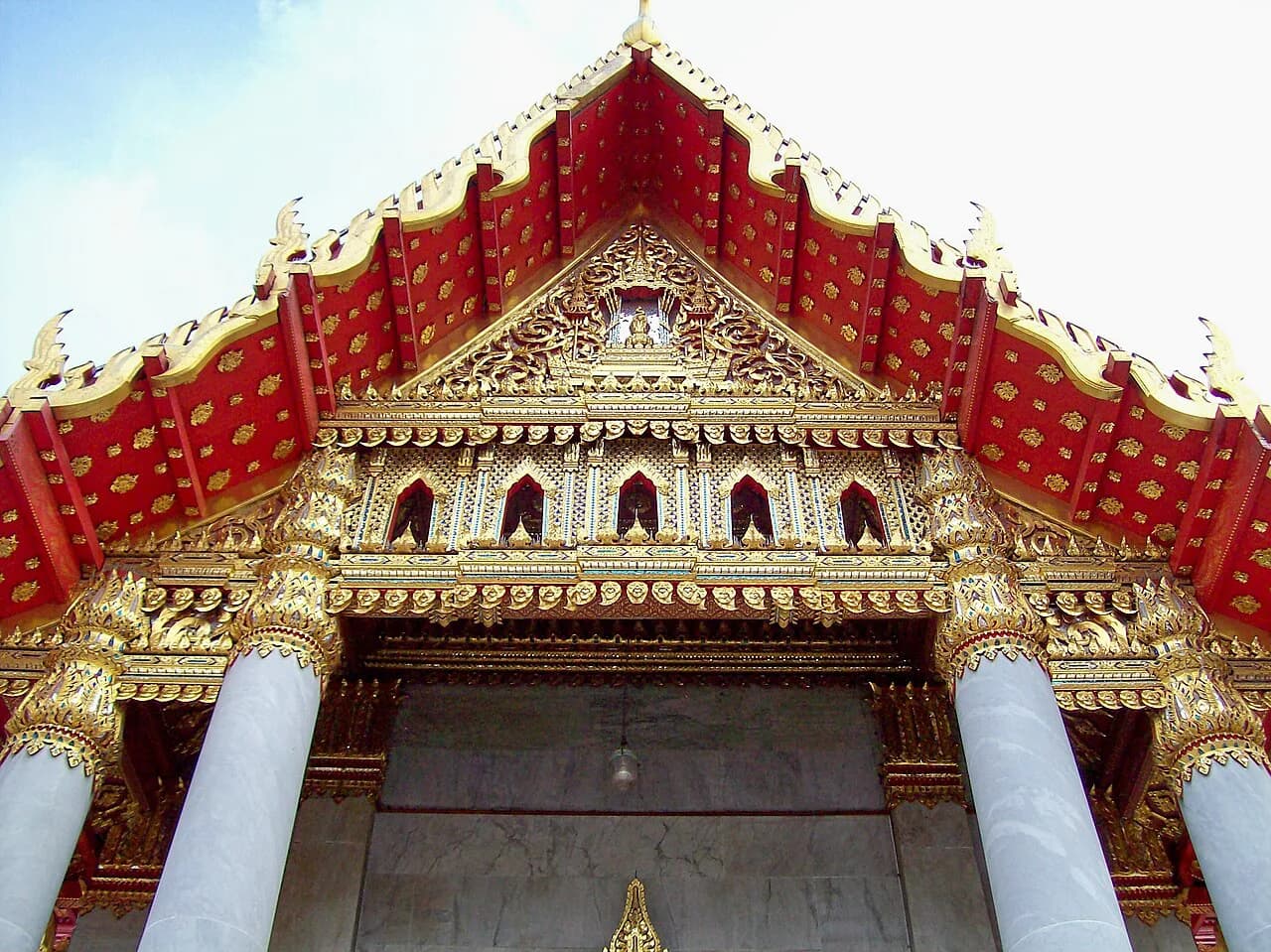
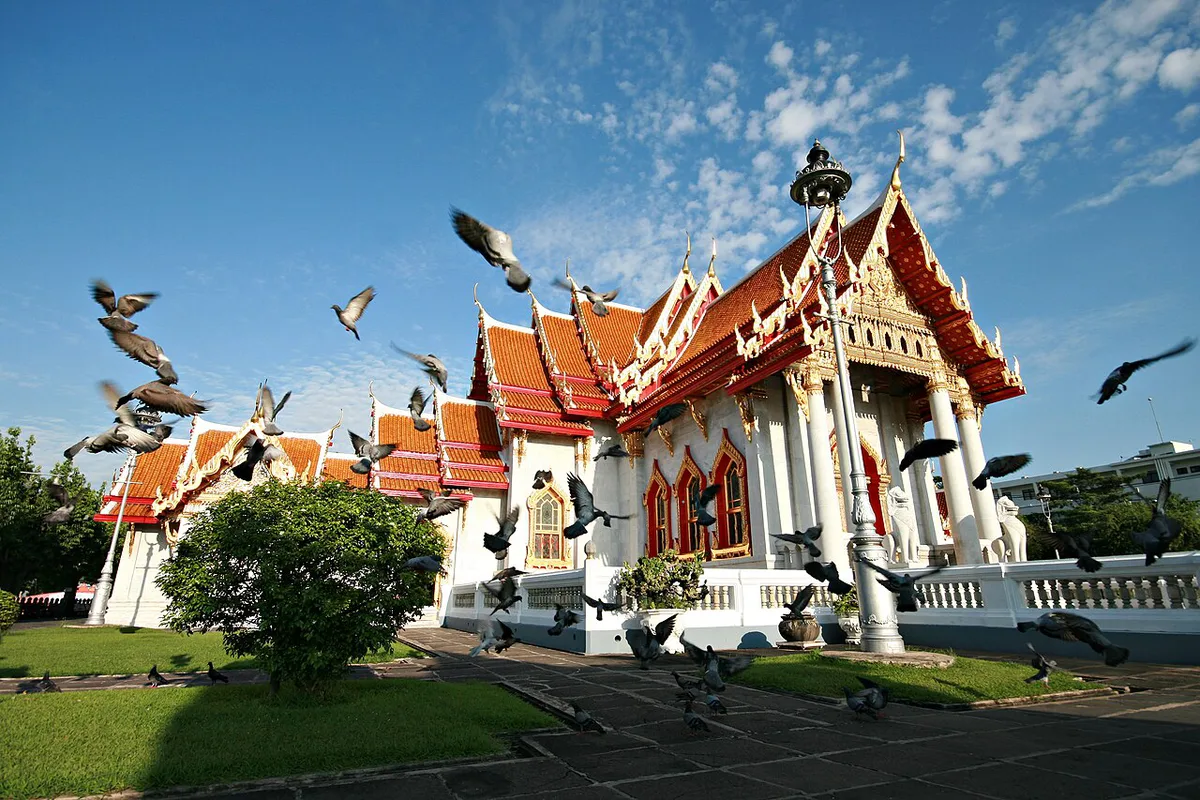
Featured image: Philip Nalangan, CC BY 4.0, via Wikimedia Commons.
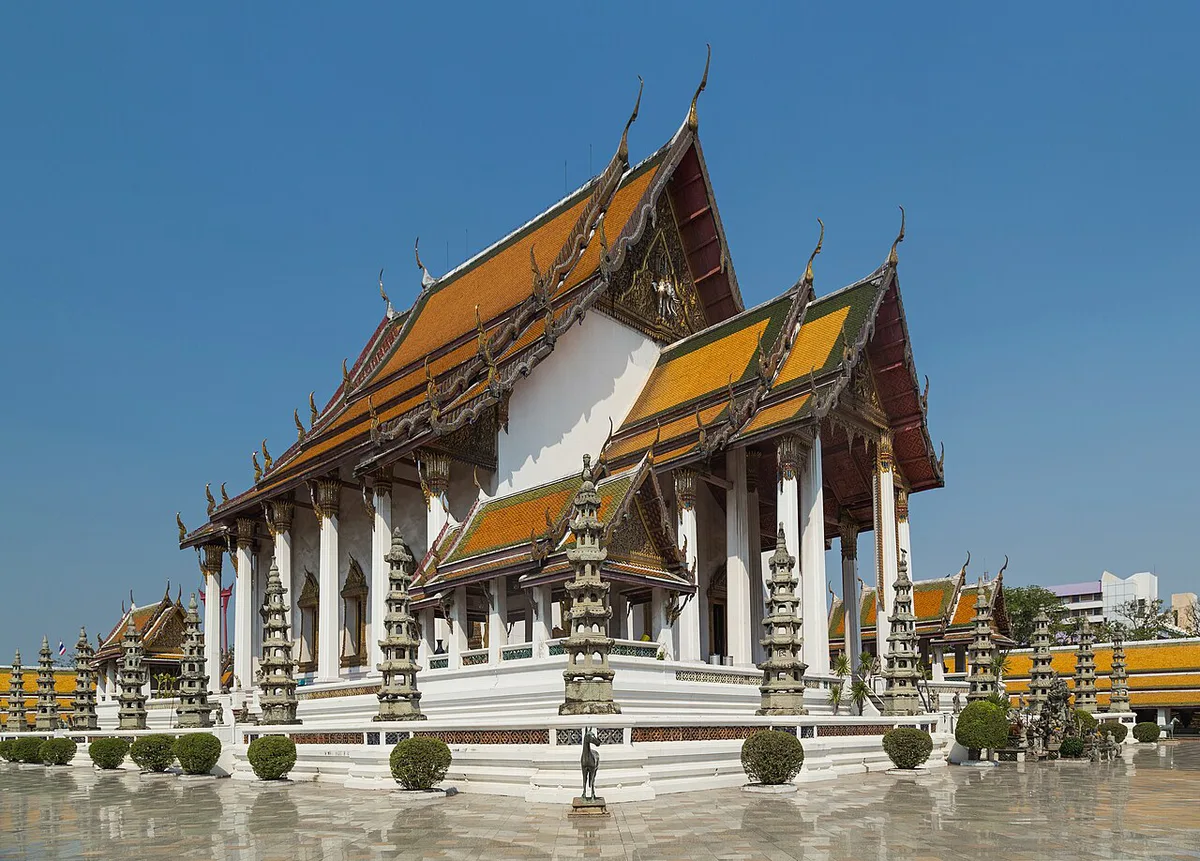
Buddhist Temples in Thailand: Quick Picks for Your Trip
Each temple below gets one reason to go and one reason to skip. Bangkok's temples work as a day trip from the city. Chiang Mai and Sukhothai each need a flight, bus or train and an overnight stay. Check fees and hours at the official sources listed in the costs section before you commit.
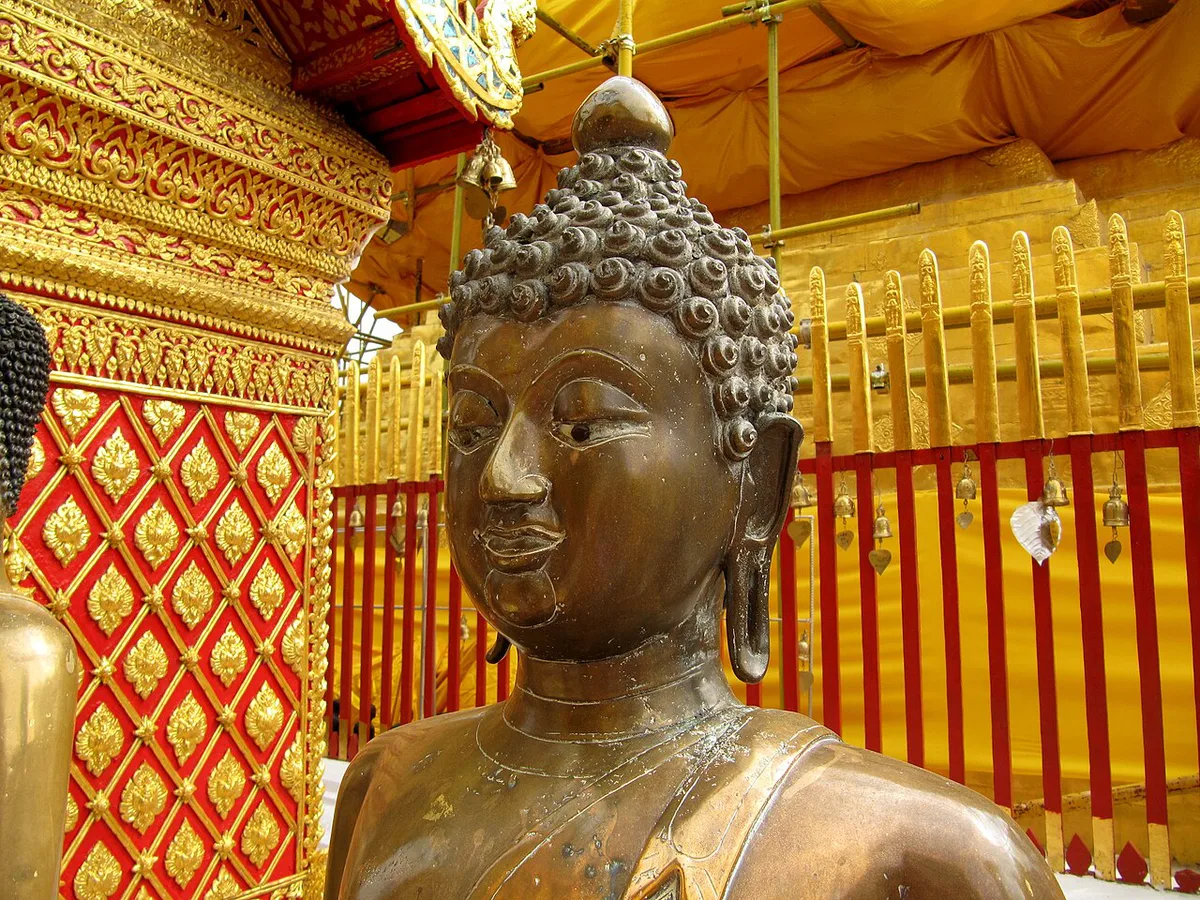
| Temple | Region | Type | Effort | Cost status | Best for |
|---|---|---|---|---|---|
| Wat Pho | Bangkok | Living temple | Walking, river side | Check official page | First-timers, reclining Buddha |
| Wat Arun | Bangkok | Living temple | Cross-river boat, steep stairs | Check official page | Photographers, river views |
| Wat Phra That Doi Suthep | Chiang Mai | Hilltop pilgrimage site | Vehicle and stairs | Check official page | Views, pilgrimage atmosphere |
| Wat Phra Singh | Chiang Mai | Living temple | Walkable in old city | Check official page | Quiet, northern style |
| Sukhothai Historical Park | Sukhothai | Archaeological park | Bicycle, tram or tuk-tuk | Check official page | History buffs |
| Wat Rong Khun | Chiang Rai | Contemporary temple | Day trip, verify access | Verify current fee | Modern art, photographers |
Bangkok's Essential Temples: Wat Pho and Wat Arun
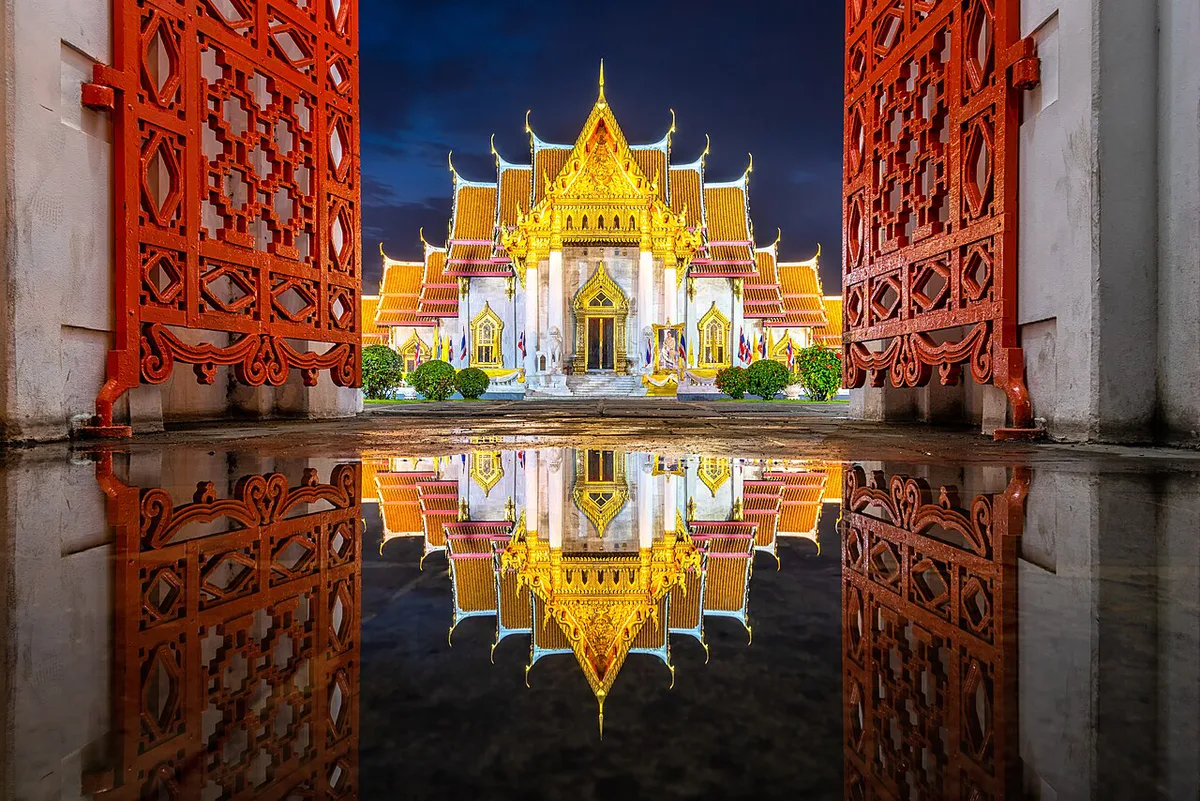
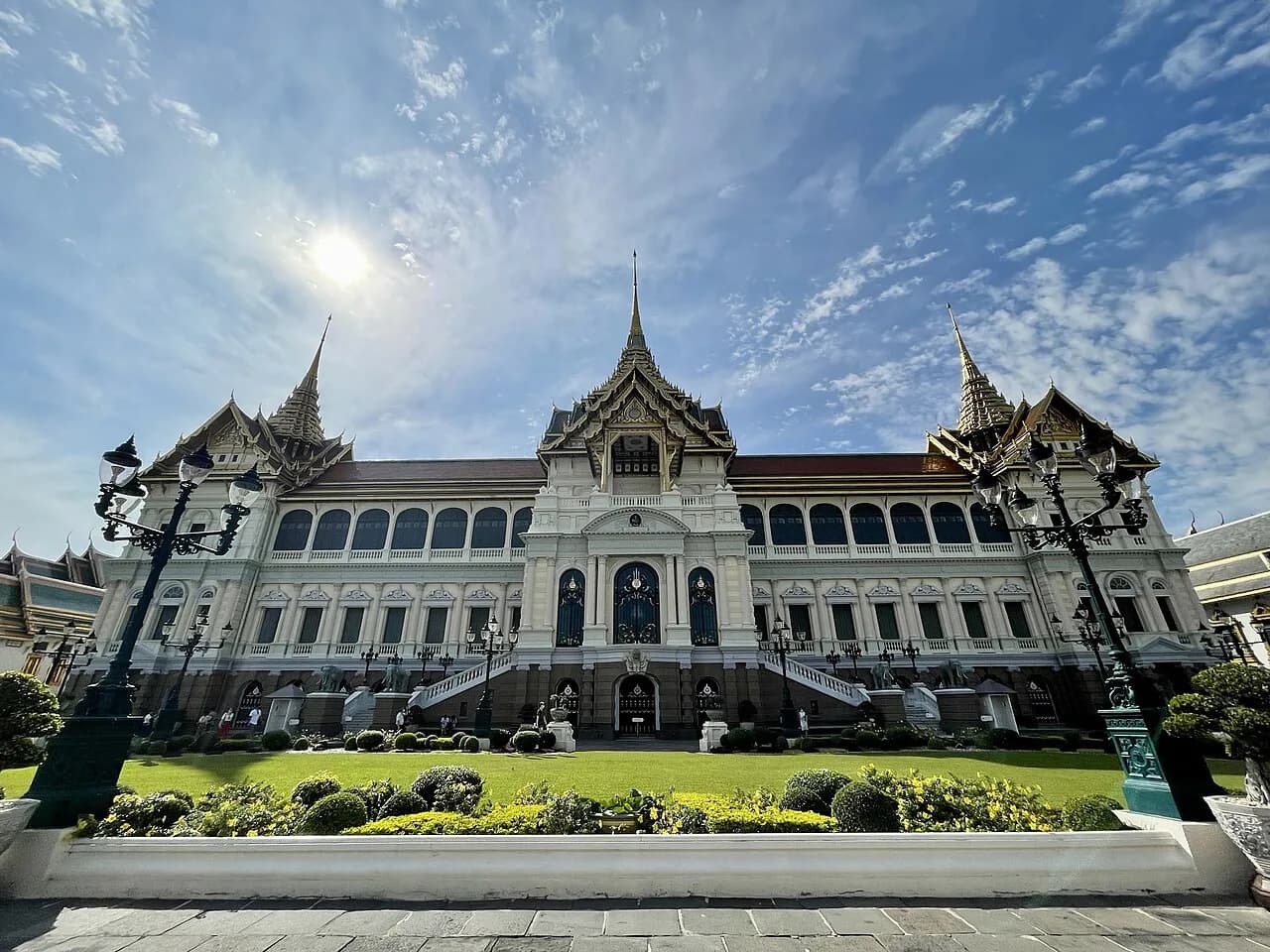
Wat Pho is the easiest first stop. It houses the reclining Buddha, a gold-plated image that fills an entire hall. Go for the scale of that image and for the traditional massage school on the grounds. Skip it if you dislike crowds, because tour groups gather near the main hall by mid-morning. Wat Arun sits on the opposite bank of the Chao Phraya River. Go for the riverside setting and the view back across the water. Skip it if steep stairs are a problem. Many visitors pair both with the Grand Palace area. Confirm current ferry and boat details with the operator before you plan the crossing. Arrive early, because heat builds fast in the open courtyards.
Beyond Bangkok: Chiang Mai, Sukhothai and Chiang Rai
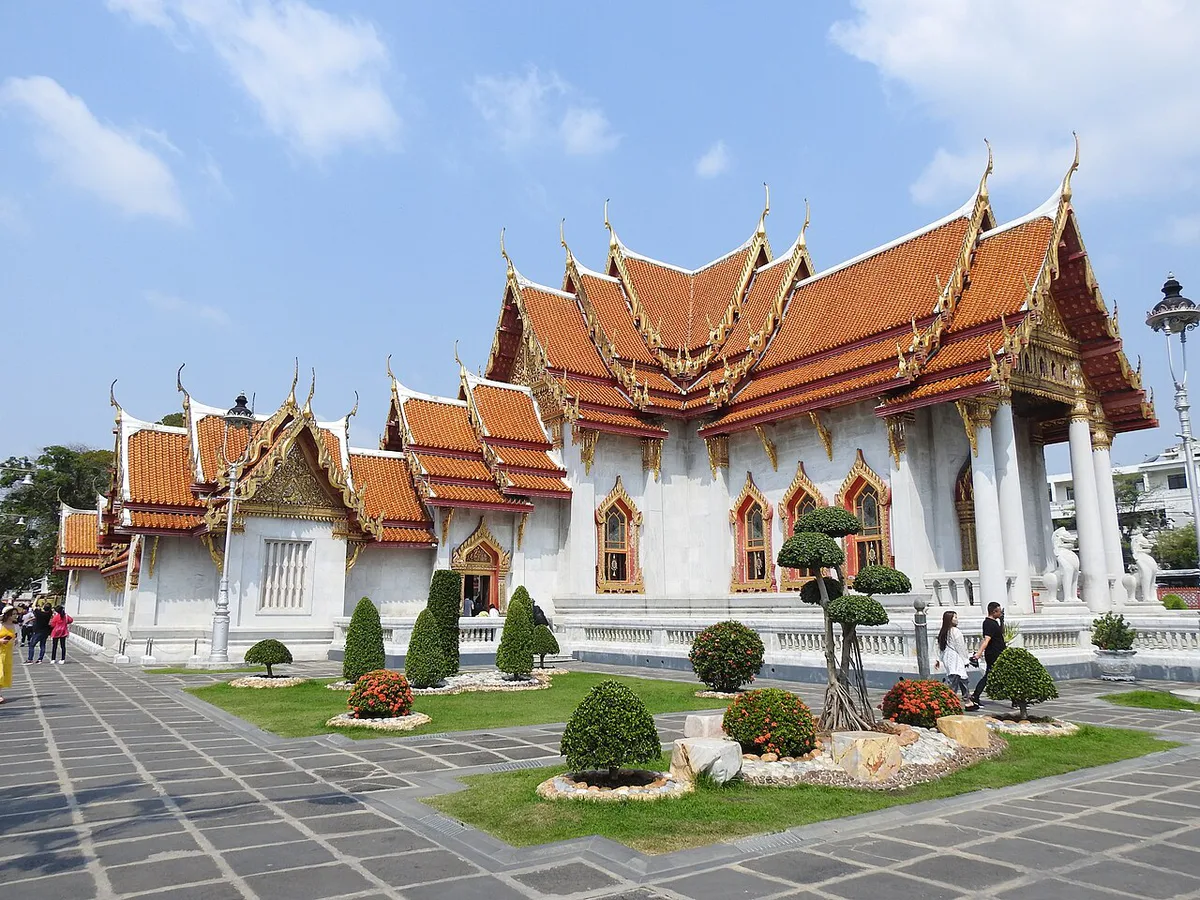
In Chiang Mai, Wat Phra That Doi Suthep sits on Suthep Mountain above the city. Go for the golden pagoda and the view over Chiang Mai. Skip it if you want a short, easy visit, since reaching it takes a vehicle and stairs. Wat Phra Singh is the quieter option inside the old city. Sukhothai Historical Park is a ruined capital with a UNESCO World Heritage listing. Go for the wide grounds and the quiet corners. Skip it if you only have a day in Bangkok, as it needs an overnight stay. Wat Rong Khun near Chiang Rai is a contemporary temple, so verify its current access and fees. For route depth across the country, see our Thai temples hub.
Living Temple or Heritage Site? How to Choose
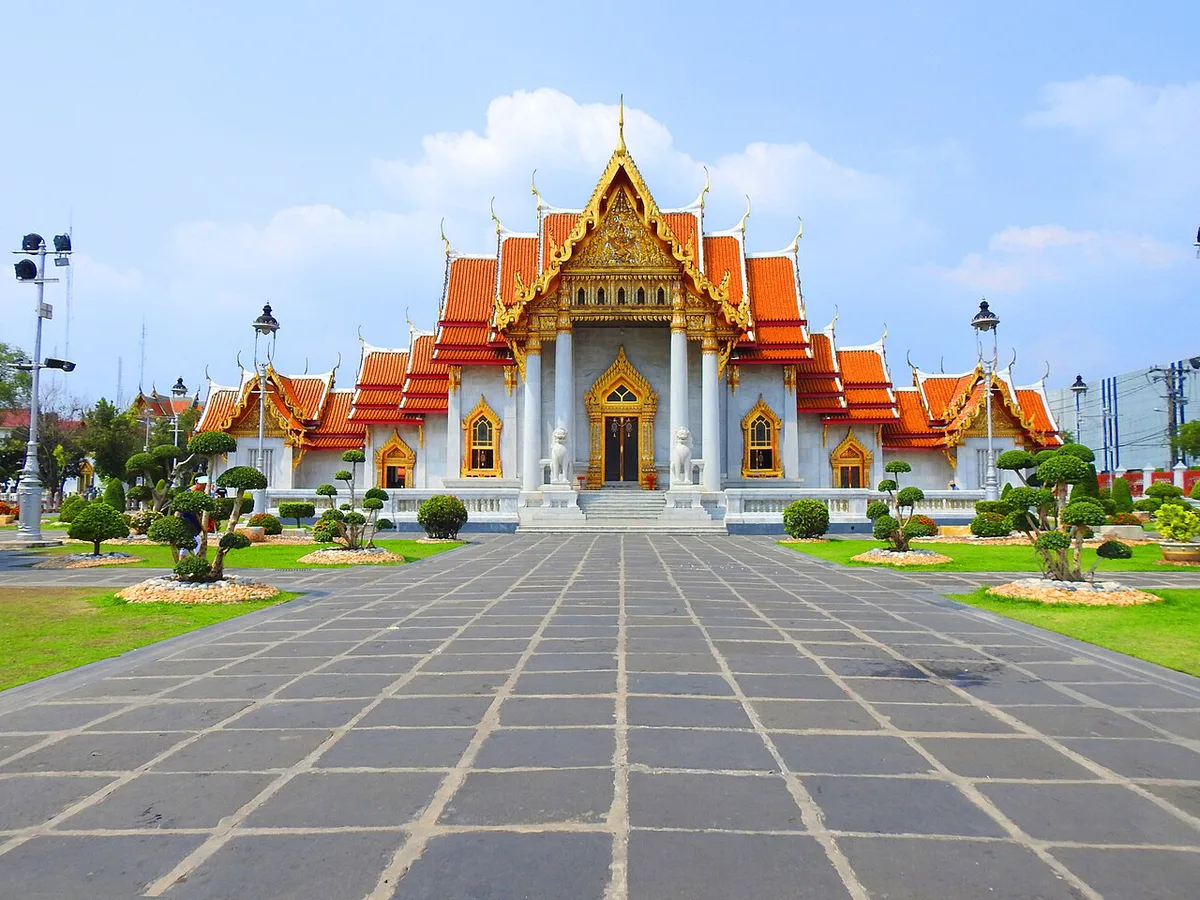
A Wat is a monastery first. In a living temple, Theravada monks chant, collect alms and teach, and locals come to make merit. Wat Pho, Wat Arun and Wat Phra Singh work this way. Sukhothai is different. It is a ticketed park of ruins where daily worship is not the main activity. Pick living temples if you want to see Buddhism as it is practiced. Pick the park if you care about history and open space. Our Thai culture guide explains why monasteries sit at the center of community life. Treat a living temple as a place of worship that happens to welcome visitors.
Costs, Tickets and Opening Hours
We could not verify current entry fees or opening hours for any of these temples. Check the Fine Arts Department and each temple's own official page before you go.
How to Plan Your Time and Get Around
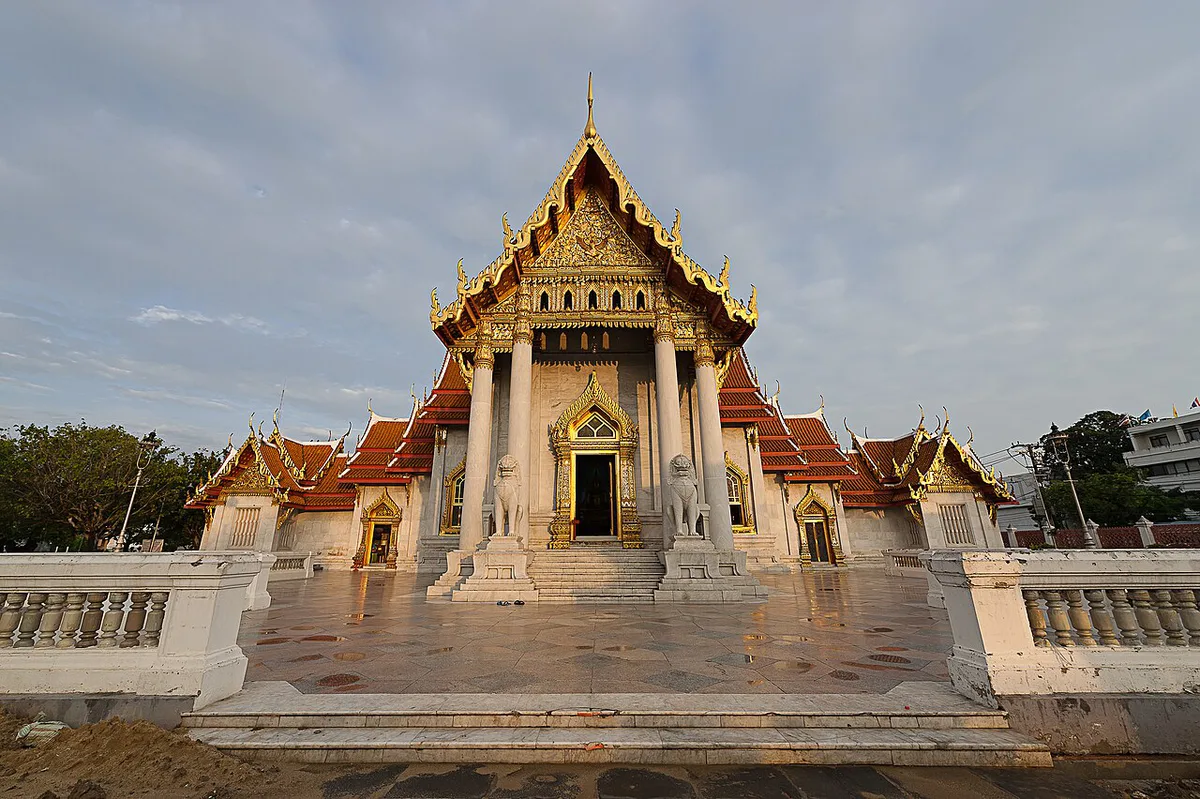
You have two routes. An all-in-one riverside day links Wat Pho, the Grand Palace area and Wat Arun. Spreading them across days is calmer and avoids midday heat. In our editorial estimate, give each Bangkok temple a half-morning rather than a quick photo stop. Walking is the norm around Wat Pho. Boat service links the two river banks. For the north, fly or take a train to Chiang Mai. Sukhothai's grounds are wide, so rent a bicycle or take a tram or tuk-tuk. Book a base near the sites you plan to visit most, rather than bouncing between towns.
Temple Etiquette and Dress Code
Cover your shoulders and knees at major temples, and verify whether loan garments are offered at the gate. Shoes come off before you enter halls. Keep your feet from pointing at Buddha images. Never climb on statues. Our Thai customs guide covers the wider rules. Learn the gesture in our wai greeting guide, since monks and staff appreciate it. Polite phrases help too, and you will find them in our Thai phrases list. Donation boxes are common. For guidance on giving, see Tipping in Thailand: How Much, Who and When (2026).
Mistakes to Avoid
Most problems at temples come from a handful of avoidable errors.
- Arriving in shorts, sleeveless tops or see-through fabric.
- Trusting a stranger who says a site is closed today. Walk to the official entrance and check yourself.
- Starting late and facing midday heat in open courtyards.
- Photographing monks or worshippers without asking.
- Treating a working monastery like a museum.
Temple Stays and Meditation Retreats
Some temples and meditation centers accept visitors for a stay or retreat. Rules, costs and schedules vary by place. Contact the temple directly and read its conditions before you book. Expect early mornings and simple routines. This option suits travelers who want practice rather than sightseeing, and it is not a quick add-on.
Frequently Asked Questions
Can I just show up to a Buddhist temple?
At most major temples, yes. Dress modestly and take your shoes off before entering halls. Check opening hours with the temple's official page first.
Can I stay at a Buddhist monastery in Thailand?
Some temples and meditation centers accept guests. Contact the temple directly and confirm its rules before you travel. Expect a simple, disciplined routine.
What are the top 3 temples in Thailand?
For a first trip, start with Wat Pho in Bangkok. Add Wat Phra That Doi Suthep in Chiang Mai. Sukhothai Historical Park rounds out the list for history lovers.
Notes for your Thailand trip
Optional updates when we add or change a town or island guide.
You might also like
Continue reading
More guides you'll find useful