Thai Phrases for Travelers: Pronunciation and Etiquette
Learn essential Thai phrases with easy pronunciation, khrap/kha politeness rules, and real situations in Bangkok: food, taxis, markets, and temples.
On this page
Last updated November 2026: these Thai phrases cover what a visitor to Bangkok actually uses, with respellings you can say out loud. We start with sawasdee, khop Khun, Tao rai, Mai Phet and the polite particles khrap and Kha. Romanisation varies between sources, so a sign and an app may spell one word differently.
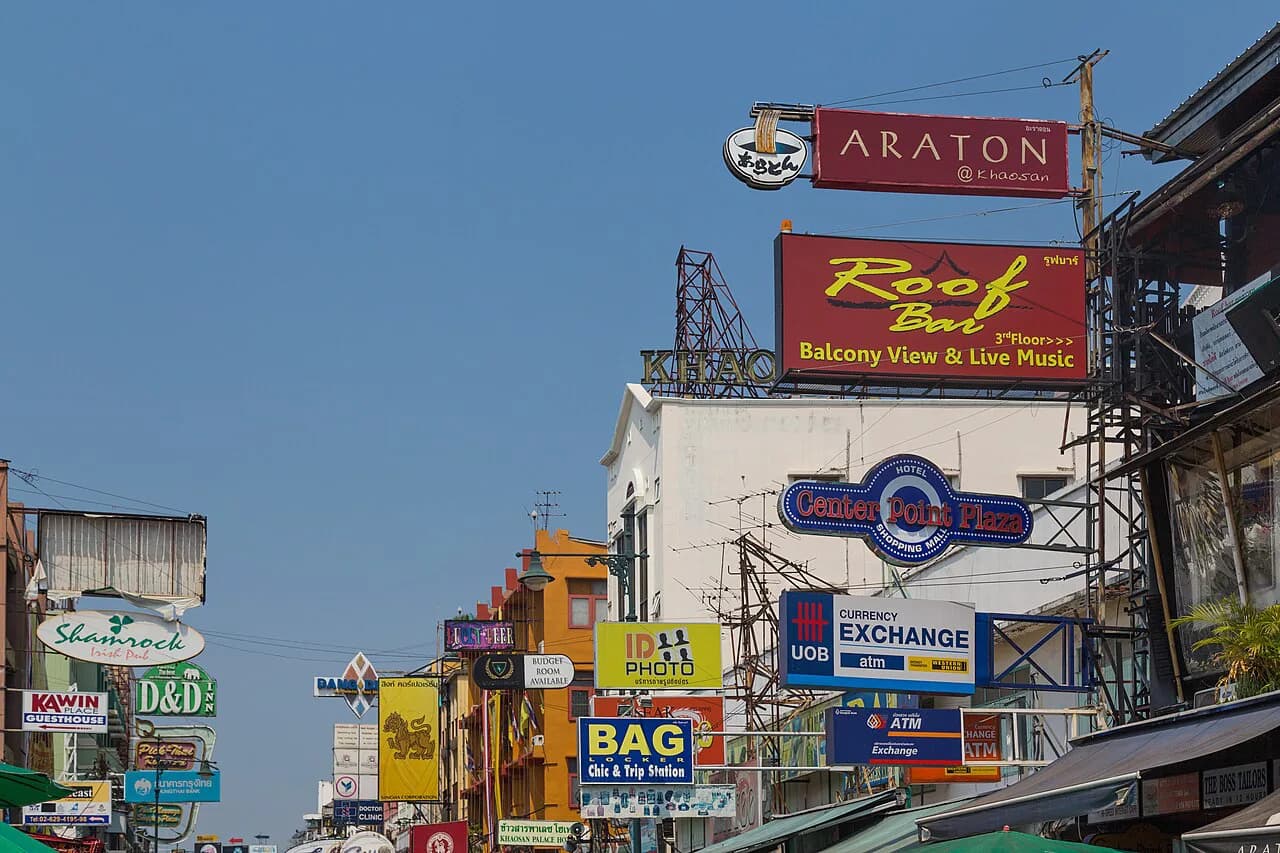
Featured image: Jiafei Slay Queen, CC0, via Wikimedia Commons.
The 10 Thai Phrases You'll Actually Use
Our pick for a first-day cheat sheet is the ten phrases below. Learn these and you can greet, thank, ask a price, order food and ask for help. Respellings are approximate, and tone marks are left out on purpose. Add khrap (men) or Kha (women) at the end of any line to sound polite. Spellings follow common travel usage, so you may also see krap, ka or khob Khun elsewhere.

| English | Thai (romanised) | Sounds like |
|---|---|---|
| Hello / goodbye | Sawasdee | sa-wat-dee |
| Thank you | Khop Khun | kop-koon |
| No worries / you're welcome | Mai pen rai | my-pen-rye |
| How much? | Tao rai? | tao-rye |
| Not spicy | Mai Phet | my-pet |
| Delicious | Aroi | ah-roy |
| Where is ...? | ... yoo tee Nai? | yoo-tee-nye |
| I Don't understand | Mai Khao jai | my-kow-jye |
| Can you reduce the price? | Lot rakha dai Mai? | lot-ra-ka-die-my |
| Help! | Chuay duay! | choo-ay-doo-ay |
How Thai Tones and Politeness Particles Work
Thai has five tones: mid, low, falling, high and rising. One syllable can change meaning with its pitch. Do not let that scare you off. Staff in tourist areas deal with learners daily, and context usually rescues a wobbly tone. Practice out loud and listen to native speakers before you fly. Politeness particles matter more than perfect tones. Men end sentences with khrap. Women use Kha. Your own gender decides the particle, not the listener's. A Man says "khop Khun khrap". A woman says "khop Khun Kha". Without the particle, the same words sound abrupt to strangers, elders and service staff.
Greetings and Thank-Yous
Sawasdee works for both hello and goodbye, so you only need one word. Say it with a light smile, then add your particle. Many Thais pair it with the palms-together wai gesture. Return a wai when someone offers one. Sawasdee is a greeting, not a general thanks, so save it for arrivals and departures. Khop Khun covers thanks, from receiving change to being shown a room. For the reply, you will hear both Mai pen rai and yin Dee. Competitor phrasebooks disagree on which one means "you're welcome". Both are common, so either will be understood. Broader social background sits in our guide to everyday Thai culture.
Getting Around Bangkok: Taxis, Trains, and Asking Directions
Say the place name, then "yoo tee Nai", to ask where something is. "Wat Pho yoo tee Nai?" is a ready-made example. Most people will point or pull up a map on their phone. That works well at Suvarnabhumi and Don Mueang airports, at BTS and MRT stations, and at taxi stands. Keep a screenshot of your hotel name and address ready for drivers. Short replies like khop Khun khrap or Kha close the exchange politely. If you wonder about rounding up a fare, see our note on tipping etiquette. We have not found a verified fare figure in our sources, so we quote none.
Ordering Food and Handling Spice
Ao means "I want", so "ao" plus the dish name is a complete order. Pointing at the menu while you say it removes any doubt. Thai food can arrive hot by default. Say "Mai Phet" for not spicy. For a touch of heat, add nit Noi, giving Phet nit Noi, meaning a little spicy. After eating, "aroi" tells the cook the food was delicious. Check bin, borrowed from English, asks for the bill. Allergies are a different matter. Do not rely on a mispronounced phrase. We would show a written card verified by a native speaker. We have not published Thai script here because it needs that check first.
Shopping and Bargaining Politely
Tao rai? is the phrase you will use most at markets and stalls. If a price feels high, try "lot rakha dai Mai?" with a smile. Bargaining is normal at street markets, but it is not a fight. Stay friendly, and walk away calmly if you cannot agree. Fixed-price shops and malls usually do not negotiate. A phone calculator helps when you cannot follow the spoken number. For ideas on what to buy, see our souvenir ideas. Shoppers eyeing fabric can read about silk shopping first. The Jim Thompson House Museum site is a starting point for silk background.

Temple Visits: Respectful Phrases and Behavior
Temple visits need fewer words and more manners. Cover shoulders and knees, and take your shoes off before entering a hall. Many sites lend wraps if you arrive underdressed. "Yoo tee Nai" finds the entrance or the shoe rack. Khop Khun khrap or Kha thanks staff and monks' helpers. Keep your voice low inside. Our list of temples worth visiting helps you plan the day. For background, read about Buddhist temple customs as well. Opening hours and site rules change, so check the Fine Arts Department for protected sites.
Emergencies and Health: What to Say and Show
"Chuay duay" means help, and people will recognise it. Competitor sources list 191 for police. We have not verified that or any tourist-police number, so confirm them with an official Thai government or embassy source before you travel. At a pharmacy, point to the symptom on a translation screen. Say "Mai Khao jai" if you lose the thread.
Pair the 191 police number with a hotel screenshot on your phone, but confirm it with an official Thai government or embassy source first.
How Much Thai You Need in Bangkok
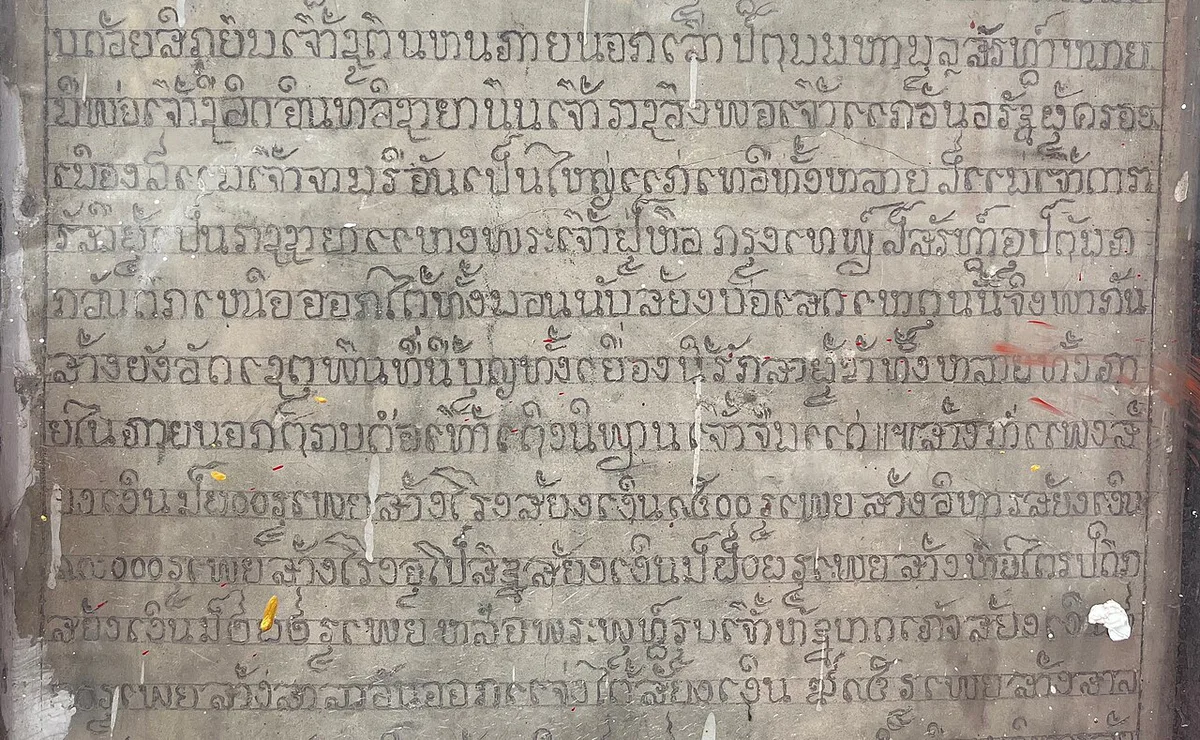
English often works in hotels and malls. Basic Thai helps most at street stalls, in taxis, and at local eateries. Rural areas and local transport ask for more. We would not oversell the benefit, since many tourist-zone staff manage fine in English.
| Situation | How much Thai helps |
|---|---|
| Hotel or mall | English is usually fine |
| Street stall or taxi | Basic Thai helps a lot |
| Local eatery or market | Greetings and numbers help |
| Rural area or local transport | More Thai needed |
Phrases to Memorize vs. Phrases to Show on Your Phone
Short, low-risk phrases belong in your head. High-risk details belong on a screen. A wrong tone on "hello" costs nothing. A wrong tone on an allergy can cost a lot.
| Type | Examples | Effort | Risk if mispronounced |
|---|---|---|---|
| Memorize | Sawasdee, khop Khun, Tao rai | Low | Low |
| Memorize | Mai Phet, aroi | Low | Medium |
| Show | Hotel name and address | Screenshot | Low |
| Show | Allergy or diet | Verified card | High |
| Show | Medical needs | Verified card | High |
Common Mistakes to Avoid
Most errors are about manners, not grammar. Watch for these slips.
- Using the wrong particle: men say khrap, women say Kha.
- Saying sawasdee as thanks instead of khop Khun.
- Treating bargaining like a fight instead of a friendly exchange.
- Pointing with a foot or touching people on the head. See our guide to social etiquette in Thailand.
- Raising your voice when you are not understood.
How to Practice Before You Go
Hear the tones before you land. Language-learning apps with native audio are a reasonable start. Search "Thai phrases audio" and choose a source that gives audio for each word. Repeat each phrase aloud five times. Then pick the ten from our table and run through them on the flight. Keep the Muay Thai gym vocabulary for later if you plan training. Our list of camps for fighters covers that side.
Three Short Thai Phrase Scripts for Real Situations
These illustrative 3-line exchanges turn the cheat sheet into something you can use under pressure. Keep your destination or menu in view as you speak. Thai has 5 tones, so pointing and a calm delivery reduce the risk of a misunderstood word.
Taxi: Show the driver your map, say the place name, then ask “... yoo tee Nai?” if you need help finding it. End with “khop Khun khrap” or “khop Khun Kha.”
Street-food stall: Point to the dish and say “ao” plus its name. Add “Mai Phet” for no spice, or “Phet nit Noi” for a little heat. Say “aroi” after eating.
Market: Ask “Tao rai?” when you see an item. If you want to negotiate, try “lot rakha dai Mai?” once, with a smile. Use a calculator when spoken numbers are unclear.
You do not need all 10 survival phrases in every encounter. Learn the short opener for each setting, then show the exact address, dish, or item on your phone.
Frequently Asked Questions
What are some common things to say in Thai?
Start with sawasdee for hello, khop Khun for thanks and Tao rai for how much. Add Mai Phet when ordering food. Finish with khrap if you are male or Kha if you are female.
What does "aroi Mai" mean?
Aroi means delicious. Adding Mai turns it into a question, so "aroi Mai?" asks whether the food is tasty. A cook will usually be pleased to hear it.
What does 555 mean in Thai slang?
It is a common way to type laughter in Thai messages. The Thai word for five sounds like "ha", so 555 reads as "ha ha ha". You will see it in chats and comments.
Notes for your Thailand trip
Optional updates when we add or change a town or island guide.
You might also like
Continue reading
More guides you'll find useful