
Wat Na Phra Men: Ayutthaya's Surviving Temple and What to See Inside

Wat Na Phra Men is worth about 45 minutes of your Ayutthaya day, and it is the one stop where you walk into a working monastery rather than a roofless brick platform. It sits just off the city island, across the river to the north, which is exactly why it survived the 1767 sack that flattened most of the old capital. This guide covers where it is, how to reach it, what to look for inside the ordination hall and vihara, and how to pair it with the main ruins.
Why Wat Na Phra Men Stands Apart from Ayutthaya's Ruins
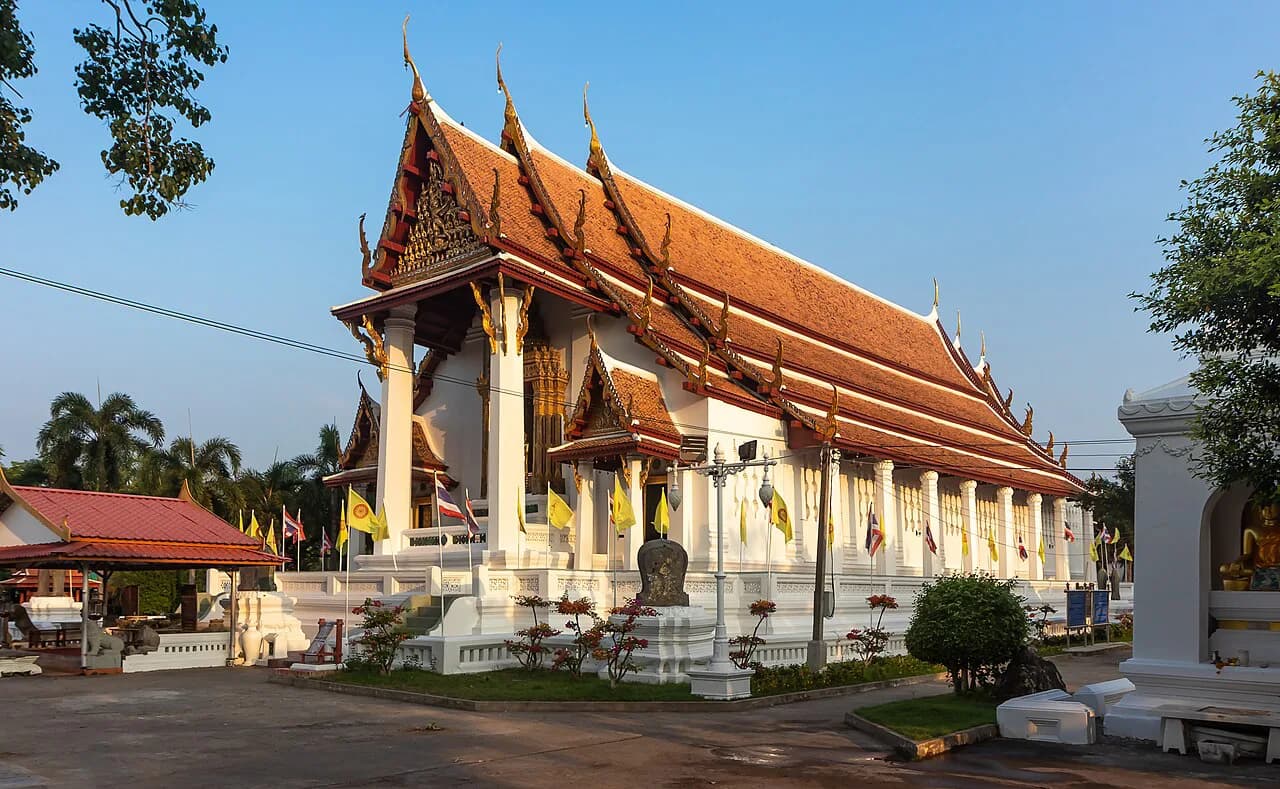
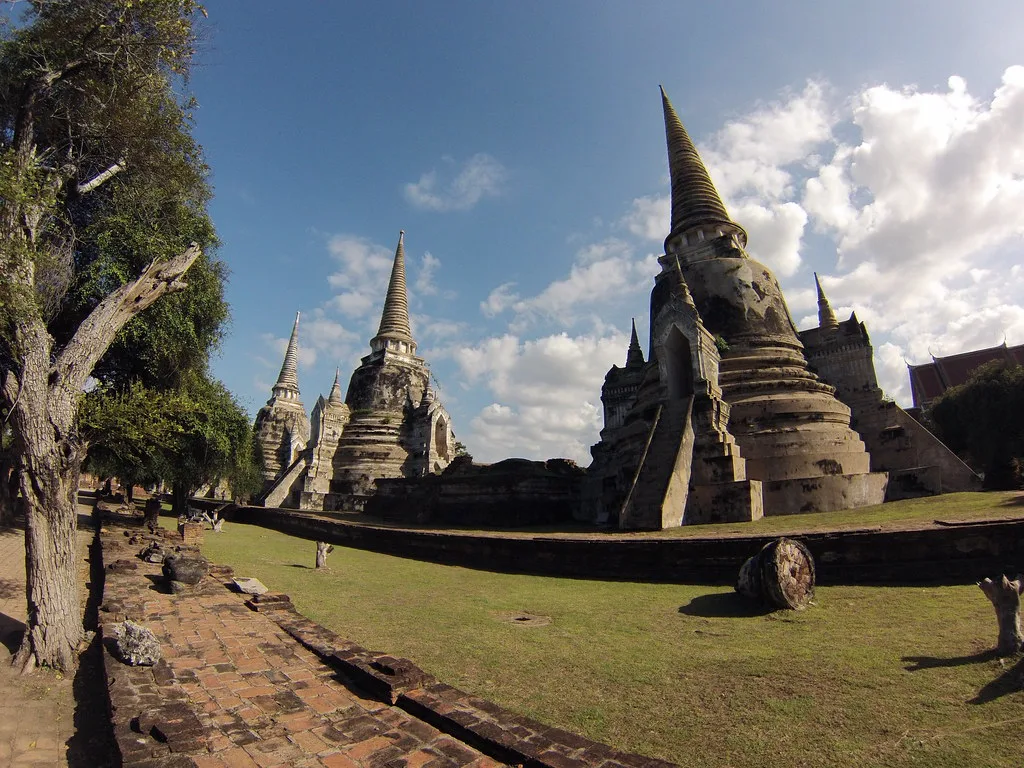
Most of what you photograph in the Ayutthaya Historical Park is brick and stucco left open to the sky after the Burmese army burned the city. Wat Na Phra Men is different: it is described as the one temple in the city that the Burmese did not destroy, and it still functions today as an active monastery, which is why you will see monks, worshippers and a maintained building rather than excavated foundations. That changes how you behave as much as what you see, since you are a guest in a living place of worship, not a ticket-holder wandering a monument.
Treat the visit as a short, focused stop rather than a headline ruin. The payoff is the interiors and the two notable Buddha images, not a sprawl of chedis to circle; if you want the postcard skyline shots, save those for the city island.

Where the Temple Sits
The monastery is in Tha Wasukri sub-district, off the city island in Ayutthaya's northern area, on the far side of the river from the main cluster of ruins. A useful mental model is that the historic island sits in the middle, the Chao Phraya loops around it, and Wat Na Phra Men sits beyond the northern channel, so you cross water to reach it rather than simply walking north from the palaces.
Because it lies outside the tight ruin circuit, it is rarely the first stop on a rented bicycle loop, and drivers sometimes need the name in Thai to find the turn. Have the Thai script วัดหน้าพระเมรุ ready on your phone, and confirm the pin with your driver before you set off.
Getting There from Bangkok and from the City Island
From Bangkok, the train from Krung Thep Aphiwat or Hua Lamphong to Ayutthaya is the simplest no-traffic option, and minivans from Mo Chit run throughout the day; either way you land on the city-island side and cover the last few kilometers by tuk-tuk, Grab or a chartered songthaew. Check current departure times with the State Railway of Thailand directly, since timetables shift, and budget roughly an hour to ninety minutes door to door depending on traffic.
Once in Ayutthaya, the practical move is to hire a driver or Grab for a half-day loop rather than rely on flagging songthaews, because the temple sits off the main routes and return rides are thin. If you are cycling the island, plan the crossing carefully: the bridges carry fast traffic, and a tuk-tuk for this one leg is usually the calmer choice.
What to See in the Ordination Hall and Vihara
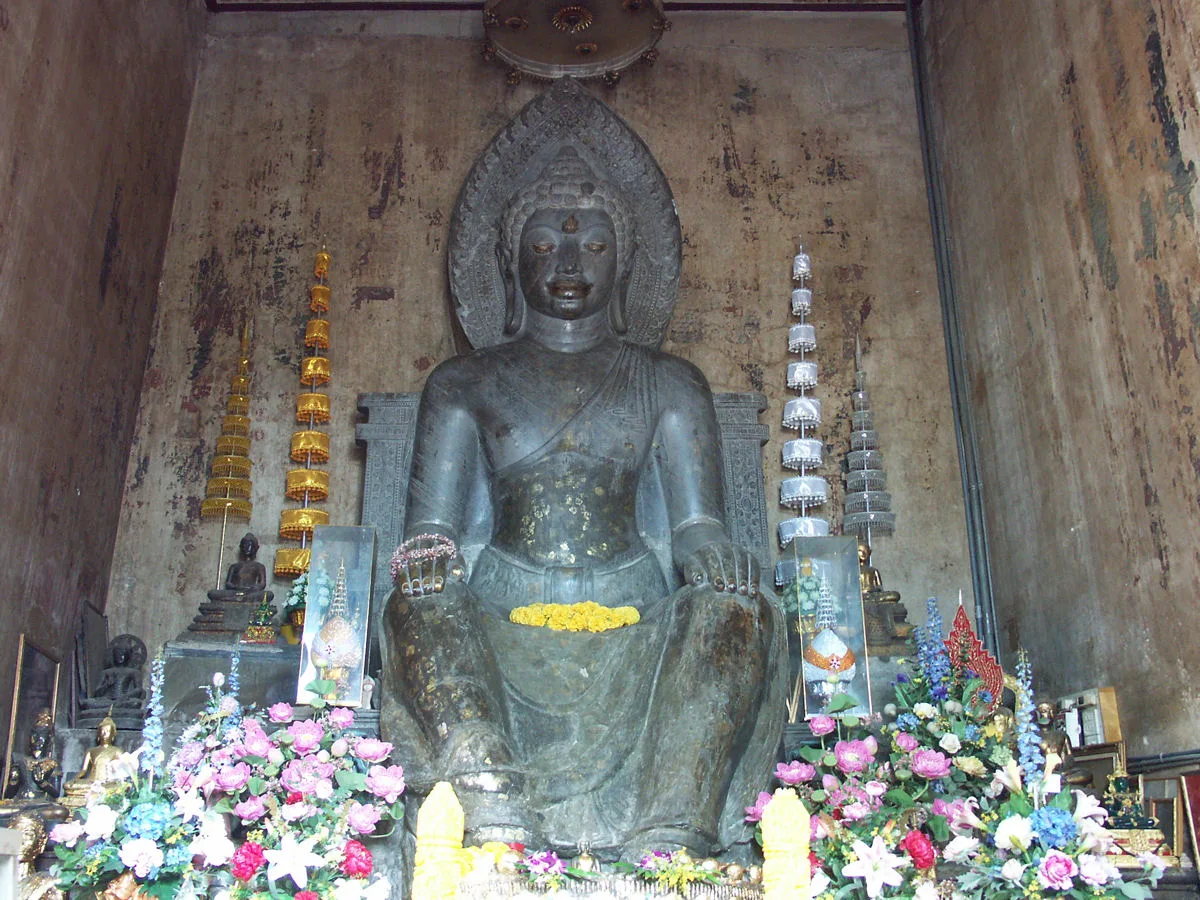
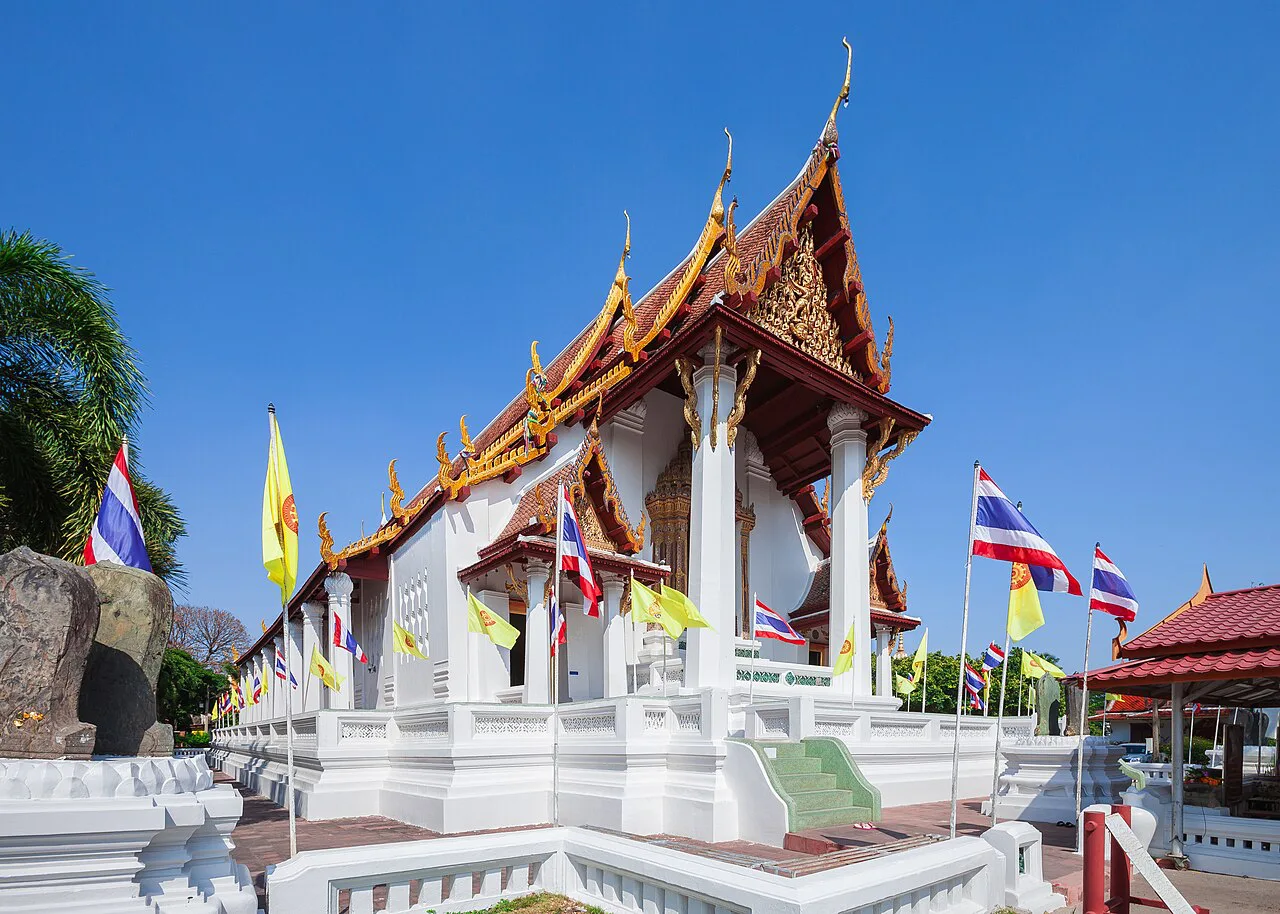
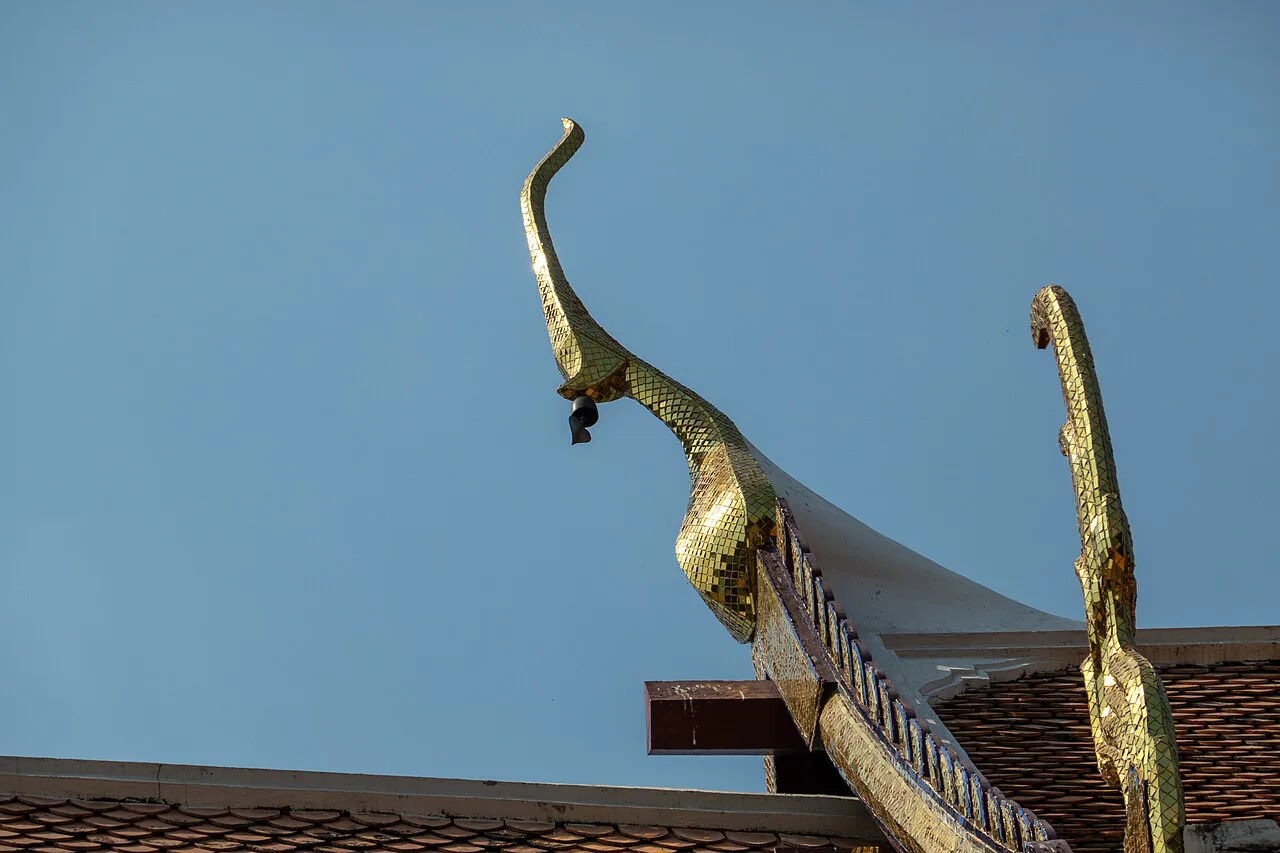
The ordination hall holds a large seated Buddha that dominates the interior, and the building itself is a good look at how Ayutthaya-period religious architecture was finished and roofed, which the open ruins can no longer show you. Look up at the ceiling and the door frames as well as the image; the details survived here in a way they did not across the river.
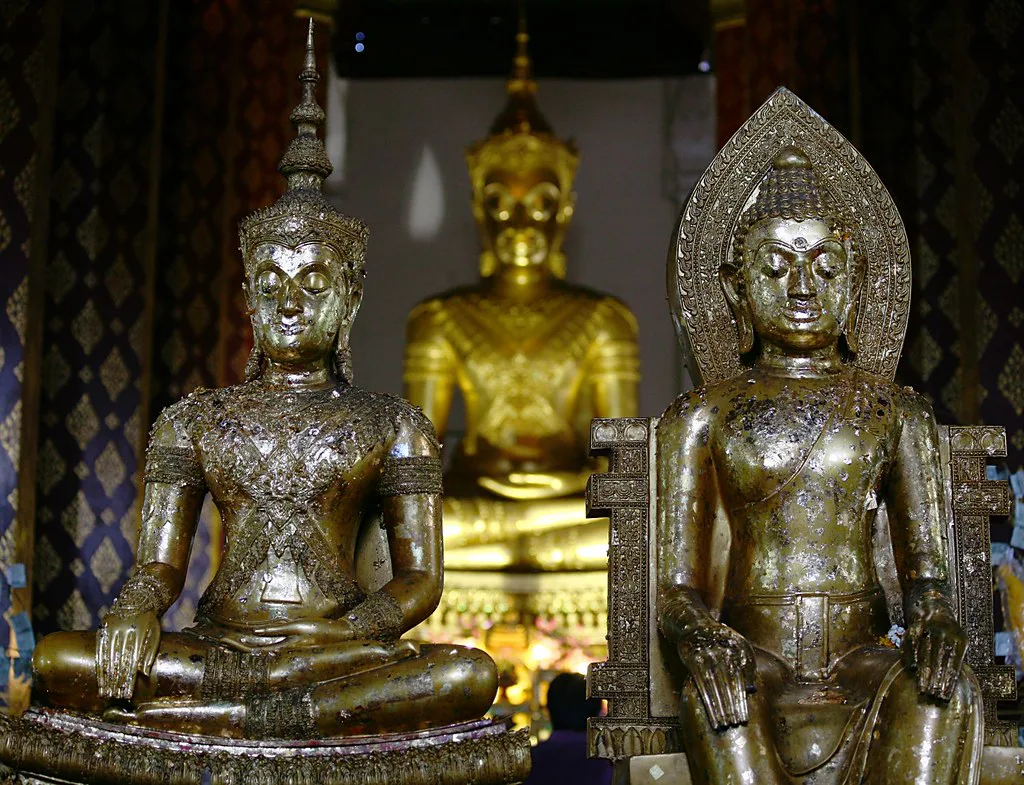
The second image to seek out is the stone Buddha dressed in royal regalia, kept in the vihara, which is the piece most visitors remember after they leave. Photography rules inside are set by the monastery, so watch for signs and follow what worshippers do rather than assuming a free hand with your camera.
The Temple's Role in Ayutthaya's Final War
Ayutthaya fell to the Burmese in 1767, and the city was abandoned afterward, which is why the Historical Park reads as a city of foundations rather than standing buildings. Wat Na Phra Men's survival is tied to its position across the river and to the fact that it was spared the destruction visited on the island's temples, a claim the standard reference for the temple states plainly.
Read that survival story as context, not as a heroic legend to repeat to your driver. The point for a visitor is simpler: this is your chance to see what an Ayutthaya temple looked like intact before you spend the afternoon among the ruins.

How Long to Allow and How to Pair It with the Ruins
Give the monastery 30 to 45 minutes: enough to walk the grounds, sit with both Buddha images and take a few photographs without hurrying worshippers. Add 15 to 20 minutes each way for the crossing and the driver's navigation, so treat it as a one-hour block in your day rather than a quick photo stop.
The natural pairing is to start or finish on the north side and then cross to the island for the heavy hitters. Wat Mahathat, with its famous Buddha head in the tree roots, and Wat Chaiwatthanaram, the riverside complex best saved for late light, are the two most rewarding anchors, and both sit within a short drive of each other.
If you have a full day, run Wat Na Phra Men first while it is quiet, then work south through the island's ruins and end at Wat Chaiwatthanaram for the afternoon light. The wider set of stops, with walking order and time budgets, is mapped out in these Ayutthaya Attractions.
Two additions suit a slower day: Wat Ratchaburana, whose prang you can climb into, and Wat Phra Si Sanphet, the royal temple whose three chedis are the park's signature silhouette. Both are indoors-free ruins, so plan them for cooler hours and keep the monastery as your seated, shaded pause.

Hours, Tickets and Worship Rules: Where to Confirm
The site is an active monastery, so published visitor hours are less reliable than for the ticketed ruins, and entry terms can differ from the Historical Park pass. Check the temple's own channels or the Tourism Authority of Thailand listing before you go, and confirm with your hotel or driver on the day, rather than relying on an old blog post.
Expect worshippers at almost any hour and behave accordingly: keep your voice low near the images, do not step into restricted areas marked off for monks, and dress with the same modesty you would at any working Thai temple. If a hall is closed for a ceremony, accept it and enjoy the grounds instead of asking staff to bend the rules.
Is Wat Na Phra Men Worth Adding to Your Ayutthaya Day?
Yes, if you want one intact interior and a working temple alongside the ruins, and if your day already runs north of the island. No, if your time is tight and you would rather spend the hours on the big ruin complexes; the monastery will not fill a morning on its own.
Build it into your driver's route as a 45-minute stop, keep the Thai name handy, and confirm hours and entry on the day. Then cross back to the island and give the ruins the rest of your light.
Explore more Ayutthaya guides
Frequently Asked Questions
Do I need a ticket for Wat Na Phra Men?
Entry terms are set by the monastery and can differ from the Ayutthaya Historical Park ticket, so confirm with the temple or the Tourism Authority of Thailand before you travel rather than assuming a price. If you are on a guided or driver-led day, ask whether the stop is included.
Can I combine Wat Na Phra Men with the city-island ruins in one day?
Yes, and that is the usual way to do it. The monastery sits north of the island, so start there, cross back, and work through Wat Mahathat and the other central ruins before finishing at Wat Chaiwatthanaram in the late afternoon.
Is Wat Na Phra Men a ruin or a working temple?
It is a working monastery that survived the destruction of 1767, not an excavated ruin. Expect monks, worshippers and maintained buildings, and behave as you would in any active Thai temple rather than as a visitor to a monument.